
 EN
EN

When a MOSFET runs hot, the consequences extend far beyond a warm heatsink. Overheating is one of the leading causes of premature failure in power electronics, and in industrial or high-frequency switching applications, a single thermal event can cascade into board-level damage, system downtime, and costly replacements. Understanding why a MOSFET overheats — and how to systematically address it — is a critical skill for any power electronics engineer or procurement specialist working with discrete switching devices.

This guide takes a structured, advanced approach to MOSFET thermal management. Rather than offering surface-level advice, it digs into the root causes of overheating, the physics behind thermal resistance, and the practical design and operational strategies that keep junction temperatures within safe limits. Whether you are designing a new power stage or troubleshooting an existing one, the principles covered here apply directly to real-world MOSFET thermal challenges.
Understanding Why a MOSFET Overheats
The Physics of Power Dissipation in a MOSFET
Every MOSFET dissipates power as heat during operation, and the total power dissipation is the sum of conduction losses and switching losses. Conduction losses arise from the on-state resistance (RDS(on)) of the device — current flowing through this resistance generates heat proportional to I² × RDS(on). In high-current applications, even a modest RDS(on) value can produce significant thermal output, especially when the device is conducting for long duty cycles.
Switching losses occur during the transitions between on and off states. During these transitions, both voltage and current are simultaneously present across the MOSFET, creating a brief but intense power spike. At high switching frequencies, these spikes accumulate rapidly, and switching losses can easily dominate over conduction losses. Engineers who focus only on RDS(on) when selecting a MOSFET often underestimate total dissipation in high-frequency designs.
Gate drive losses, body diode reverse recovery losses, and capacitive charging losses also contribute to the thermal budget. A complete thermal analysis must account for all these mechanisms rather than treating the MOSFET as a simple resistive element. Ignoring any one of these contributors can lead to a thermal design that looks adequate on paper but fails under real operating conditions.
How Junction Temperature Relates to Device Reliability
The junction temperature (Tj) of a MOSFET is the most critical thermal parameter. Every MOSFET datasheet specifies a maximum junction temperature — typically 150°C or 175°C for silicon devices — and operating consistently near this limit dramatically accelerates device aging. The Arrhenius relationship tells us that for every 10°C rise in junction temperature, the failure rate of a semiconductor roughly doubles.
In practice, a well-designed system targets a junction temperature at least 20°C to 30°C below the rated maximum under worst-case conditions. This margin accounts for component tolerances, ambient temperature variations, and aging effects that increase RDS(on) over time. A MOSFET that runs at 145°C in a 150°C-rated device is not operating safely — it is operating at the edge of its rated envelope with no margin for real-world variation.
Thermal cycling also matters. Repeated heating and cooling cycles cause mechanical stress at die-attach and wire-bond interfaces due to differential thermal expansion. A MOSFET that never exceeds its maximum junction temperature but experiences large, frequent temperature swings can still fail prematurely through fatigue mechanisms. Advanced thermal management must therefore address both peak temperature and thermal cycling amplitude.
Diagnosing the Root Cause of MOSFET Overheating
Thermal Resistance Path Analysis
The thermal resistance network from junction to ambient is the foundation of any MOSFET thermal diagnosis. This network consists of junction-to-case resistance (Rth(j-c)), case-to-heatsink resistance (Rth(c-s)), and heatsink-to-ambient resistance (Rth(s-a)). The total thermal resistance determines how much the junction temperature rises above ambient for a given power dissipation. If any element in this chain is higher than expected, the MOSFET will run hotter than the design intended.
A common diagnostic approach is to measure the case temperature of the MOSFET under known load conditions and compare it against the expected value calculated from the datasheet thermal resistance and measured power dissipation. If the case temperature is higher than predicted, the problem likely lies in the heatsink interface or the heatsink itself. If the case temperature is within range but the device still fails, the issue may be internal — a degraded die attach or a device operating beyond its actual power dissipation limits.
Thermal imaging cameras are invaluable for this diagnosis. They reveal hot spots that are invisible to standard probing, including localized heating from poor solder joints, inadequate thermal interface material coverage, or uneven current sharing in parallel MOSFET configurations. A thermal image taken under steady-state load conditions provides a clear map of where heat is accumulating and where the thermal path is breaking down.
Identifying Design and Application Mismatches
Overheating is often a symptom of a mismatch between the MOSFET selected and the application demands. A device chosen primarily for its low RDS(on) may have higher gate charge and output capacitance, leading to elevated switching losses at the target frequency. Conversely, a device optimized for high-frequency switching may have higher RDS(on), making it unsuitable for high-current, low-frequency applications.
Gate drive circuit performance is another frequent mismatch source. An underpowered gate driver that cannot charge and discharge the gate capacitance quickly enough extends switching transition times, dramatically increasing switching losses. The MOSFET spends more time in the linear region during each transition, and the resulting power dissipation can far exceed what the thermal design was sized for. Verifying gate drive waveforms with an oscilloscope is an essential step in any overheating diagnosis.
Parasitic inductance in the power loop also contributes to overheating by causing voltage overshoot during turn-off. This overshoot can push the MOSFET into avalanche breakdown, which dissipates energy in the device body. Repeated avalanche events, even within the device's rated avalanche energy, contribute to cumulative thermal stress. Layout optimization to minimize loop inductance is therefore both a performance and a thermal management measure.
Advanced Thermal Management Strategies for MOSFETs
Optimizing the Thermal Interface and Heatsink Design
The thermal interface between the MOSFET package and the heatsink is one of the most impactful and most frequently neglected elements of thermal management. Even a thin layer of air trapped between surfaces can add several degrees Celsius to the junction temperature. High-quality thermal interface materials — including phase-change pads, graphite sheets, and thermally conductive greases — reduce this interface resistance significantly. The choice of material should be based on the expected clamping pressure, surface flatness, and long-term stability requirements of the application.
Heatsink selection must be based on the total thermal resistance budget, not just physical size. A large heatsink with poor fin geometry or inadequate airflow can perform worse than a smaller, well-designed one. For forced-air cooling, the heatsink thermal resistance is a strong function of airflow velocity, and the fan or blower must be sized to maintain adequate flow under worst-case conditions including filter loading and elevated ambient temperatures.
For high-power MOSFET applications, direct liquid cooling or vapor chamber solutions offer substantially lower thermal resistance than air-cooled heatsinks. These approaches are increasingly common in industrial motor drives, EV power electronics, and high-density server power supplies. While they add system complexity, the reduction in junction temperature they enable often translates directly into higher power density, longer device life, and improved system reliability.
PCB Layout Techniques for Thermal Performance
The PCB itself plays a significant role in MOSFET thermal management, particularly for surface-mount packages where the board is the primary heat spreader. Copper pour areas connected to the thermal pad of the MOSFET package spread heat laterally before it reaches the heatsink or ambient. Increasing the copper area, using multiple copper layers connected by thermal vias, and selecting high-thermal-conductivity PCB substrates all reduce the effective thermal resistance from the device to the environment.
Thermal vias — small plated through-holes filled with copper or thermally conductive epoxy — transfer heat from the top copper layer to inner layers and the bottom of the board. A well-designed via array under a MOSFET thermal pad can reduce junction-to-board thermal resistance by 30% to 50% compared to a design without vias. The via diameter, pitch, and fill material all affect performance, and simulation tools can optimize these parameters before fabrication.
Current path layout also affects thermal performance indirectly. Wide, short copper traces minimize resistive heating in the power path, reducing the total heat load that the MOSFET thermal management system must handle. Keeping high-current traces as short as possible also reduces parasitic inductance, which as noted earlier has direct implications for switching losses and overshoot-related thermal stress in the MOSFET.
Parallel MOSFET Configurations and Current Sharing
Placing multiple MOSFET devices in parallel is a common strategy for handling currents that exceed the rating of a single device. However, parallel configurations introduce the risk of unequal current sharing, where one device carries a disproportionate share of the load and overheats while others run cool. This imbalance is driven by differences in RDS(on) between devices, differences in gate threshold voltage, and asymmetries in the PCB layout.
Small source resistors — typically in the range of a few milliohms to tens of milliohms — placed in series with each MOSFET source terminal provide a passive current-balancing mechanism. The voltage drop across these resistors creates a negative feedback that reduces current in the device carrying the most load. While this approach adds a small amount of conduction loss, it significantly improves current sharing uniformity and prevents thermal runaway in any single device.
Layout symmetry is equally important. Each MOSFET in a parallel array should have the same electrical path length from the common bus to its drain and from its source to the common return. Asymmetric layouts create differences in parasitic inductance and resistance that drive current imbalance even when the devices themselves are well-matched. Careful attention to layout symmetry during the design phase is far more effective than attempting to compensate for imbalance after the fact.
Monitoring and Protection Strategies
Real-Time Thermal Monitoring Approaches
Effective thermal management does not end at the design stage — it requires ongoing monitoring during operation. NTC thermistors or digital temperature sensors placed on the heatsink or PCB near the MOSFET provide a continuous indication of thermal conditions. While these sensors do not directly measure junction temperature, they can be used with known thermal resistance values to estimate Tj and trigger protective actions before the device reaches its thermal limit.
Some modern gate driver ICs include integrated temperature sensing and protection features that monitor the MOSFET operating conditions and reduce switching frequency, limit current, or initiate a controlled shutdown when thermal thresholds are approached. These features add a layer of protection that is independent of the system controller, providing a last line of defense against thermal runaway in the MOSFET.
Data logging of temperature trends over time is also valuable for predictive maintenance. A gradual increase in steady-state heatsink temperature under constant load conditions can indicate degradation of the thermal interface material, accumulation of dust on the heatsink fins, or increasing RDS(on) due to device aging. Catching these trends early allows maintenance to be scheduled before a failure occurs, avoiding unplanned downtime.
Derating and Safe Operating Area Compliance
Derating is the practice of operating a MOSFET at a fraction of its rated maximum parameters to extend its service life and improve reliability. A common industrial practice is to derate current to 70% to 80% of the rated maximum and to ensure that junction temperature under worst-case conditions does not exceed 80% of the rated maximum. These margins provide substantial protection against the variability of real-world operating conditions.
The safe operating area (SOA) of a MOSFET defines the combinations of voltage and current that the device can handle without damage. The SOA is temperature-dependent — at elevated junction temperatures, the SOA shrinks, meaning the device can tolerate less simultaneous voltage and current stress. Designs that operate near the SOA boundary at room temperature may violate it at elevated temperatures, leading to failure modes that are difficult to diagnose without understanding this temperature dependence.
Transient thermal impedance data, provided in MOSFET datasheets as Zth(j-c) curves, allows engineers to evaluate whether the device can survive short-duration power pulses without exceeding its junction temperature limit. This analysis is particularly important in applications with pulsed loads, motor starting conditions, or fault current scenarios where the MOSFET may experience brief but intense power dissipation events.
FAQ
What is the most common cause of MOSFET overheating in switching power supplies?
The most common cause is a combination of elevated switching losses at high frequency and inadequate thermal interface between the MOSFET package and the heatsink. Many designs underestimate switching losses because they focus only on RDS(on) during device selection. At frequencies above a few hundred kilohertz, switching losses typically dominate, and a MOSFET with low RDS(on) but high gate charge can dissipate far more power than expected. Verifying the gate drive waveform and calculating total power dissipation — including both conduction and switching components — is the correct starting point for any overheating investigation.
How do I calculate the junction temperature of a MOSFET in my design?
Junction temperature is calculated using the thermal resistance network: Tj = Ta + (Pd × Rth(total)), where Ta is the ambient temperature, Pd is the total power dissipated by the MOSFET, and Rth(total) is the sum of junction-to-case, case-to-heatsink, and heatsink-to-ambient thermal resistances. All values for Rth(j-c) and Rth(c-s) are available in the device datasheet and the thermal interface material datasheet respectively. Rth(s-a) depends on the heatsink selected and the airflow conditions. This calculation should be performed under worst-case ambient temperature and maximum load conditions to ensure adequate thermal margin.
Can I use a MOSFET and an IGBT interchangeably in the same thermal management design?
Not without re-evaluating the thermal design. MOSFETs and IGBTs have different loss mechanisms — a MOSFET has no saturation voltage offset, so its conduction losses scale with I² × RDS(on), while an IGBT has a fixed forward voltage drop that makes it more efficient at high currents but less efficient at low currents. Switching loss profiles also differ significantly. If you replace a MOSFET with an IGBT or vice versa, the total power dissipation under your specific operating conditions will change, and the thermal management system must be re-evaluated accordingly to ensure the new device stays within its junction temperature limits.
How often should thermal interface material be replaced in a MOSFET heatsink assembly?
This depends on the type of thermal interface material and the severity of thermal cycling in the application. Silicone-based greases can pump out of the interface over time due to repeated thermal expansion and contraction, increasing thermal resistance gradually. Phase-change materials and graphite pads are generally more stable over long service intervals. As a practical guideline, thermal interface material should be inspected and replaced whenever the heatsink assembly is disassembled for maintenance, and proactive replacement should be considered every three to five years in high-cycling industrial applications. Monitoring heatsink temperature trends over time is the most reliable indicator of when replacement is needed.
When a MOSFET runs hot, the consequences extend far beyond a warm heatsink. Overheating is one of the leading causes of premature failure in power electronics, and in industrial or high-frequency switching applications, a single thermal event can cascade into board-level damage, system downtime, and costly replacements. Understanding why a MOSFET overheats — and how to systematically address it — is a critical skill for any power electronics engineer or procurement specialist working with discrete switching devices.
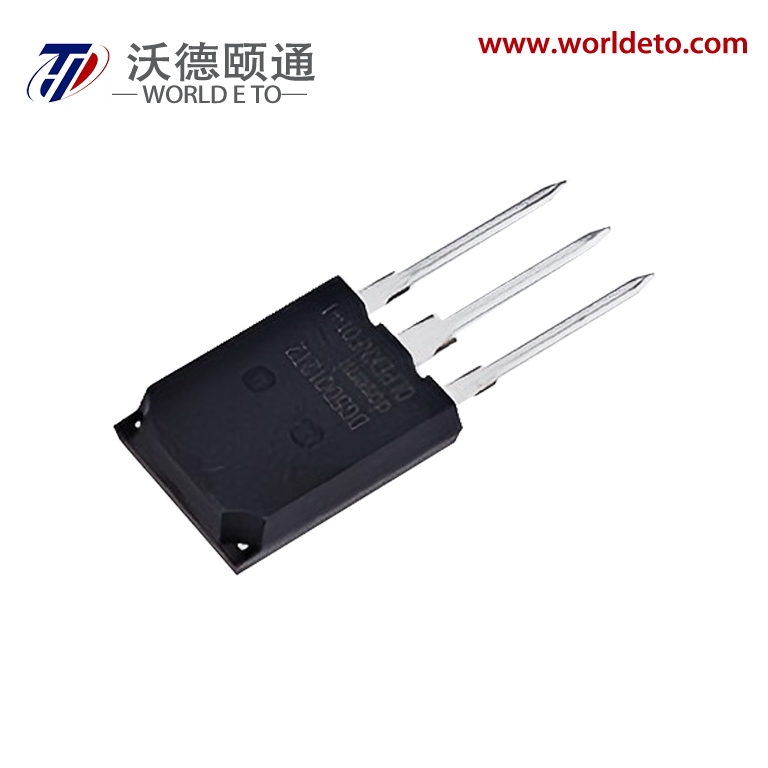
This guide takes a structured, advanced approach to MOSFET thermal management. Rather than offering surface-level advice, it digs into the root causes of overheating, the physics behind thermal resistance, and the practical design and operational strategies that keep junction temperatures within safe limits. Whether you are designing a new power stage or troubleshooting an existing one, the principles covered here apply directly to real-world MOSFET thermal challenges.
Understanding Why a MOSFET Overheats
The Physics of Power Dissipation in a MOSFET
Every MOSFET dissipates power as heat during operation, and the total power dissipation is the sum of conduction losses and switching losses. Conduction losses arise from the on-state resistance (RDS(on)) of the device — current flowing through this resistance generates heat proportional to I² × RDS(on). In high-current applications, even a modest RDS(on) value can produce significant thermal output, especially when the device is conducting for long duty cycles.
Switching losses occur during the transitions between on and off states. During these transitions, both voltage and current are simultaneously present across the MOSFET, creating a brief but intense power spike. At high switching frequencies, these spikes accumulate rapidly, and switching losses can easily dominate over conduction losses. Engineers who focus only on RDS(on) when selecting a MOSFET often underestimate total dissipation in high-frequency designs.
Gate drive losses, body diode reverse recovery losses, and capacitive charging losses also contribute to the thermal budget. A complete thermal analysis must account for all these mechanisms rather than treating the MOSFET as a simple resistive element. Ignoring any one of these contributors can lead to a thermal design that looks adequate on paper but fails under real operating conditions.
How Junction Temperature Relates to Device Reliability
The junction temperature (Tj) of a MOSFET is the most critical thermal parameter. Every MOSFET datasheet specifies a maximum junction temperature — typically 150°C or 175°C for silicon devices — and operating consistently near this limit dramatically accelerates device aging. The Arrhenius relationship tells us that for every 10°C rise in junction temperature, the failure rate of a semiconductor roughly doubles.
In practice, a well-designed system targets a junction temperature at least 20°C to 30°C below the rated maximum under worst-case conditions. This margin accounts for component tolerances, ambient temperature variations, and aging effects that increase RDS(on) over time. A MOSFET that runs at 145°C in a 150°C-rated device is not operating safely — it is operating at the edge of its rated envelope with no margin for real-world variation.
Thermal cycling also matters. Repeated heating and cooling cycles cause mechanical stress at die-attach and wire-bond interfaces due to differential thermal expansion. A MOSFET that never exceeds its maximum junction temperature but experiences large, frequent temperature swings can still fail prematurely through fatigue mechanisms. Advanced thermal management must therefore address both peak temperature and thermal cycling amplitude.
Diagnosing the Root Cause of MOSFET Overheating
Thermal Resistance Path Analysis
The thermal resistance network from junction to ambient is the foundation of any MOSFET thermal diagnosis. This network consists of junction-to-case resistance (Rth(j-c)), case-to-heatsink resistance (Rth(c-s)), and heatsink-to-ambient resistance (Rth(s-a)). The total thermal resistance determines how much the junction temperature rises above ambient for a given power dissipation. If any element in this chain is higher than expected, the MOSFET will run hotter than the design intended.
A common diagnostic approach is to measure the case temperature of the MOSFET under known load conditions and compare it against the expected value calculated from the datasheet thermal resistance and measured power dissipation. If the case temperature is higher than predicted, the problem likely lies in the heatsink interface or the heatsink itself. If the case temperature is within range but the device still fails, the issue may be internal — a degraded die attach or a device operating beyond its actual power dissipation limits.
Thermal imaging cameras are invaluable for this diagnosis. They reveal hot spots that are invisible to standard probing, including localized heating from poor solder joints, inadequate thermal interface material coverage, or uneven current sharing in parallel MOSFET configurations. A thermal image taken under steady-state load conditions provides a clear map of where heat is accumulating and where the thermal path is breaking down.
Identifying Design and Application Mismatches
Overheating is often a symptom of a mismatch between the MOSFET selected and the application demands. A device chosen primarily for its low RDS(on) may have higher gate charge and output capacitance, leading to elevated switching losses at the target frequency. Conversely, a device optimized for high-frequency switching may have higher RDS(on), making it unsuitable for high-current, low-frequency applications.
Gate drive circuit performance is another frequent mismatch source. An underpowered gate driver that cannot charge and discharge the gate capacitance quickly enough extends switching transition times, dramatically increasing switching losses. The MOSFET spends more time in the linear region during each transition, and the resulting power dissipation can far exceed what the thermal design was sized for. Verifying gate drive waveforms with an oscilloscope is an essential step in any overheating diagnosis.
Parasitic inductance in the power loop also contributes to overheating by causing voltage overshoot during turn-off. This overshoot can push the MOSFET into avalanche breakdown, which dissipates energy in the device body. Repeated avalanche events, even within the device's rated avalanche energy, contribute to cumulative thermal stress. Layout optimization to minimize loop inductance is therefore both a performance and a thermal management measure.
Advanced Thermal Management Strategies for MOSFETs
Optimizing the Thermal Interface and Heatsink Design
The thermal interface between the MOSFET package and the heatsink is one of the most impactful and most frequently neglected elements of thermal management. Even a thin layer of air trapped between surfaces can add several degrees Celsius to the junction temperature. High-quality thermal interface materials — including phase-change pads, graphite sheets, and thermally conductive greases — reduce this interface resistance significantly. The choice of material should be based on the expected clamping pressure, surface flatness, and long-term stability requirements of the application.
Heatsink selection must be based on the total thermal resistance budget, not just physical size. A large heatsink with poor fin geometry or inadequate airflow can perform worse than a smaller, well-designed one. For forced-air cooling, the heatsink thermal resistance is a strong function of airflow velocity, and the fan or blower must be sized to maintain adequate flow under worst-case conditions including filter loading and elevated ambient temperatures.
For high-power MOSFET applications, direct liquid cooling or vapor chamber solutions offer substantially lower thermal resistance than air-cooled heatsinks. These approaches are increasingly common in industrial motor drives, EV power electronics, and high-density server power supplies. While they add system complexity, the reduction in junction temperature they enable often translates directly into higher power density, longer device life, and improved system reliability.
PCB Layout Techniques for Thermal Performance
The PCB itself plays a significant role in MOSFET thermal management, particularly for surface-mount packages where the board is the primary heat spreader. Copper pour areas connected to the thermal pad of the MOSFET package spread heat laterally before it reaches the heatsink or ambient. Increasing the copper area, using multiple copper layers connected by thermal vias, and selecting high-thermal-conductivity PCB substrates all reduce the effective thermal resistance from the device to the environment.
Thermal vias — small plated through-holes filled with copper or thermally conductive epoxy — transfer heat from the top copper layer to inner layers and the bottom of the board. A well-designed via array under a MOSFET thermal pad can reduce junction-to-board thermal resistance by 30% to 50% compared to a design without vias. The via diameter, pitch, and fill material all affect performance, and simulation tools can optimize these parameters before fabrication.
Current path layout also affects thermal performance indirectly. Wide, short copper traces minimize resistive heating in the power path, reducing the total heat load that the MOSFET thermal management system must handle. Keeping high-current traces as short as possible also reduces parasitic inductance, which as noted earlier has direct implications for switching losses and overshoot-related thermal stress in the MOSFET.
Parallel MOSFET Configurations and Current Sharing
Placing multiple MOSFET devices in parallel is a common strategy for handling currents that exceed the rating of a single device. However, parallel configurations introduce the risk of unequal current sharing, where one device carries a disproportionate share of the load and overheats while others run cool. This imbalance is driven by differences in RDS(on) between devices, differences in gate threshold voltage, and asymmetries in the PCB layout.
Small source resistors — typically in the range of a few milliohms to tens of milliohms — placed in series with each MOSFET source terminal provide a passive current-balancing mechanism. The voltage drop across these resistors creates a negative feedback that reduces current in the device carrying the most load. While this approach adds a small amount of conduction loss, it significantly improves current sharing uniformity and prevents thermal runaway in any single device.
Layout symmetry is equally important. Each MOSFET in a parallel array should have the same electrical path length from the common bus to its drain and from its source to the common return. Asymmetric layouts create differences in parasitic inductance and resistance that drive current imbalance even when the devices themselves are well-matched. Careful attention to layout symmetry during the design phase is far more effective than attempting to compensate for imbalance after the fact.
Monitoring and Protection Strategies
Real-Time Thermal Monitoring Approaches
Effective thermal management does not end at the design stage — it requires ongoing monitoring during operation. NTC thermistors or digital temperature sensors placed on the heatsink or PCB near the MOSFET provide a continuous indication of thermal conditions. While these sensors do not directly measure junction temperature, they can be used with known thermal resistance values to estimate Tj and trigger protective actions before the device reaches its thermal limit.
Some modern gate driver ICs include integrated temperature sensing and protection features that monitor the MOSFET operating conditions and reduce switching frequency, limit current, or initiate a controlled shutdown when thermal thresholds are approached. These features add a layer of protection that is independent of the system controller, providing a last line of defense against thermal runaway in the MOSFET.
Data logging of temperature trends over time is also valuable for predictive maintenance. A gradual increase in steady-state heatsink temperature under constant load conditions can indicate degradation of the thermal interface material, accumulation of dust on the heatsink fins, or increasing RDS(on) due to device aging. Catching these trends early allows maintenance to be scheduled before a failure occurs, avoiding unplanned downtime.
Derating and Safe Operating Area Compliance
Derating is the practice of operating a MOSFET at a fraction of its rated maximum parameters to extend its service life and improve reliability. A common industrial practice is to derate current to 70% to 80% of the rated maximum and to ensure that junction temperature under worst-case conditions does not exceed 80% of the rated maximum. These margins provide substantial protection against the variability of real-world operating conditions.
The safe operating area (SOA) of a MOSFET defines the combinations of voltage and current that the device can handle without damage. The SOA is temperature-dependent — at elevated junction temperatures, the SOA shrinks, meaning the device can tolerate less simultaneous voltage and current stress. Designs that operate near the SOA boundary at room temperature may violate it at elevated temperatures, leading to failure modes that are difficult to diagnose without understanding this temperature dependence.
Transient thermal impedance data, provided in MOSFET datasheets as Zth(j-c) curves, allows engineers to evaluate whether the device can survive short-duration power pulses without exceeding its junction temperature limit. This analysis is particularly important in applications with pulsed loads, motor starting conditions, or fault current scenarios where the MOSFET may experience brief but intense power dissipation events.
FAQ
What is the most common cause of MOSFET overheating in switching power supplies?
The most common cause is a combination of elevated switching losses at high frequency and inadequate thermal interface between the MOSFET package and the heatsink. Many designs underestimate switching losses because they focus only on RDS(on) during device selection. At frequencies above a few hundred kilohertz, switching losses typically dominate, and a MOSFET with low RDS(on) but high gate charge can dissipate far more power than expected. Verifying the gate drive waveform and calculating total power dissipation — including both conduction and switching components — is the correct starting point for any overheating investigation.
How do I calculate the junction temperature of a MOSFET in my design?
Junction temperature is calculated using the thermal resistance network: Tj = Ta + (Pd × Rth(total)), where Ta is the ambient temperature, Pd is the total power dissipated by the MOSFET, and Rth(total) is the sum of junction-to-case, case-to-heatsink, and heatsink-to-ambient thermal resistances. All values for Rth(j-c) and Rth(c-s) are available in the device datasheet and the thermal interface material datasheet respectively. Rth(s-a) depends on the heatsink selected and the airflow conditions. This calculation should be performed under worst-case ambient temperature and maximum load conditions to ensure adequate thermal margin.
Can I use a MOSFET and an IGBT interchangeably in the same thermal management design?
Not without re-evaluating the thermal design. MOSFETs and IGBTs have different loss mechanisms — a MOSFET has no saturation voltage offset, so its conduction losses scale with I² × RDS(on), while an IGBT has a fixed forward voltage drop that makes it more efficient at high currents but less efficient at low currents. Switching loss profiles also differ significantly. If you replace a MOSFET with an IGBT or vice versa, the total power dissipation under your specific operating conditions will change, and the thermal management system must be re-evaluated accordingly to ensure the new device stays within its junction temperature limits.
How often should thermal interface material be replaced in a MOSFET heatsink assembly?
This depends on the type of thermal interface material and the severity of thermal cycling in the application. Silicone-based greases can pump out of the interface over time due to repeated thermal expansion and contraction, increasing thermal resistance gradually. Phase-change materials and graphite pads are generally more stable over long service intervals. As a practical guideline, thermal interface material should be inspected and replaced whenever the heatsink assembly is disassembled for maintenance, and proactive replacement should be considered every three to five years in high-cycling industrial applications. Monitoring heatsink temperature trends over time is the most reliable indicator of when replacement is needed.
Table of Contents
- Understanding Why a MOSFET Overheats
- Diagnosing the Root Cause of MOSFET Overheating
- Advanced Thermal Management Strategies for MOSFETs
- Monitoring and Protection Strategies
-
FAQ
- What is the most common cause of MOSFET overheating in switching power supplies?
- How do I calculate the junction temperature of a MOSFET in my design?
- Can I use a MOSFET and an IGBT interchangeably in the same thermal management design?
- How often should thermal interface material be replaced in a MOSFET heatsink assembly?
- Understanding Why a MOSFET Overheats
- Diagnosing the Root Cause of MOSFET Overheating
- Advanced Thermal Management Strategies for MOSFETs
- Monitoring and Protection Strategies
-
FAQ
- What is the most common cause of MOSFET overheating in switching power supplies?
- How do I calculate the junction temperature of a MOSFET in my design?
- Can I use a MOSFET and an IGBT interchangeably in the same thermal management design?
- How often should thermal interface material be replaced in a MOSFET heatsink assembly?