
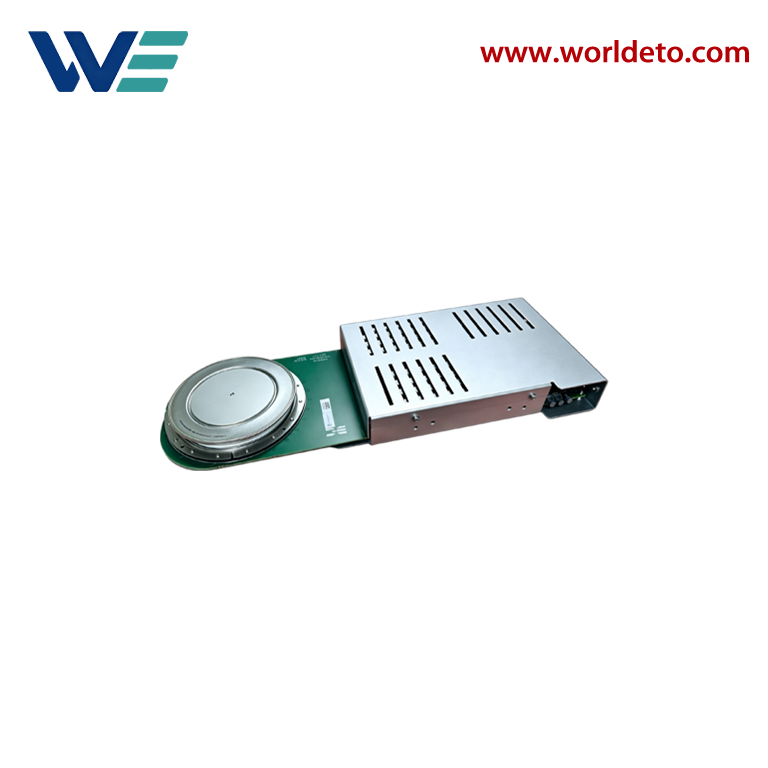
Selecting the right IGCT module specifications is fundamental to ensuring your industrial power conversion project achieves its performance targets and operational reliability. IGCT module specifications define the electrical limits, thermal behavior...
VIEW MORE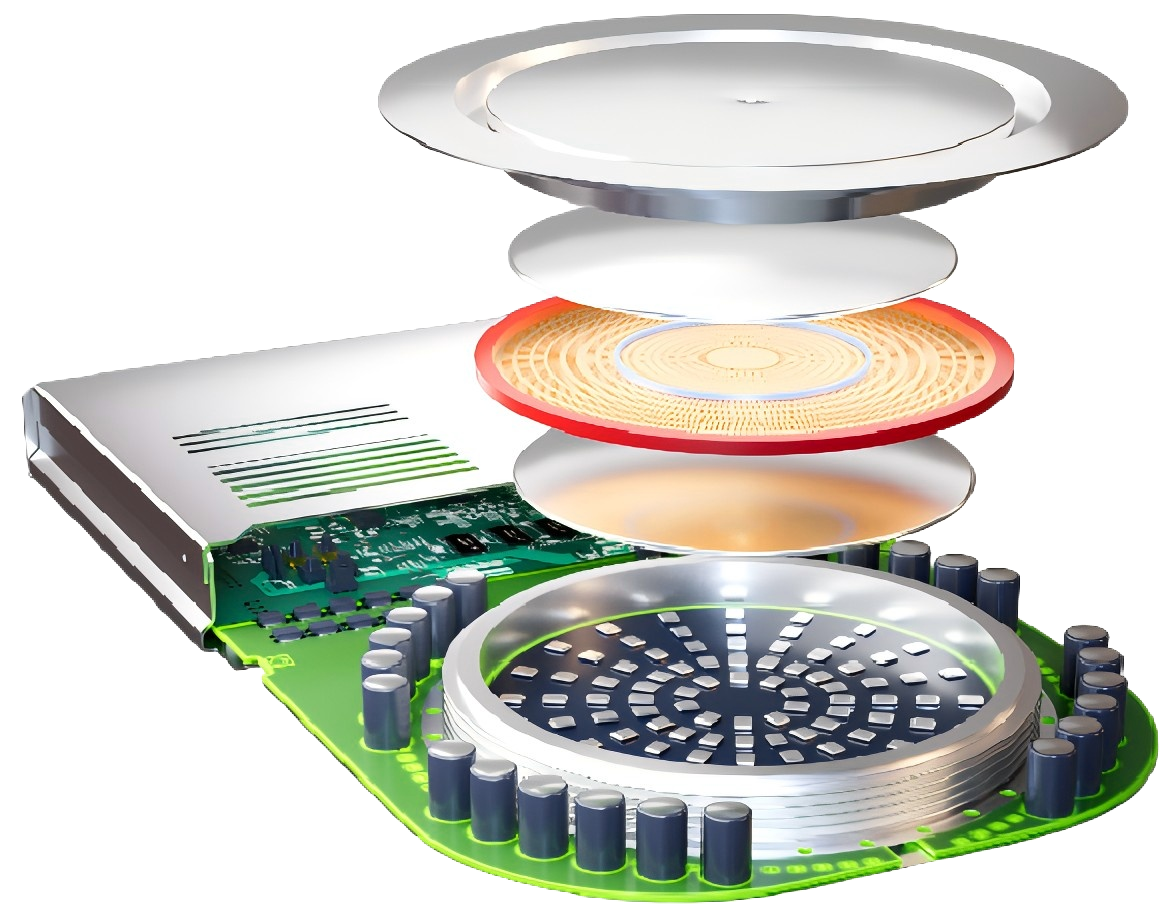
Wind power generation demands robust and efficient power conversion technologies to deliver reliable energy to the grid. An IGCT module for wind power plays a central role in converting and controlling the electrical output from wind turbines, making...
VIEW MORE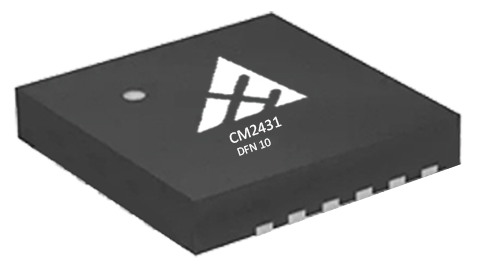
Selecting the right high-performance ADC chips is critical for applications requiring precision data acquisition, signal processing, and real-time monitoring. In 2025, the landscape of high-performance ADC chips has evolved dramatically, offering eng...
VIEW MORE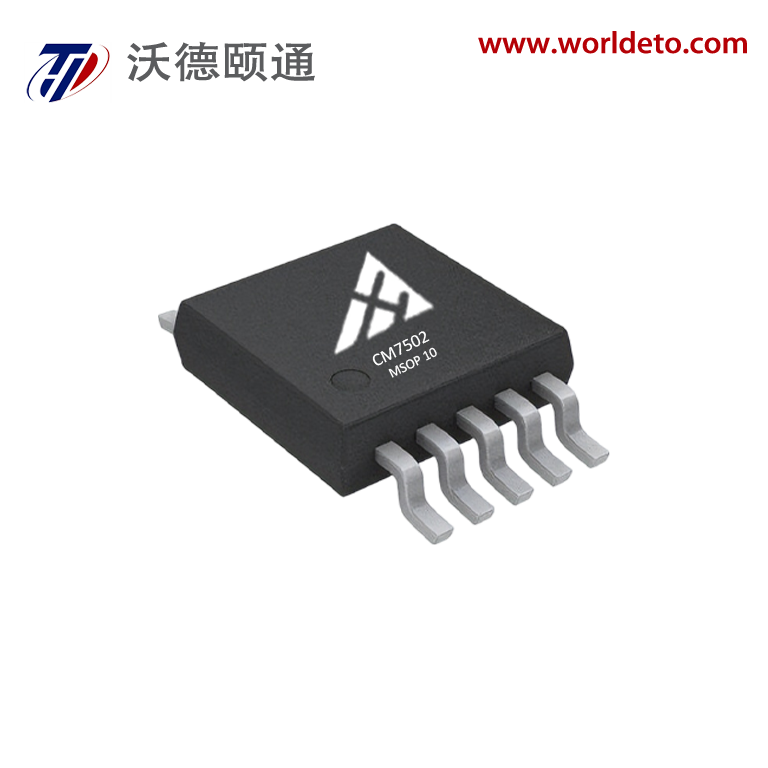
Selecting the right domestic precision DAC for your industrial application requires understanding multiple performance dimensions beyond simple marketing claims. A domestic precision DAC must balance speed, resolution, and power consumption while mee...
VIEW MORE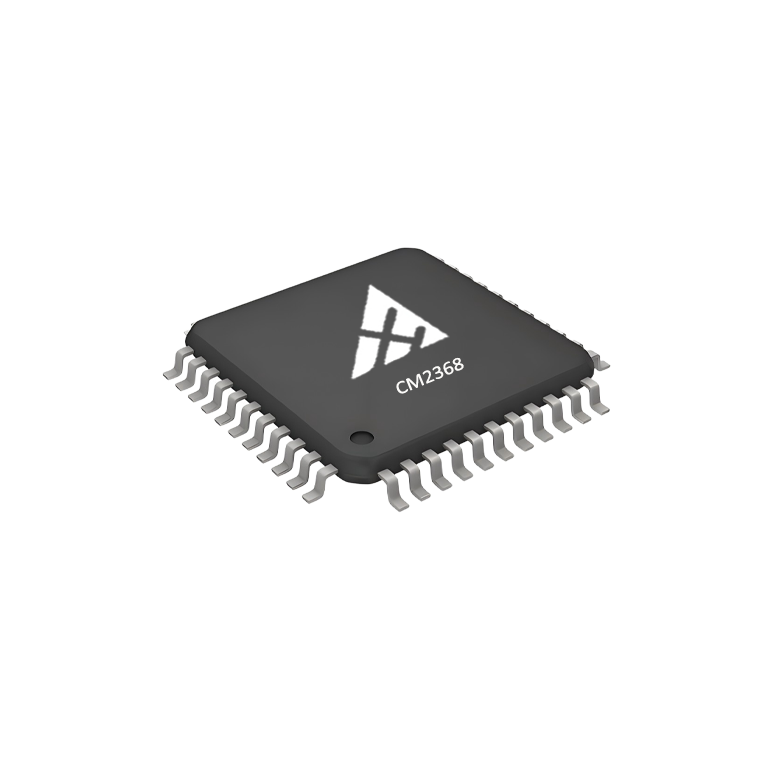
Modern industrial systems demand unprecedented efficiency in signal processing, and low-power data acquisition has become the defining benchmark for next-generation measurement infrastructure. As sensor networks proliferate across manufacturing facil...
VIEW MORE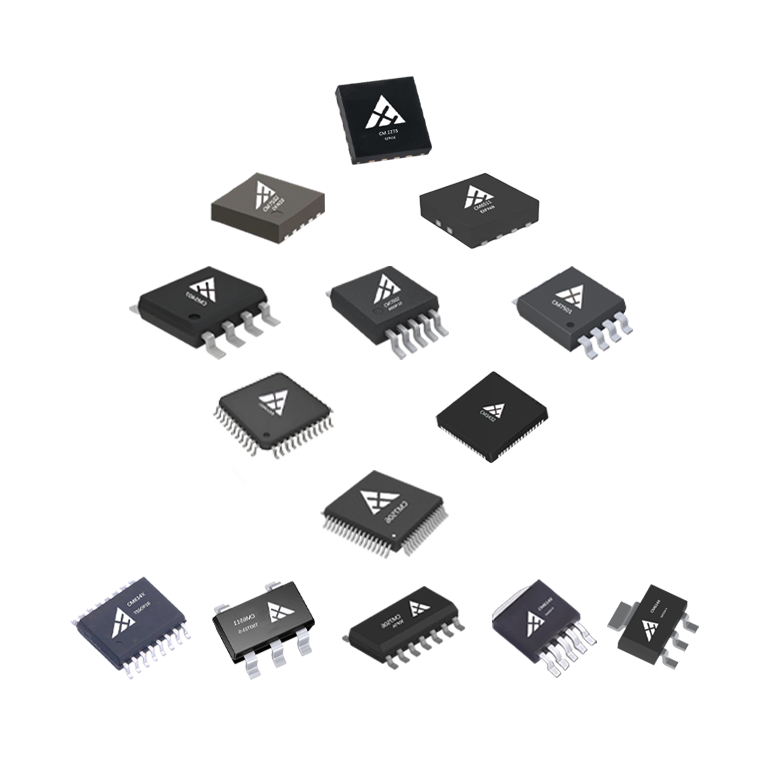
Choosing the right semiconductor component can determine whether your next-generation product succeeds or falls short of market expectations. The optimal domestic high-performance ADC chip represents a critical decision point for engineers and produc...
VIEW MORE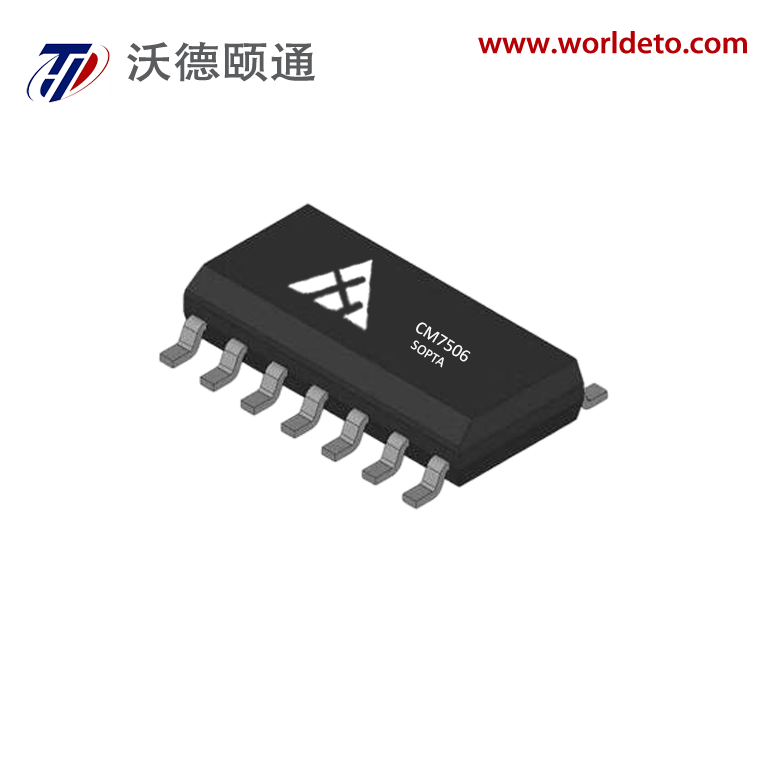
In modern industrial and electronic systems, the quality of signal conversion directly impacts overall system reliability and accuracy. High-accuracy DACs form the critical backbone of precision signal chains, transforming digital control signals int...
VIEW MORE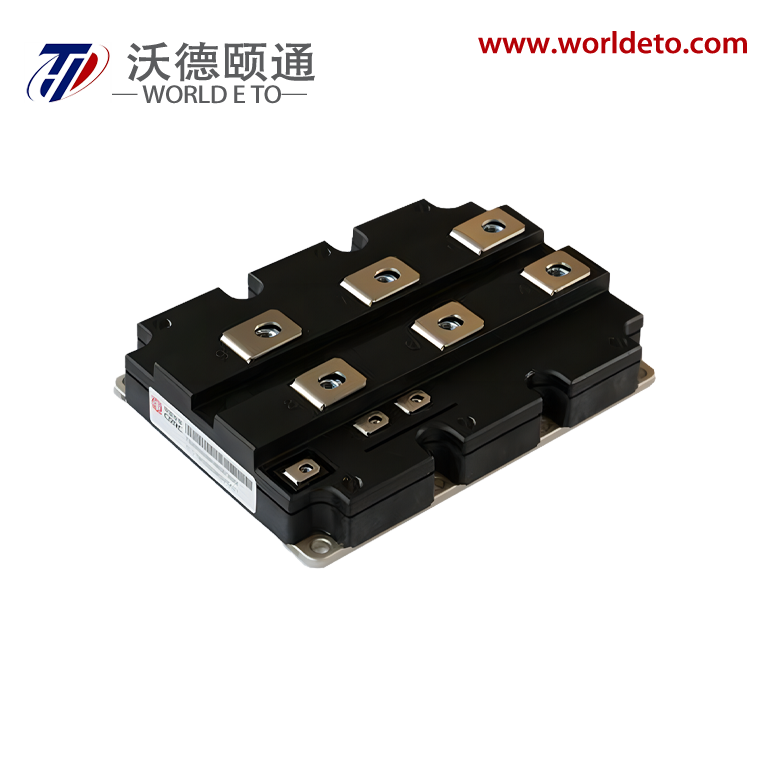
Managing heat in a compact IGBT module is one of the most critical engineering challenges in modern power electronics. As switching frequencies increase and physical footprints shrink, the thermal load per unit area rises dramatically. Without a well...
VIEW MORE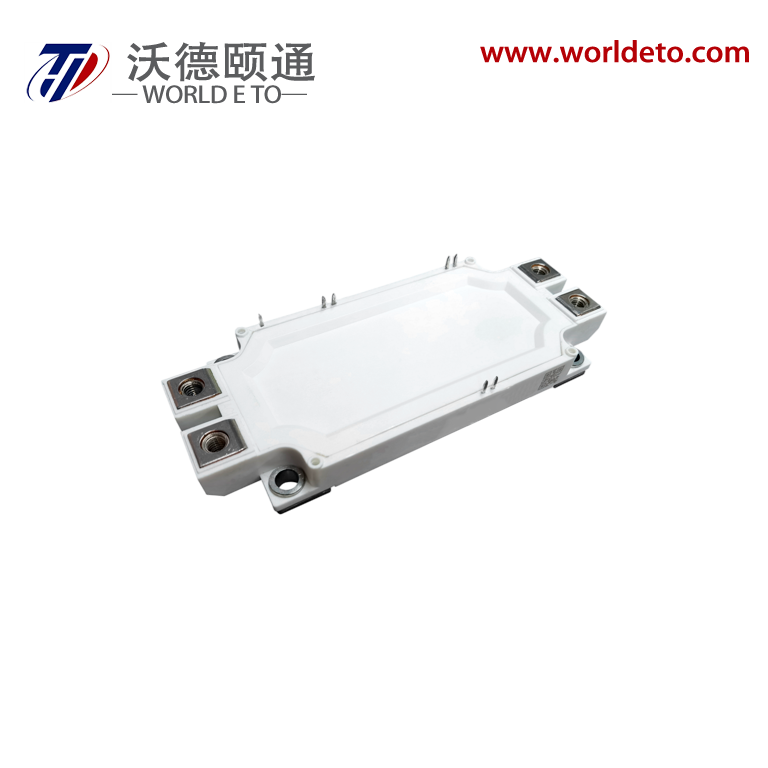
In modern power electronics, the SiC module has emerged as a critical component driving efficiency across industrial, automotive, and energy applications. Silicon carbide technology enables higher switching frequencies, elevated operating temperature...
VIEW MORE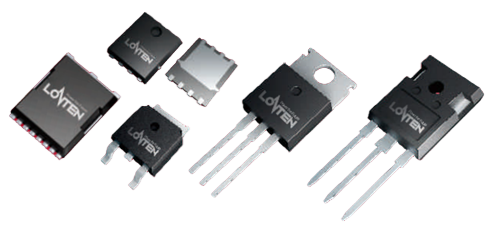
In high-frequency power conversion, gate drive losses represent one of the most significant and often underestimated sources of inefficiency in any MOSFET-based circuit. As switching frequencies climb into the hundreds of kilohertz or even megahertz ...
VIEW MORE
The field-stop profile is one of the most consequential structural variables in advanced IGBT wafer design. As power electronics continue to push toward higher switching frequencies and tighter thermal budgets, the way engineers shape the field-stop ...
VIEW MORE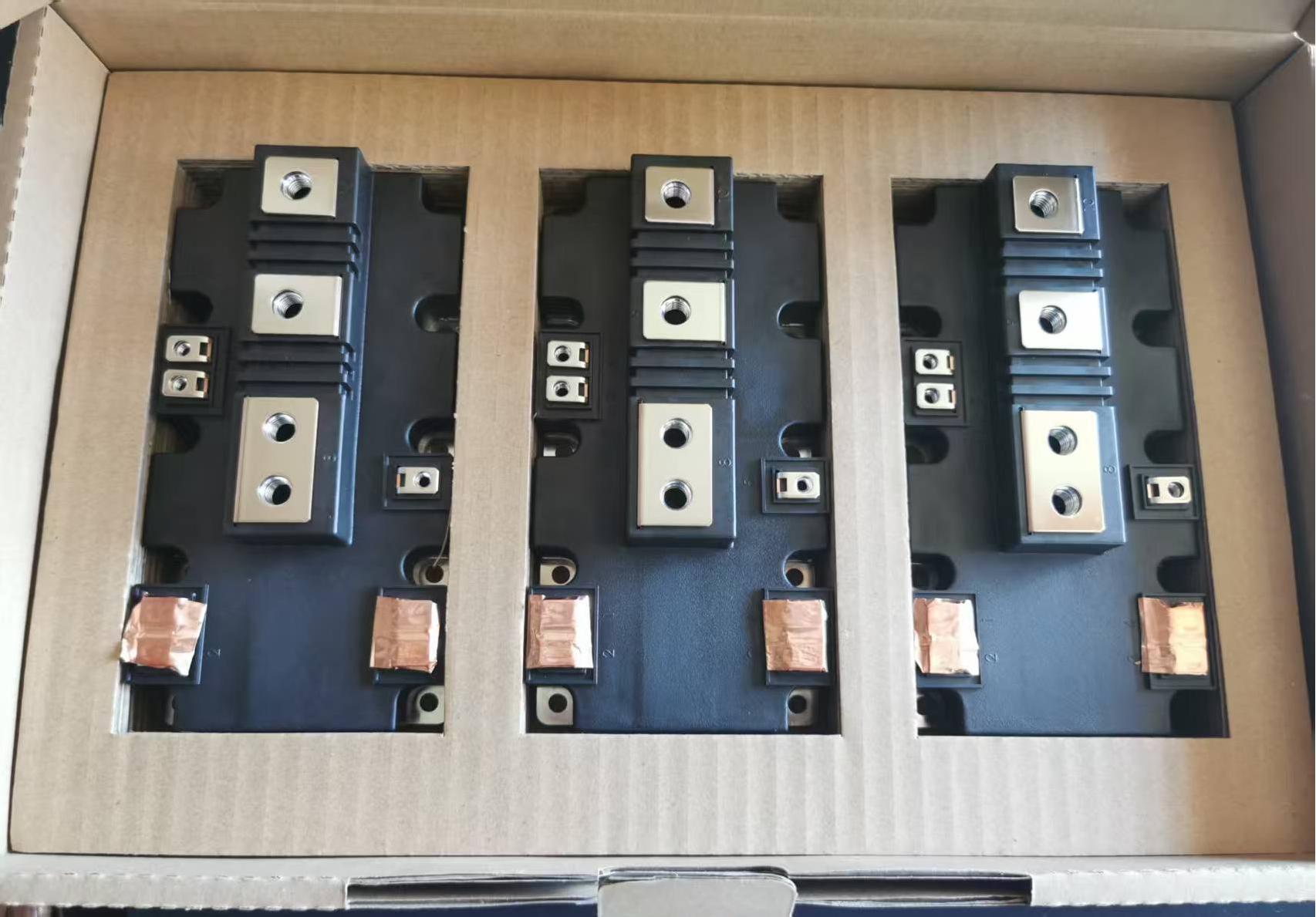
In high-power power electronics, the IGBT module plays a central role in controlling large currents and high voltages with precision. As switching frequencies increase and power densities grow, even small amounts of stray inductance within the IGBT m...
VIEW MORE EN
EN