
 EN
EN
The semiconductor industry has witnessed a significant shift toward domestically manufactured components, particularly in the realm of precision analog circuits. Domestic high-precision linear regulators have emerged as crucial components for engineers seeking reliable alternatives to imported solutions. These advanced semiconductor devices offer exceptional voltage regulation capabilities while maintaining the stringent performance standards required for modern electronic applications. The growing demand for locally sourced components has accelerated the development of sophisticated domestic high-precision linear regulators that can compete with international offerings.
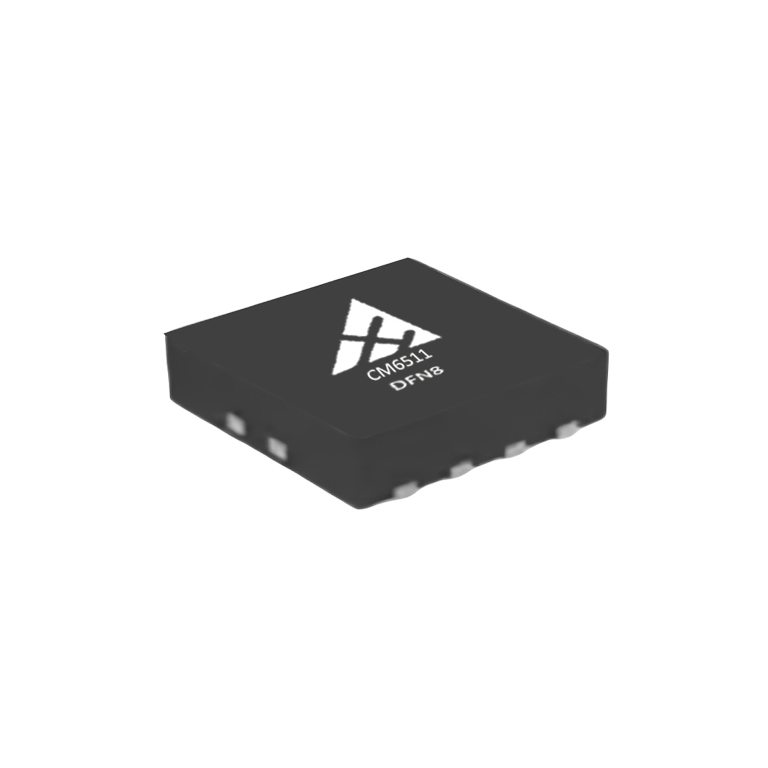
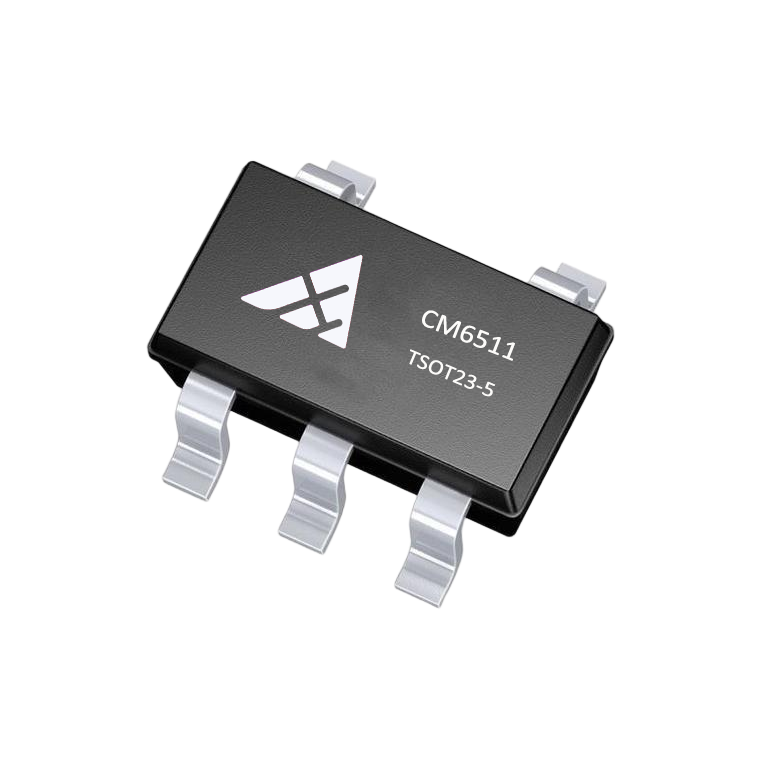
The technological advancement in domestic semiconductor manufacturing has enabled the production of linear regulators that match or exceed the performance characteristics of their imported counterparts. These components demonstrate exceptional line regulation, load regulation, and temperature stability across various operating conditions. The strategic importance of domestic high-precision linear regulators extends beyond mere component availability, encompassing supply chain security and technological independence for critical applications.
Technical Specifications and Performance Characteristics
Voltage Regulation Accuracy and Stability
Modern domestic high-precision linear regulators achieve remarkable voltage regulation accuracy, typically maintaining output voltage within ±0.1% across varying input conditions and load demands. The sophisticated feedback control mechanisms employed in these devices ensure minimal voltage drift over temperature ranges extending from -40°C to +125°C. Advanced process technologies enable these regulators to maintain exceptional long-term stability, with voltage reference drift typically less than 50ppm over 1000 hours of operation.
The line regulation performance of domestic high-precision linear regulators demonstrates impressive capabilities, with many devices achieving better than 0.01%/V regulation coefficients. This superior performance stems from innovative circuit topologies that effectively suppress input voltage variations while maintaining consistent output characteristics. Load regulation specifications often exceed 0.02% for full-scale load changes, ensuring stable operation across diverse application requirements.
Power Efficiency and Thermal Management
Energy efficiency considerations have become paramount in the design of domestic high-precision linear regulators, with modern devices incorporating advanced power management techniques to minimize quiescent current consumption. These regulators typically operate with quiescent currents below 100µA, making them suitable for battery-powered applications where power conservation is critical. The thermal design of these components includes sophisticated junction temperature monitoring and thermal shutdown protection mechanisms.
The power dissipation characteristics of domestic high-precision linear regulators have been optimized through careful selection of process technologies and circuit architectures. Many devices feature adaptive biasing circuits that automatically adjust internal power consumption based on load conditions, further enhancing overall system efficiency. Thermal resistance specifications typically range from 50°C/W to 150°C/W depending on package configurations, enabling effective heat management in compact designs.
Instrumentation Amplifier Integration and Applications
Signal Conditioning and Amplification Capabilities
The integration of instrumentation amplifiers with domestic high-precision linear regulators creates powerful signal conditioning solutions for precision measurement applications. These amplifier circuits demonstrate exceptional common-mode rejection ratios exceeding 120dB, enabling accurate signal acquisition in challenging electromagnetic environments. The combination of precise voltage regulation and high-performance amplification delivers superior measurement accuracy for sensor interface applications.
Instrumentation amplifiers paired with domestic high-precision linear regulators provide excellent noise performance, with typical input-referred noise densities below 10nV/√Hz. The carefully designed input stages minimize offset voltage and drift, ensuring long-term measurement stability. Gain accuracy specifications often achieve better than 0.1% over the full operating temperature range, making these solutions ideal for precision instrumentation applications.
Sensor Interface and Data Acquisition Systems
Modern data acquisition systems increasingly rely on domestic high-precision linear regulators to power critical analog front-end circuits. These regulators provide the stable reference voltages required for high-resolution analog-to-digital converters, ensuring optimal conversion accuracy. The low-noise characteristics of these devices minimize interference with sensitive sensor signals, particularly in applications involving strain gauges, thermocouples, and pressure transducers.
The bandwidth characteristics of instrumentation amplifiers powered by domestic high-precision linear regulators typically extend well beyond 1MHz, enabling accurate processing of dynamic sensor signals. Slew rate specifications often exceed 10V/µs, ensuring faithful reproduction of rapidly changing input signals. The combination of wide bandwidth and high precision makes these solutions particularly valuable for industrial automation and process control applications.
Low-Power Design Methodologies and Optimization
Advanced Power Management Techniques
The implementation of low-power design principles in domestic high-precision linear regulators involves sophisticated circuit techniques that minimize power consumption without compromising performance. These designs often incorporate adaptive bias circuits that automatically adjust internal operating points based on load conditions. Sleep and shutdown modes enable system-level power management, with wake-up times typically under 100µs for rapid response to changing operational requirements.
Power management optimization in domestic high-precision linear regulators extends to intelligent load sensing capabilities that can detect and respond to varying current demands. Some advanced devices feature programmable output voltage settings that allow system designers to optimize power efficiency for specific application requirements. The integration of power-good indicators and fault detection mechanisms provides comprehensive system monitoring capabilities.
Battery-Powered and Portable Applications
The growing demand for portable and battery-powered instrumentation has driven significant innovations in low-power domestic high-precision linear regulators. These devices often feature ultra-low dropout voltages, typically below 200mV, maximizing the usable battery voltage range. Advanced battery monitoring capabilities enable intelligent power management strategies that extend operational life while maintaining measurement accuracy.
Energy harvesting applications represent an emerging market for domestic high-precision linear regulators, with specialized designs capable of operating from intermittent power sources. These regulators incorporate sophisticated power sequencing and energy storage management features that enable continuous operation during power interruptions. The combination of low quiescent current and efficient power conversion makes these solutions ideal for remote monitoring and wireless sensor applications.
Import Substitution and Supply Chain Advantages
Strategic Independence and Availability
The development of domestic high-precision linear regulators addresses critical supply chain vulnerabilities that have affected many industries relying on imported components. Local manufacturing capabilities ensure consistent availability and shorter lead times compared to international suppliers. The strategic importance of domestic semiconductor production extends beyond immediate supply considerations to encompass long-term technological sovereignty and innovation capacity.
Cost advantages associated with domestic high-precision linear regulators often include reduced logistics expenses and simplified procurement processes. Local technical support and application engineering resources provide enhanced customer service compared to overseas suppliers. The ability to customize designs for specific regional requirements offers additional value propositions that may not be available from international component manufacturers.
Quality Assurance and Reliability Standards
Domestic manufacturing of high-precision linear regulators enables implementation of stringent quality control processes tailored to local market requirements and regulatory standards. Advanced testing methodologies ensure comprehensive characterization of device performance across all specified operating conditions. The implementation of statistical process control techniques provides consistent device-to-device performance variations well within specified tolerances.
Reliability testing programs for domestic high-precision linear regulators often exceed industry standard requirements, with extensive accelerated aging studies and environmental stress testing. The resulting failure rate data demonstrates Mean Time Between Failure (MTBF) values exceeding 1 million hours under normal operating conditions. These reliability metrics provide confidence for mission-critical applications where component failure could result in significant operational consequences.
Application Examples and Implementation Guidelines
Industrial Process Control Systems
Industrial automation systems represent a significant application area for domestic high-precision linear regulators, particularly in process control environments where measurement accuracy is paramount. These regulators provide stable reference voltages for analog signal conditioning circuits that interface with various industrial sensors. The robust design characteristics enable reliable operation in harsh industrial environments with wide temperature variations and electromagnetic interference.
Implementation of domestic high-precision linear regulators in industrial control systems requires careful consideration of thermal management and electromagnetic compatibility requirements. Proper grounding techniques and power supply decoupling strategies ensure optimal performance in electrically noisy environments. The selection of appropriate package types and thermal interface materials enables effective heat dissipation in compact control panel installations.
Medical and Scientific Instrumentation
The medical device industry has shown increasing interest in domestic high-precision linear regulators due to their exceptional accuracy and reliability characteristics. These components enable the development of sophisticated diagnostic equipment that requires precise voltage references for accurate measurements. The low-noise performance of domestic regulators is particularly valuable in applications involving bioelectric signal acquisition where measurement sensitivity is critical.
Scientific instrumentation applications benefit from the long-term stability characteristics of domestic high-precision linear regulators, which maintain calibration accuracy over extended periods. The implementation of these devices in laboratory equipment ensures consistent measurement results across multiple test sessions. Advanced features such as remote voltage sensing and output voltage monitoring provide enhanced functionality for sophisticated measurement systems.
Future Development Trends and Market Outlook
Emerging Technologies and Innovation
The continued evolution of domestic high-precision linear regulators focuses on integration of advanced digital control features that enhance functionality and user interface capabilities. Smart regulator designs incorporate microcontroller interfaces that enable real-time monitoring and adjustment of operating parameters. The integration of built-in diagnostic capabilities provides predictive maintenance information that can prevent system failures.
Advanced packaging technologies are enabling higher levels of integration for domestic high-precision linear regulators, with system-in-package solutions that combine multiple functions in compact form factors. The development of wide bandgap semiconductor materials promises improved efficiency and higher operating temperature capabilities. These technological advances position domestic regulators at the forefront of precision analog circuit innovation.
Market Growth and Competitive Positioning
The market demand for domestic high-precision linear regulators continues to grow driven by increasing emphasis on supply chain security and local sourcing preferences. Government policies supporting domestic semiconductor development provide favorable conditions for continued innovation and market expansion. The competitive positioning of domestic manufacturers has strengthened significantly through investments in research and development capabilities.
Export opportunities for domestic high-precision linear regulators are expanding as international customers recognize the quality and cost advantages of locally manufactured components. The establishment of international sales and support networks enables broader market penetration beyond domestic applications. Strategic partnerships with global equipment manufacturers provide additional channels for technology dissemination and market growth.
FAQ
What are the key advantages of domestic high-precision linear regulators compared to imported alternatives
Domestic high-precision linear regulators offer several significant advantages including shorter lead times, reduced supply chain risks, local technical support, and competitive pricing. These devices meet or exceed the performance specifications of imported components while providing enhanced availability and customization options. The strategic benefits include reduced dependence on foreign suppliers and improved supply chain security for critical applications.
How do instrumentation amplifiers integrate with domestic linear regulators for optimal performance
The integration of instrumentation amplifiers with domestic high-precision linear regulators creates synergistic benefits through matched performance characteristics and optimized power supply rejection. The low-noise characteristics of domestic regulators complement the high-gain, low-offset performance of instrumentation amplifiers. This combination delivers superior signal-to-noise ratios and measurement accuracy for precision applications.
What power consumption levels can be achieved with low-power domestic linear regulators
Modern low-power domestic high-precision linear regulators typically achieve quiescent current consumption below 100µA, with some advanced designs operating at levels below 10µA. These ultra-low power characteristics enable battery-powered applications with extended operational life. The implementation of intelligent power management features further reduces overall system power consumption through adaptive operation modes.
Are domestic high-precision linear regulators suitable for harsh environmental conditions
Domestic high-precision linear regulators are designed to operate reliably across extended temperature ranges from -40°C to +125°C with comprehensive protection features. These devices incorporate robust ESD protection, thermal shutdown, and overcurrent limiting to ensure safe operation in challenging environments. Military and automotive grade versions provide enhanced environmental resistance for extreme operating conditions.
Table of Contents
- Technical Specifications and Performance Characteristics
- Instrumentation Amplifier Integration and Applications
- Low-Power Design Methodologies and Optimization
- Import Substitution and Supply Chain Advantages
- Application Examples and Implementation Guidelines
- Future Development Trends and Market Outlook
-
FAQ
- What are the key advantages of domestic high-precision linear regulators compared to imported alternatives
- How do instrumentation amplifiers integrate with domestic linear regulators for optimal performance
- What power consumption levels can be achieved with low-power domestic linear regulators
- Are domestic high-precision linear regulators suitable for harsh environmental conditions