
 EN
EN
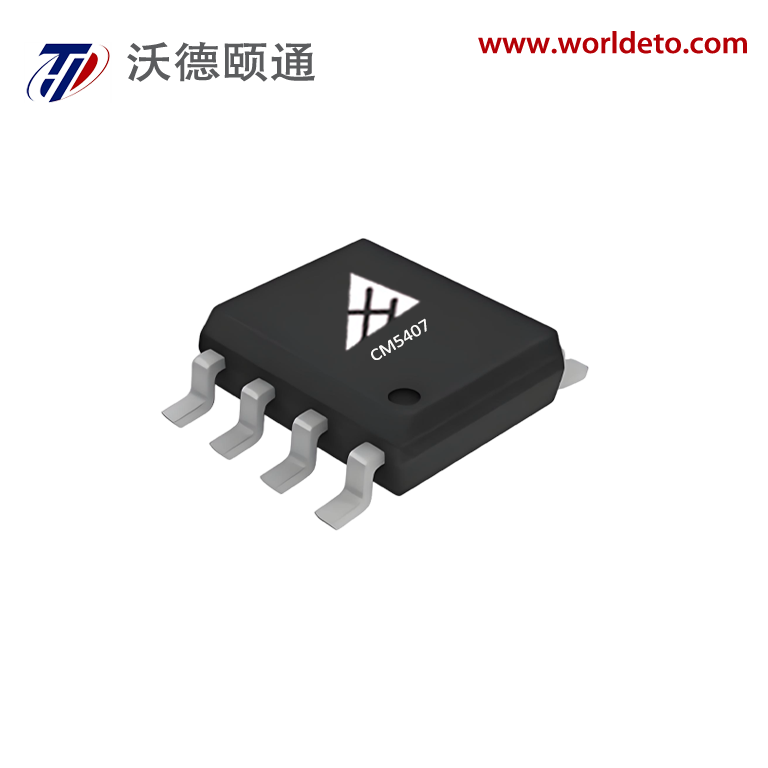
Industrial automation and control systems demand unwavering accuracy and reliability to ensure optimal performance across diverse operating conditions. At the heart of these sophisticated systems lie critical components that provide stable power management and precise signal conditioning. Among these essential elements, precision voltage references and low-dropout regulators stand as fundamental building blocks that enable consistent operation in challenging industrial environments. These components work together to maintain system integrity, reduce noise interference, and deliver the exacting performance standards required in modern manufacturing, process control, and monitoring applications.
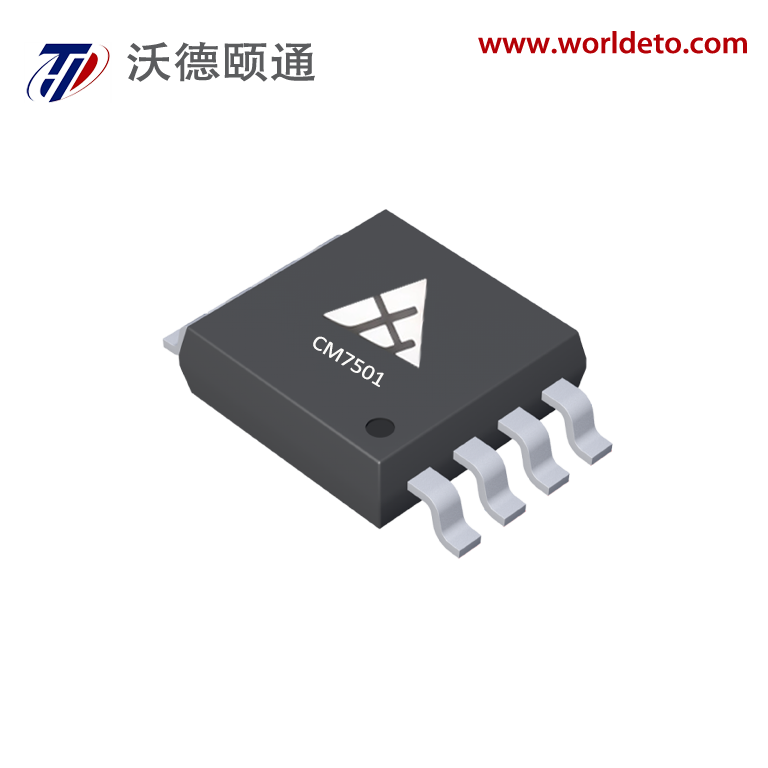
The complexity of industrial systems continues to grow as manufacturers seek greater efficiency, enhanced monitoring capabilities, and improved safety protocols. This evolution places increasingly stringent demands on the underlying electronic infrastructure, particularly the power management subsystems that support analog-to-digital converters, sensor interfaces, and communication modules. When system designers specify components for these applications, they must carefully balance performance characteristics such as temperature stability, long-term drift, noise rejection, and load regulation to ensure reliable operation throughout the product lifecycle.
Understanding Precision Voltage References in Industrial Context
Fundamental Principles and Operating Characteristics
Precision voltage references serve as the cornerstone for accurate measurement and control systems by providing stable, well-defined output voltages that remain consistent despite variations in temperature, supply voltage, and load conditions. These specialized components utilize advanced semiconductor technologies and circuit topologies to achieve exceptional stability and low drift characteristics essential for maintaining measurement accuracy over extended periods. The performance of these references directly impacts the overall system accuracy, making their selection and implementation critical decisions in industrial design processes.
Temperature coefficient represents one of the most crucial specifications for industrial applications, as these systems often operate across wide temperature ranges spanning from frigid outdoor installations to high-heat manufacturing environments. Modern precision voltage references achieve temperature coefficients as low as 2-5 parts per million per degree Celsius, ensuring measurement accuracy remains within acceptable tolerances throughout the operating range. This stability enables consistent performance in applications ranging from process monitoring sensors to calibration equipment used in quality control systems.
Implementation Strategies for Maximum Performance
Successful implementation of precision voltage references requires careful attention to circuit layout, thermal management, and electromagnetic interference mitigation. Engineers must consider factors such as ground plane design, supply filtering, and component placement to maximize the inherent performance capabilities of these sensitive devices. Proper decoupling techniques and low-noise power supply design become particularly important when working with high-precision references that can detect and respond to minute voltage variations.
Load regulation characteristics also play a vital role in determining overall system performance, as industrial applications often involve varying current demands from connected circuitry. High-quality precision voltage references maintain excellent load regulation through sophisticated internal compensation schemes and output buffer architectures. These design features ensure that voltage accuracy remains stable regardless of changes in output current requirements, providing consistent reference levels for analog-to-digital converters and other precision circuits throughout the system.
Low-Dropout Regulator Technologies for Industrial Systems
Advanced Circuit Topologies and Performance Benefits
Low-dropout regulators represent another essential component category for industrial power management, offering the ability to maintain regulated output voltages even when input supply voltages approach the desired output levels. This capability proves invaluable in battery-powered systems, distributed power architectures, and applications where supply voltages may vary due to cable losses or fluctuating source conditions. Modern LDO regulators achieve dropout voltages below 100 millivolts while maintaining excellent line and load regulation characteristics.
The internal architecture of contemporary LDO regulators incorporates sophisticated control loops and compensation networks that provide fast transient response and excellent power supply rejection ratio performance. These features become particularly important in industrial environments where electrical noise from motors, switching power supplies, and other high-power equipment can interfere with sensitive analog circuits. Advanced LDO designs can achieve power supply rejection ratios exceeding 70 decibels across critical frequency ranges, effectively isolating downstream circuits from supply-borne interference.
Thermal Management and Reliability Considerations
Industrial applications often subject electronic components to challenging thermal environments that can significantly impact performance and reliability over time. LDO regulators must dissipate heat generated by the voltage drop across their internal pass elements, making thermal design a critical consideration in system implementation. Engineers must carefully evaluate power dissipation requirements, select appropriate package types, and implement adequate heat sinking to ensure reliable long-term operation.
Junction temperature ratings and thermal resistance specifications directly influence the maximum allowable power dissipation and output current capabilities under specific operating conditions. High-performance industrial LDO regulators often incorporate thermal shutdown protection and current limiting features that prevent damage during fault conditions or thermal overload situations. These protective mechanisms enhance system reliability while allowing designers to implement robust power management solutions that can withstand the demanding conditions encountered in industrial environments.
System Integration and Design Optimization
Coordinated Power Management Architectures
Effective integration of precision voltage references and LDO regulators requires a systematic approach that considers the interactions between different power management subsystems within the overall design. Engineers must evaluate supply sequencing requirements, establish appropriate power distribution hierarchies, and implement monitoring circuits that can detect and respond to fault conditions. This coordinated approach ensures that all subsystems receive clean, stable power while maintaining the flexibility to shut down or restart individual sections as needed for maintenance or fault recovery.
Power supply rejection and crosstalk mitigation become increasingly important as system complexity grows and circuit densities increase. Careful partitioning of analog and digital power domains, combined with strategic placement of filtering components and isolation techniques, helps maintain the signal integrity required for precision measurements and control functions. Modern industrial systems often employ multiple voltage rails with different accuracy and noise requirements, necessitating thoughtful selection and placement of precision voltage references and specialized LDO regulators for each application.
Performance Validation and Testing Methodologies
Comprehensive testing and validation procedures ensure that precision voltage references and LDO regulators meet their specified performance criteria under actual operating conditions. This process typically involves environmental testing across temperature and humidity ranges, long-term stability measurements, and evaluation of performance under various load conditions. Automated test equipment and statistical analysis techniques help identify potential reliability issues and validate design margins before full-scale production deployment.
Accelerated aging tests and burn-in procedures provide additional confidence in long-term reliability predictions, particularly important for industrial applications where equipment may operate continuously for years without maintenance opportunities. These validation activities help establish realistic performance expectations and identify any design modifications needed to meet specific application requirements. Documentation of test results and performance characteristics also supports maintenance planning and troubleshooting activities throughout the system lifecycle.
Emerging Technologies and Future Developments
Advanced Semiconductor Processes and Integration Trends
The continuing evolution of semiconductor manufacturing processes enables the development of increasingly sophisticated precision voltage references and LDO regulators with enhanced performance characteristics and reduced size requirements. Advanced silicon-on-insulator processes, specialized bipolar technologies, and innovative packaging approaches contribute to improved accuracy, lower noise, and better thermal performance in compact form factors suitable for space-constrained industrial applications.
Integration trends toward system-on-chip and system-in-package solutions offer opportunities to combine multiple precision voltage references, LDO regulators, and supporting circuitry within single components. These highly integrated approaches can reduce board space requirements, improve matching between related circuits, and simplify design and manufacturing processes. However, they also require careful evaluation of thermal interactions, substrate coupling effects, and potential compromises in individual circuit performance that may result from integration constraints.
Smart Power Management and Adaptive Control
Future generations of precision power management components increasingly incorporate digital control and monitoring capabilities that enable adaptive operation and enhanced diagnostic features. Smart voltage references can adjust their output characteristics based on temperature measurements, load conditions, or external control signals, potentially achieving better overall performance than traditional fixed-output devices. Similarly, digitally controlled LDO regulators can optimize their operating parameters in real-time to minimize power consumption while maintaining required performance levels.
These advanced control capabilities also enable remote monitoring and predictive maintenance approaches that can identify potential component degradation or system issues before they impact overall performance. Integration with industrial communication protocols and cloud-based monitoring systems provides unprecedented visibility into power management subsystem operation, supporting proactive maintenance strategies and improved system availability. As these technologies mature, they promise to revolutionize the way engineers design and maintain industrial power management systems.
FAQ
What factors should be considered when selecting precision voltage references for industrial temperature ranges
When selecting precision voltage references for industrial applications, engineers should prioritize temperature coefficient specifications, typically seeking devices with coefficients below 10 parts per million per degree Celsius for critical applications. Operating temperature range, package thermal characteristics, and long-term stability specifications also significantly impact performance. Additionally, consider supply voltage requirements, output noise characteristics, and load regulation capabilities to ensure compatibility with downstream circuits and maintain accuracy throughout the expected operating conditions.
How do LDO regulators compare to switching regulators for industrial precision applications
LDO regulators offer superior noise performance and simpler implementation compared to switching regulators, making them ideal for precision analog circuits and noise-sensitive applications. They provide excellent line and load regulation with minimal output ripple, though at the cost of higher power dissipation due to linear operation. Switching regulators offer better efficiency but introduce switching noise that may require additional filtering for precision applications. The choice depends on power requirements, noise sensitivity, and thermal constraints of the specific application.
What are the key reliability considerations for precision power management components in industrial environments
Industrial reliability requires careful evaluation of operating temperature ranges, thermal cycling stress, humidity exposure, and potential contamination from industrial processes. Component selection should emphasize automotive-qualified or industrial-grade devices with appropriate temperature ratings and robust package construction. Thermal management, proper PCB layout, and adequate derating practices significantly impact long-term reliability. Additionally, consider components with built-in protection features such as thermal shutdown, overcurrent limiting, and reverse voltage protection to enhance system robustness.
How can electromagnetic interference be minimized in precision voltage reference applications
EMI mitigation requires comprehensive shielding strategies including proper ground plane design, strategic placement of decoupling capacitors, and careful routing of sensitive signal traces. Use low-ESR ceramic capacitors for high-frequency decoupling and tantalum or film capacitors for lower frequencies. Implement adequate separation between switching circuits and precision analog sections, and consider using ferrite beads or EMI filters on supply lines. Proper enclosure design with appropriate shielding materials and filtered connectors also contributes to overall EMI performance in industrial environments.
Table of Contents
- Understanding Precision Voltage References in Industrial Context
- Low-Dropout Regulator Technologies for Industrial Systems
- System Integration and Design Optimization
- Emerging Technologies and Future Developments
-
FAQ
- What factors should be considered when selecting precision voltage references for industrial temperature ranges
- How do LDO regulators compare to switching regulators for industrial precision applications
- What are the key reliability considerations for precision power management components in industrial environments
- How can electromagnetic interference be minimized in precision voltage reference applications