
 EN
EN

Wind power generation demands robust and efficient power conversion technologies to deliver reliable energy to the grid. An IGCT module for wind power plays a central role in converting and controlling the electrical output from wind turbines, making the selection of the right component critical to overall system performance. Choosing an appropriate IGCT module for wind power requires understanding voltage ratings, current capacity, thermal management capabilities, and application-specific requirements that directly impact energy conversion efficiency and operational reliability.
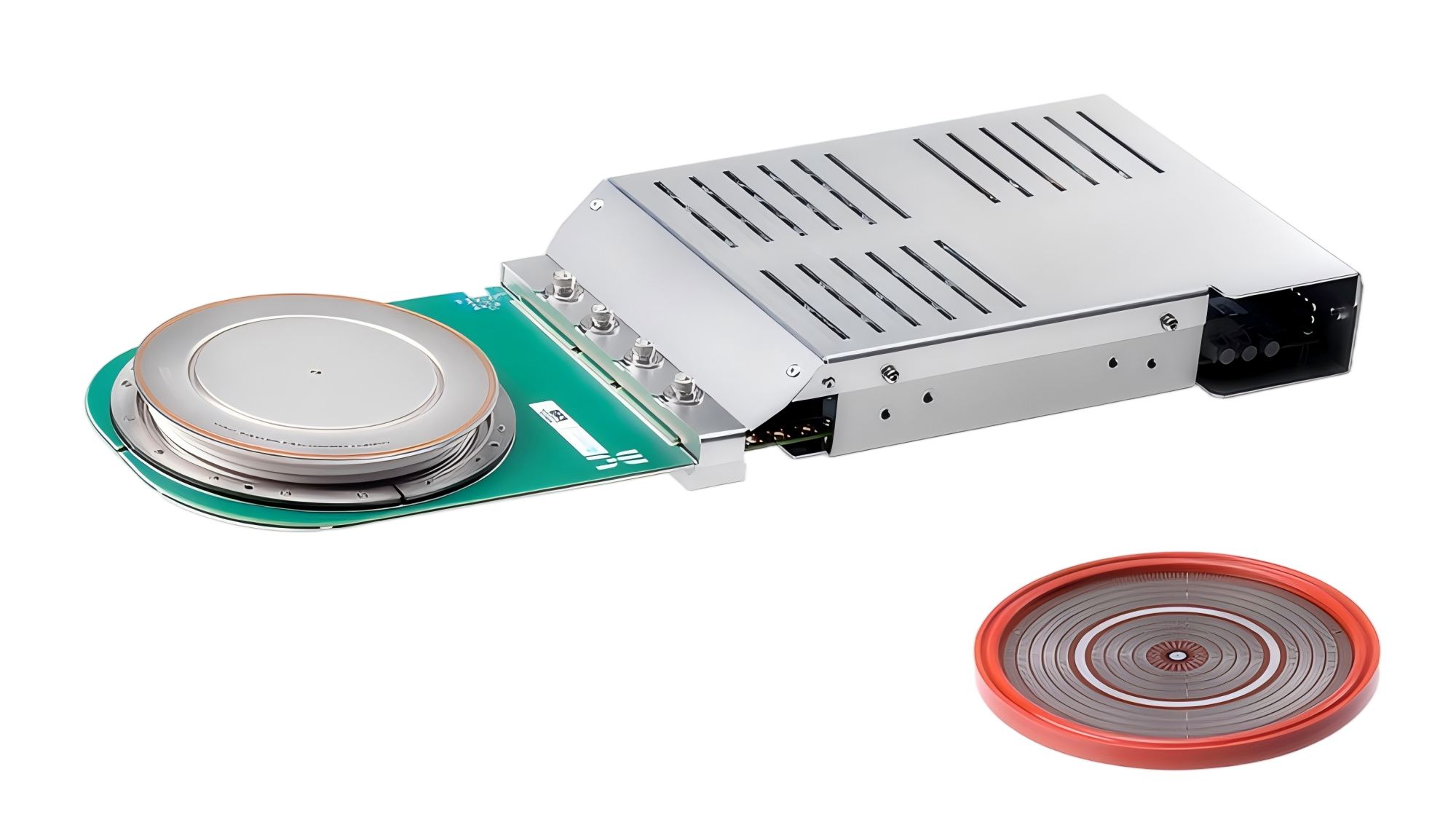
The IGCT module for wind power has emerged as a preferred choice in modern wind energy systems because of its superior switching performance, fast recovery characteristics, and ability to handle large power levels efficiently. Wind turbine manufacturers and system designers recognize that selecting the wrong IGCT module for wind power can lead to reduced efficiency, increased losses, thermal stress, and accelerated component wear. This guide explores the essential factors that guide proper IGCT module for wind power selection, helping engineers and procurement teams make informed decisions aligned with their turbine specifications and grid requirements.
Understanding IGCT Module Specifications for Wind Power Applications
Voltage and Current Ratings
The voltage rating of an IGCT module for wind power determines the maximum DC link voltage the device can block safely. Modern wind turbines operate at varying DC link voltages, typically ranging from 1200 volts to 6500 volts, depending on turbine capacity and converter topology. An undersized IGCT module for wind power rating exposes the device to stress and failure risk, while oversizing increases system cost and volume unnecessarily. Current capacity represents the maximum continuous current an IGCT module for wind power can conduct during normal operation. Wind turbines with higher megawatt ratings require higher current-handling capability from the IGCT module for wind power to avoid excessive power dissipation and thermal buildup.
Switching Frequency and Loss Performance
An IGCT module for wind power operates at switching frequencies typically between 500 hertz and 2000 hertz in modern applications. Higher switching frequency reduces output harmonics and improves power quality but increases switching losses within the IGCT module for wind power. The turn-on and turn-off characteristics of an IGCT module for wind power directly affect converter efficiency and thermal stress on the component. Engineers must balance switching frequency demands with the thermal dissipation capability of their chosen IGCT module for wind power to maintain safe junction temperatures and acceptable efficiency levels.
Thermal Management and Reliability Considerations
Heat Dissipation Pathways
Effective heat removal from an IGCT module for wind power is essential for maintaining safe operating temperatures and extending device life. The thermal resistance pathway includes junction-to-case resistance, case-to-heatsink interface resistance, and heatsink-to-ambient capability. An IGCT module for wind power with lower thermal resistance reduces the temperature difference between the junction and the cooling medium, allowing higher power throughput before reaching maximum junction temperature limits. Wind power systems typically incorporate liquid cooling or advanced air cooling solutions to manage the thermal output generated by high-power IGCT modules for wind power, particularly in megawatt-scale applications.
Reliability and Thermal Cycling
Wind turbines experience continuous thermal cycling due to variable wind speeds and load conditions throughout their operational life. Each thermal cycle stresses the IGCT module for wind power package materials and solder interconnections, potentially accelerating degradation and reducing service life. Manufacturers specify the thermal cycling capability of each IGCT module for wind power, indicating how many temperature cycles the device can endure before failure probability increases significantly. Selecting an IGCT module for wind power with proven thermal cycling robustness ensures the converter maintains performance over the intended turbine lifetime, typically 20 to 25 years for land-based installations.
Application-Specific Requirements and Integration Factors
Converter Topology Compatibility
Wind turbine converters employ various topologies, including two-level, three-level neutral point clamped, and modular multilevel converters, each requiring different IGCT module for wind power specifications. A three-level converter topology demands IGCT modules for wind power with specific voltage blocking requirements and gate drive characteristics distinct from two-level applications. The choice of converter topology fundamentally shapes the IGCT module for wind power requirements, including voltage class, current rating, and switching speed expectations. Engineers must verify that candidate IGCT modules for wind power match the electrical and mechanical specifications demanded by their selected converter architecture.
Grid Connection Standards and Performance Requirements
Modern wind power systems must comply with grid connection standards and performance requirements established by transmission operators and regulatory bodies. An IGCT module for wind power must support fast dynamic response capabilities to help stabilize grid voltage and frequency during disturbances. The control bandwidth achievable with a specific IGCT module for wind power determines how quickly the converter can inject or absorb reactive power in response to grid events. Selecting an IGCT module for wind power with appropriate switching speed and loss characteristics enables the turbine to meet grid-support requirements while maintaining stable operation during variable wind conditions and grid transients.
FAQ
What voltage rating should an IGCT module for wind power have?
The voltage rating of an IGCT module for wind power must exceed the maximum DC link voltage in your wind turbine converter system. Most modern utility-scale turbines operate IGCT modules for wind power in the 1700-volt to 6500-volt range. Consult your converter design specifications to confirm the required voltage class for your IGCT module for wind power, ensuring adequate safety margin above peak operating voltage.
How does switching frequency affect IGCT module for wind power selection?
Higher switching frequency improves output waveform quality but increases losses within the IGCT module for wind power and requires better thermal management. An IGCT module for wind power must be rated for your intended switching frequency to avoid excessive conduction and switching losses. Verify that the IGCT module for wind power datasheet supports your target frequency range and confirms acceptable loss levels under your power level and duty cycle.
Why is thermal cycling performance critical for an IGCT module for wind power?
Wind turbines experience continuous thermal cycling that stresses the IGCT module for wind power package materials and internal connections. An IGCT module for wind power with superior thermal cycling capability withstands these repeated temperature transitions better and maintains longer operational life. Choosing an IGCT module for wind power with high thermal cycling robustness reduces replacement frequency and supports extended turbine availability over its 20-25 year design lifetime.