Precision Instrumentation Amplifier: Advanced Signal Conditioning Solutions for Critical Measurement Applications

All Categories
Get a Quote

Get a Free Quote

Our representative will contact you soon.
Email
Name
Company Name
Message
0/1000

precision instrumentation amplifier

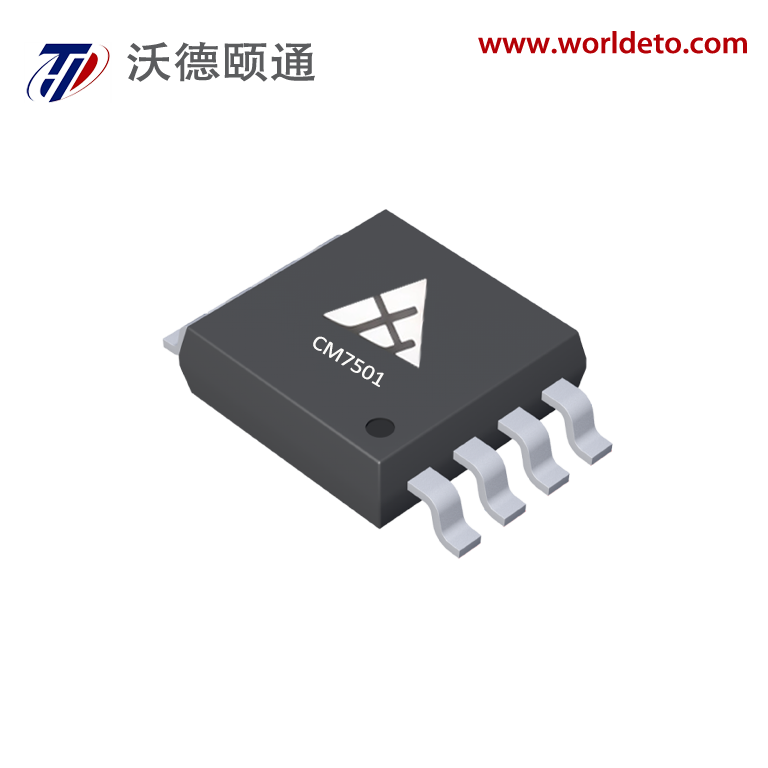
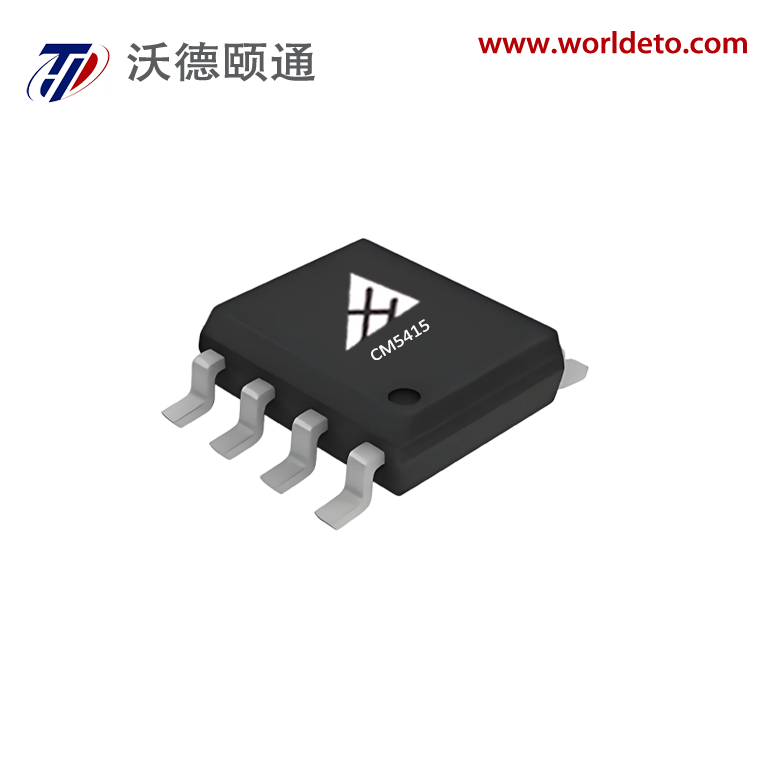
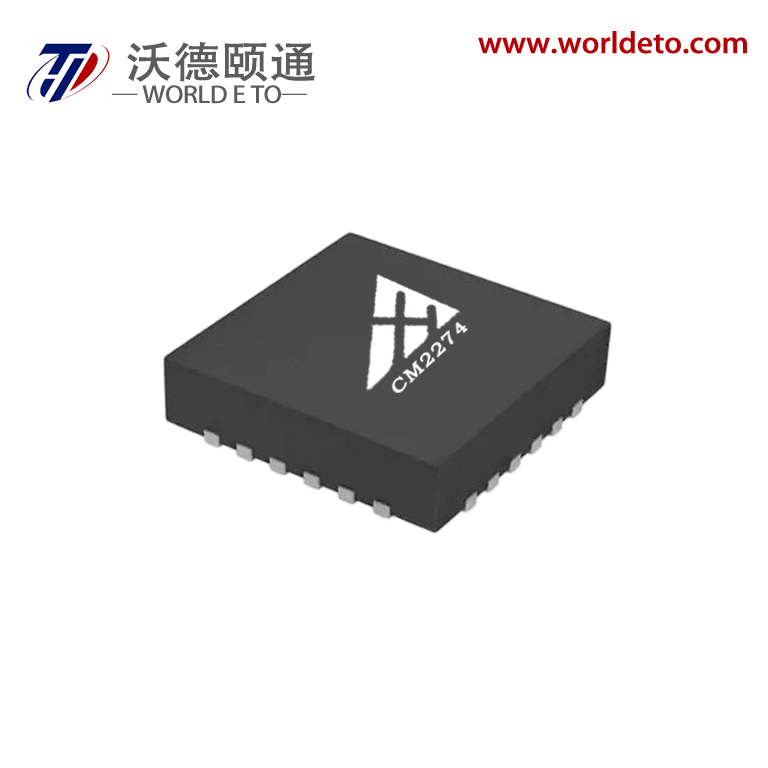
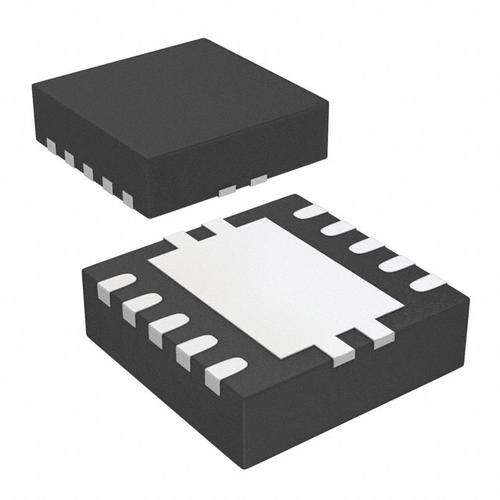
A precision instrumentation amplifier represents a specialized electronic component designed to amplify small differential signals while rejecting common-mode noise and interference. This sophisticated device serves as the cornerstone of modern measurement systems, providing exceptional accuracy and stability in signal conditioning applications. The precision instrumentation amplifier operates by accepting two input signals and amplifying only the difference between them, effectively eliminating unwanted noise that appears equally on both inputs. This fundamental characteristic makes it indispensable for applications requiring high measurement accuracy and signal integrity. The device incorporates multiple operational amplifiers in a carefully designed configuration that maximizes performance while minimizing errors. Advanced precision instrumentation amplifiers feature ultra-low offset voltages, minimal drift characteristics, and exceptional common-mode rejection ratios that can exceed 120 decibels. These technical specifications translate into real-world benefits for engineers and system designers who demand reliable signal processing capabilities. The amplifier's ability to maintain consistent performance across varying temperature conditions and extended operating periods ensures long-term measurement reliability. Modern precision instrumentation amplifiers integrate sophisticated features such as programmable gain settings, built-in filtering capabilities, and digital interfaces that simplify system integration. The versatility of these devices extends across numerous industries, from medical equipment manufacturing to industrial automation systems. In medical applications, precision instrumentation amplifiers enable accurate biopotential measurements for electrocardiograms and other diagnostic equipment. Industrial process control systems rely on these amplifiers to convert sensor outputs into usable signals for monitoring critical parameters such as temperature, pressure, and flow rates. The automotive industry utilizes precision instrumentation amplifiers in advanced safety systems and engine management applications where accurate sensor data processing is essential for optimal performance and safety compliance.

New Product Releases

Precision instrumentation amplifiers deliver exceptional performance benefits that directly impact system reliability and measurement accuracy. These advanced components provide superior noise rejection capabilities, ensuring clean signal processing even in electrically noisy environments. The high common-mode rejection ratio eliminates interference from power lines, electromagnetic fields, and other sources that typically compromise measurement quality. This characteristic proves invaluable for applications where sensors operate in harsh industrial environments or medical settings where electrical interference could affect critical measurements. The amplifiers maintain excellent linearity across their entire operating range, providing consistent and predictable output responses that engineers can rely upon for accurate system calibration. Temperature stability represents another significant advantage, as precision instrumentation amplifiers incorporate compensation circuits that minimize drift effects caused by environmental temperature variations. This stability ensures consistent performance across wide temperature ranges without requiring frequent recalibration procedures. The low input bias current characteristics of these amplifiers prevent loading effects on high-impedance signal sources, maintaining signal integrity from the sensor through the entire signal chain. Programmable gain features allow engineers to optimize signal levels for different measurement ranges without hardware modifications, reducing design complexity and improving system flexibility. The wide bandwidth capabilities of modern precision instrumentation amplifiers support high-frequency signal processing applications while maintaining excellent phase accuracy. Built-in protection circuits safeguard against overvoltage conditions and electrostatic discharge events that could damage sensitive components. The single-supply operation capability simplifies power supply design requirements and reduces system costs compared to dual-supply alternatives. Digital interfaces enable seamless integration with microcontroller-based systems, allowing software control of gain settings and other operational parameters. The compact package options available for precision instrumentation amplifiers facilitate dense circuit board layouts while maintaining thermal performance. These amplifiers offer excellent long-term stability, reducing maintenance requirements and extending system operational life. The wide supply voltage range accommodates various system power requirements without compromising performance specifications.

Latest News

How to Choose a Precision DAC: A Guide to Critical Specs and Top Domestic Models

24

Nov

How to Choose a Precision DAC: A Guide to Critical Specs and Top Domestic Models

In today's rapidly evolving electronics landscape, selecting the right precision DAC has become increasingly critical for engineers developing high-performance systems. A precision DAC serves as the crucial bridge between digital control systems and ...
View More
Accuracy, Drift, and Noise: The Key Specifications of Precision Voltage References

24

Nov

Accuracy, Drift, and Noise: The Key Specifications of Precision Voltage References

In the world of electronic circuit design and measurement systems, precision voltage references serve as the cornerstone for achieving accurate and reliable performance. These critical components provide stable reference voltages that enable precise ...
View More
From ADC to LDO: Complete High-Precision, Low-Power Domestic Chip Replacement Solutions

02

Feb

From ADC to LDO: Complete High-Precision, Low-Power Domestic Chip Replacement Solutions

The semiconductor industry faces unprecedented challenges as global supply chain disruptions and geopolitical tensions drive demand for reliable domestic chip replacement solutions. Companies across industries are increasingly seeking alternatives to...
View More
The Best Domestic Alternatives for High-Performance ADC and DAC Chips in 2026

03

Feb

The Best Domestic Alternatives for High-Performance ADC and DAC Chips in 2026

The semiconductor industry is experiencing unprecedented demand for high-performance analog-to-digital converter and digital-to-analog converter solutions, driving engineers and procurement teams to seek reliable domestic alternatives for ADC and DAC...
View More

Get a Free Quote

Our representative will contact you soon.
Email
Name
Company Name
Message
0/1000

precision instrumentation amplifier

Unmatched Signal Integrity and Noise Rejection

Unmatched Signal Integrity and Noise Rejection

The precision instrumentation amplifier excels in maintaining signal integrity through its advanced noise rejection capabilities, making it the preferred choice for critical measurement applications. This sophisticated device achieves common-mode rejection ratios exceeding 120 decibels, effectively eliminating unwanted interference that commonly affects measurement accuracy. The amplifier's differential input configuration naturally rejects noise signals that appear equally on both input terminals, while amplifying only the desired difference signal between inputs. This fundamental design principle proves essential in applications where sensors operate in electrically noisy environments, such as industrial manufacturing facilities with heavy machinery or medical environments with numerous electronic devices. The precision instrumentation amplifier incorporates multiple stages of filtering and signal conditioning that work together to preserve the original signal characteristics while removing unwanted noise components. Advanced shielding techniques and careful circuit layout minimize the amplifier's susceptibility to external electromagnetic interference, ensuring consistent performance even in challenging operating conditions. The device's ability to maintain signal integrity across wide frequency ranges makes it suitable for applications requiring both DC accuracy and AC signal processing capabilities. Engineers benefit from the amplifier's predictable frequency response characteristics that simplify system design and reduce the need for additional filtering components. The precision instrumentation amplifier's superior noise performance translates directly into improved measurement resolution, allowing detection of smaller signal changes that might otherwise be masked by noise. This enhanced sensitivity proves particularly valuable in scientific instrumentation, medical diagnostic equipment, and precision industrial control systems where small signal variations carry significant information. The amplifier's consistent noise characteristics across different gain settings provide design flexibility without compromising performance, enabling engineers to optimize system configurations for specific application requirements while maintaining excellent signal quality throughout the entire measurement chain.
Exceptional Temperature Stability and Long-Term Reliability

Exceptional Temperature Stability and Long-Term Reliability

Precision instrumentation amplifiers demonstrate remarkable temperature stability characteristics that ensure consistent performance across varying environmental conditions, making them ideal for applications requiring long-term measurement accuracy. These advanced devices incorporate sophisticated temperature compensation circuits that actively counteract the effects of thermal variations on critical specifications such as offset voltage, gain accuracy, and common-mode rejection ratio. The amplifier's ability to maintain stable operation across temperature ranges typically spanning from negative forty to positive eighty-five degrees Celsius ensures reliable performance in diverse application environments. This temperature stability proves essential for outdoor monitoring systems, automotive applications, and industrial process control equipment that must operate reliably despite significant temperature fluctuations. The precision instrumentation amplifier employs carefully matched internal components and advanced fabrication techniques that minimize temperature-related parameter variations, resulting in predictable and stable performance characteristics over extended operating periods. Engineers can rely on these amplifiers to maintain calibrated accuracy without frequent adjustment or compensation procedures, reducing maintenance requirements and operational costs. The device's exceptional long-term stability characteristics ensure that measurement systems retain their accuracy specifications over years of continuous operation, providing excellent return on investment for critical applications. Advanced precision instrumentation amplifiers incorporate drift compensation mechanisms that automatically adjust for aging effects and component parameter variations, further enhancing long-term reliability. The amplifier's robust design includes protection against thermal stress and electrical overstress conditions that could compromise reliability in demanding applications. Quality assurance procedures and extensive environmental testing ensure that each precision instrumentation amplifier meets stringent reliability standards before reaching customers. The combination of inherent design stability and comprehensive quality control processes results in amplifiers that consistently deliver specified performance throughout their operational lifetime, making them suitable for applications where system downtime could result in significant economic or safety consequences.
Versatile Integration and Application Flexibility

Versatile Integration and Application Flexibility

The precision instrumentation amplifier offers exceptional versatility in system integration, featuring programmable characteristics and interface options that adapt to diverse application requirements across multiple industries. Modern designs incorporate digital control interfaces that enable software-based configuration of gain settings, filter parameters, and operational modes, eliminating the need for hardware modifications when application requirements change. This programmable flexibility proves particularly valuable during product development phases where engineers must evaluate different configuration options without redesigning circuit boards or modifying hardware components. The amplifier's wide supply voltage range accommodates various system power architectures, from battery-powered portable devices to industrial systems with regulated power supplies, ensuring compatibility across different application domains. Single-supply operation capabilities simplify power system design while reducing component count and overall system costs compared to traditional dual-supply configurations. The precision instrumentation amplifier integrates seamlessly with modern microcontroller and digital signal processor systems through standardized communication protocols, enabling sophisticated system-level control and monitoring capabilities. Built-in diagnostic features provide real-time status information that supports predictive maintenance strategies and system health monitoring applications. The amplifier's compact package options facilitate dense circuit board layouts while maintaining excellent thermal performance characteristics, supporting miniaturization trends in modern electronic equipment design. Multiple gain range options allow engineers to optimize signal conditioning for specific sensor types and measurement ranges without external gain-setting components, reducing bill-of-materials costs and improving system reliability. The device's wide bandwidth capabilities support applications ranging from DC measurements to high-frequency signal processing, making it suitable for diverse measurement scenarios within a single system design. Comprehensive protection features including overvoltage protection, electrostatic discharge immunity, and thermal shutdown capabilities enhance system robustness and reduce the risk of field failures. The precision instrumentation amplifier's ability to interface directly with various sensor types including thermocouples, strain gauges, pressure sensors, and biomedical electrodes simplifies system architecture and reduces the need for additional signal conditioning components.


Get a Free Quote

Our representative will contact you soon.
Email
Name
Company Name
Message
0/1000