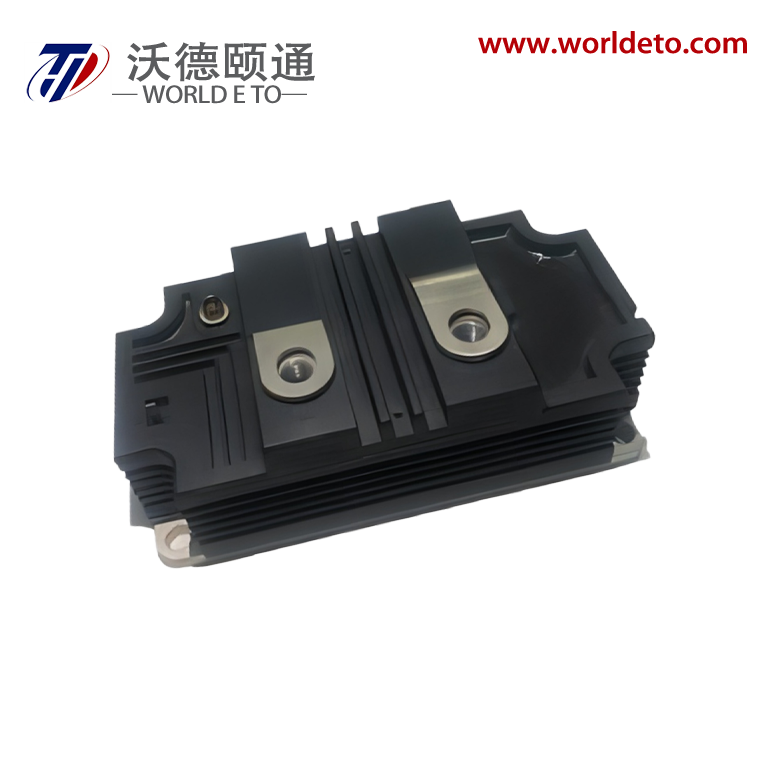
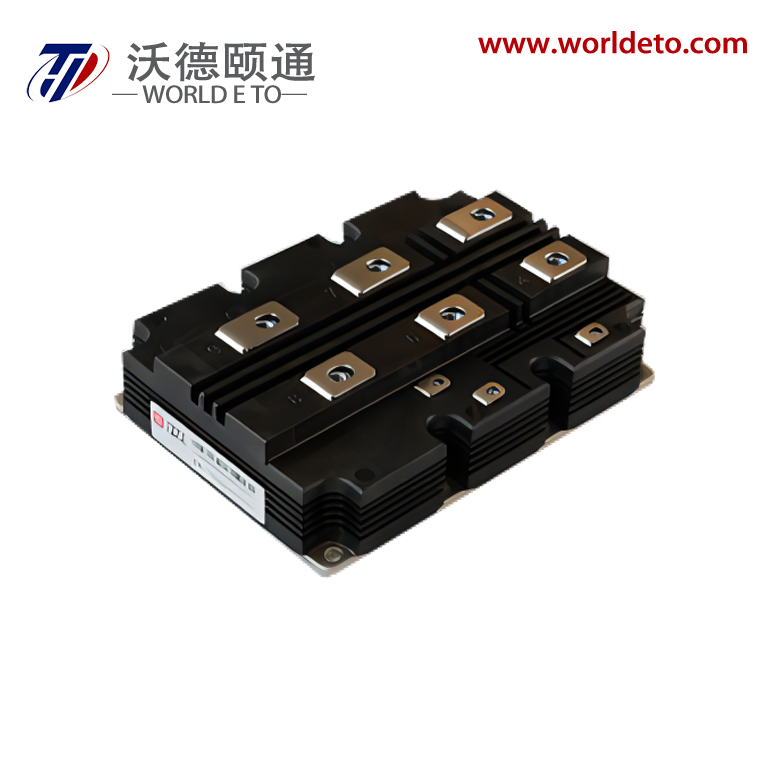
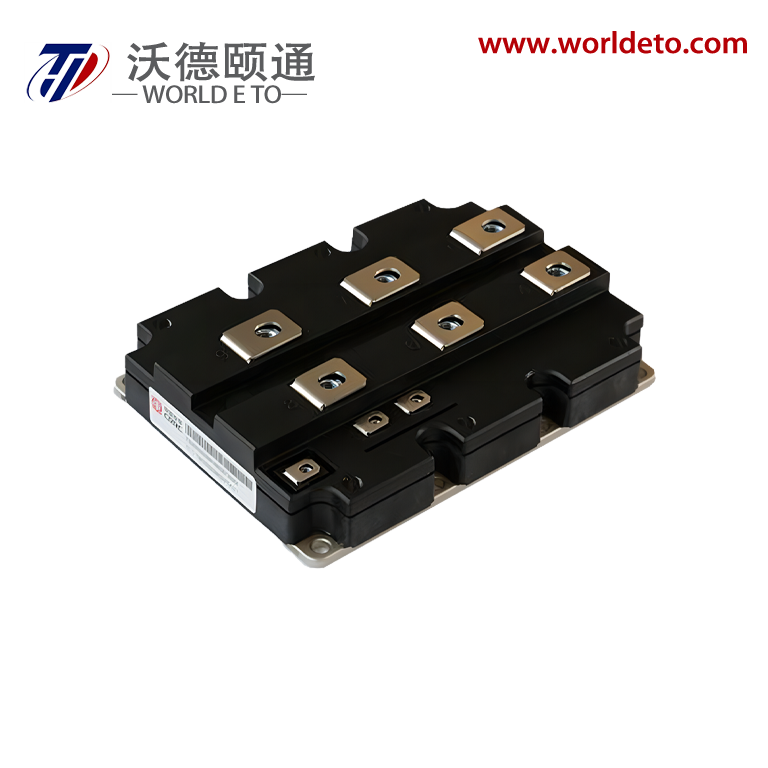
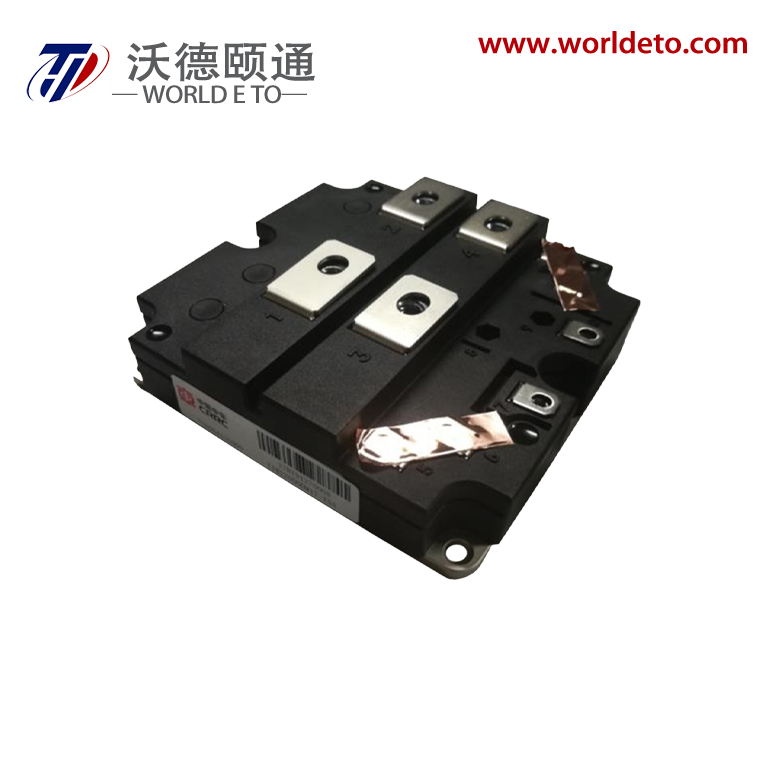
High Gain Instrumentation Amplifier: Precision Signal Conditioning Solutions for Industrial and Medical Applications

All Categories
Get a Quote

Get a Free Quote

Our representative will contact you soon.
Email
Name
Company Name
Message
0/1000

high gain instrumentation amplifier

A high gain instrumentation amplifier represents a sophisticated electronic component designed to amplify weak electrical signals while maintaining exceptional accuracy and noise rejection capabilities. This specialized device serves as a critical building block in precision measurement systems, medical equipment, and industrial monitoring applications where signal integrity remains paramount. The high gain instrumentation amplifier combines three operational amplifiers in a specific configuration that delivers superior performance characteristics compared to conventional amplification solutions. The primary function of a high gain instrumentation amplifier centers on amplifying differential input signals while effectively rejecting common-mode interference. This device excels at detecting minute voltage differences between two input terminals, making it invaluable for sensor signal conditioning and data acquisition systems. The amplifier's architecture incorporates matched components and careful circuit design to achieve exceptional common-mode rejection ratios, often exceeding 100 dB, ensuring that unwanted noise and interference do not compromise measurement accuracy. Key technological features of the high gain instrumentation amplifier include adjustable gain settings, typically ranging from 1 to 10,000 or higher, allowing users to customize amplification levels based on specific application requirements. These devices offer excellent linearity across their operating range, maintaining signal fidelity even when processing extremely small input voltages. Temperature stability represents another crucial characteristic, with premium models exhibiting minimal drift over wide temperature ranges, ensuring consistent performance in challenging environmental conditions. The input impedance of a high gain instrumentation amplifier typically measures in the megohm or gigohm range, preventing signal loading and preserving measurement accuracy when interfacing with high-impedance sources. Applications for high gain instrumentation amplifiers span numerous industries and technical disciplines. In medical equipment, these devices amplify bioelectric signals from ECG, EEG, and EMG measurements, enabling healthcare professionals to monitor patient vital signs accurately. Industrial process control systems rely on high gain instrumentation amplifiers to condition signals from temperature sensors, pressure transducers, and flow meters, facilitating precise monitoring and control of manufacturing processes. Scientific instrumentation benefits from these amplifiers when measuring pH levels, strain gauge outputs, and thermocouple signals, where precision and stability directly impact research outcomes and quality control measures.


Popular Products

High gain instrumentation amplifiers provide numerous practical benefits that make them indispensable components in precision electronic systems. These devices offer exceptional signal-to-noise ratio performance, ensuring that weak input signals receive proper amplification without introducing additional noise that could compromise measurement accuracy. This characteristic proves particularly valuable when working with sensor outputs that generate millivolt or microvolt level signals, allowing engineers to extract meaningful data from previously unusable signal sources. The superior common-mode rejection capability of high gain instrumentation amplifiers eliminates interference from power line noise, electromagnetic interference, and ground loops that commonly plague measurement systems. This feature translates directly into more reliable data collection and reduced troubleshooting time, as users experience fewer false readings and system malfunctions caused by external noise sources. The ability to reject common-mode signals while amplifying differential signals ensures that only the desired measurement information passes through to subsequent processing stages. Versatility represents another significant advantage, as high gain instrumentation amplifiers accommodate a wide range of input signal levels and source impedances. Users can easily adjust gain settings to match specific application requirements without requiring additional external components or circuit modifications. This flexibility reduces system complexity and component count, leading to more compact designs and lower overall system costs. The high input impedance characteristic prevents loading effects on signal sources, maintaining measurement accuracy even when interfacing with sensors that have limited current drive capability. Temperature stability and long-term drift specifications of high gain instrumentation amplifiers ensure consistent performance across varying environmental conditions and extended operating periods. This reliability reduces calibration frequency requirements and maintenance costs while providing confidence in measurement repeatability. Users benefit from predictable system behavior that maintains accuracy specifications over months or years of continuous operation without requiring frequent adjustments or component replacements. The integrated design of high gain instrumentation amplifiers simplifies circuit implementation compared to discrete component solutions. Engineers save significant development time and reduce potential design errors by utilizing these purpose-built devices rather than constructing equivalent circuits from individual operational amplifiers and precision resistors. This approach also improves manufacturing consistency and reduces production testing requirements, as the amplifier characteristics remain tightly controlled within specified tolerances. Power consumption optimization in modern high gain instrumentation amplifiers enables battery-powered and portable applications while maintaining performance specifications. Low power variants extend operating time in field measurement equipment and wireless sensor networks, reducing maintenance requirements and improving system autonomy. These efficiency improvements support sustainable design practices and enable deployment in remote locations where power resources remain limited.

Tips And Tricks

Is Your ADC/DAC Underperforming? The Culprit Could Be Your Voltage Reference

24

Nov

Is Your ADC/DAC Underperforming? The Culprit Could Be Your Voltage Reference

In the realm of precision analog-to-digital and digital-to-analog conversion, engineers often focus on the specifications of the ADC or DAC itself while overlooking a critical component that can make or break system performance. The voltage reference...
View More
Selecting the Right High-Performance In-Amp for Precision Measurement Systems

24

Nov

Selecting the Right High-Performance In-Amp for Precision Measurement Systems

Precision measurement systems form the backbone of modern industrial applications, from aerospace instrumentation to medical device calibration. At the heart of these systems lies a critical component that determines measurement accuracy and signal i...
View More
Low-Power, High-Precision: How Domestic Linear Regulators and Voltage References Enable Import Substitution

02

Feb

Low-Power, High-Precision: How Domestic Linear Regulators and Voltage References Enable Import Substitution

The global semiconductor supply chain disruptions of recent years have highlighted the critical importance of developing robust domestic manufacturing capabilities. As industries worldwide grapple with component shortages and geopolitical tensions, t...
View More
High-Speed vs. High-Precision: How to Select the Ideal ADC for Your Signal Chain

03

Feb

High-Speed vs. High-Precision: How to Select the Ideal ADC for Your Signal Chain

Analog-to-digital converters represent one of the most critical components in modern electronic systems, bridging the gap between the analog world and digital processing capabilities. The process of ADC selection requires careful consideration of mul...
View More

Get a Free Quote

Our representative will contact you soon.
Email
Name
Company Name
Message
0/1000

high gain instrumentation amplifier

Exceptional Signal Conditioning Precision

Exceptional Signal Conditioning Precision

The exceptional signal conditioning precision of high gain instrumentation amplifiers stems from their sophisticated three-amplifier architecture that delivers unmatched accuracy in weak signal amplification. This precision manifests through several critical performance parameters that directly benefit end users seeking reliable measurement solutions. The amplifier's ability to maintain linearity across its entire operating range ensures that output signals accurately represent input conditions without introducing distortion or scaling errors that could compromise data integrity. This characteristic proves essential in applications where measurement accuracy directly impacts safety, quality control, or regulatory compliance requirements. The temperature coefficient specifications of premium high gain instrumentation amplifiers typically measure in parts per million per degree Celsius, ensuring that environmental temperature variations do not introduce significant measurement errors. This stability allows users to deploy equipment in uncontrolled environments while maintaining calibration accuracy over extended periods. The low offset voltage and offset drift characteristics minimize baseline errors that could accumulate over time, providing confidence in long-term measurement campaigns and continuous monitoring applications. Input bias current specifications remain extremely low, often in the picoampere range, preventing signal source loading that could alter measurement results. This feature enables direct connection to high-impedance sensors without requiring additional buffering circuits, simplifying system design and reducing component costs. The common-mode rejection ratio performance exceeds 100 dB in many implementations, effectively eliminating interference from power supplies, ground loops, and electromagnetic sources that commonly plague sensitive measurement systems. Users benefit from clean, stable signals that require minimal post-processing to extract meaningful information. The gain accuracy and gain temperature coefficient specifications ensure that amplification factors remain consistent across operating conditions, enabling precise scaling calculations and reducing the need for frequent system recalibration. This consistency supports automated data collection systems where human intervention remains minimal and measurement reliability becomes paramount for operational success.
Robust Noise Immunity and Signal Integrity

Robust Noise Immunity and Signal Integrity

Robust noise immunity represents a fundamental strength of high gain instrumentation amplifiers that delivers tangible benefits for users operating in challenging electromagnetic environments. The differential input configuration inherently rejects common-mode noise signals that appear equally on both input terminals, effectively filtering out power line interference, radio frequency interference, and ground-induced noise that commonly compromises measurement accuracy. This capability proves invaluable in industrial settings where heavy machinery, motor drives, and switching power supplies generate significant electromagnetic interference that can overwhelm sensitive measurement circuits. The high common-mode rejection ratio, often exceeding 120 dB at low frequencies, ensures that noise signals measuring volts in amplitude do not affect microvolt-level measurements, enabling reliable data collection even in electrically noisy environments. The input protection features built into modern high gain instrumentation amplifiers safeguard against overvoltage conditions and electrostatic discharge events that could damage sensitive circuitry. These protection mechanisms allow users to connect the amplifier directly to field sensors and transducers without requiring additional external protection components, reducing system complexity and potential failure points. The ability to withstand input voltages beyond the supply rails ensures robust operation in applications where signal conditioning equipment may encounter unexpected voltage excursions due to sensor malfunctions or wiring errors. Low noise voltage and current specifications contribute to excellent signal-to-noise ratio performance, enabling detection and amplification of extremely weak signals that would otherwise remain buried in the noise floor. This capability expands the useful dynamic range of measurement systems and allows users to extract information from signal sources previously considered unusable. The noise performance remains consistent across the frequency spectrum, ensuring that both DC and AC signal components receive equal treatment without introducing frequency-dependent distortion or amplitude variations. Guard ring layouts and careful component placement in integrated circuit implementations minimize parasitic coupling and crosstalk between internal circuit nodes, preserving signal integrity throughout the amplification process. Users benefit from predictable frequency response characteristics and phase relationships that simplify system design and calibration procedures while ensuring measurement repeatability across multiple units and operating conditions.
Flexible Configuration and Integration Benefits

Flexible Configuration and Integration Benefits

Flexible configuration and integration benefits of high gain instrumentation amplifiers provide users with adaptable solutions that accommodate diverse application requirements while simplifying system design and reducing development time. The programmable gain capability allows users to select optimal amplification levels through external resistor networks or digital control interfaces, enabling fine-tuning of system sensitivity without requiring circuit board modifications or component changes. This flexibility proves particularly valuable in multi-range measurement systems where different sensors or operating modes require varying amplification factors to maintain optimal signal levels for subsequent processing stages. The wide range of available gain settings, typically spanning from unity gain to 10,000 or higher, accommodates everything from high-level industrial signals to ultra-sensitive laboratory measurements within a single device platform. Pin-compatible variants with different performance specifications enable users to optimize cost and performance trade-offs based on specific application requirements. Entry-level versions provide excellent performance for general-purpose applications, while premium variants offer enhanced specifications for demanding measurement scenarios, all within the same physical footprint and pin configuration. This compatibility simplifies inventory management and allows design upgrades without requiring printed circuit board layout changes, reducing time-to-market for product improvements and cost optimization initiatives. Supply voltage flexibility accommodates various system power architectures, with options for single-supply, dual-supply, and low-voltage operation enabling integration into battery-powered, automotive, and industrial control systems. Wide supply voltage ranges provide margin for supply variations and simplify power supply design requirements, reducing overall system complexity and component count. The ability to operate from commonly available supply voltages eliminates the need for specialized power conversion circuits, reducing system cost and improving reliability through simplified power management. Package options ranging from precision ceramic packages for laboratory applications to rugged plastic packages for industrial use ensure appropriate selection for specific environmental and performance requirements. Surface-mount and through-hole variants accommodate different assembly processes and cost targets, enabling optimization for high-volume production or prototype development scenarios. The availability of evaluation boards and reference designs accelerates development cycles by providing proven circuit implementations and measurement techniques that users can adapt for their specific applications, reducing design risk and shortening time-to-market for new product introductions while ensuring optimal performance from the high gain instrumentation amplifier implementation.

Get a Free Quote

Our representative will contact you soon.
Email
Name
Company Name
Message
0/1000