High-Performance Chip Amplifiers: Advanced Audio Solutions for Modern Electronics

All Categories
Get a Quote

Get a Free Quote

Our representative will contact you soon.
Email
Name
Company Name
Message
0/1000

chip amplifiers

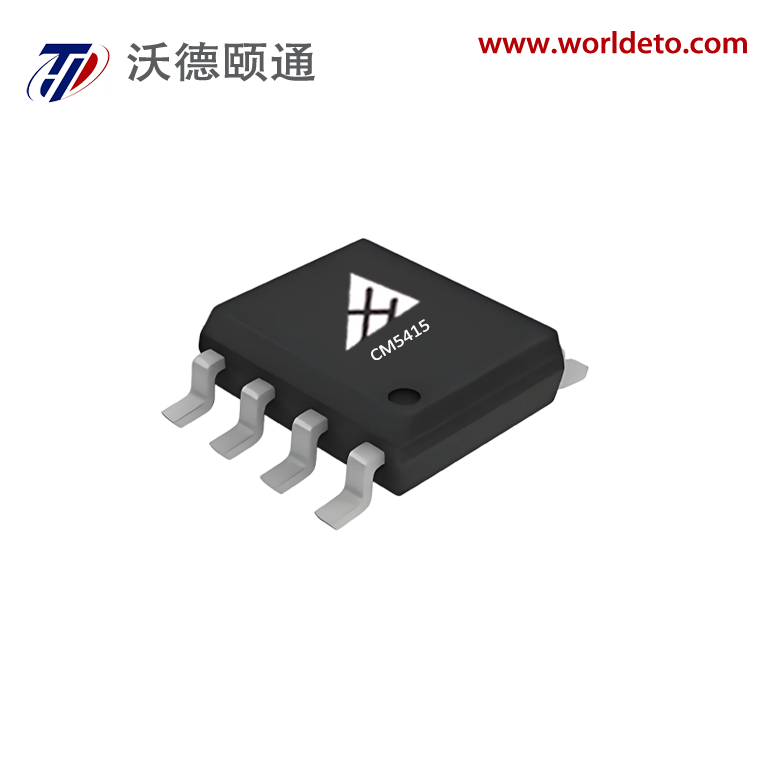
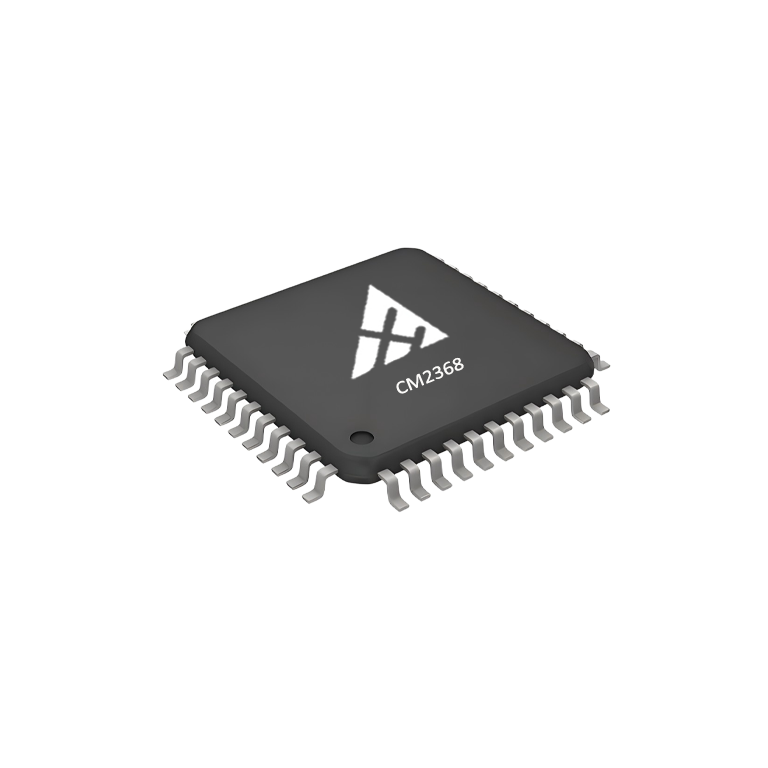
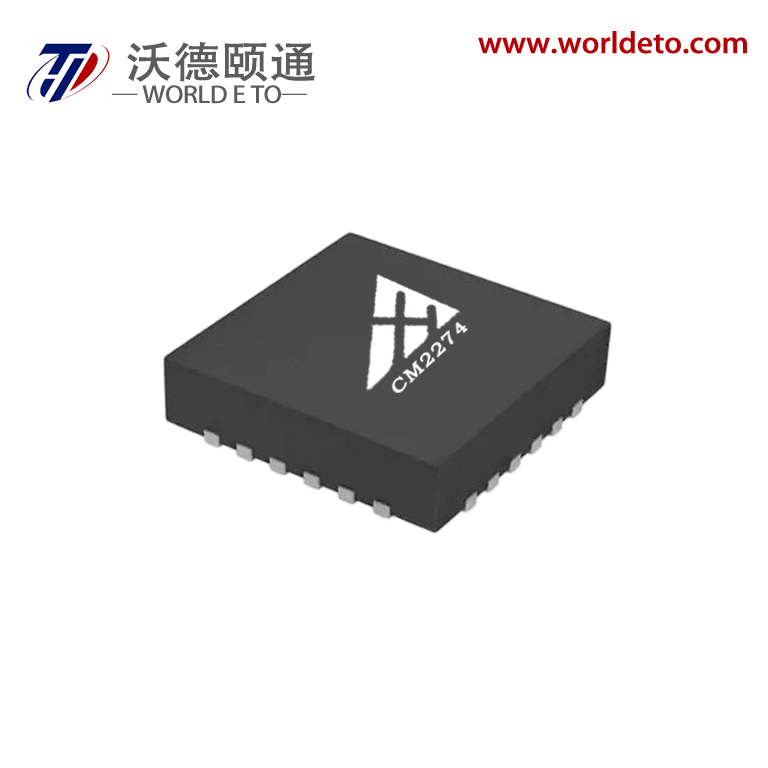
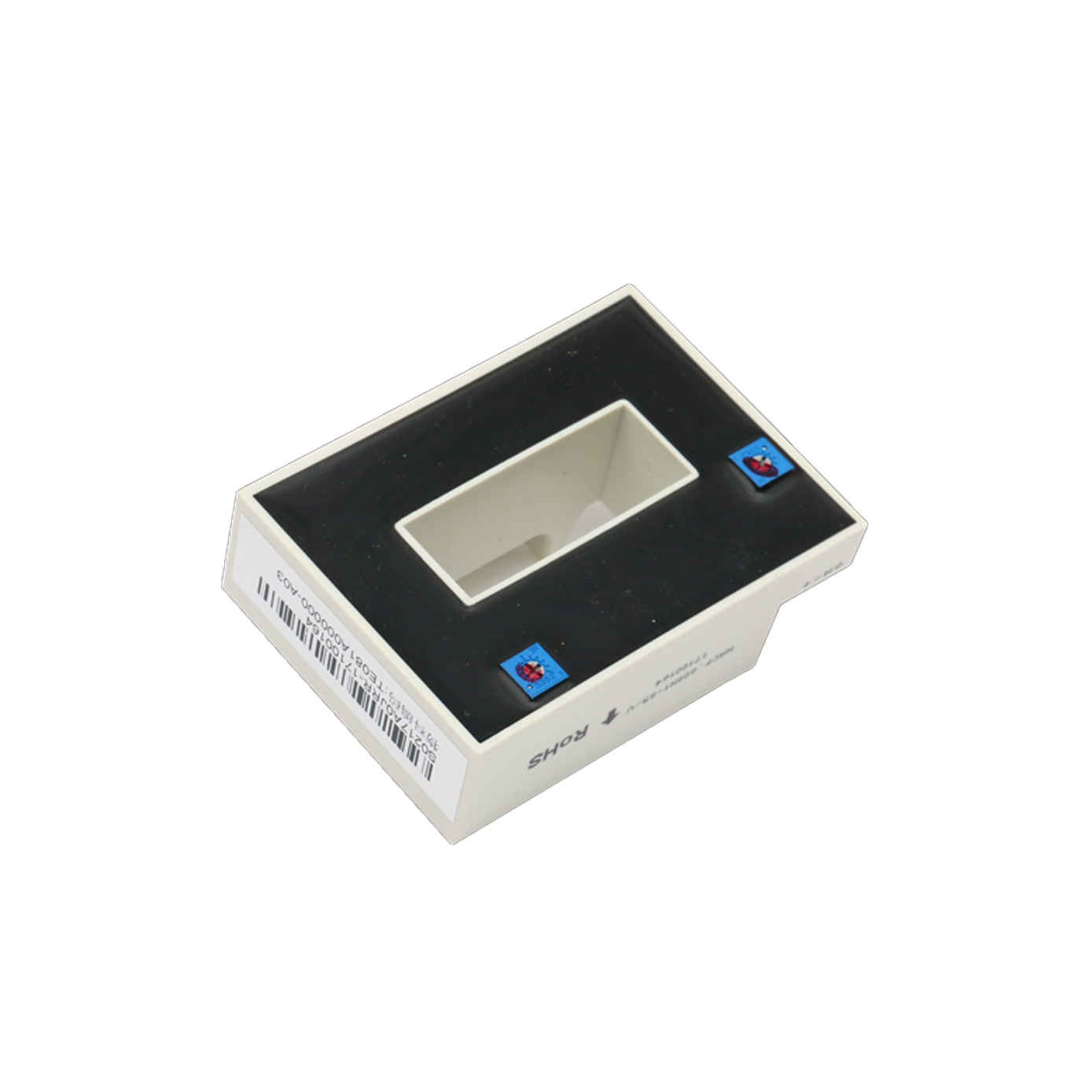
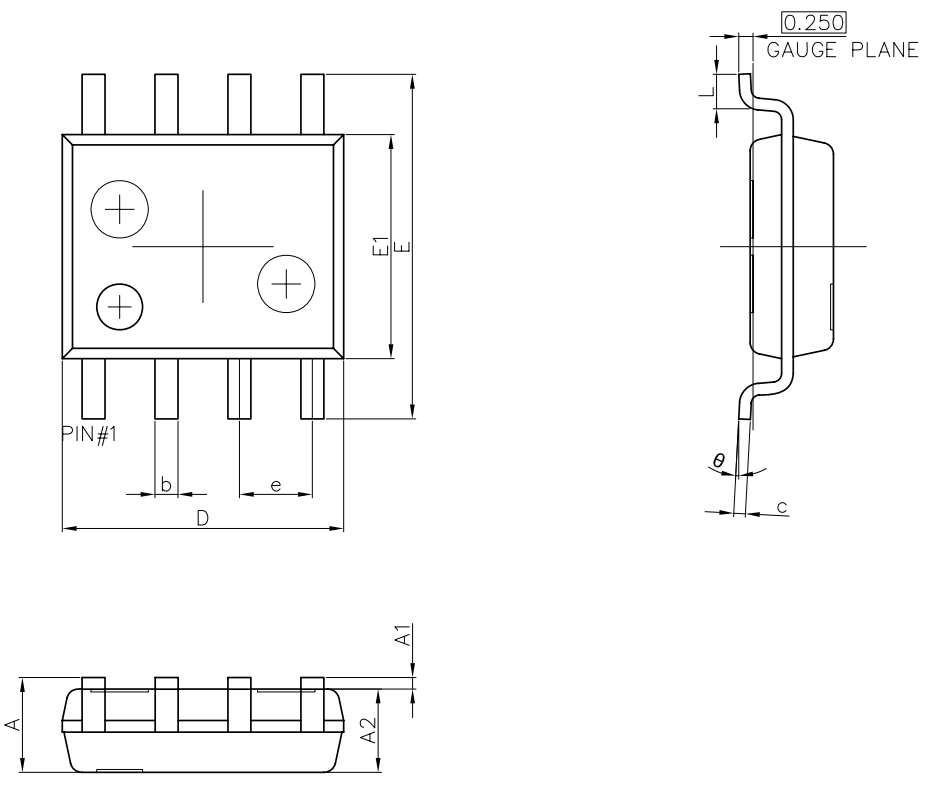
Chip amplifiers represent a revolutionary advancement in electronic signal processing technology, delivering exceptional performance in compact, integrated circuit packages. These sophisticated components serve as the backbone of modern electronic systems, transforming weak input signals into robust, amplified outputs suitable for driving speakers, headphones, and various electronic loads. The fundamental function of chip amplifiers centers on signal enhancement, where they receive low-power audio or data signals and boost them to levels necessary for practical applications. Unlike traditional discrete component amplifiers that require multiple individual parts, chip amplifiers integrate all essential amplification circuitry onto a single semiconductor substrate. This integration includes input stages, gain control mechanisms, output drivers, and protection circuits, all manufactured using advanced semiconductor fabrication techniques. The technological features of chip amplifiers encompass wide bandwidth capabilities, low distortion characteristics, and impressive power efficiency ratings. Modern chip amplifiers utilize Class D switching technology, which achieves efficiency levels exceeding 90 percent by rapidly switching output transistors between fully on and fully off states. This switching approach minimizes power dissipation as heat, allowing chip amplifiers to operate cooler and consume less battery power than their linear counterparts. Applications for chip amplifiers span numerous industries and consumer products. In portable electronics, these components power smartphone speakers, tablet audio systems, and Bluetooth headphones. Automotive manufacturers integrate chip amplifiers into car audio systems, navigation units, and hands-free communication devices. Professional audio equipment relies on chip amplifiers for mixing consoles, public address systems, and recording studio monitors. Industrial applications include motor control systems, sensor signal conditioning, and telecommunications equipment. The versatility of chip amplifiers extends to medical devices, where they amplify biosignals in patient monitoring equipment and hearing aids. Gaming consoles, smart home devices, and wearable technology also depend on these compact amplification solutions to deliver clear, powerful audio experiences while maintaining energy efficiency and thermal management.


New Product Releases

Chip amplifiers offer compelling advantages that make them the preferred choice for engineers and manufacturers seeking reliable, efficient signal amplification solutions. The primary benefit lies in their exceptional space efficiency, as these integrated circuits consolidate complex amplification circuitry into packages measuring just a few millimeters square. This miniaturization enables product designers to create sleeker, more portable devices without sacrificing audio quality or performance capabilities. The compact form factor proves particularly valuable in smartphone design, where every cubic millimeter counts toward achieving thinner profiles and larger battery compartments. Energy efficiency represents another significant advantage of chip amplifiers, especially models utilizing Class D topology. These components typically achieve efficiency ratings between 85 and 95 percent, dramatically reducing power consumption compared to traditional linear amplifiers that often operate at 50 percent efficiency or lower. This efficiency translates directly into extended battery life for portable devices, reduced heat generation, and lower operating costs for powered equipment. The thermal benefits cannot be overstated, as cooler operation extends component lifespan and eliminates the need for bulky heat sinks in many applications. Cost effectiveness emerges as a major advantage through reduced manufacturing complexity and component count. Traditional amplifier circuits require multiple discrete components, increasing assembly time, potential failure points, and inventory management challenges. Chip amplifiers eliminate these concerns by integrating all necessary functions into a single component that can be automatically placed and soldered during manufacturing. This integration reduces production costs, improves manufacturing yield rates, and simplifies quality control procedures. Reliability improvements stem from reduced interconnections and the inherent stability of integrated circuit design. Fewer solder joints mean fewer potential failure points, while the matched characteristics of on-chip components ensure consistent performance across temperature variations and aging cycles. Built-in protection features, including thermal shutdown, overcurrent protection, and short-circuit detection, safeguard both the chip amplifiers and connected devices from damage. Performance consistency across production batches represents another advantage, as semiconductor manufacturing processes ensure tight parameter matching between units. This consistency simplifies system design, reduces testing requirements, and guarantees predictable behavior in end products. Additionally, chip amplifiers often incorporate advanced features such as digital signal processing, programmable gain control, and integrated filters that would require significant additional circuitry in discrete implementations.

Latest News

Accuracy, Drift, and Noise: The Key Specifications of Precision Voltage References

24

Nov

Accuracy, Drift, and Noise: The Key Specifications of Precision Voltage References

In the world of electronic circuit design and measurement systems, precision voltage references serve as the cornerstone for achieving accurate and reliable performance. These critical components provide stable reference voltages that enable precise ...
View More
Speed Meets Accuracy: Selecting High-Speed Data Converters for Demanding Applications

07

Jan

Speed Meets Accuracy: Selecting High-Speed Data Converters for Demanding Applications

In today's rapidly evolving industrial landscape, the demand for high-speed data converters has reached unprecedented levels. These critical components serve as the bridge between analog and digital domains, enabling sophisticated control systems to ...
View More
From ADC to LDO: Complete High-Precision, Low-Power Domestic Chip Replacement Solutions

02

Feb

From ADC to LDO: Complete High-Precision, Low-Power Domestic Chip Replacement Solutions

The semiconductor industry faces unprecedented challenges as global supply chain disruptions and geopolitical tensions drive demand for reliable domestic chip replacement solutions. Companies across industries are increasingly seeking alternatives to...
View More
The Best Domestic Alternatives for High-Performance ADC and DAC Chips in 2026

03

Feb

The Best Domestic Alternatives for High-Performance ADC and DAC Chips in 2026

The semiconductor industry is experiencing unprecedented demand for high-performance analog-to-digital converter and digital-to-analog converter solutions, driving engineers and procurement teams to seek reliable domestic alternatives for ADC and DAC...
View More

Get a Free Quote

Our representative will contact you soon.
Email
Name
Company Name
Message
0/1000

chip amplifiers

Advanced Class D Technology for Maximum Efficiency

Advanced Class D Technology for Maximum Efficiency

The implementation of advanced Class D switching technology in modern chip amplifiers represents a paradigm shift in audio amplification efficiency and performance. Unlike traditional Class AB linear amplifiers that continuously conduct current and dissipate significant power as heat, Class D chip amplifiers operate by rapidly switching output transistors between fully saturated and completely cut-off states. This switching occurs at frequencies typically ranging from 250 kHz to over 1 MHz, well above the audible spectrum, ensuring that switching artifacts do not interfere with audio quality. The pulse-width modulation (PWM) technique employed in these chip amplifiers converts analog audio signals into digital pulse trains where the width of each pulse corresponds to the instantaneous amplitude of the input signal. This digital approach enables chip amplifiers to achieve remarkable efficiency levels often exceeding 90 percent, compared to the 50-60 percent efficiency typical of Class AB designs. The efficiency advantages translate into multiple practical benefits for end users and manufacturers. Reduced power consumption extends battery life in portable devices by up to 40 percent, making chip amplifiers ideal for smartphones, tablets, and wireless speakers where operating time between charges is critical. The minimal heat generation eliminates the need for large heat sinks and cooling fans, enabling more compact product designs and quieter operation. In automotive applications, this efficiency reduces the load on alternators and electrical systems, contributing to improved fuel economy. The switching nature of Class D chip amplifiers also provides excellent dynamic range and low distortion characteristics. Advanced feedback mechanisms and sophisticated control algorithms ensure that the switching process accurately reproduces the input signal with total harmonic distortion levels below 0.01 percent. Integrated dead-time control prevents shoot-through currents, while adaptive switching frequency adjustment optimizes efficiency across varying load conditions. Protection circuits built into these chip amplifiers monitor output current, junction temperature, and supply voltage, automatically adjusting operation or shutting down to prevent damage. The result is a robust amplification solution that delivers pristine audio quality while maximizing energy efficiency and system reliability.
Integrated Protection and Smart Features

Integrated Protection and Smart Features

Modern chip amplifiers incorporate comprehensive protection systems and intelligent features that significantly enhance reliability, safety, and user experience compared to discrete amplifier designs. These integrated protection mechanisms operate continuously and automatically, monitoring critical parameters to prevent damage from overcurrent conditions, thermal stress, short circuits, and supply voltage anomalies. The thermal protection system represents a sophisticated multilevel approach to temperature management. Primary thermal monitoring uses on-chip temperature sensors positioned strategically near heat-generating elements to provide accurate, real-time temperature feedback. When junction temperatures approach critical levels, the protection system initially reduces output power gradually, maintaining audio output while preventing thermal damage. If temperatures continue rising, the system implements complete shutdown with automatic restart capability once safe operating temperatures return. This intelligent thermal management extends component lifespan significantly compared to amplifiers without such protection. Overcurrent protection in chip amplifiers utilizes precision current sensing circuits that monitor output current on a cycle-by-cycle basis. These systems can detect and respond to overcurrent conditions within microseconds, preventing damage to output stages and connected loads. The protection algorithms distinguish between temporary current spikes caused by normal audio transients and sustained overcurrent conditions requiring intervention. Advanced implementations include programmable current limit thresholds, allowing system designers to optimize protection levels for specific applications and load characteristics. Short-circuit protection provides immediate response to output-to-ground or output-to-supply fault conditions, which could otherwise destroy unprotected amplifiers instantly. Supply voltage monitoring circuits continuously track input power levels, implementing undervoltage lockout to prevent operation outside safe parameters and overvoltage protection to guard against supply surges. Many chip amplifiers feature integrated pop-and-click suppression circuits that eliminate audible transients during power-up and shutdown sequences. These circuits employ soft-start mechanisms and controlled bias sequencing to ensure smooth transitions without disturbing audio output. Advanced models incorporate digital signal processing capabilities, enabling features such as dynamic range compression, equalization, and volume control directly within the amplifier chip. Some implementations include I2C or SPI interfaces for external control and monitoring, allowing system processors to adjust amplifier parameters, read status information, and implement sophisticated audio processing algorithms. These smart features reduce external component requirements while providing unprecedented control and monitoring capabilities.
Superior Signal Quality and Frequency Response

Superior Signal Quality and Frequency Response

The signal quality and frequency response characteristics of modern chip amplifiers represent significant technological achievements that deliver professional-grade audio performance in compact, cost-effective packages. These integrated solutions achieve signal-to-noise ratios exceeding 100 dB and total harmonic distortion levels below 0.005 percent across the entire audio spectrum, rivaling the performance of high-end discrete amplifier designs while occupying a fraction of the space. The superior signal quality stems from carefully matched on-chip components and advanced circuit topologies that minimize noise sources and distortion mechanisms. Precision laser-trimmed resistors ensure accurate gain setting and bias conditions, while matched transistor pairs eliminate offset voltages and reduce even-order harmonics. The integrated design eliminates parasitic inductances and capacitances associated with discrete component interconnections, reducing high-frequency distortion and improving transient response. Advanced chip amplifiers incorporate sophisticated feedback networks that extend beyond simple negative feedback to include feedforward compensation, multi-loop feedback systems, and adaptive bias control. These techniques maintain low distortion across varying output levels and load conditions while preserving phase relationships critical for accurate stereo imaging and soundstage reproduction. The frequency response of chip amplifiers typically extends from below 10 Hz to well beyond 40 kHz with variations less than ±0.5 dB across the audio band. This wide, flat response ensures accurate reproduction of both deep bass frequencies and subtle high-frequency details without coloration or frequency-dependent phase shifts. Specialized high-frequency compensation networks maintain stability and prevent oscillation while preserving bandwidth, enabling these amplifiers to handle demanding audio content including high-resolution digital formats and complex musical passages. Input stage design in premium chip amplifiers often employs differential architectures with high common-mode rejection ratios exceeding 80 dB, effectively rejecting interference from power supplies, digital circuits, and electromagnetic sources. Low-noise input circuits utilize carefully selected transistor geometries and bias currents to minimize thermal and shot noise contributions while maintaining wide dynamic range capabilities. Output stage designs incorporate advanced techniques such as error correction, real-time distortion measurement, and adaptive bias control to maintain linearity across the full power range. These systems continuously monitor output signal quality and adjust internal parameters to compensate for temperature variations, aging effects, and load impedance changes. The result is consistent, high-quality audio reproduction that maintains professional standards throughout the product lifecycle, making chip amplifiers suitable for critical listening applications, broadcast equipment, and high-fidelity consumer audio systems where signal integrity is paramount.

Get a Free Quote

Our representative will contact you soon.
Email
Name
Company Name
Message
0/1000