Fast Recovery Rectifier Technology: High-Performance Power Conversion Solutions

All Categories
Get a Quote

Get a Free Quote

Our representative will contact you soon.
Email
Name
Company Name
Message
0/1000

fast recovery rectifier

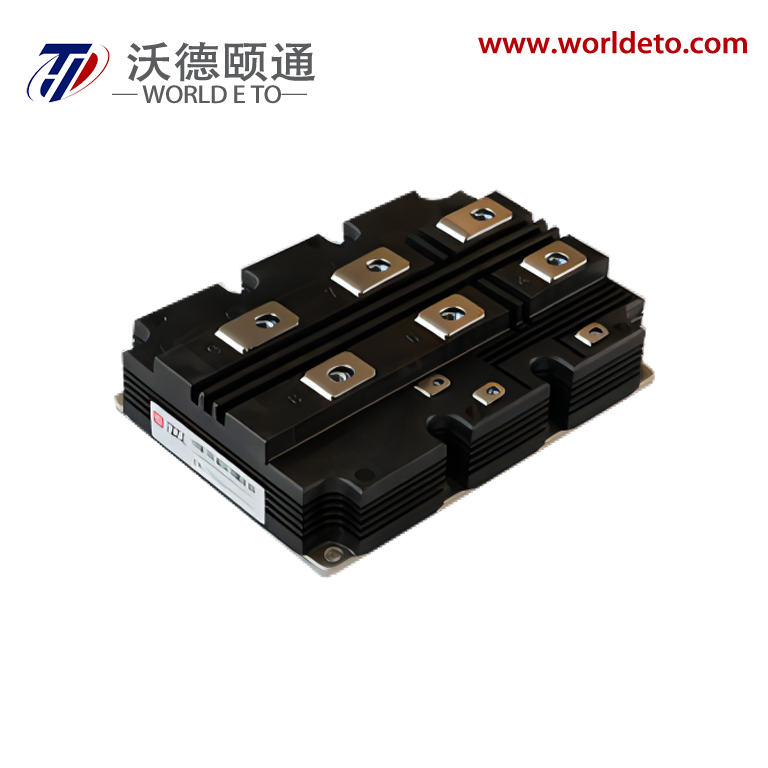
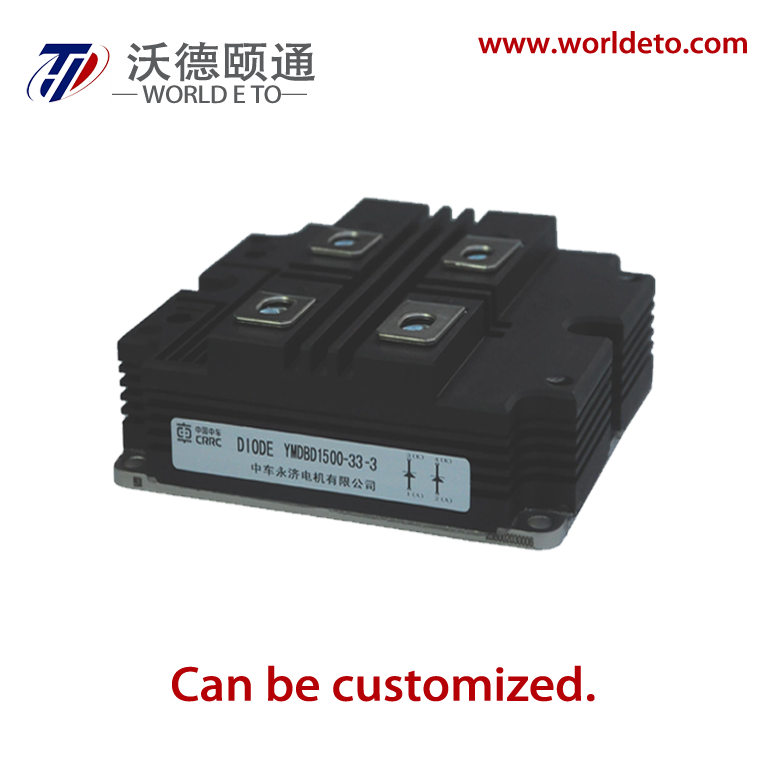
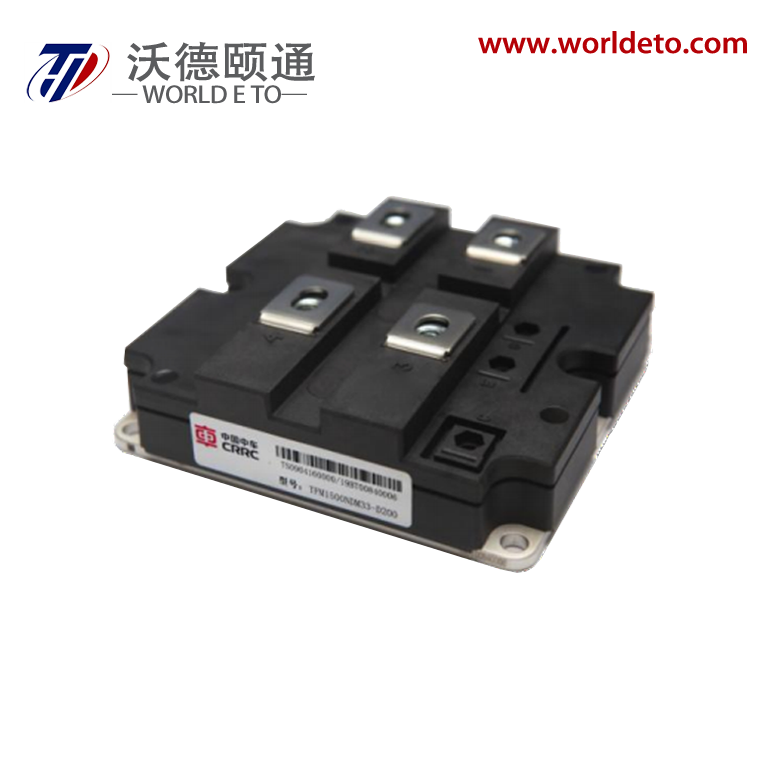
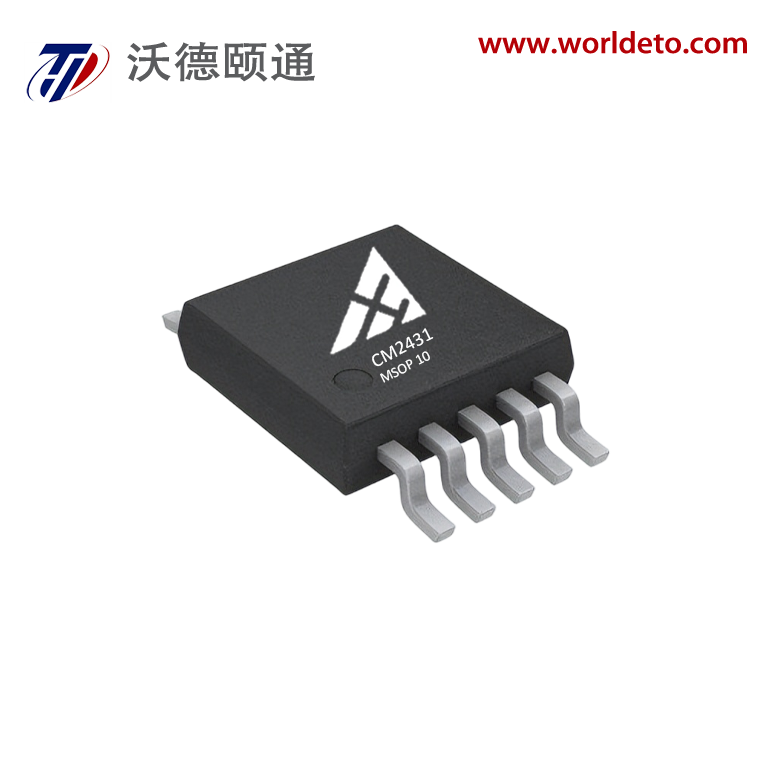
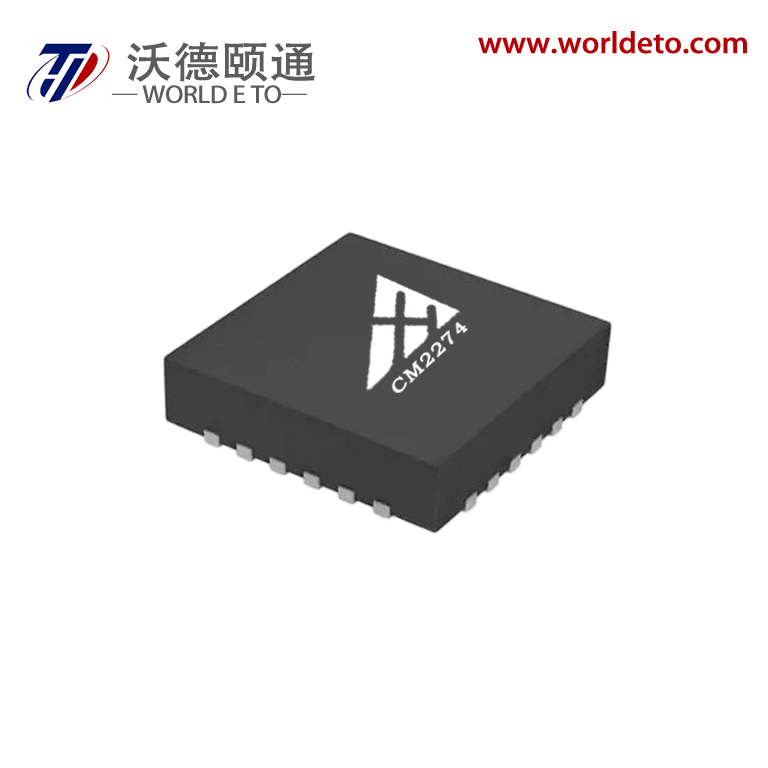
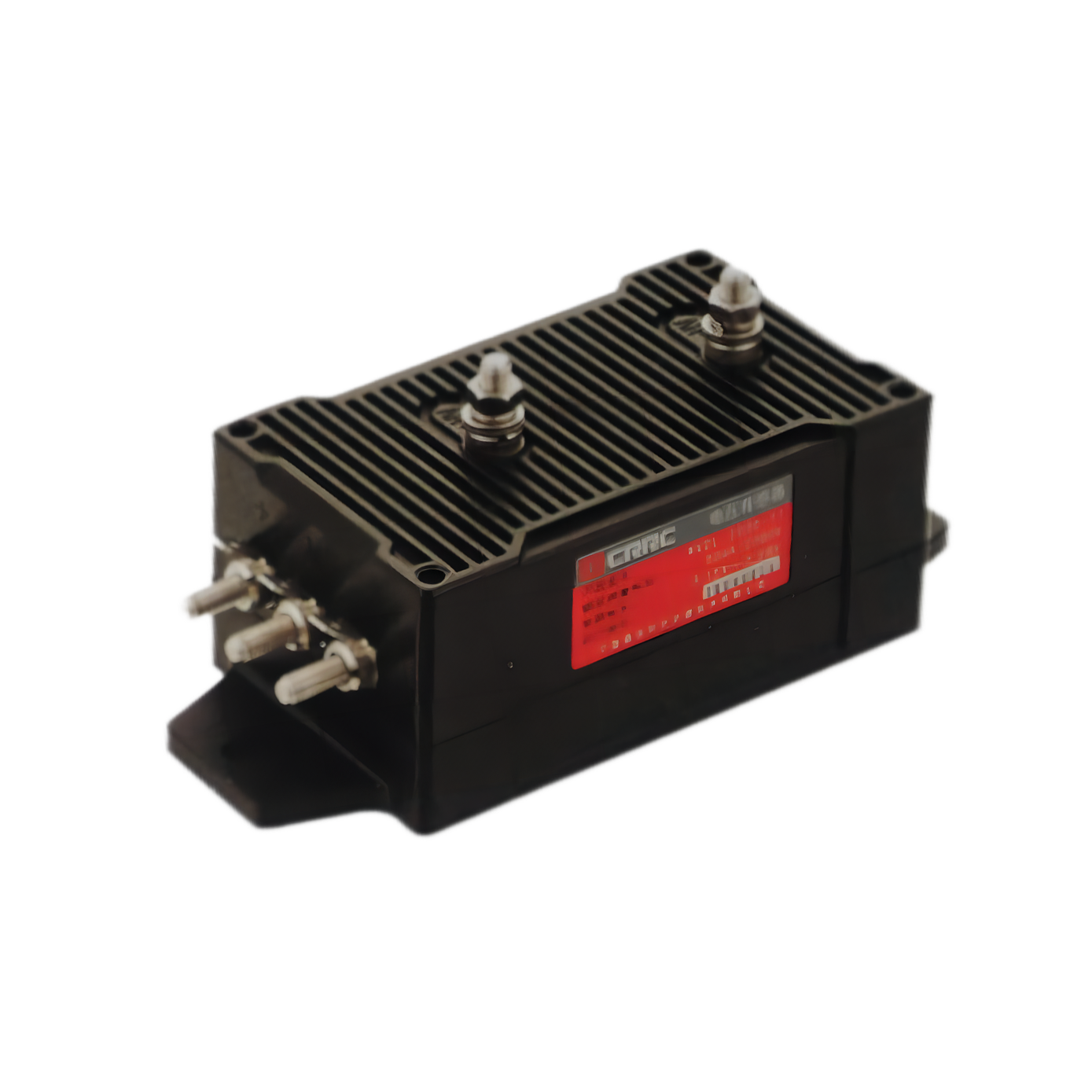
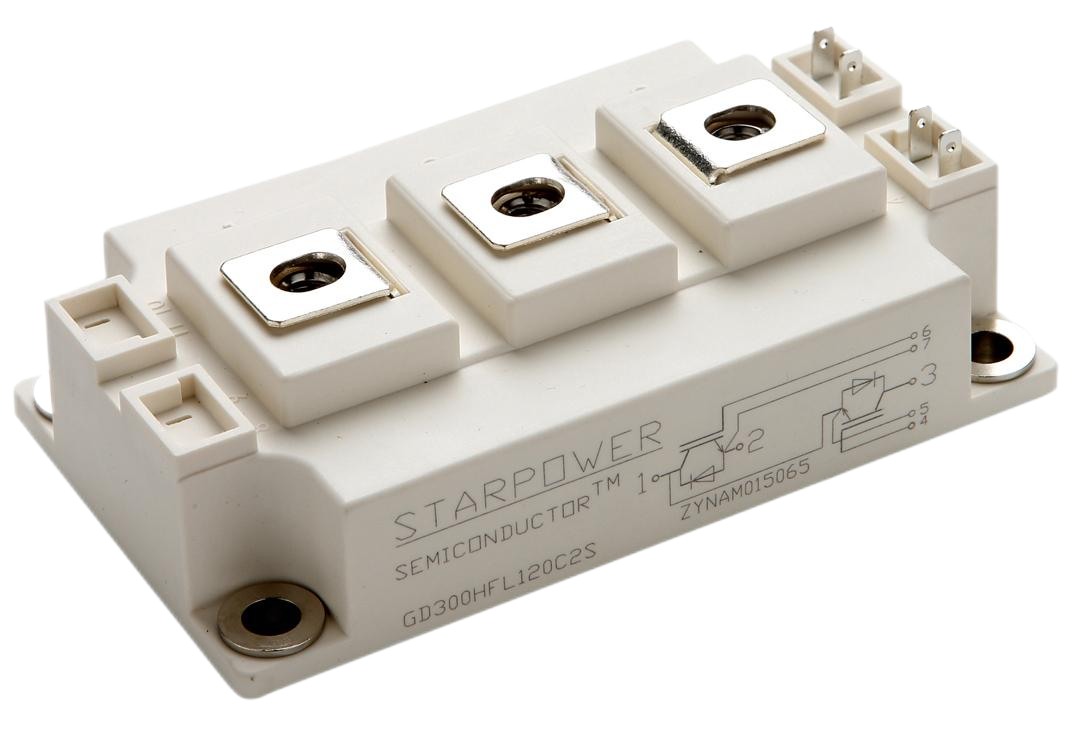
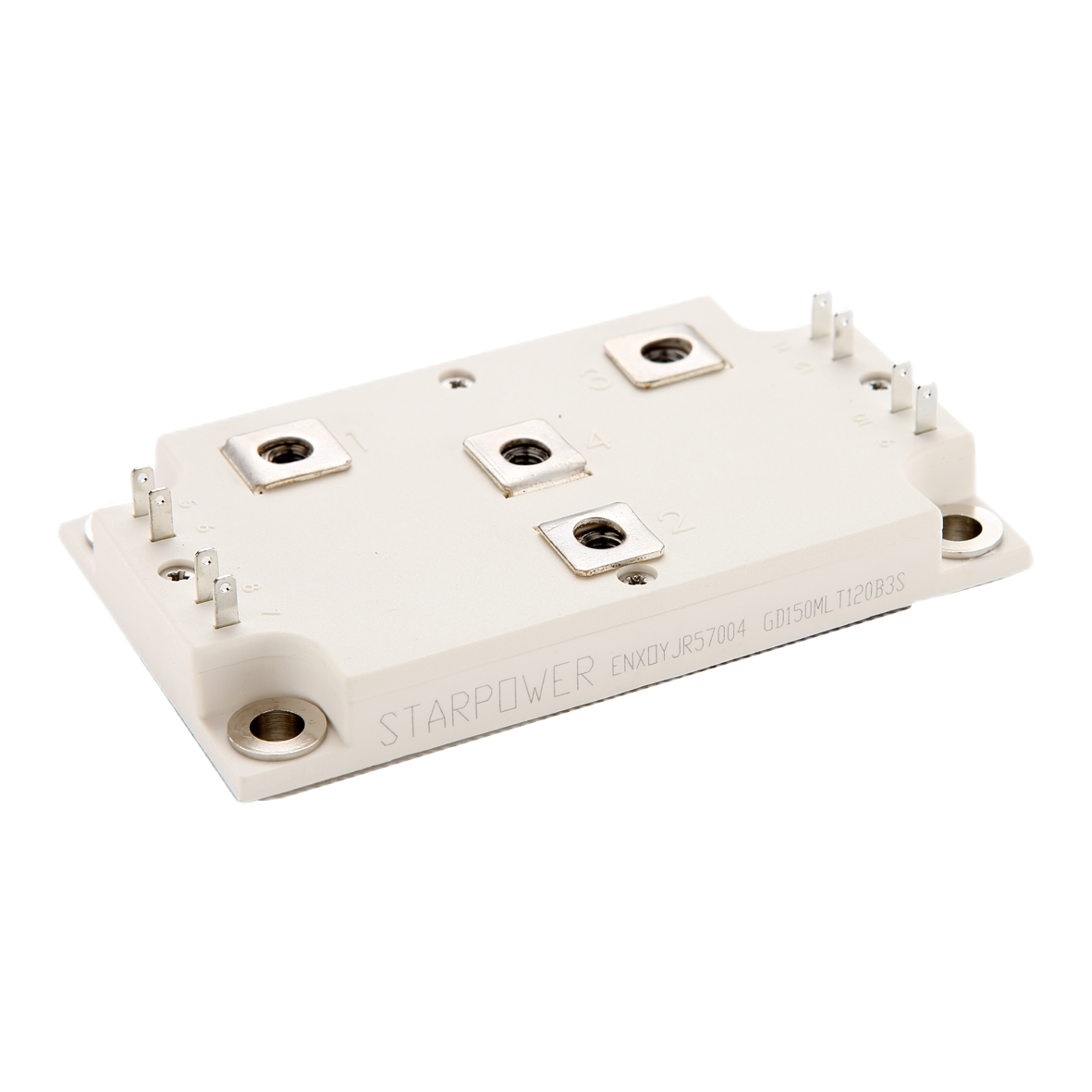
A fast recovery rectifier represents a specialized semiconductor device engineered to convert alternating current (AC) into direct current (DC) with exceptional switching speed and efficiency. This advanced electronic component serves as a critical element in power conversion systems, offering superior performance compared to standard rectifier diodes. The primary function of a fast recovery rectifier involves conducting electrical current in one direction while blocking reverse current flow, but with significantly reduced recovery time when transitioning from conducting to blocking states. The technological foundation of fast recovery rectifiers lies in their unique semiconductor structure, which incorporates optimized doping profiles and specialized junction designs. These modifications enable the device to minimize charge storage effects and reduce reverse recovery time to typically less than 500 nanoseconds, compared to several microseconds in conventional rectifiers. The fast recovery characteristic becomes particularly valuable in high-frequency switching applications where rapid state changes are essential for optimal performance. Modern fast recovery rectifiers utilize advanced silicon or silicon carbide materials, with some variants incorporating schottky barrier technology to further enhance switching speeds. The voltage ratings of these devices typically range from 50V to several kilovolts, while current handling capabilities can extend from milliamperes to hundreds of amperes, depending on the specific application requirements. Applications for fast recovery rectifiers span numerous industries and technologies, including switch-mode power supplies, inverter circuits, motor drives, welding equipment, and renewable energy systems. In power factor correction circuits, these devices enable efficient energy conversion while maintaining low harmonic distortion. The automotive industry increasingly relies on fast recovery rectifiers for electric vehicle charging systems and hybrid vehicle power management. Solar panel inverters and wind turbine converters also benefit from the rapid switching capabilities of these specialized rectifiers, contributing to improved energy harvesting efficiency and grid stability.

Popular Products

Fast recovery rectifiers deliver substantial performance improvements that directly translate to cost savings and enhanced system reliability for end users. The most significant advantage lies in their exceptional switching speed, which enables power supply designs to operate at higher frequencies while maintaining stable output characteristics. This higher frequency operation allows engineers to use smaller transformers, inductors, and capacitors in their designs, resulting in more compact and lightweight power systems that consume less material and reduce overall manufacturing costs. Energy efficiency represents another compelling benefit, as fast recovery rectifiers minimize switching losses that typically occur during the transition between conducting and non-conducting states. Traditional rectifiers waste considerable energy during these transitions, generating unwanted heat that requires additional cooling systems and reduces overall system efficiency. Fast recovery rectifiers can improve system efficiency by 3-5 percent compared to standard devices, which translates to measurable reductions in operating costs and environmental impact over the device lifetime. The reduced heat generation also extends component lifespan and improves system reliability, decreasing maintenance requirements and unexpected downtime costs. Electromagnetic interference reduction stands as another practical advantage that benefits system designers and end users alike. The rapid switching characteristics of fast recovery rectifiers generate fewer harmonic distortions and reduce electromagnetic noise compared to slower switching devices. This cleaner operation simplifies filter design requirements and helps systems meet stringent electromagnetic compatibility standards without extensive additional filtering components. Manufacturing flexibility increases when using fast recovery rectifiers, as their superior performance characteristics allow designers to optimize circuit topologies for specific applications. Engineers can implement more efficient power conversion architectures that were previously impractical with conventional rectifiers, leading to innovative product designs with improved features and competitive advantages. The reliability improvements extend beyond individual component performance to system-level benefits, including reduced stress on adjacent components, lower operating temperatures, and more stable voltage regulation under varying load conditions. These cumulative advantages result in power systems that require less maintenance, operate more predictably, and deliver consistent performance throughout their operational lifetime, providing genuine value to customers seeking dependable and cost-effective power solutions.

Tips And Tricks

Accuracy, Drift, and Noise: The Key Specifications of Precision Voltage References

24

Nov

Accuracy, Drift, and Noise: The Key Specifications of Precision Voltage References

In the world of electronic circuit design and measurement systems, precision voltage references serve as the cornerstone for achieving accurate and reliable performance. These critical components provide stable reference voltages that enable precise ...
View More
High-Accuracy ADC & DAC Chips: The Core of Precision Measurement Systems

07

Jan

High-Accuracy ADC & DAC Chips: The Core of Precision Measurement Systems

In today's advanced measurement and control systems, the bridge between analog real-world signals and digital processing relies heavily on specialized semiconductor components. These critical interface chips, specifically High-Accuracy ADC & DAC Chip...
View More
From ADC to LDO: Complete High-Precision, Low-Power Domestic Chip Replacement Solutions

02

Feb

From ADC to LDO: Complete High-Precision, Low-Power Domestic Chip Replacement Solutions

The semiconductor industry faces unprecedented challenges as global supply chain disruptions and geopolitical tensions drive demand for reliable domestic chip replacement solutions. Companies across industries are increasingly seeking alternatives to...
View More
Super-junction MOSFET

25

Jan

Super-junction MOSFET

The super-junction MOSFET (Meta Oxide Semiconductor Field Effect Transistor) introduces a lateral electric field control on the basis of the traditional VDMOS, thereby making the vertical electric field distribution approach an ideal rectangle. This ...
View More

Get a Free Quote

Our representative will contact you soon.
Email
Name
Company Name
Message
0/1000

fast recovery rectifier

Ultra-Fast Switching Performance for High-Frequency Applications

Ultra-Fast Switching Performance for High-Frequency Applications

The ultra-fast switching capability of fast recovery rectifiers revolutionizes high-frequency power conversion applications by achieving reverse recovery times as low as 35 nanoseconds in premium variants. This exceptional speed advantage enables system designers to push switching frequencies well beyond traditional limitations, often reaching hundreds of kilohertz or even megahertz ranges without compromising efficiency or reliability. The practical implications of this performance breakthrough extend far beyond mere technical specifications, delivering tangible benefits that directly impact product competitiveness and operational costs. In switch-mode power supplies, the ultra-fast switching performance allows for dramatic size reduction of magnetic components, as higher operating frequencies enable smaller core sizes while maintaining equivalent power handling capabilities. This miniaturization translates to significant material cost savings, reduced shipping weights, and more compact end products that appeal to space-constrained applications. The faster switching also reduces the time duration of switching transients, minimizing energy losses during state transitions and improving overall power conversion efficiency. Modern telecommunications equipment, data centers, and portable electronics particularly benefit from this advancement, as these applications demand high power density solutions that operate reliably in thermally challenging environments. The reduced switching losses directly translate to lower heat generation, enabling passive cooling solutions in many cases where active cooling was previously required. This thermal advantage extends component lifespan while reducing system complexity and potential failure points. Additionally, the ultra-fast switching performance enables more precise control of power delivery timing, which proves crucial in applications requiring tight voltage regulation or synchronized power sequencing. Industrial motor drives leverage this capability to achieve smoother torque delivery and reduced electromagnetic interference, while renewable energy systems benefit from more accurate maximum power point tracking and improved grid synchronization. The superior switching speed also facilitates advanced control algorithms that were previously impractical due to timing constraints, opening possibilities for innovative power management strategies that optimize efficiency across varying load conditions.
Enhanced Thermal Management and Reliability

Enhanced Thermal Management and Reliability

Enhanced thermal management capabilities distinguish fast recovery rectifiers as superior solutions for demanding applications where temperature control and long-term reliability are paramount concerns. The fundamental design improvements that enable fast switching also contribute to significantly reduced power dissipation compared to conventional rectifier technologies, creating a positive feedback effect that improves multiple performance parameters simultaneously. Lower power dissipation translates directly to reduced heat generation, which alleviates thermal stress on both the fast recovery rectifier itself and surrounding components within the system. This thermal advantage enables higher power density designs while maintaining safe operating temperatures, allowing engineers to pack more functionality into smaller enclosures without compromising reliability or requiring exotic cooling solutions. The improved thermal characteristics also support extended operating temperature ranges, with many fast recovery rectifiers capable of functioning reliably at junction temperatures exceeding 150 degrees Celsius, compared to lower limits for standard rectifiers. This temperature tolerance proves invaluable in automotive, aerospace, and industrial applications where ambient temperatures can vary dramatically or where cooling airflow may be restricted. The enhanced reliability stems from multiple factors beyond simple temperature reduction, including improved semiconductor crystal structure, optimized metallization systems, and advanced packaging technologies that resist thermal cycling stress. These improvements result in significantly longer operational lifespans, with many fast recovery rectifiers demonstrating mean time between failure rates exceeding 500,000 hours under normal operating conditions. The reliability improvements translate to reduced maintenance costs, fewer unexpected system failures, and improved customer satisfaction in critical applications. Furthermore, the stable thermal performance enables more predictable system behavior across temperature variations, simplifying design validation and reducing the need for extensive temperature compensation circuits. Manufacturing processes for fast recovery rectifiers often incorporate advanced quality control measures and burn-in procedures that identify potential early failures before products reach customers, further enhancing field reliability. The combination of inherent thermal advantages and rigorous manufacturing standards creates rectifier solutions that consistently deliver dependable performance in challenging environments where conventional devices might fail prematurely.
Versatile Integration and Design Flexibility

Versatile Integration and Design Flexibility

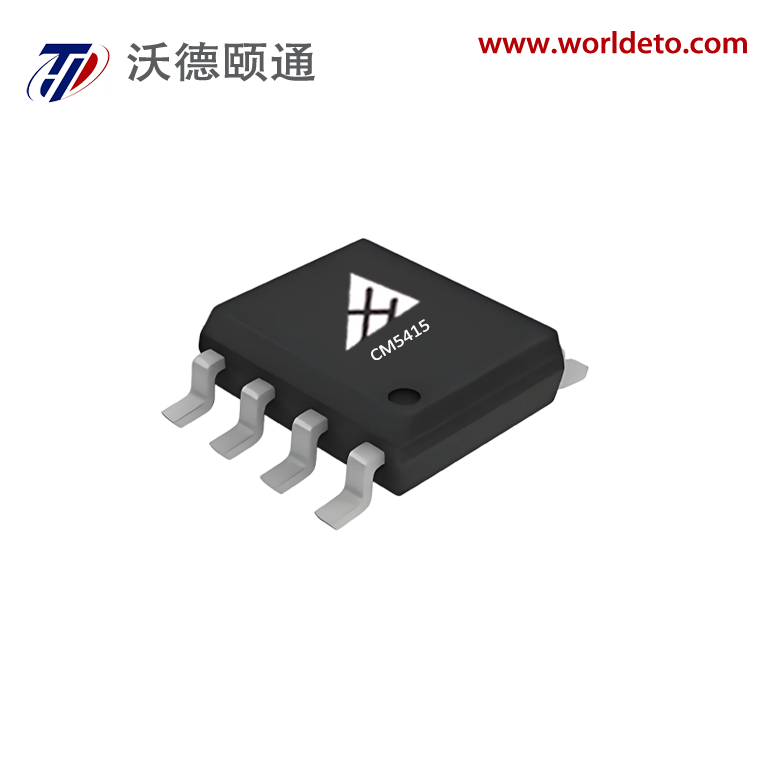
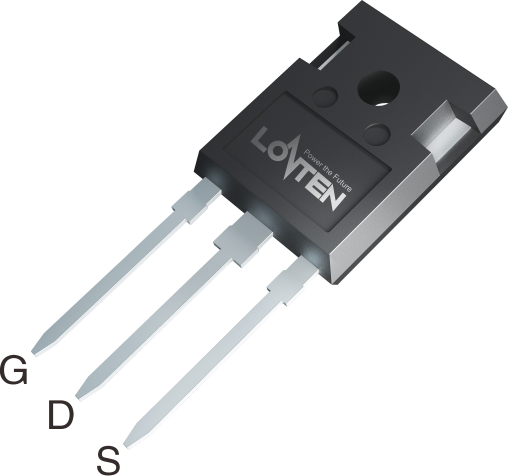
Versatile integration capabilities and exceptional design flexibility position fast recovery rectifiers as adaptable solutions that accommodate diverse application requirements while simplifying system design challenges. The broad range of available package configurations, voltage ratings, and current handling capabilities ensures that engineers can select optimal devices for specific applications without compromising performance or requiring complex circuit modifications. Standard package options include DO-15, DO-27, TO-220, TO-247, and surface-mount variants, enabling seamless integration into both through-hole and surface-mount manufacturing processes. This packaging variety supports applications ranging from low-power consumer electronics to high-power industrial systems, with current ratings spanning from 1 ampere to over 300 amperes in single devices. Voltage ratings extend from 50 volts for low-voltage applications to several kilovolts for high-voltage power conversion systems, providing design flexibility across a wide spectrum of power levels. The consistent electrical characteristics across different package sizes enable straightforward scaling of designs to meet varying power requirements without fundamental circuit topology changes. Advanced fast recovery rectifiers often feature additional design enhancements such as soft recovery characteristics that further reduce electromagnetic interference and improve system compatibility with sensitive analog circuits. Some variants incorporate integrated features like built-in temperature monitoring or current sensing capabilities that simplify system design while providing valuable diagnostic information for predictive maintenance applications. The versatile integration extends to parallel and series operation capabilities, allowing engineers to combine multiple fast recovery rectifiers to achieve higher current handling or voltage ratings as needed for specific applications. This scalability proves particularly valuable in modular power system designs where standardized rectifier modules can be combined to meet diverse power requirements efficiently. The design flexibility also encompasses compatibility with various control schemes and gate drive circuits, enabling integration with both simple linear control systems and sophisticated digital power management architectures. Modern fast recovery rectifiers often feature wide safe operating areas and robust short-circuit protection characteristics that simplify protection circuit design while improving system fault tolerance. The combination of electrical versatility, mechanical flexibility, and robust operating characteristics creates rectifier solutions that adapt readily to evolving application requirements while maintaining consistent performance standards across different operating conditions and system configurations.

Get a Free Quote

Our representative will contact you soon.
Email
Name
Company Name
Message
0/1000