Solid State Rectifier: Advanced Power Conversion Technology for Industrial Applications

All Categories
Get a Quote

Get a Free Quote

Our representative will contact you soon.
Email
Name
Company Name
Message
0/1000

solid state rectifier

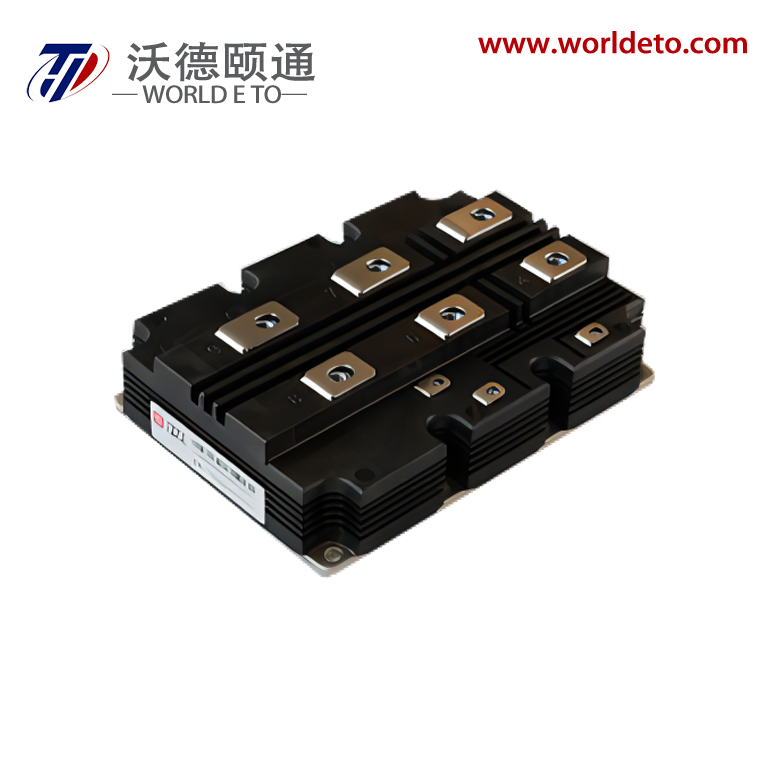
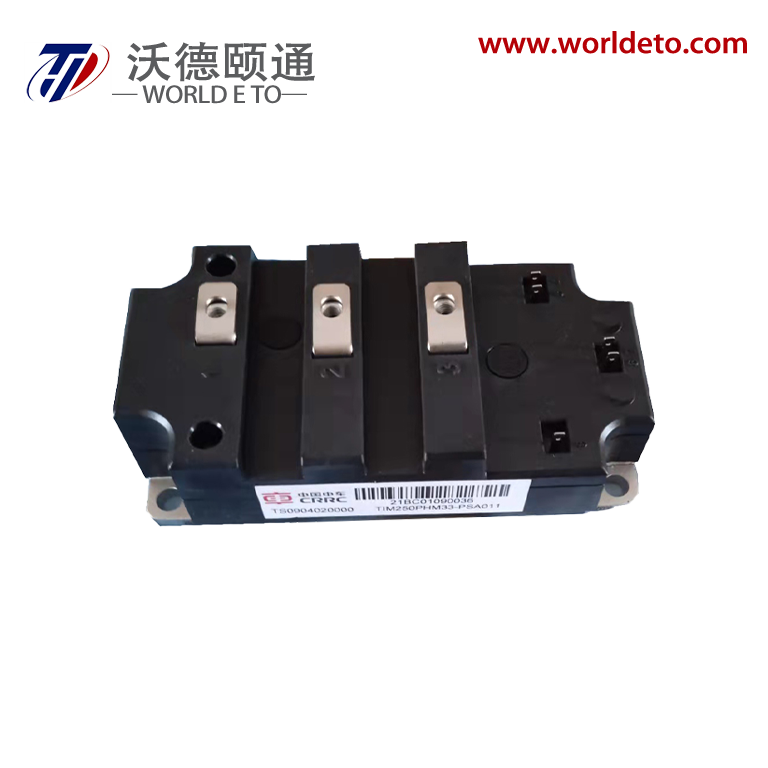
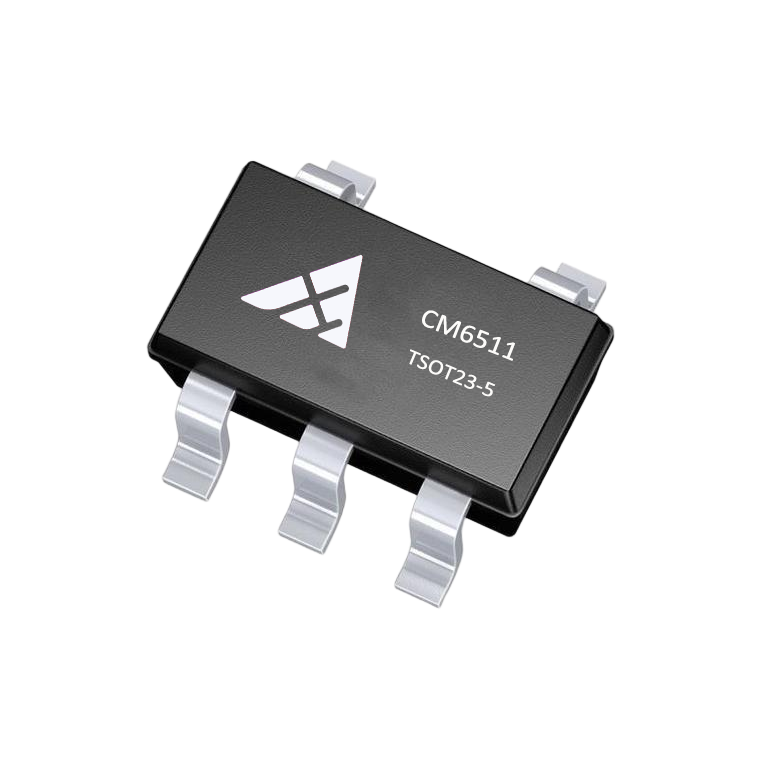
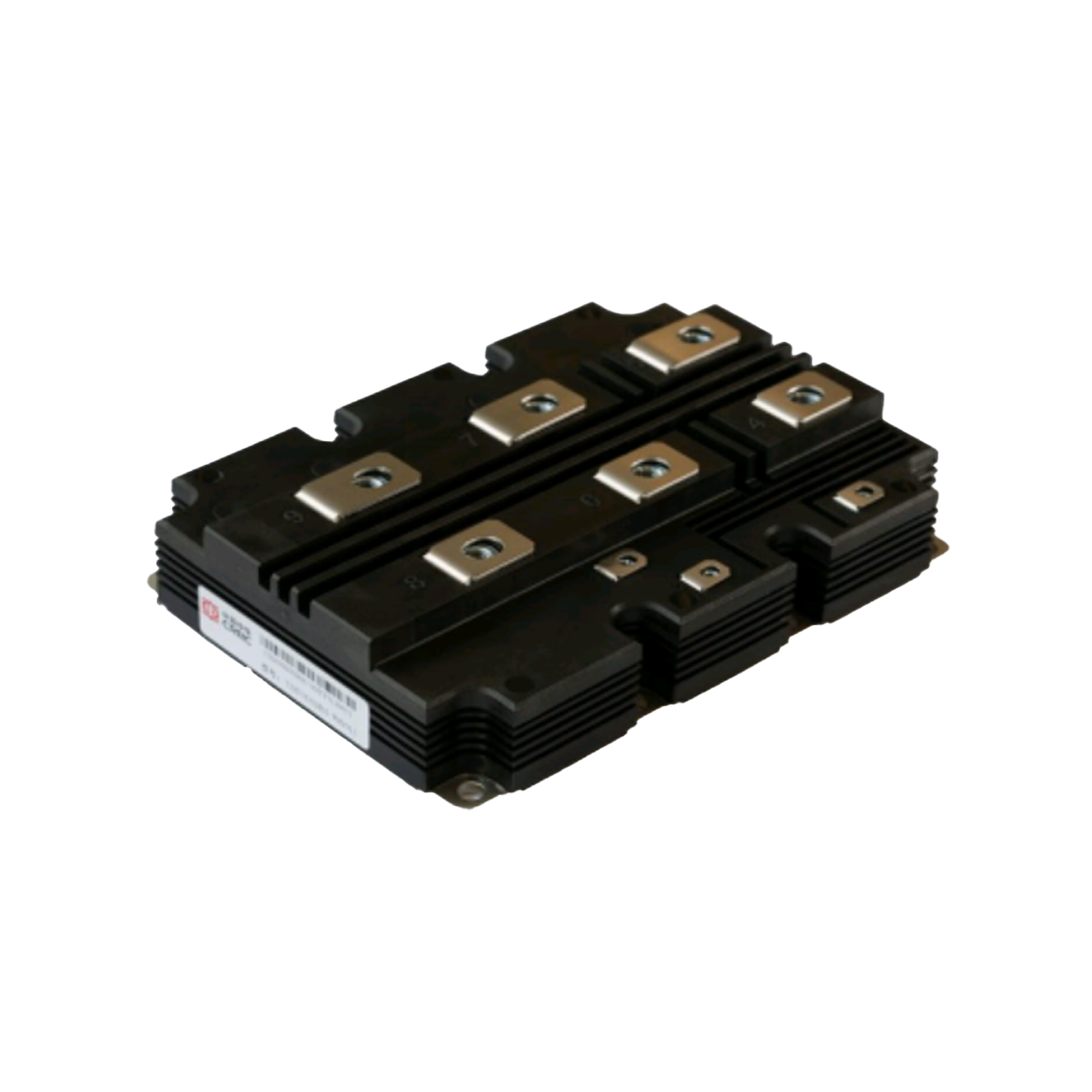
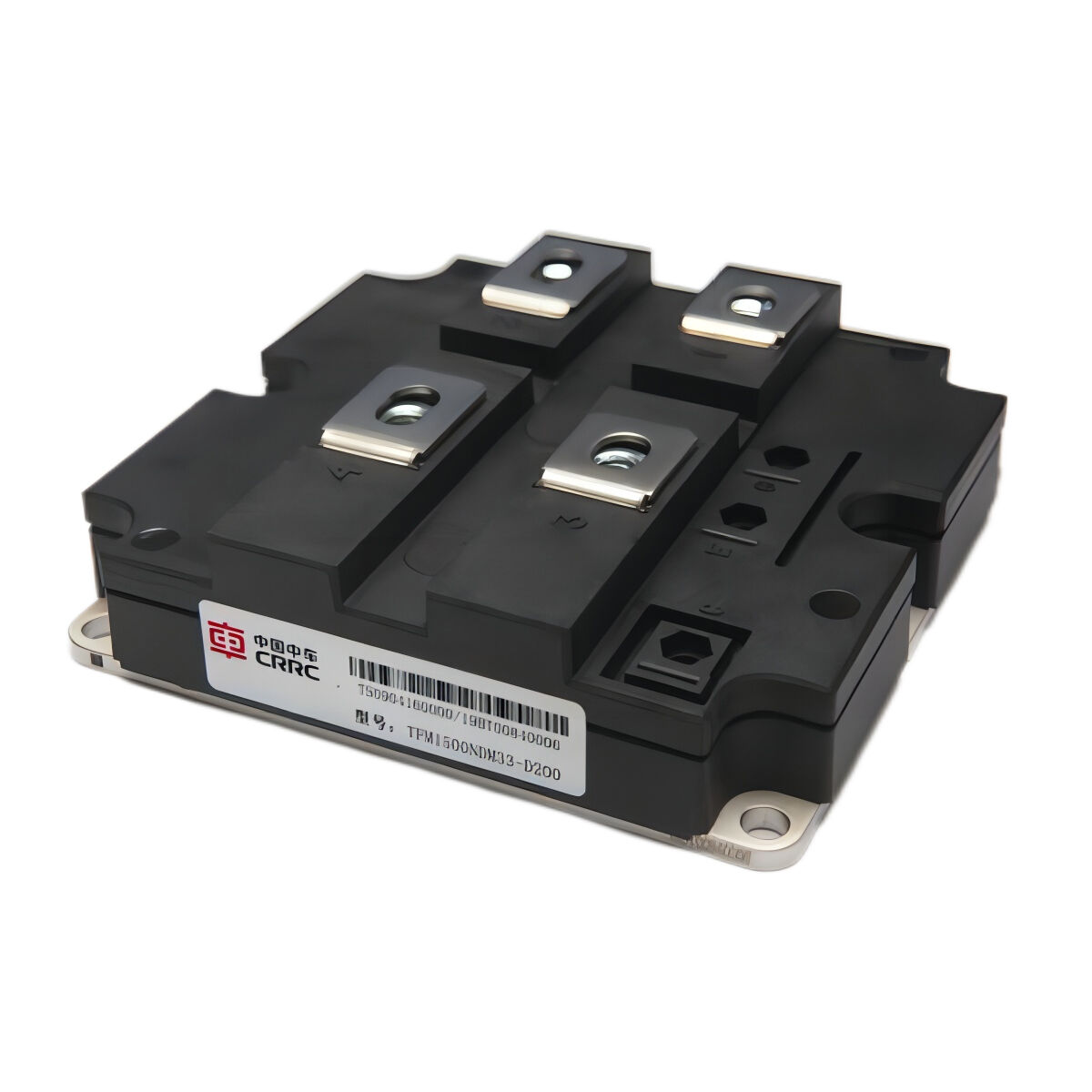
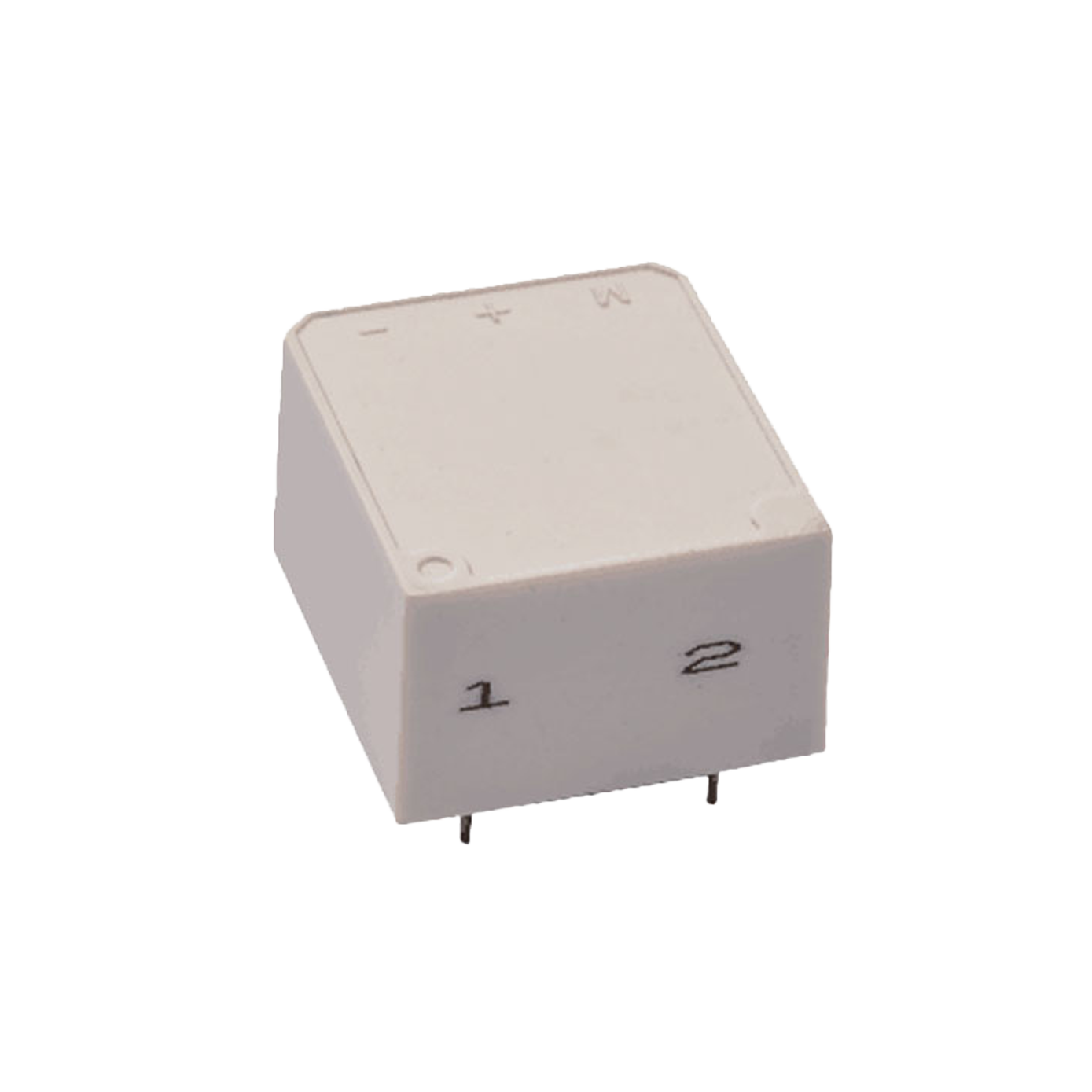
A solid state rectifier represents a revolutionary advancement in power conversion technology, serving as an essential component for transforming alternating current (AC) into direct current (DC). Unlike traditional mechanical rectifiers that rely on moving parts and electromechanical components, the solid state rectifier utilizes semiconductor devices such as diodes, thyristors, and silicon-controlled rectifiers to achieve efficient power conversion. This sophisticated electronic device operates without any mechanical movement, making it significantly more reliable and durable than conventional alternatives. The primary function of a solid state rectifier involves converting AC power from utility sources into stable DC power suitable for various industrial applications, electronic equipment, and power distribution systems. The technological foundation of solid state rectifiers centers on advanced semiconductor technology, incorporating precision-engineered silicon wafers and sophisticated control circuits that ensure optimal performance under varying load conditions. These devices feature programmable logic controllers, digital signal processing capabilities, and intelligent monitoring systems that continuously analyze input parameters and automatically adjust output characteristics to maintain consistent performance. Modern solid state rectifiers incorporate multiple protection mechanisms including overvoltage protection, overcurrent protection, thermal management systems, and fault detection algorithms that prevent equipment damage and ensure operational safety. The applications for solid state rectifiers span numerous industries including telecommunications, data centers, manufacturing facilities, renewable energy systems, electroplating operations, battery charging stations, and power distribution networks. In telecommunications infrastructure, solid state rectifiers provide reliable DC power for cellular base stations, switching equipment, and communication networks. Data centers rely on these devices to maintain uninterrupted power supply for critical server operations and networking equipment. Manufacturing industries utilize solid state rectifiers for powering DC motors, control systems, and automated production lines where precise voltage regulation is essential for maintaining product quality and operational efficiency.


Popular Products

The solid state rectifier delivers exceptional efficiency levels that significantly reduce energy consumption and operational costs for businesses and organizations. These advanced devices achieve efficiency ratings exceeding 95 percent, which translates into substantial energy savings compared to traditional rectification methods. The enhanced efficiency stems from the elimination of mechanical losses and the optimization of semiconductor switching processes that minimize power dissipation during operation. Users experience immediate cost benefits through reduced electricity bills and lower heat generation, which decreases cooling requirements and extends equipment lifespan. The reliability factor of solid state rectifiers provides unmatched operational stability for critical applications where power interruptions could result in significant financial losses or safety concerns. These devices operate continuously for years without requiring maintenance or component replacement, ensuring consistent performance in demanding industrial environments. The absence of moving parts eliminates wear-related failures and reduces the risk of unexpected downtime that could disrupt production schedules or compromise essential services. The compact design and lightweight construction of solid state rectifiers enable flexible installation options and space optimization in facilities where real estate costs are significant factors. Engineers can integrate these devices into existing systems without extensive modifications or structural reinforcements, reducing installation time and associated labor costs. The modular architecture allows for scalable configurations that can accommodate future expansion requirements without complete system redesigns. Advanced monitoring and control capabilities provide real-time visibility into system performance, enabling proactive maintenance strategies and early detection of potential issues before they impact operations. Operators can access comprehensive diagnostic information through digital interfaces and remote monitoring systems, facilitating quick troubleshooting and minimizing service interruptions. The environmental benefits of solid state rectifiers include reduced carbon footprint through improved energy efficiency and elimination of hazardous materials commonly found in older rectification technologies. These devices comply with strict environmental regulations and contribute to corporate sustainability initiatives while delivering superior performance characteristics that support long-term operational goals.

Practical Tips

Building Reliable Systems: The Role of Precision Voltage References and LDOs in Industrial Applications

07

Jan

Building Reliable Systems: The Role of Precision Voltage References and LDOs in Industrial Applications

Industrial automation and control systems demand unwavering accuracy and reliability to ensure optimal performance across diverse operating conditions. At the heart of these sophisticated systems lie critical components that provide stable power mana...
View More
High-Precision ADC, DAC, and Voltage References: Comprehensive Analysis of Low-Power Domestic Solutions

02

Feb

High-Precision ADC, DAC, and Voltage References: Comprehensive Analysis of Low-Power Domestic Solutions

The demand for high-precision analog-to-digital converters in modern electronic systems continues to surge as industries require increasingly accurate measurement and control capabilities. High-precision ADC technology forms the backbone of sophistic...
View More
Domestic High-Precision Linear Regulators and Instrumentation Amplifiers: Low-Power Design for Replacing Imported Chips

02

Feb

Domestic High-Precision Linear Regulators and Instrumentation Amplifiers: Low-Power Design for Replacing Imported Chips

The semiconductor industry has witnessed a significant shift toward domestically manufactured components, particularly in the realm of precision analog circuits. Domestic high-precision linear regulators have emerged as crucial components for enginee...
View More
Precision DAC Chips: Achieving Sub-Millivolt Accuracy in Complex Control Systems

03

Feb

Precision DAC Chips: Achieving Sub-Millivolt Accuracy in Complex Control Systems

Modern industrial control systems demand unprecedented accuracy and reliability, with precision DAC chips serving as critical components that bridge the digital-analog divide. These sophisticated semiconductor devices enable engineers to achieve sub-...
View More

Get a Free Quote

Our representative will contact you soon.
Email
Name
Company Name
Message
0/1000

solid state rectifier

Advanced Semiconductor Technology for Superior Performance

Advanced Semiconductor Technology for Superior Performance

The solid state rectifier incorporates cutting-edge semiconductor technology that revolutionizes power conversion efficiency and reliability standards across industrial applications. This advanced technology utilizes precision-engineered silicon carbide and gallium nitride semiconductors that operate at higher frequencies and temperatures while maintaining exceptional electrical characteristics. The semiconductor components within solid state rectifiers undergo rigorous quality control processes and extensive testing protocols to ensure consistent performance under extreme operating conditions. These sophisticated materials enable faster switching speeds, reduced power losses, and enhanced thermal management capabilities that translate into improved overall system efficiency. The integration of intelligent control algorithms and digital signal processing units allows the solid state rectifier to automatically optimize performance parameters based on real-time load conditions and environmental factors. This adaptive functionality ensures optimal energy conversion efficiency across varying operational scenarios, maximizing return on investment for end users. The semiconductor technology also enables precise voltage regulation with minimal ripple content, providing clean and stable DC output that protects sensitive electronic equipment from voltage fluctuations and harmonic disturbances. Manufacturing processes for these semiconductor components incorporate advanced lithography techniques and molecular-level precision controls that result in superior device characteristics and extended operational lifespans. The thermal management systems integrated with semiconductor technology include advanced heat dissipation mechanisms, temperature monitoring sensors, and intelligent cooling controls that maintain optimal operating temperatures even under heavy load conditions. This comprehensive thermal management approach prevents semiconductor degradation and ensures consistent performance throughout the device's operational lifetime. The modular semiconductor architecture allows for easy maintenance and component replacement when necessary, minimizing system downtime and reducing long-term operational costs. Quality assurance protocols for semiconductor components include accelerated aging tests, thermal cycling evaluations, and electrical stress testing to verify long-term reliability and performance stability under various environmental conditions.
Unmatched Reliability and Maintenance-Free Operation

Unmatched Reliability and Maintenance-Free Operation

The solid state rectifier delivers unprecedented reliability through its innovative design philosophy that eliminates mechanical components and moving parts responsible for most equipment failures in traditional power conversion systems. This maintenance-free operation represents a paradigm shift in power system reliability, offering continuous operation for decades without requiring scheduled maintenance intervals or component replacements. The robust construction utilizes industrial-grade materials and components specifically selected for their ability to withstand harsh environmental conditions including temperature extremes, humidity variations, vibration exposure, and electromagnetic interference. Comprehensive protection systems integrated within solid state rectifiers include multiple layers of safeguards that monitor critical parameters and automatically respond to abnormal conditions before they can cause equipment damage or operational disruptions. These protection mechanisms encompass overvoltage protection, undervoltage lockout, overcurrent protection, short-circuit protection, thermal protection, and reverse polarity protection that work collectively to ensure safe and reliable operation. The fault detection and diagnostic capabilities provide early warning notifications for potential issues, enabling proactive intervention and preventing unexpected failures that could impact critical operations. Advanced monitoring systems continuously analyze performance metrics and operational parameters, generating detailed reports and trend analyses that support predictive maintenance strategies and optimize system performance. The reliability advantages extend to improved system availability and reduced total cost of ownership through elimination of scheduled maintenance requirements, spare parts inventory, and service technician visits. Users benefit from consistent power quality and uninterrupted operations that support critical processes and minimize productivity losses associated with power system failures. The proven track record of solid state rectifiers in demanding applications demonstrates their ability to operate reliably in extreme environments including high-altitude installations, marine applications, desert conditions, and industrial facilities with challenging operating conditions. Comprehensive warranty programs and technical support services provide additional assurance and peace of mind for users investing in solid state rectifier technology for their critical power conversion requirements.
Energy Efficiency and Environmental Sustainability Benefits

Energy Efficiency and Environmental Sustainability Benefits

The solid state rectifier represents a significant advancement in energy efficiency technology, delivering exceptional power conversion performance that substantially reduces energy consumption and environmental impact compared to conventional rectification methods. Modern solid state rectifiers achieve efficiency levels exceeding 96 percent under optimal operating conditions, with many units maintaining efficiency above 94 percent across their entire load range. This superior efficiency translates into direct cost savings through reduced electricity consumption and decreased heat generation that minimizes cooling requirements and associated energy costs. The environmental benefits of solid state rectifiers extend beyond energy efficiency improvements to include reduced carbon footprint, elimination of hazardous materials, and support for renewable energy integration initiatives. These devices facilitate the adoption of clean energy technologies by providing efficient power conversion for solar photovoltaic systems, wind power installations, and energy storage applications that form the foundation of sustainable energy infrastructure. The compact design and lightweight construction of solid state rectifiers reduce material consumption during manufacturing and transportation, contributing to overall environmental sustainability goals while providing superior performance characteristics. Advanced power factor correction capabilities integrated within solid state rectifiers improve power quality and reduce harmonic distortion in electrical distribution systems, resulting in improved efficiency for connected equipment and reduced stress on utility infrastructure. The long operational lifespan of solid state rectifiers, typically exceeding 20 years with proper installation and operation, reduces waste generation and resource consumption associated with frequent equipment replacement cycles. Compliance with international environmental standards and regulations including RoHS directives ensures that solid state rectifiers meet strict requirements for hazardous substance restrictions and environmental protection. The energy efficiency improvements achieved through solid state rectifier implementation contribute to corporate sustainability initiatives and help organizations meet environmental compliance requirements while reducing operational costs. Return on investment calculations for solid state rectifier installations typically demonstrate payback periods of less than three years through energy savings alone, with additional benefits including reduced maintenance costs, improved reliability, and enhanced operational flexibility providing further value proposition for environmentally conscious organizations seeking sustainable power conversion solutions.

Get a Free Quote

Our representative will contact you soon.
Email
Name
Company Name
Message
0/1000