Discrete Transistors: High-Performance Semiconductor Components for Power Management and Circuit Design

All Categories
Get a Quote

Get a Free Quote

Our representative will contact you soon.
Email
Name
Company Name
Message
0/1000

discrete transistor

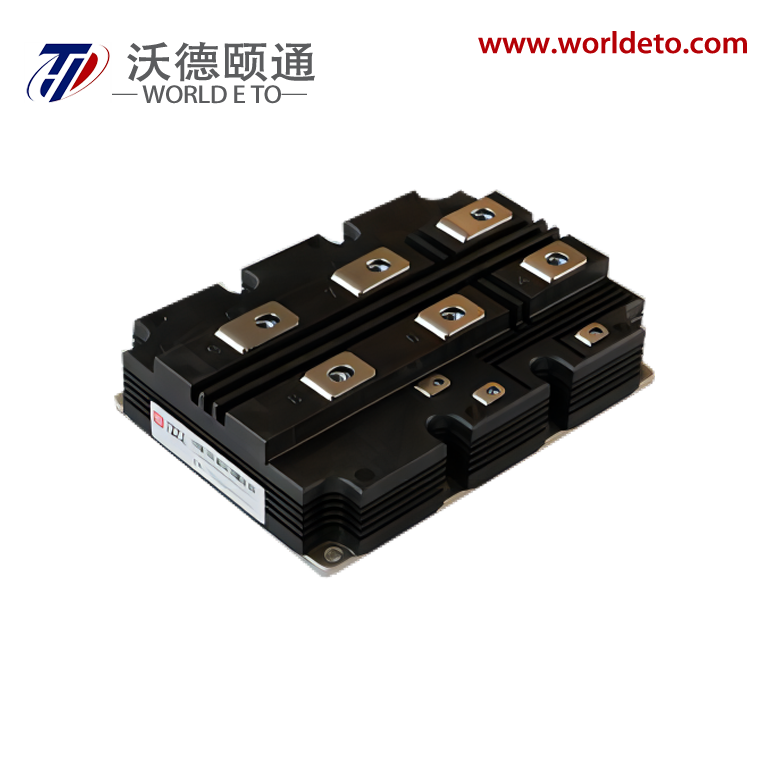
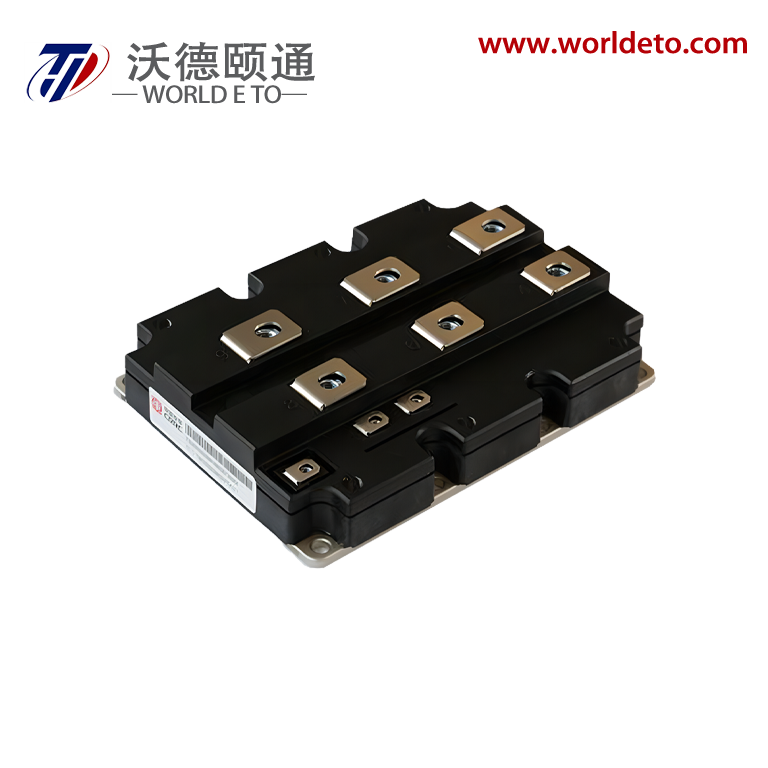
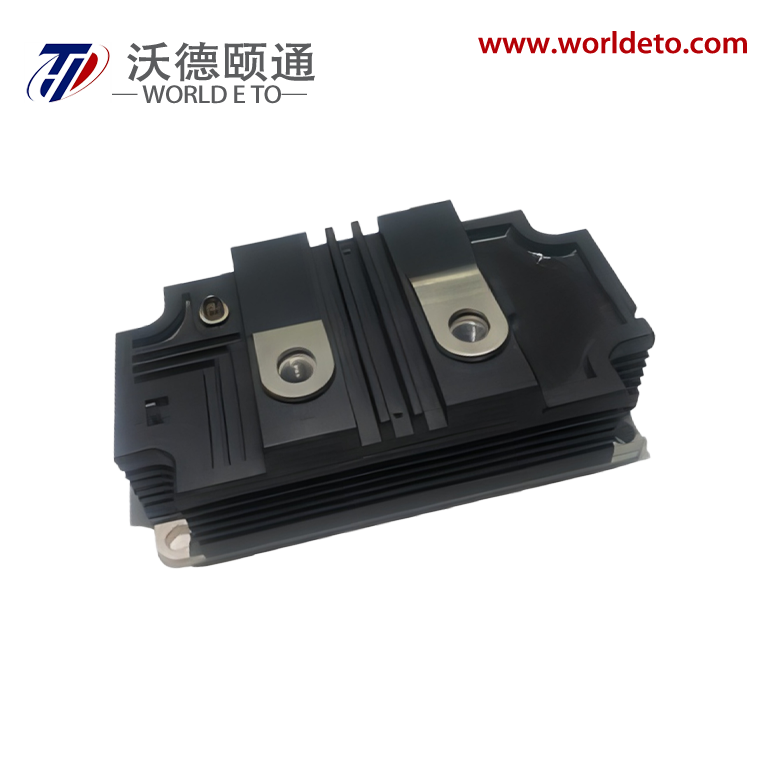
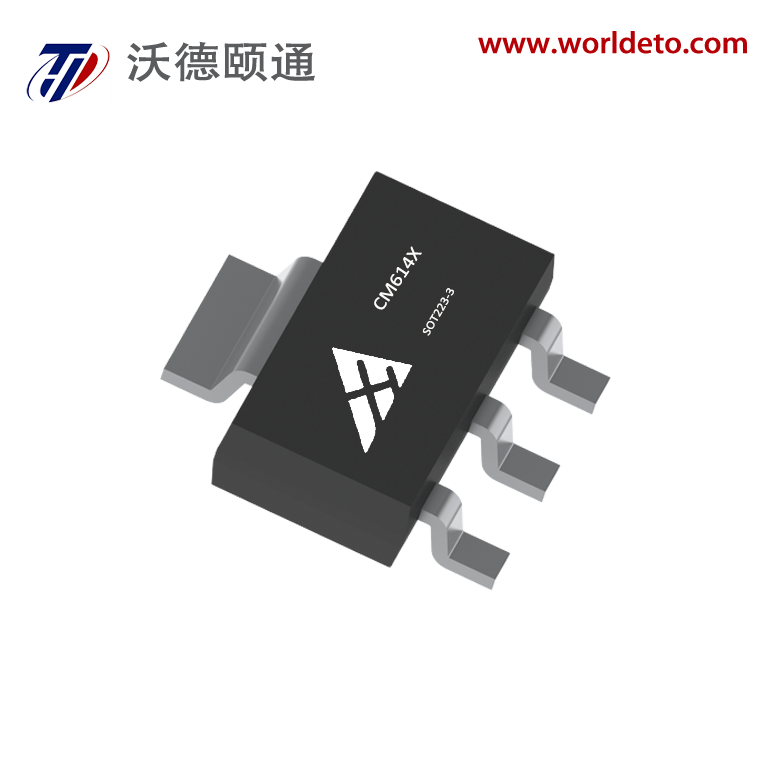
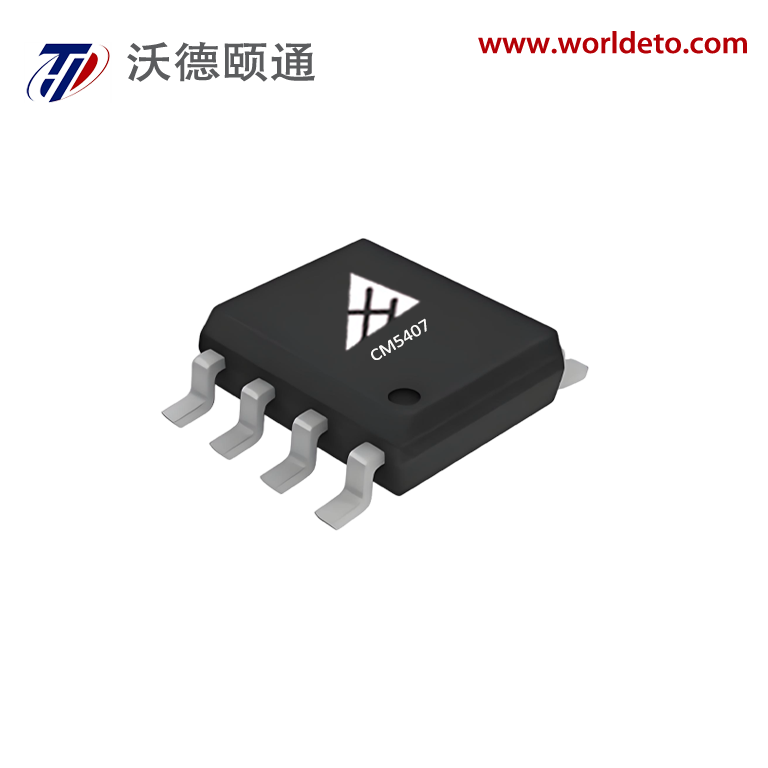
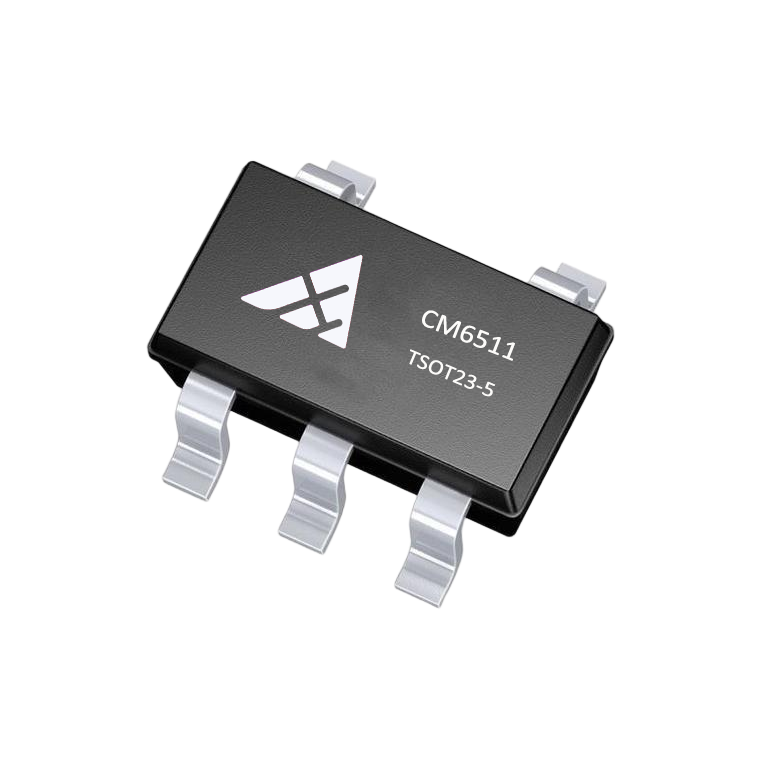
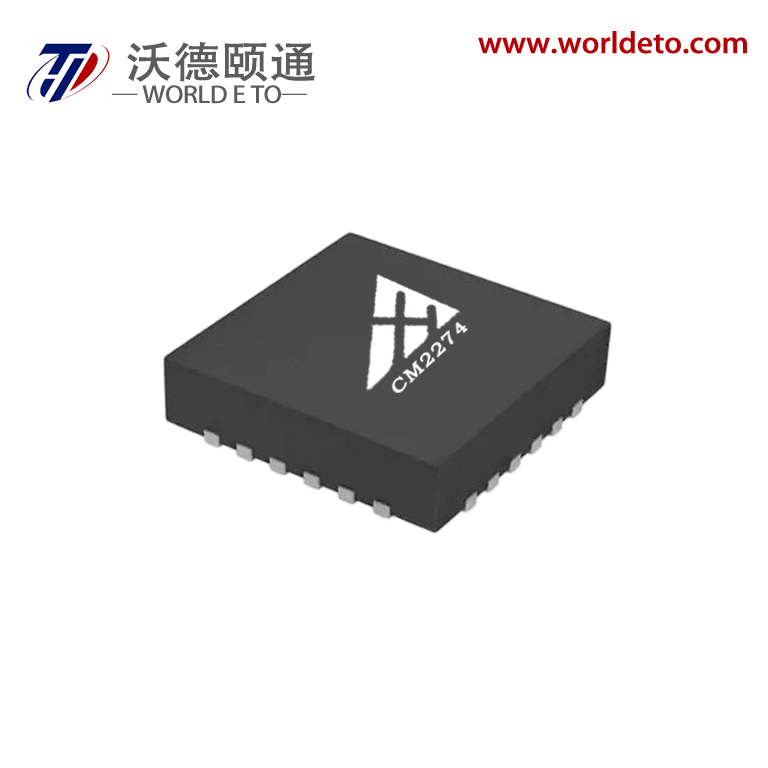
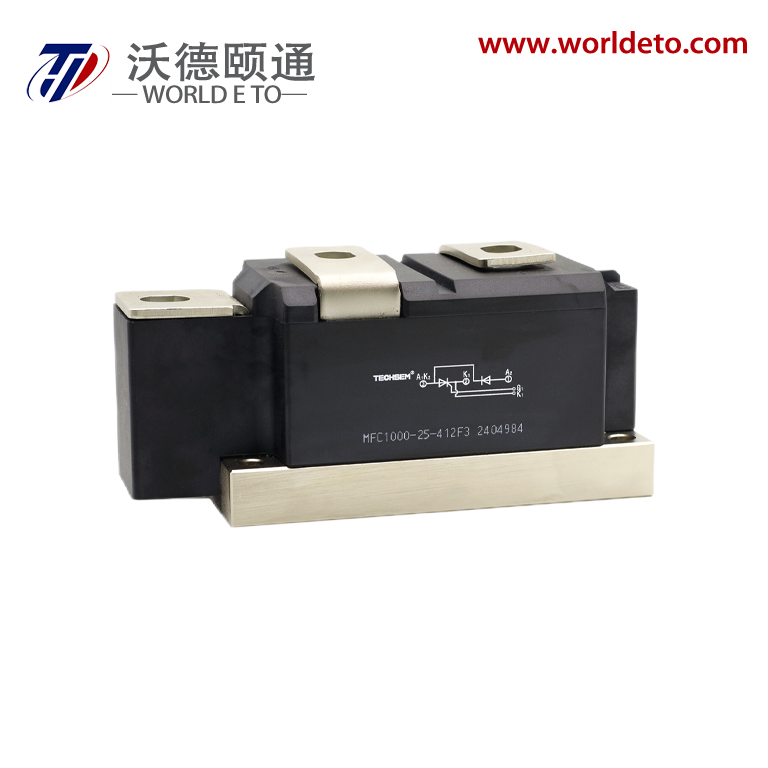
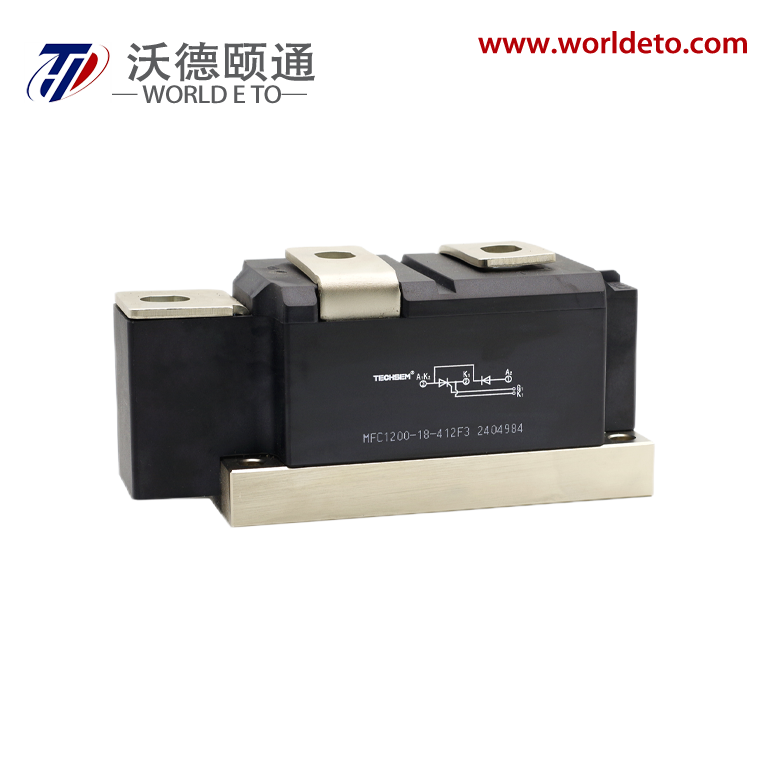
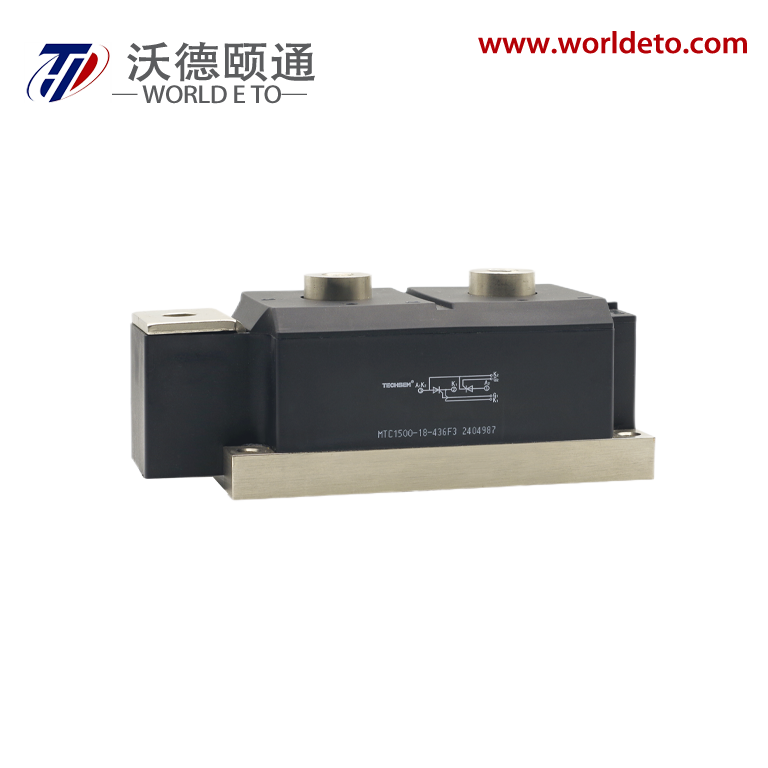
A discrete transistor represents a fundamental semiconductor component that operates as an individual electronic switching and amplification device. Unlike integrated circuits that combine multiple components on a single chip, the discrete transistor functions as a standalone unit, offering engineers and designers precise control over circuit performance. These semiconductor devices primarily serve three essential functions: signal amplification, electronic switching, and voltage regulation. The discrete transistor achieves these operations through the controlled movement of electrical current between three terminals, typically designated as the collector, base, and emitter in bipolar junction transistors, or drain, gate, and source in field-effect transistors. The technological architecture of discrete transistors incorporates advanced semiconductor materials, predominantly silicon and gallium arsenide, engineered to deliver superior electrical characteristics. Manufacturing processes employ sophisticated doping techniques that introduce specific impurities into the crystal structure, creating regions with distinct electrical properties. This precise material engineering enables discrete transistors to handle varying power levels, from low-signal applications requiring minimal current to high-power industrial systems demanding substantial electrical capacity. Modern discrete transistor designs incorporate enhanced thermal management features, including specialized packaging materials and heat dissipation structures that maintain optimal operating temperatures. Applications for discrete transistors span numerous industries and technological sectors. Power management systems rely on discrete transistors to regulate electrical flow in power supplies, motor controllers, and battery management circuits. Audio equipment manufacturers integrate discrete transistors into amplification stages, delivering superior sound quality through precise signal processing. Automotive electronics utilize discrete transistors in engine control units, lighting systems, and safety mechanisms. Telecommunications infrastructure depends on discrete transistors for signal processing, frequency conversion, and power amplification in base stations and communication equipment. Consumer electronics incorporate discrete transistors in switching power supplies, display drivers, and sensor interface circuits, enabling compact and efficient device operation across diverse applications.

New Product Recommendations

Discrete transistors deliver exceptional performance benefits that make them indispensable components in modern electronic design. Engineers choose discrete transistors because they provide superior control over circuit behavior compared to integrated alternatives. The primary advantage lies in their ability to handle higher power levels while maintaining thermal stability. Unlike integrated circuits that distribute heat across multiple components, discrete transistors concentrate thermal management in a single component, allowing for more effective cooling solutions and preventing thermal interference between circuit elements. This thermal isolation ensures consistent performance even under demanding operating conditions. The design flexibility offered by discrete transistors enables engineers to optimize each component for specific applications. Manufacturers can select exact specifications including current handling capacity, voltage ratings, and switching speeds that perfectly match circuit requirements. This precision eliminates the compromises often necessary when using integrated solutions that combine multiple functions in predetermined configurations. Engineers appreciate the ability to fine-tune circuit performance by choosing discrete transistors with exact characteristics needed for optimal operation. Cost effectiveness represents another significant advantage, particularly in high-volume production scenarios. Discrete transistors typically cost less than specialized integrated circuits, especially when only basic switching or amplification functions are required. This economic benefit becomes more pronounced in applications where multiple identical functions are needed, as engineers can use standardized discrete components rather than expensive custom integrated solutions. The manufacturing economies of scale for discrete transistors result in consistent availability and competitive pricing across global markets. Reliability and longevity distinguish discrete transistors in critical applications. These components undergo rigorous testing and qualification processes that ensure consistent performance over extended operational periods. The simplified internal structure of discrete transistors reduces potential failure points compared to complex integrated circuits, contributing to improved system reliability. When failures do occur, discrete transistors enable straightforward troubleshooting and replacement procedures, minimizing system downtime and maintenance costs. This reliability advantage proves particularly valuable in industrial automation, aerospace, and medical equipment where component failure can have serious consequences. Performance characteristics of discrete transistors often exceed those of integrated alternatives in specialized applications. High-frequency performance, low noise characteristics, and precise linearity make discrete transistors essential components in radio frequency circuits, precision instrumentation, and high-fidelity audio systems. The ability to optimize single-function performance without compromise enables engineers to achieve superior circuit specifications that would be difficult or impossible to attain using integrated solutions.

Tips And Tricks

Low-Power Design Secrets: Utilizing Precision LDOs and Voltage References for Extended Battery Life

07

Jan

Low-Power Design Secrets: Utilizing Precision LDOs and Voltage References for Extended Battery Life

Modern electronic systems demand increasingly sophisticated power management strategies to achieve extended battery life while maintaining optimal performance. The integration of precision LDOs and voltage references has become a cornerstone of effic...
View More
Building Reliable Systems: The Role of Precision Voltage References and LDOs in Industrial Applications

07

Jan

Building Reliable Systems: The Role of Precision Voltage References and LDOs in Industrial Applications

Industrial automation and control systems demand unwavering accuracy and reliability to ensure optimal performance across diverse operating conditions. At the heart of these sophisticated systems lie critical components that provide stable power mana...
View More
High-Performance ADC Chips and Precision DACs: Analysis of High-Speed, Low-Power Domestic Alternatives

02

Feb

High-Performance ADC Chips and Precision DACs: Analysis of High-Speed, Low-Power Domestic Alternatives

The semiconductor industry has witnessed unprecedented growth in demand for high-performance analog-to-digital converter chips and precision digital-to-analog converters. As electronic systems become increasingly sophisticated, the need for reliable,...
View More
From ADC to LDO: Complete High-Precision, Low-Power Domestic Chip Replacement Solutions

02

Feb

From ADC to LDO: Complete High-Precision, Low-Power Domestic Chip Replacement Solutions

The semiconductor industry faces unprecedented challenges as global supply chain disruptions and geopolitical tensions drive demand for reliable domestic chip replacement solutions. Companies across industries are increasingly seeking alternatives to...
View More

Get a Free Quote

Our representative will contact you soon.
Email
Name
Company Name
Message
0/1000

discrete transistor

Superior Power Handling and Thermal Management

Superior Power Handling and Thermal Management

Discrete transistors excel in power handling applications through their dedicated thermal management capabilities and robust construction. Unlike integrated circuits that must balance thermal dissipation across multiple components, discrete transistors concentrate all thermal management resources on a single function, enabling exceptional power handling efficiency. This focused approach allows discrete transistors to safely manage substantial electrical currents and voltages while maintaining stable operating temperatures. The physical construction of discrete transistors incorporates advanced packaging technologies specifically designed for thermal management. Heat dissipation occurs through carefully engineered thermal pathways that conduct heat away from the active semiconductor junction to external heat sinks or cooling systems. This thermal architecture prevents temperature-induced performance degradation and extends component operational life significantly. Manufacturing processes for discrete transistors optimize the semiconductor crystal structure to handle high current densities without thermal runaway or electrical instability. Engineers designing high-power applications rely on discrete transistors because they can specify exact thermal resistance values and power dissipation limits that match system requirements. The ability to select components with precise thermal characteristics enables optimal system design where thermal management becomes a critical success factor. Industrial motor controllers, power inverters, and switching power supplies benefit from this thermal precision, achieving higher efficiency and reliability compared to integrated alternatives. The thermal isolation provided by discrete transistors prevents heat generated in power handling circuits from affecting sensitive analog or digital components elsewhere in the system. This isolation capability proves essential in mixed-signal applications where thermal interference can degrade performance or cause system instability. Discrete transistors enable engineers to implement effective thermal barriers that maintain optimal operating conditions for all circuit elements. Advanced discrete transistor designs incorporate specialized thermal enhancement features including exposed heat sink tabs, thermal vias, and optimized die attach materials that maximize heat transfer efficiency. These thermal management innovations enable discrete transistors to operate at higher power levels while maintaining junction temperatures within safe operating limits, extending component life and improving system reliability.
Unmatched Design Flexibility and Customization

Unmatched Design Flexibility and Customization

Design flexibility represents one of the most compelling advantages of discrete transistors, offering engineers unprecedented control over circuit performance and optimization. This flexibility stems from the ability to select individual components with exact electrical characteristics that precisely match application requirements, eliminating the compromises inherent in integrated solutions. Engineers can choose from thousands of discrete transistor variations, each optimized for specific electrical parameters including gain bandwidth, input impedance, output characteristics, and frequency response. This extensive selection enables circuit designers to achieve optimal performance in specialized applications where generic integrated circuits cannot provide adequate functionality. The modular nature of discrete transistors facilitates iterative design processes where engineers can experiment with different component combinations to optimize circuit behavior. Prototyping becomes more efficient when discrete components allow easy substitution and modification without requiring complete circuit redesign. This design agility accelerates development cycles and enables engineers to fine-tune performance characteristics through component selection rather than complex circuit modifications. Critical applications in aerospace, medical devices, and precision instrumentation benefit from this design flexibility, where performance optimization often determines project success. Discrete transistors enable engineers to implement custom biasing networks, feedback configurations, and impedance matching circuits that optimize performance for specific operating conditions. The ability to independently control each circuit element provides design freedom impossible with integrated solutions that predetermine internal circuit arrangements. This control extends to thermal management, where engineers can position discrete transistors optimally within system layouts to minimize thermal interference and maximize cooling efficiency. Manufacturing flexibility represents another significant advantage, as discrete transistors can be sourced from multiple suppliers and manufactured using different processes to meet specific quality, cost, or availability requirements. This supply chain flexibility reduces project risks associated with single-source components and enables cost optimization through competitive sourcing. Engineers appreciate the ability to maintain design compatibility while optimizing procurement strategies based on market conditions and project requirements. The longevity of discrete transistor designs provides additional flexibility advantages, as proven component types remain available for extended periods, supporting long-term product maintenance and evolution. This availability stability enables engineers to design systems with confidence in long-term component support, particularly important in industrial and infrastructure applications where product lifecycles extend over decades.
Cost-Effective Solution for High-Volume Production

Cost-Effective Solution for High-Volume Production

Cost effectiveness establishes discrete transistors as preferred components in high-volume manufacturing environments where economic efficiency directly impacts product competitiveness. The fundamental cost advantage stems from the simplified manufacturing processes required to produce single-function semiconductor devices compared to complex integrated circuits. Discrete transistor production utilizes mature fabrication technologies that have been optimized over decades, resulting in high yields and low manufacturing costs. This production efficiency translates directly into competitive component pricing that benefits manufacturers across all volume levels. Volume pricing advantages become particularly pronounced in high-volume production scenarios where discrete transistors demonstrate exceptional cost scaling characteristics. Manufacturers purchasing discrete transistors in quantities of thousands or millions benefit from significant per-unit cost reductions that improve product margins and competitive positioning. The standardized nature of discrete transistor designs enables suppliers to achieve manufacturing economies of scale that benefit all customers through lower pricing structures. This cost advantage becomes more significant when compared to custom or semi-custom integrated circuits that require dedicated manufacturing runs and specialized processes. Supply chain economics favor discrete transistors through multiple sourcing opportunities and competitive market dynamics. The availability of discrete transistors from numerous global suppliers creates competitive pricing pressure that consistently drives costs downward while maintaining quality standards. Engineers can optimize procurement costs by selecting from multiple suppliers offering compatible components, reducing dependency risks while achieving cost targets. This competitive environment ensures that discrete transistor pricing remains attractive compared to integrated alternatives across diverse application requirements. Inventory management costs decrease when using discrete transistors because standardized components can serve multiple product lines and applications. Manufacturers can achieve inventory optimization through component standardization, reducing carrying costs and obsolescence risks associated with specialized integrated circuits. The long-term availability of discrete transistor designs enables strategic inventory planning that supports multiple product generations without component obsolescence concerns. Total cost of ownership advantages extend beyond initial component costs to include reduced development expenses, simplified testing procedures, and streamlined manufacturing processes. Discrete transistors require less complex testing equipment and procedures compared to integrated circuits, reducing production overhead costs. The simplified failure analysis and replacement procedures for discrete components minimize field service costs and improve customer satisfaction. These comprehensive cost advantages make discrete transistors essential components for manufacturers seeking to optimize product economics while maintaining performance and reliability standards in competitive markets.

Get a Free Quote

Our representative will contact you soon.
Email
Name
Company Name
Message
0/1000