
All Categories
Get a Quote

Get a Free Quote

Our representative will contact you soon.
Email
Name
Company Name
Message
0/1000

IGBT Module Thermal Management: Best Practices for System Reliability

2026-04-29 17:21:06
IGBT Module Thermal Management: Best Practices for System Reliability

Effective thermal management stands as the cornerstone of reliable IGBT module operation, directly influencing system performance, longevity, and operational safety. Modern industrial applications demand increasingly higher power densities from IGBT modules, making thermal control strategies more critical than ever. The relationship between temperature and semiconductor reliability follows well-established physics principles, where every 10°C increase in junction temperature can reduce device lifespan by approximately 50%. Understanding and implementing proper thermal management practices ensures that IGBT module installations deliver consistent performance while minimizing unexpected failures and maintenance costs.

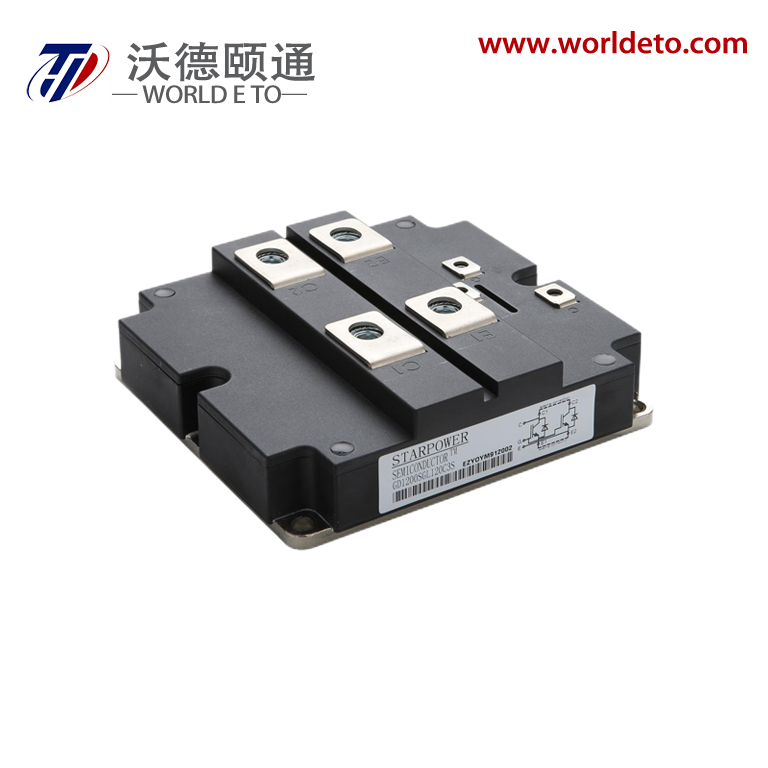
IGBT module,GD2400SGL120C3S,1200V 2400A,STARPOWER.png

Industrial engineers and system designers face mounting pressure to optimize IGBT module thermal performance as power electronics systems push toward higher switching frequencies and increased current densities. The thermal management challenge extends beyond simple heat removal, encompassing thermal interface materials, heat sink design, cooling system architecture, and environmental considerations. Successful thermal management requires a systematic approach that addresses both steady-state and transient thermal behavior, ensuring that IGBT modules operate within safe temperature limits throughout their entire operational envelope. This comprehensive approach to thermal control directly translates into improved system reliability, reduced maintenance requirements, and enhanced return on investment for power electronics installations.

Understanding IGBT Module Heat Generation Mechanisms

Conduction and Switching Losses in IGBT Modules

IGBT module heat generation primarily occurs through two distinct mechanisms: conduction losses and switching losses. Conduction losses develop when current flows through the IGBT during its on-state, creating resistive heating proportional to the square of the current and the device's on-state resistance. This continuous heat generation represents the baseline thermal load that thermal management systems must handle throughout normal operation. The magnitude of conduction losses depends on the IGBT module's current rating, switching frequency, and duty cycle, making accurate loss calculation essential for thermal system design.

Switching losses occur during the turn-on and turn-off transitions of the IGBT module, when both voltage and current are present simultaneously across the device. These transient losses contribute significantly to total power dissipation, particularly in high-frequency applications where switching events occur thousands of times per second. The energy lost during each switching cycle depends on the switching speed, load current, DC bus voltage, and gate drive characteristics. Modern IGBT modules incorporate advanced chip designs and packaging technologies to minimize switching losses, but proper thermal management remains crucial for handling the generated heat effectively.

Additional heat sources within IGBT modules include reverse recovery losses in the integrated diodes and losses in the gate drive circuitry. These secondary heat sources, while smaller in magnitude than the primary conduction and switching losses, contribute to the overall thermal load and must be considered in comprehensive thermal analysis. Understanding the distribution of heat generation within the IGBT module enables designers to optimize cooling strategies and identify potential hot spots that could compromise device reliability.

Thermal Resistance Networks and Heat Flow Paths

The thermal behavior of IGBT modules can be accurately modeled using thermal resistance networks that represent the heat flow path from the silicon junction to the ambient environment. This network includes junction-to-case thermal resistance, case-to-heatsink thermal resistance, and heatsink-to-ambient thermal resistance. Each component in this thermal chain contributes to the overall temperature rise, and optimization efforts must address all elements to achieve maximum cooling effectiveness. The junction-to-case thermal resistance is fixed by the IGBT module design and packaging technology, while the remaining thermal resistances can be optimized through proper system design.

Thermal interface materials play a crucial role in minimizing case-to-heatsink thermal resistance by eliminating air gaps and improving thermal conduction between surfaces. The selection of thermal interface materials depends on factors including thermal conductivity, mechanical compliance, long-term stability, and electrical isolation requirements. High-performance thermal greases, phase-change materials, and thermal pads each offer distinct advantages depending on the application requirements. Proper application of thermal interface materials requires attention to thickness control, coverage uniformity, and assembly procedures to ensure optimal thermal performance throughout the system's operational life.

Heat flow patterns within IGBT modules are influenced by the internal packaging structure, including the placement of semiconductor chips, wire bonds, and metallization patterns. Advanced IGBT modules utilize optimized layouts that spread heat generation across multiple chips and incorporate features such as direct bonded copper substrates to enhance thermal conduction. Understanding these internal heat flow patterns helps system designers select appropriate mounting orientations and cooling configurations that work with the module's thermal characteristics rather than against them.

Heat Sink Design and Selection Criteria

Calculation Methods for Heat Sink Thermal Resistance

Accurate calculation of heat sink thermal resistance provides the foundation for effective IGBT module cooling system design. The required heat sink thermal resistance can be determined by subtracting the junction-to-case and case-to-heatsink thermal resistances from the total allowable thermal resistance between junction and ambient. This calculation must account for the maximum anticipated power dissipation, ambient temperature variations, and desired safety margins to ensure reliable operation under all operating conditions. The thermal resistance calculation should also consider transient thermal behavior for applications with variable load profiles or intermittent operation.

Heat sink effectiveness depends on several geometric and material factors, including fin density, fin height, base thickness, and thermal conductivity. Natural convection heat sinks rely on buoyancy-driven airflow and must provide sufficient surface area and fin spacing to promote effective heat transfer. Forced convection heat sinks benefit from directed airflow and can achieve lower thermal resistance through optimized fin geometries that balance heat transfer enhancement with pressure drop considerations. The selection between natural and forced convection cooling depends on system requirements, power levels, and environmental constraints.

Advanced heat sink designs incorporate features such as heat pipes, vapor chambers, or liquid cooling loops to achieve superior thermal performance in demanding applications. These technologies enable heat transfer from the IGBT module to remote cooling locations or provide enhanced heat spreading capabilities that reduce local temperature gradients. The integration of advanced cooling technologies requires careful consideration of reliability, maintenance requirements, and system complexity to ensure that the thermal management solution aligns with overall system design objectives.

Material Selection and Surface Treatment Options

Heat sink material selection significantly impacts thermal performance, weight, cost, and manufacturing flexibility. Aluminum alloys represent the most common choice for IGBT module heat sinks due to their excellent thermal conductivity, light weight, corrosion resistance, and cost-effectiveness. Aluminum heat sinks can be manufactured using extrusion, die casting, or machining processes, enabling complex geometries that optimize heat transfer performance. The thermal conductivity of aluminum heat sinks can be further enhanced through the use of high-purity alloys or composite materials that incorporate thermally conductive fillers.

Copper heat sinks offer superior thermal conductivity compared to aluminum but at increased weight and material cost. The higher thermal conductivity of copper provides particular benefits in applications where heat spreading is critical or where thermal resistance minimization justifies the additional expense. Copper heat sinks are often used in high-power IGBT module applications where maximum cooling effectiveness outweighs weight and cost considerations. The selection between aluminum and copper depends on the specific thermal requirements, system constraints, and economic factors relevant to each application.

Surface treatments and coatings can enhance heat sink performance through improved emissivity, corrosion resistance, or surface area enhancement. Black anodizing increases thermal radiation for natural convection cooling, while specialized coatings can provide electrical isolation or chemical resistance in harsh environments. Micro-fin technologies and surface texturing techniques increase the effective heat transfer area, particularly benefiting forced convection applications. The selection of surface treatments must consider the operating environment, cleaning requirements, and long-term durability to ensure sustained thermal performance throughout the system's operational life.

Forced Air Cooling Systems and Optimization

Fan Selection and Airflow Distribution Strategies

Forced air cooling systems provide enhanced thermal performance for IGBT modules through controlled airflow that increases convective heat transfer coefficients. Fan selection requires careful consideration of airflow rate, static pressure capability, noise levels, power consumption, and reliability characteristics. The relationship between fan performance and heat sink thermal resistance is nonlinear, with diminishing returns at higher airflow rates. Optimal fan selection balances thermal performance requirements with energy efficiency and acoustic considerations to achieve the most effective cooling solution.

Airflow distribution within the cooling system significantly affects thermal performance and temperature uniformity across multiple IGBT modules. Proper duct design, fan placement, and flow management ensure that cooling air reaches all critical components with sufficient velocity and temperature margin. Computational fluid dynamics analysis can optimize airflow patterns and identify potential recirculation zones or flow stagnation areas that could compromise cooling effectiveness. The design of air intake and exhaust paths must consider external environmental factors, including ambient temperature, humidity, and contamination levels.

Variable speed fan control provides additional optimization opportunities by adjusting cooling capacity to match thermal load requirements. This approach reduces energy consumption during light load conditions while maintaining adequate cooling margin during peak power operation. Temperature-based fan speed control requires careful sensor placement and control algorithm design to provide responsive thermal management without excessive cycling or instability. The integration of smart fan control with overall system monitoring enhances both efficiency and reliability of IGBT module cooling systems.

Duct Design and Flow Management Techniques

Effective duct design ensures efficient delivery of cooling air to IGBT modules while minimizing pressure losses and flow disruption. The duct cross-sectional area should be sized to maintain appropriate air velocities that balance heat transfer effectiveness with pressure drop considerations. Sudden area changes, sharp turns, and flow obstructions create pressure losses that reduce cooling system efficiency and may require larger fans to maintain adequate airflow. Smooth transitions, rounded corners, and streamlined flow paths optimize air delivery and reduce fan power requirements.

Air filtration systems protect IGBT modules and heat sinks from contamination that could degrade thermal performance over time. Filter selection must balance particle removal efficiency with airflow resistance to maintain cooling effectiveness while providing adequate protection. Cleanable or replaceable filters enable maintenance of cooling system performance throughout the operational life of the installation. The filter maintenance schedule should be established based on environmental conditions and system monitoring to prevent excessive pressure drop that could compromise thermal management.

Flow management devices such as flow straighteners, turning vanes, and diffusers can improve air distribution uniformity and reduce turbulence that might impair heat transfer. These devices are particularly beneficial in systems with multiple IGBT modules where uniform cooling is essential for balanced thermal performance. The design of flow management systems should consider manufacturing tolerances, assembly requirements, and maintenance accessibility to ensure practical implementation and long-term effectiveness.

Liquid Cooling Solutions for High-Power Applications

Coolant Selection and System Architecture

Liquid cooling systems provide superior thermal performance for high-power IGBT modules where air cooling proves insufficient or where space constraints limit heat sink size. Coolant selection depends on factors including thermal properties, electrical conductivity, corrosion potential, freezing point, and environmental compatibility. Water-based coolants offer excellent thermal properties but require electrical isolation and corrosion inhibitors to ensure safe operation with power electronics. Dielectric coolants eliminate electrical safety concerns but typically exhibit lower thermal conductivity and higher cost compared to water-based alternatives.

System architecture for liquid-cooled IGBT modules includes coolant pumps, heat exchangers, expansion tanks, and distribution piping that must be designed for reliable operation throughout the system's operational life. The coolant flow rate must provide adequate heat transfer while maintaining reasonable pressure drop and pump power requirements. Heat exchanger sizing depends on the heat rejection rate, coolant properties, and available heat sink capacity, whether air-cooled or connected to building cooling systems. Redundant pumps and flow monitoring provide system reliability assurance for critical applications.

Cold plate design for IGBT modules requires optimization of internal flow channels to maximize heat transfer while minimizing pressure drop and temperature non-uniformity. Advanced cold plate designs incorporate features such as micro-channels, pin fins, or turbulence promoters to enhance heat transfer coefficients. The integration of cold plates with IGBT module packaging must consider thermal interface materials, mounting hardware, and assembly procedures to ensure reliable thermal and mechanical performance. Leak detection and containment systems provide additional safety assurance for liquid cooling installations.

Maintenance Requirements and System Monitoring

Liquid cooling systems require regular maintenance to ensure sustained thermal performance and prevent system failures that could compromise IGBT module reliability. Coolant quality monitoring includes checks for pH levels, conductivity, corrosion inhibitor concentration, and biological growth that could affect thermal performance or system integrity. Coolant replacement schedules should be established based on manufacturer recommendations and operating conditions to maintain optimal thermal properties and prevent system degradation.

System monitoring for liquid-cooled IGBT modules includes temperature sensors, flow meters, pressure gauges, and leak detection systems that provide continuous assessment of cooling system performance. Abnormal conditions such as flow reduction, temperature rise, or pressure changes can indicate impending system problems that require corrective action before IGBT module damage occurs. Automated monitoring systems can provide early warning of cooling system issues and enable preventive maintenance scheduling that minimizes system downtime.

Preventive maintenance procedures for liquid cooling systems include filter replacement, pump inspection, heat exchanger cleaning, and system leak testing. The maintenance schedule should consider operating environment, coolant type, and system design to ensure adequate protection without excessive maintenance burden. Documentation of maintenance activities and system performance trends enables optimization of maintenance intervals and identification of system improvements that enhance long-term reliability.

Environmental Factors and Protection Strategies

Altitude, Humidity, and Temperature Compensation

Environmental operating conditions significantly influence IGBT module thermal management requirements and cooling system performance. Altitude affects air density and cooling effectiveness of air-cooled systems, requiring compensation in fan sizing or heat sink design for installations above sea level. The reduction in air density at altitude decreases convective heat transfer coefficients, potentially requiring larger heat sinks or higher airflow rates to maintain equivalent thermal performance. Atmospheric pressure changes also affect the boiling point of liquid coolants and may influence cooling system design for high-altitude installations.

Humidity levels impact cooling system performance through effects on air properties and potential condensation issues that could affect IGBT module operation. High humidity reduces air thermal conductivity and heat capacity, while very low humidity can create static electricity concerns that require special handling procedures. Condensation control becomes critical in applications where ambient temperature varies significantly or where cooling systems operate below the dew point of surrounding air. Proper enclosure design and humidity control prevent moisture-related problems that could compromise system reliability.

Temperature compensation strategies account for variations in ambient temperature that directly affect cooling system performance and IGBT module thermal stress. Higher ambient temperatures reduce the thermal driving force for heat removal and may require enhanced cooling capacity or reduced power operation to maintain safe junction temperatures. Cold ambient conditions can affect coolant properties, fan motor performance, and thermal stresses from temperature gradients. Adaptive thermal management systems can adjust cooling parameters based on environmental conditions to optimize performance and reliability across the full operating temperature range.

Contamination Control and Protection Methods

Contamination control protects IGBT modules and cooling systems from airborne particles, corrosive gases, and chemical deposits that can degrade thermal performance and reliability. Dust accumulation on heat sink surfaces reduces heat transfer effectiveness and can create electrical tracking paths that pose safety risks. Regular cleaning schedules and filtration systems prevent contamination buildup that could compromise cooling performance or create maintenance hazards. The selection of cleaning methods must consider material compatibility and electrical safety requirements specific to IGBT module installations.

Corrosive environments require special materials and protective coatings for cooling system components exposed to chemical attack. Aluminum heat sinks may require anodizing or protective coatings in corrosive atmospheres, while liquid cooling systems need corrosion-resistant materials and inhibitor systems. Environmental sealing of electronic components and cooling system interfaces prevents contamination ingress that could cause performance degradation or failure. The level of environmental protection must be matched to the specific exposure conditions expected throughout the system's operational life.

Air quality monitoring and filtration systems provide active contamination control for critical IGBT module installations. Particle counters and chemical sensors can trigger maintenance actions before contamination levels reach harmful thresholds. Advanced filtration systems with multiple stages remove various contaminant types while maintaining adequate airflow for cooling effectiveness. The filtration system design should consider maintenance accessibility, filter replacement costs, and pressure drop impacts on cooling performance to ensure practical long-term operation.

FAQ

What is the optimal junction temperature for IGBT modules?

The optimal junction temperature for IGBT modules typically ranges from 100°C to 125°C maximum, depending on the specific device rating and manufacturer specifications. Most IGBT modules are designed to operate continuously at junction temperatures up to 150°C, but maintaining lower temperatures significantly improves reliability and extends operational life. For maximum longevity, keeping junction temperatures below 125°C during normal operation provides the best balance between performance and reliability, as each 10°C reduction in operating temperature can approximately double the device lifespan.

How often should thermal interface materials be replaced in IGBT module installations?

Thermal interface materials should typically be inspected and potentially replaced every 2-3 years in normal operating conditions, though this interval may vary based on operating temperature, thermal cycling, and environmental factors. High-quality thermal compounds can maintain performance for 5-10 years under stable conditions, while thermal pads may last even longer. Signs that indicate replacement needs include visible degradation, increased thermal resistance measurements, or higher than normal operating temperatures. Regular thermal monitoring provides the best indication of when thermal interface materials require replacement.

Can IGBT modules operate safely without forced air cooling?

IGBT modules can operate safely with natural convection cooling if properly sized heat sinks are used and power levels remain within thermal limits for the ambient conditions. Natural convection cooling is often sufficient for low to moderate power applications, typically under 100-200 watts per module, depending on ambient temperature and heat sink design. For higher power applications or elevated ambient temperatures, forced air cooling becomes necessary to maintain safe operating temperatures and ensure reliable long-term operation.

What are the warning signs of inadequate thermal management in IGBT systems?

Warning signs of inadequate thermal management include increasing case or heat sink temperatures over time, premature device failures, decreased switching performance, increased electromagnetic interference, and visible signs of thermal stress such as discolored components or thermal interface material degradation. System monitoring should track temperature trends, as gradual temperature increases often indicate degrading thermal performance before catastrophic failures occur. Unusual noise from cooling fans, reduced airflow, or coolant leaks in liquid-cooled systems also indicate thermal management problems requiring immediate attention.