16 Bit ADC: High-Precision Analog-to-Digital Converters for Professional Applications

All Categories
Get a Quote

Get a Free Quote

Our representative will contact you soon.
Email
Name
Company Name
Message
0/1000

16 bit adc

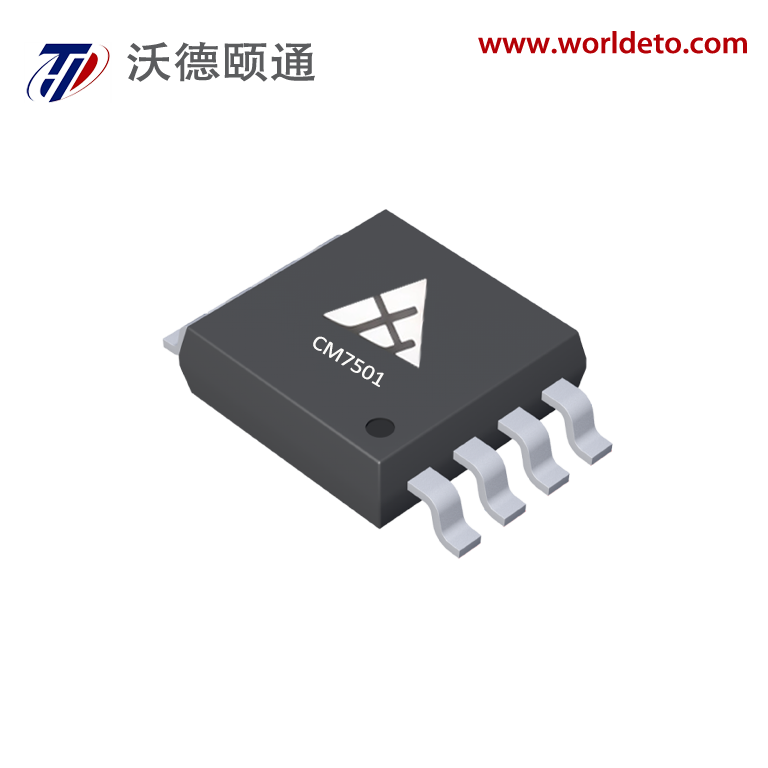
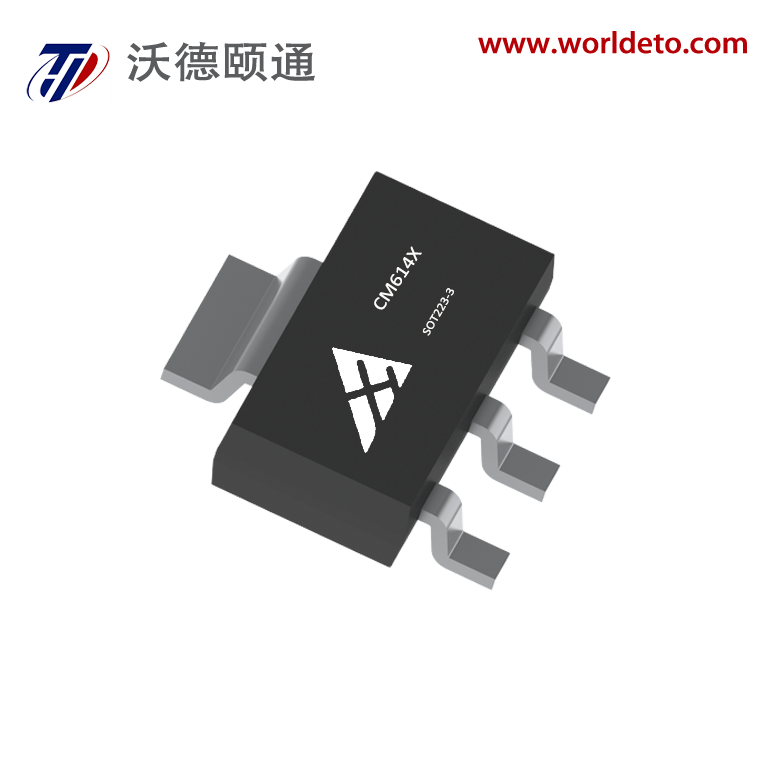
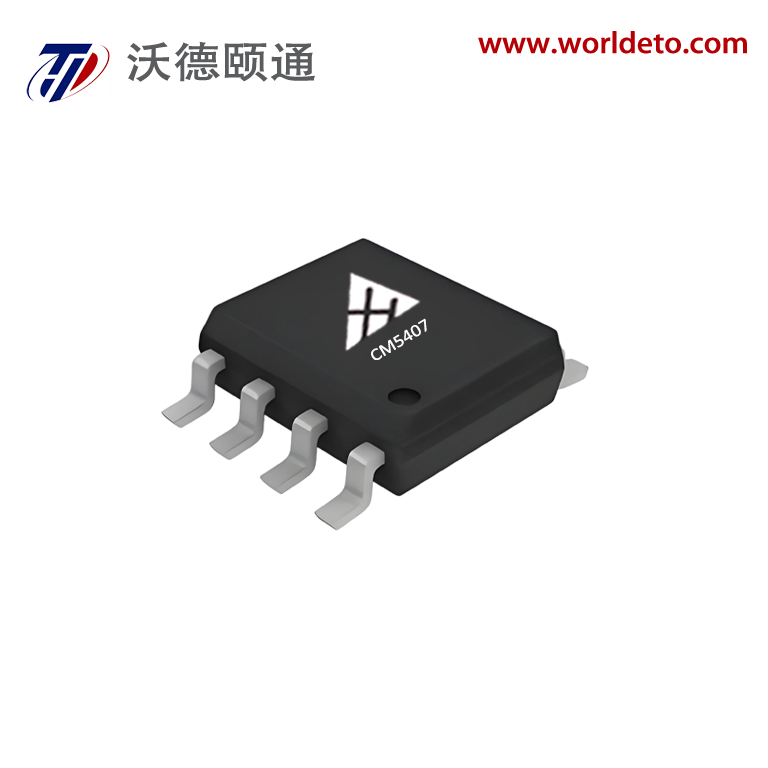
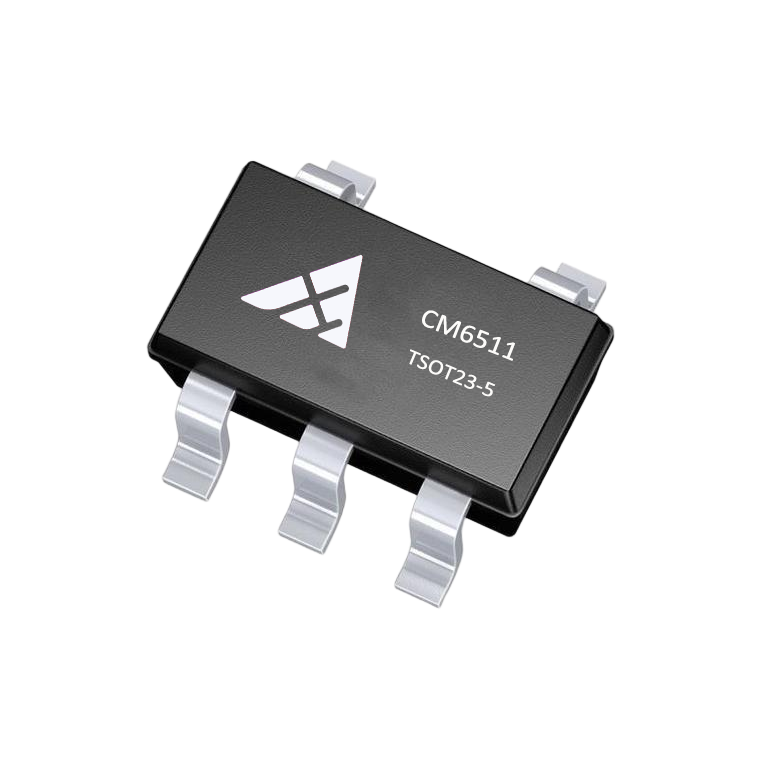
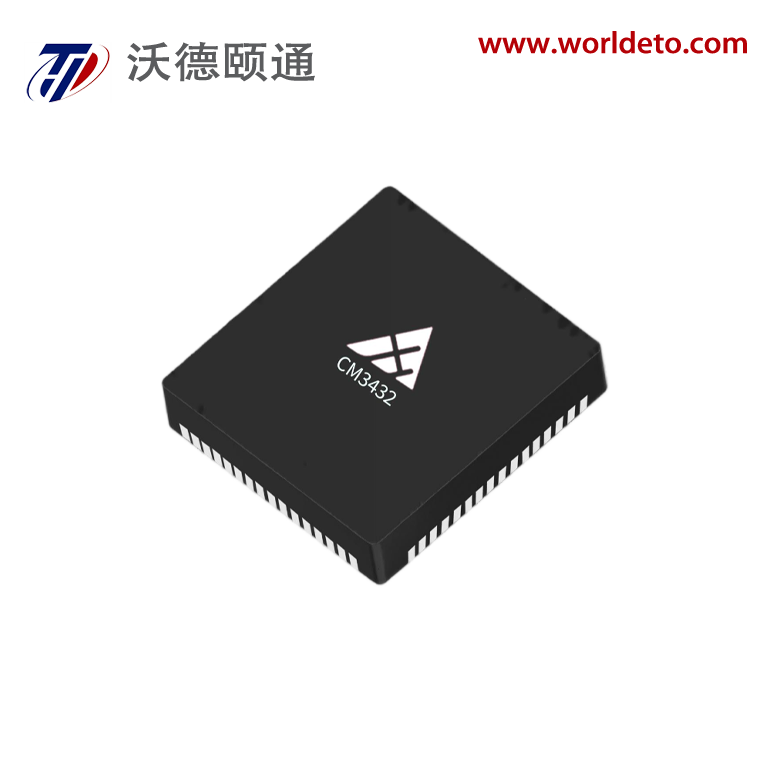
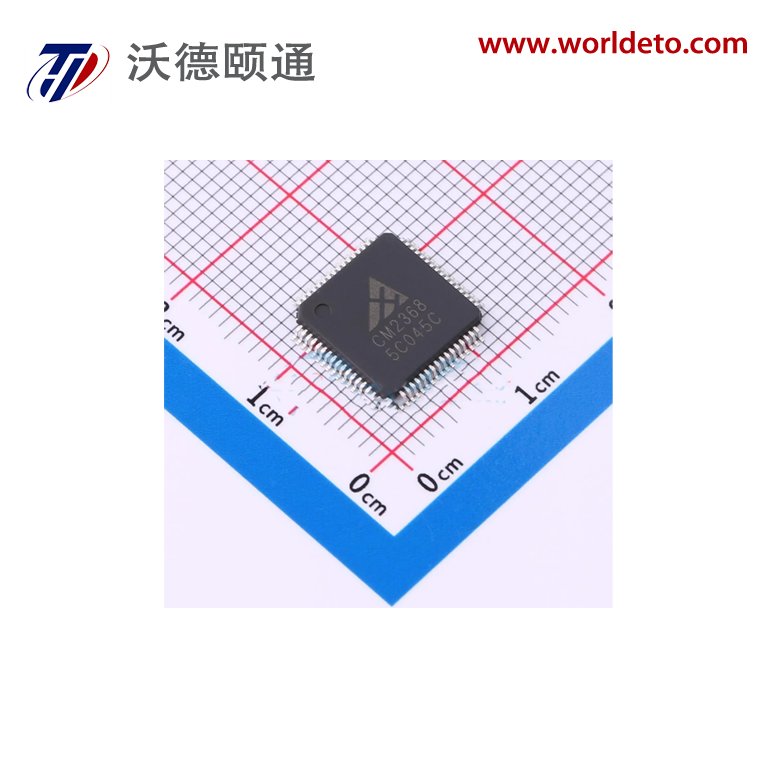
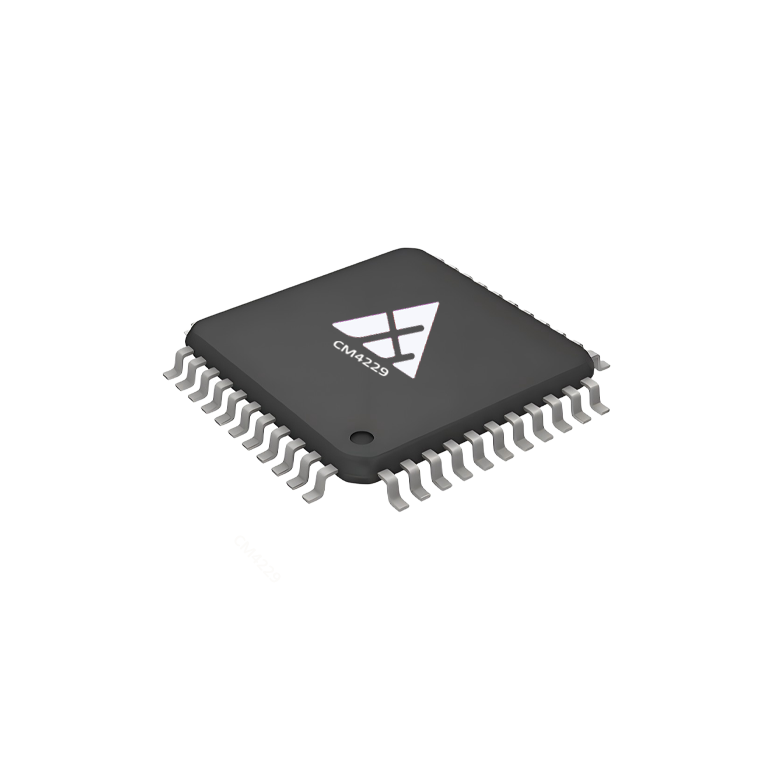
A 16 bit adc represents a sophisticated analog-to-digital converter that transforms continuous analog signals into precise digital representations using 16-bit resolution. This advanced electronic component operates by sampling analog voltage inputs and converting them into digital values with exceptional accuracy, providing 65,536 discrete levels of measurement precision. The 16 bit adc serves as a critical bridge between the analog world of sensors and the digital realm of microprocessors and computers. Its primary function involves capturing real-world analog signals such as temperature readings, pressure measurements, audio waveforms, and voltage variations, then translating these continuous signals into digital format for processing, storage, and analysis. The technological foundation of a 16 bit adc relies on sophisticated sampling techniques, including successive approximation registers, delta-sigma modulation, or pipeline architectures. These converters typically operate with sampling rates ranging from kilohertz to megahertz frequencies, depending on the specific application requirements. The resolution capability of 16 bits enables the device to distinguish between voltage differences as small as 1 part in 65,536 of the full-scale range, making it ideal for applications demanding high precision. Modern 16 bit adc units incorporate advanced features such as programmable gain amplifiers, differential input configurations, multiple input channels, and built-in reference voltage sources. Many models include digital filtering capabilities, automatic calibration systems, and serial communication interfaces like SPI or I2C for seamless integration with microcontrollers. Applications for 16 bit adc technology span numerous industries and sectors. In medical equipment, these converters enable precise measurement of vital signs and diagnostic parameters. Industrial automation systems rely on 16 bit adc components for monitoring process variables, controlling manufacturing equipment, and ensuring quality control. Audio recording equipment utilizes these converters to capture high-fidelity sound reproduction. Scientific instrumentation depends on 16 bit adc precision for research measurements, data acquisition systems, and laboratory analysis equipment. The automotive industry employs these converters in engine management systems, safety monitoring, and advanced driver assistance technologies.

New Product Recommendations

The 16 bit adc delivers remarkable measurement precision that significantly surpasses lower-resolution alternatives, providing users with exceptional accuracy for critical applications. This superior precision translates directly into better system performance, reduced measurement errors, and improved product quality across diverse industries. Users benefit from the ability to detect minute signal variations that would remain invisible with lesser resolution converters, enabling more sophisticated control algorithms and enhanced system responsiveness. The high resolution of a 16 bit adc eliminates the need for complex analog signal conditioning circuits in many applications, simplifying overall system design and reducing component costs. This streamlined approach reduces development time, lowers manufacturing expenses, and minimizes potential failure points within the system architecture. Engineers appreciate the flexibility that 16 bit adc technology provides through programmable features and configurable parameters. Users can adjust sampling rates, input ranges, and filtering characteristics to match specific application requirements without hardware modifications. This adaptability reduces inventory costs and simplifies product customization for different market segments. The superior signal-to-noise ratio achieved by 16 bit adc components ensures clean, reliable data acquisition even in electrically noisy environments. This robustness translates into consistent performance in industrial settings, automotive applications, and portable devices where electromagnetic interference poses challenges. Users experience fewer false readings, reduced system maintenance requirements, and improved overall reliability. Modern 16 bit adc designs incorporate intelligent features such as automatic calibration, offset correction, and gain adjustment that minimize manual tuning requirements. These self-optimizing capabilities reduce installation time, eliminate periodic recalibration procedures, and maintain consistent performance over extended operating periods. The result is lower total cost of ownership and reduced technical support requirements. Power efficiency represents another significant advantage of contemporary 16 bit adc implementations. Advanced designs consume minimal current during operation and include sleep modes for battery-powered applications. This efficiency extends operational life for portable devices, reduces cooling requirements in dense systems, and supports environmentally conscious design practices. Integration capabilities of 16 bit adc components streamline system development through comprehensive support for standard communication protocols and development tools. Users benefit from extensive software libraries, reference designs, and evaluation boards that accelerate time-to-market for new products. The widespread industry adoption of 16 bit adc technology ensures long-term component availability and competitive pricing through multiple supplier options.

Latest News

How to Choose a Precision DAC: A Guide to Critical Specs and Top Domestic Models

24

Nov

How to Choose a Precision DAC: A Guide to Critical Specs and Top Domestic Models

In today's rapidly evolving electronics landscape, selecting the right precision DAC has become increasingly critical for engineers developing high-performance systems. A precision DAC serves as the crucial bridge between digital control systems and ...
View More
Low-Power Design Secrets: Utilizing Precision LDOs and Voltage References for Extended Battery Life

07

Jan

Low-Power Design Secrets: Utilizing Precision LDOs and Voltage References for Extended Battery Life

Modern electronic systems demand increasingly sophisticated power management strategies to achieve extended battery life while maintaining optimal performance. The integration of precision LDOs and voltage references has become a cornerstone of effic...
View More
High-Precision ADC, DAC, and Voltage References: Comprehensive Analysis of Low-Power Domestic Solutions

02

Feb

High-Precision ADC, DAC, and Voltage References: Comprehensive Analysis of Low-Power Domestic Solutions

The demand for high-precision analog-to-digital converters in modern electronic systems continues to surge as industries require increasingly accurate measurement and control capabilities. High-precision ADC technology forms the backbone of sophistic...
View More
Domestic High-Precision Linear Regulators and Instrumentation Amplifiers: Low-Power Design for Replacing Imported Chips

02

Feb

Domestic High-Precision Linear Regulators and Instrumentation Amplifiers: Low-Power Design for Replacing Imported Chips

The semiconductor industry has witnessed a significant shift toward domestically manufactured components, particularly in the realm of precision analog circuits. Domestic high-precision linear regulators have emerged as crucial components for enginee...
View More

Get a Free Quote

Our representative will contact you soon.
Email
Name
Company Name
Message
0/1000

16 bit adc

Exceptional Resolution Precision for Critical Measurements

Exceptional Resolution Precision for Critical Measurements

The standout feature of any 16 bit adc lies in its extraordinary resolution capability, which provides 65,536 distinct measurement levels across the full input range. This exceptional precision represents a quantum leap over 12-bit alternatives that offer only 4,096 levels, delivering sixteen times greater measurement granularity for applications where accuracy matters most. The practical impact of this enhanced resolution becomes evident in real-world scenarios where small signal variations carry significant meaning. For instance, in medical monitoring equipment, a 16 bit adc can detect subtle changes in patient vital signs that might indicate early warning conditions, potentially saving lives through earlier intervention. In industrial process control, this precision enables tighter regulation of manufacturing parameters, resulting in improved product quality, reduced waste, and enhanced operational efficiency. The mathematical advantage of 16-bit resolution translates into a theoretical dynamic range of approximately 96 decibels, compared to 72 decibels for 12-bit converters. This expanded dynamic range allows systems to simultaneously handle both large and small signals without losing important detail in either extreme. Engineers designing audio equipment particularly value this capability, as it enables capture of both the softest whispers and loudest orchestral crescendos within a single recording session. Scientific instrumentation applications benefit enormously from the precision offered by 16 bit adc technology. Research laboratories conducting delicate experiments require measurement accuracy that can distinguish between minute variations in experimental conditions. Whether measuring strain gauge outputs in materials testing, thermocouple responses in thermal analysis, or photosensor readings in spectroscopy, the enhanced resolution provides researchers with the data fidelity necessary for meaningful conclusions. The economic value of improved precision extends beyond technical performance metrics. Higher accuracy measurements reduce the need for multiple sampling, averaging algorithms, and redundant sensor systems. This simplification lowers overall system costs while improving reliability and reducing maintenance requirements. Quality control processes benefit from more definitive pass/fail decisions, reducing both false positives and false negatives in production testing scenarios.
Versatile Multi-Channel Architecture for Complex Systems

Versatile Multi-Channel Architecture for Complex Systems

Modern 16 bit adc implementations excel through sophisticated multi-channel architectures that accommodate complex measurement scenarios while maintaining exceptional performance across all input channels. This versatility eliminates the need for multiple single-channel converters, significantly reducing system complexity, board space requirements, and overall component costs. The multi-channel capability typically includes multiplexed inputs that can handle differential or single-ended signals, providing engineers with maximum flexibility in sensor interface design. Advanced 16 bit adc models feature simultaneous sampling across multiple channels, ensuring time-correlated measurements critical for applications such as power monitoring, vibration analysis, and multi-parameter process control. This synchronized acquisition capability proves invaluable in applications where phase relationships between signals carry important information, such as three-phase power systems or multi-axis motion control platforms. The architectural sophistication extends to programmable input ranges and gain settings for individual channels, allowing each input to be optimized for its specific signal characteristics. This channel-specific customization maximizes measurement accuracy while simplifying sensor interface circuits, as engineers can eliminate external amplification or attenuation networks in many cases. The result is cleaner signal paths, reduced noise pickup, and improved overall system performance. Communication interfaces represent another area where multi-channel 16 bit adc designs excel. High-speed serial protocols such as SPI enable rapid data transfer from all channels, while parallel interfaces support applications requiring maximum throughput. Many modern implementations include built-in digital filtering and processing capabilities that reduce the computational burden on host processors, enabling more responsive system operation and lower power consumption. The scalability offered by multi-channel 16 bit adc architectures supports system growth and modification throughout product lifecycles. Engineers can initially populate only the channels required for basic functionality, then add sensors and expand capability as market demands evolve. This modular approach reduces initial development costs while providing a clear upgrade path for enhanced product versions. System diagnostics and health monitoring benefit significantly from multi-channel 16 bit adc implementations. Unused channels can monitor critical system parameters such as supply voltages, temperatures, and reference stability, providing early warning of potential failures. This built-in monitoring capability enhances system reliability and supports predictive maintenance strategies that reduce downtime and operational costs.
Advanced Integration Features for Streamlined Development

Advanced Integration Features for Streamlined Development

The integration capabilities of modern 16 bit adc technology extend far beyond basic analog-to-digital conversion, incorporating sophisticated features that streamline system development and enhance operational performance. These advanced integration elements include built-in programmable gain amplifiers, voltage references, digital filters, and communication interfaces that eliminate the need for numerous external components while improving overall system accuracy and stability. Programmable gain amplification represents a particularly valuable integration feature, allowing a single 16 bit adc to interface with sensors producing widely varying output levels. This flexibility eliminates the need for external amplification circuits, reducing component count, board space, and potential noise sources. Engineers can configure gain settings through software commands, enabling dynamic range adjustment based on operating conditions or measurement requirements. The integration of precision voltage references within 16 bit adc packages ensures measurement accuracy and long-term stability without external reference components. These internal references typically offer excellent temperature stability and low noise characteristics that would be difficult and expensive to achieve with discrete components. The elimination of external references also improves system reliability by removing potential failure points and reducing sensitivity to environmental factors such as temperature variations and supply voltage fluctuations. Digital signal processing capabilities integrated within advanced 16 bit adc designs provide immediate value through features such as digital filtering, offset correction, and gain calibration. These processing functions reduce the computational load on host microprocessors while improving measurement quality through real-time signal conditioning. Digital filters can eliminate specific noise frequencies, while automatic calibration routines maintain accuracy over temperature and time without manual intervention. Communication interface integration facilitates seamless connectivity with microcontrollers, processors, and other system components. Standard protocols such as SPI, I2C, and UART provide universal compatibility with existing system architectures, while high-speed interfaces support applications requiring rapid data transfer. Many 16 bit adc implementations include multiple communication options, allowing engineers to select the most appropriate interface for their specific requirements. Power management features integrated within modern 16 bit adc designs support energy-efficient operation through multiple power modes, automatic shutdown capabilities, and optimized current consumption profiles. These features prove especially valuable in battery-powered applications where extended operational life depends on minimal power consumption. Sleep modes can reduce current draw to microampere levels while maintaining configuration settings, enabling rapid wake-up for periodic measurements. The comprehensive integration approach adopted by leading 16 bit adc manufacturers extends to development support tools and software libraries that accelerate time-to-market for new products. Evaluation boards, reference designs, and code examples provide engineers with proven starting points for their designs, reducing development risk and shortening learning curves for new applications.

Get a Free Quote

Our representative will contact you soon.
Email
Name
Company Name
Message
0/1000