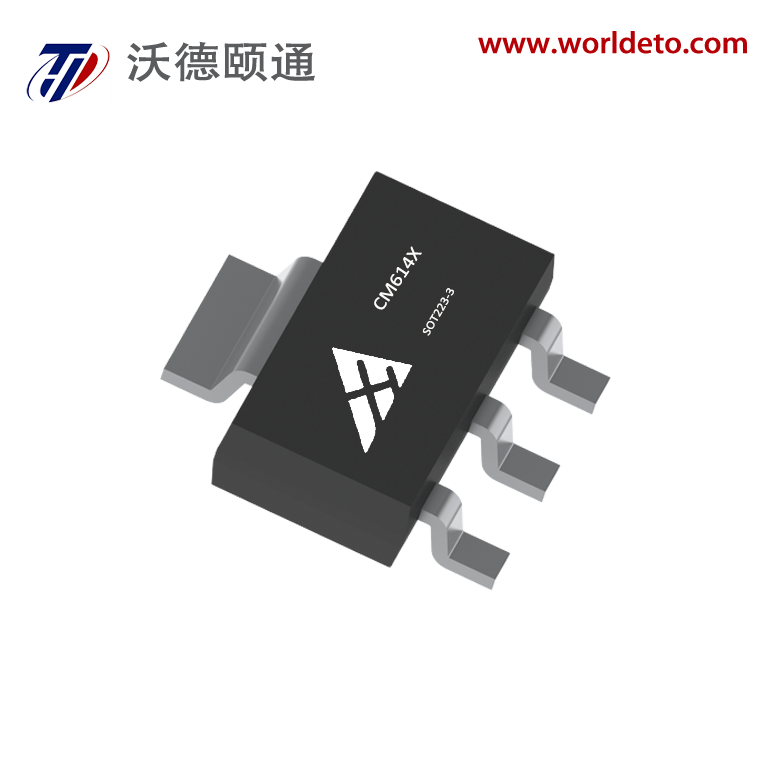
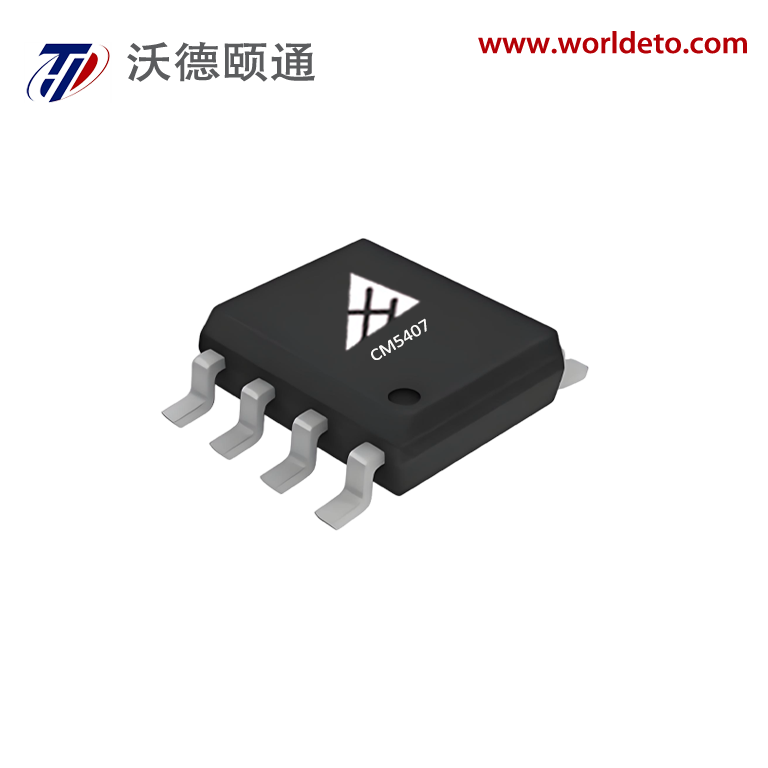
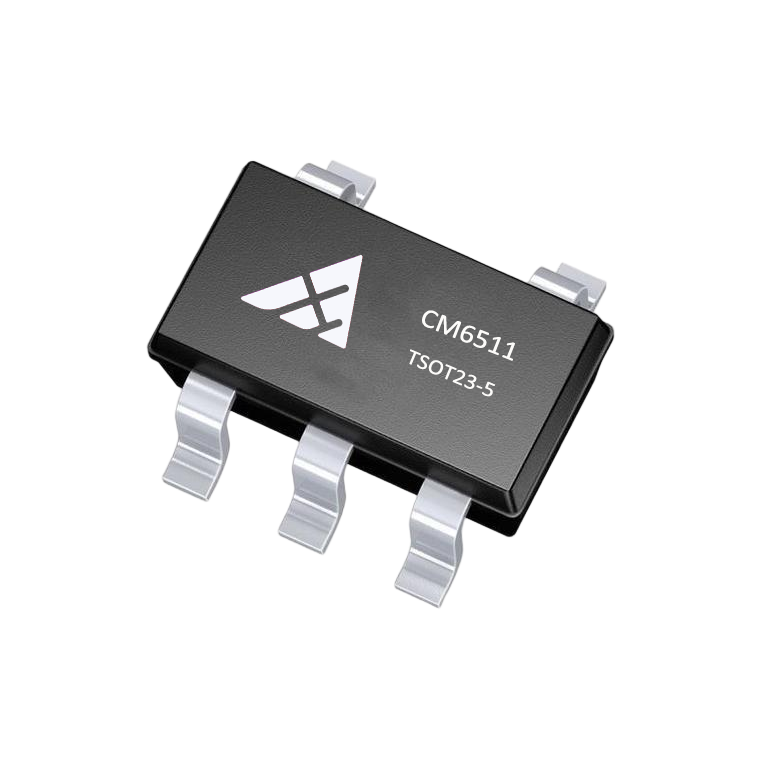
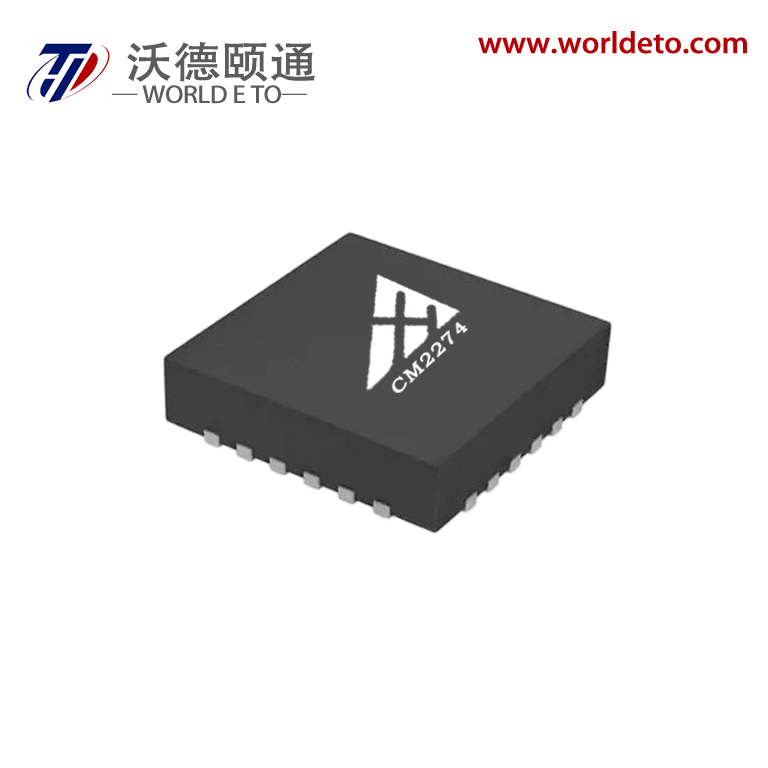
transistor discret
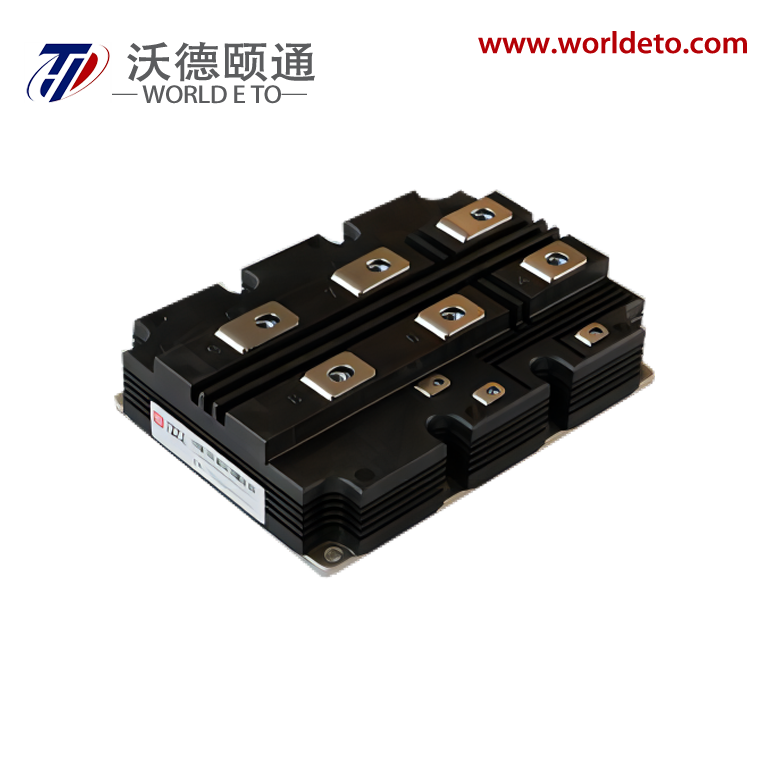
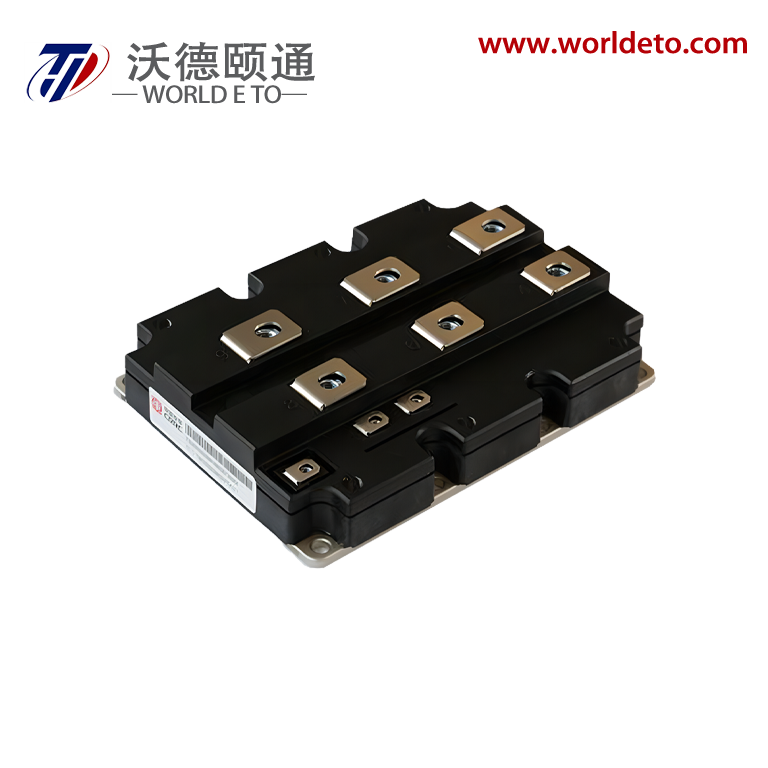
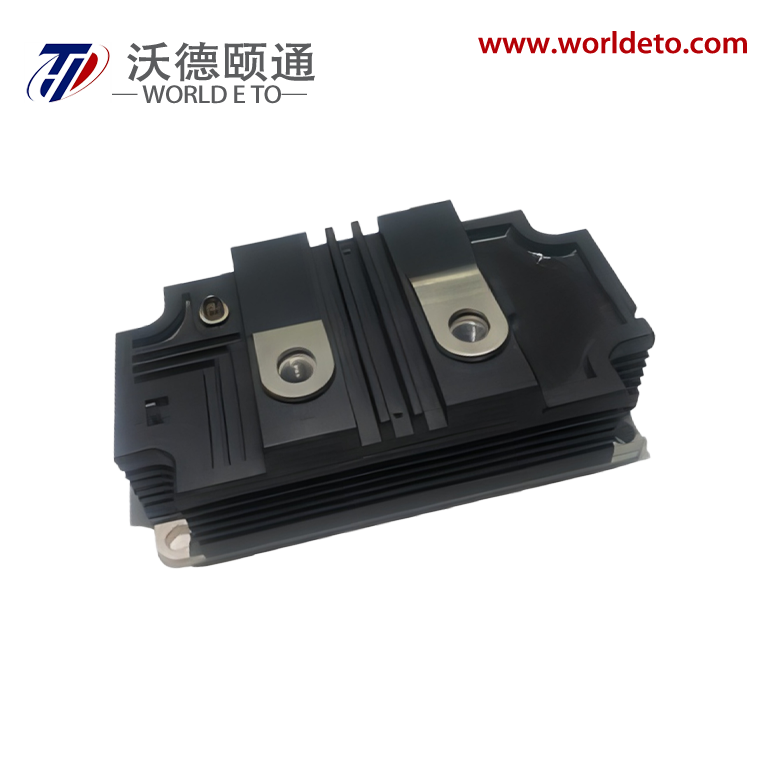
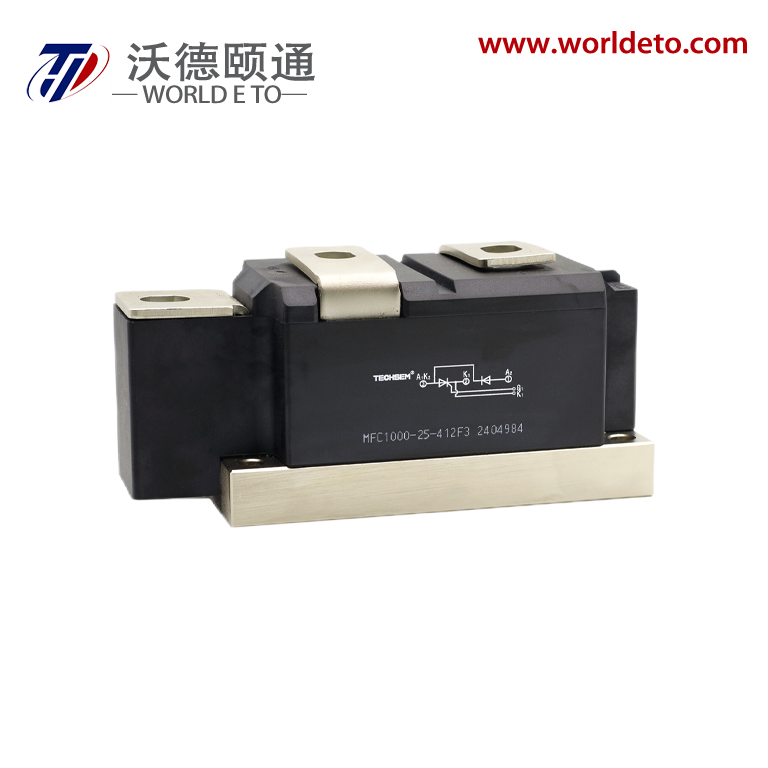
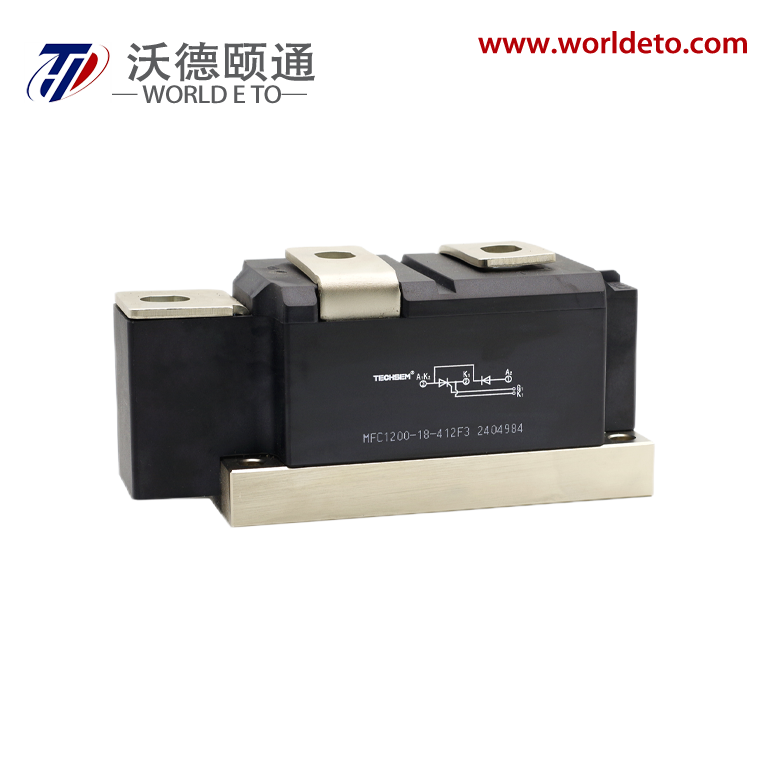
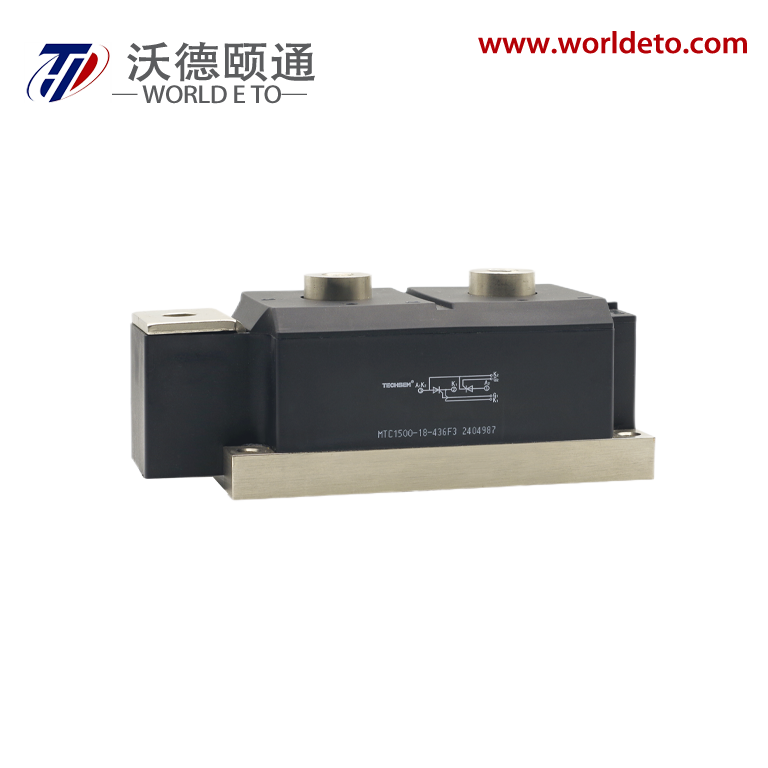
Un transistor discret représente un composant semi-conducteur fondamental qui fonctionne comme un dispositif électronique individuel d’interrupteur et d’amplification. Contrairement aux circuits intégrés, qui regroupent plusieurs composants sur une seule puce, le transistor discret fonctionne en tant qu’unité autonome, offrant aux ingénieurs et concepteurs un contrôle précis des performances du circuit. Ces dispositifs semi-conducteurs remplissent principalement trois fonctions essentielles : l’amplification de signal, la commutation électronique et la régulation de tension. Le transistor discret réalise ces opérations grâce au déplacement contrôlé du courant électrique entre trois bornes, généralement désignées respectivement collecteur, base et émetteur dans les transistors à jonction bipolaire, ou drain, grille et source dans les transistors à effet de champ. L’architecture technologique des transistors discrets intègre des matériaux semi-conducteurs avancés, principalement le silicium et l’arséniure de gallium, conçus pour offrir des caractéristiques électriques supérieures. Les procédés de fabrication utilisent des techniques de dopage sophistiquées qui introduisent des impuretés spécifiques dans la structure cristalline, créant ainsi des régions dotées de propriétés électriques distinctes. Cette ingénierie précise des matériaux permet aux transistors discrets de gérer des niveaux de puissance variés, allant des applications à faible signal nécessitant un courant minimal aux systèmes industriels à haute puissance exigeant une capacité électrique substantielle. Les conceptions modernes de transistors discrets intègrent des fonctionnalités améliorées de gestion thermique, notamment des matériaux d’emballage spécialisés et des structures de dissipation thermique qui maintiennent des températures de fonctionnement optimales. Les applications des transistors discrets couvrent de nombreux secteurs industriels et domaines technologiques. Les systèmes de gestion de l’alimentation s’appuient sur des transistors discrets pour réguler le flux électrique dans les alimentations, les variateurs de vitesse et les circuits de gestion des batteries. Les fabricants d’équipements audio intègrent des transistors discrets dans les étages d’amplification afin d’offrir une qualité sonore supérieure grâce à un traitement précis du signal. L’électronique automobile utilise des transistors discrets dans les unités de commande moteur, les systèmes d’éclairage et les mécanismes de sécurité. Les infrastructures de télécommunications dépendent des transistors discrets pour le traitement du signal, la conversion de fréquence et l’amplification de puissance dans les stations de base et les équipements de communication. Enfin, l’électronique grand public incorpore des transistors discrets dans les alimentations à découpage, les pilotes d’affichage et les circuits d’interface capteur, permettant un fonctionnement compact et efficace des appareils dans des applications très diversifiées.

 EN
EN