
 EN
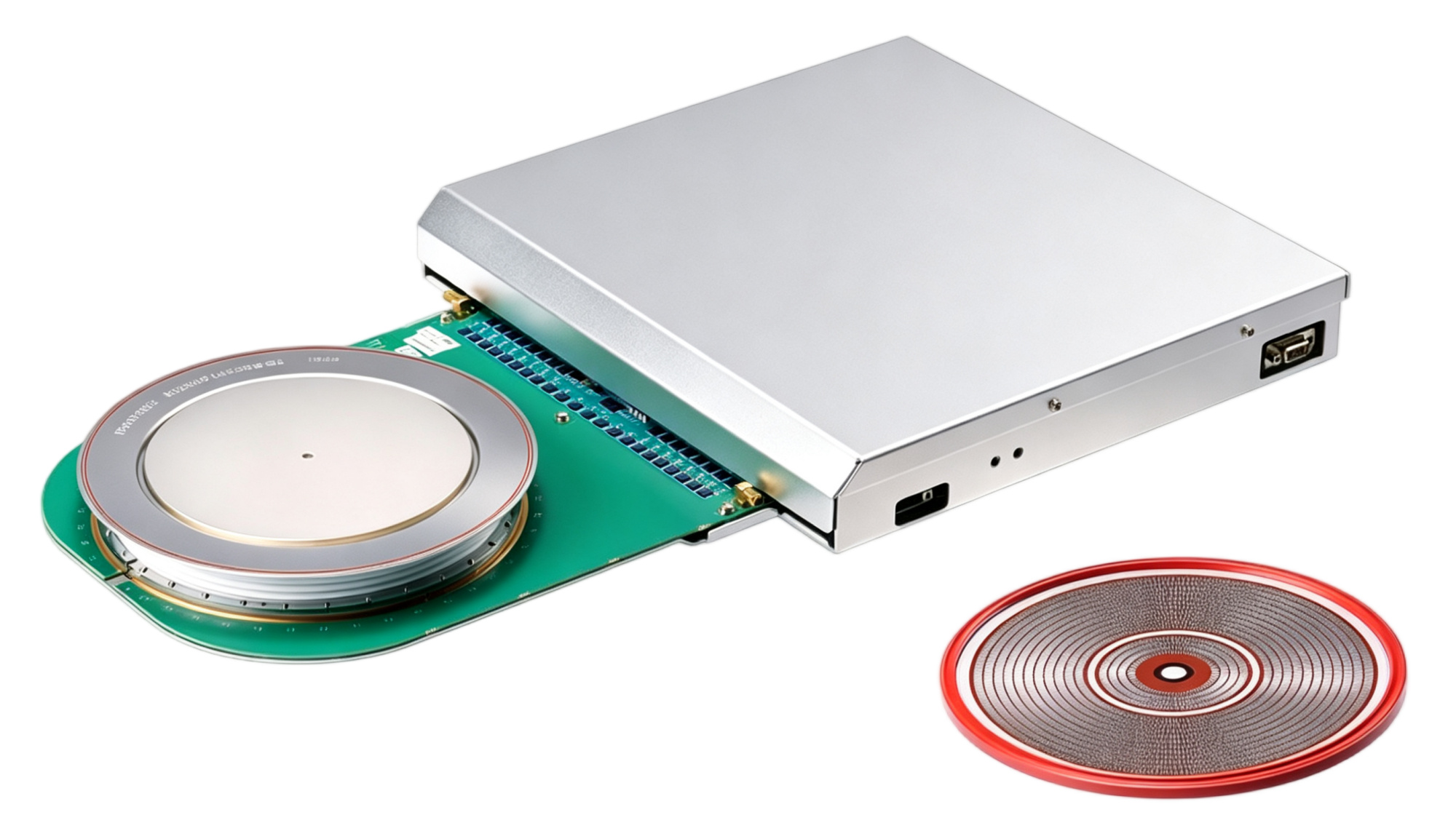
Integrated Gate Commutated Thyristor (IGCT) modules represent critical components in modern power conversion systems, particularly in high-power industrial applications where performance demands are extreme. Ensuring IGCT module reliability in harsh environments requires a comprehensive understanding of operational stressors and proactive maintenance strategies. When IGCT module reliability is compromised, the consequences extend far beyond equipment downtime, affecting entire production workflows and causing substantial financial losses. This guide explores essential practices for maintaining IGCT module reliability across demanding industrial conditions, from thermal management to predictive monitoring protocols.
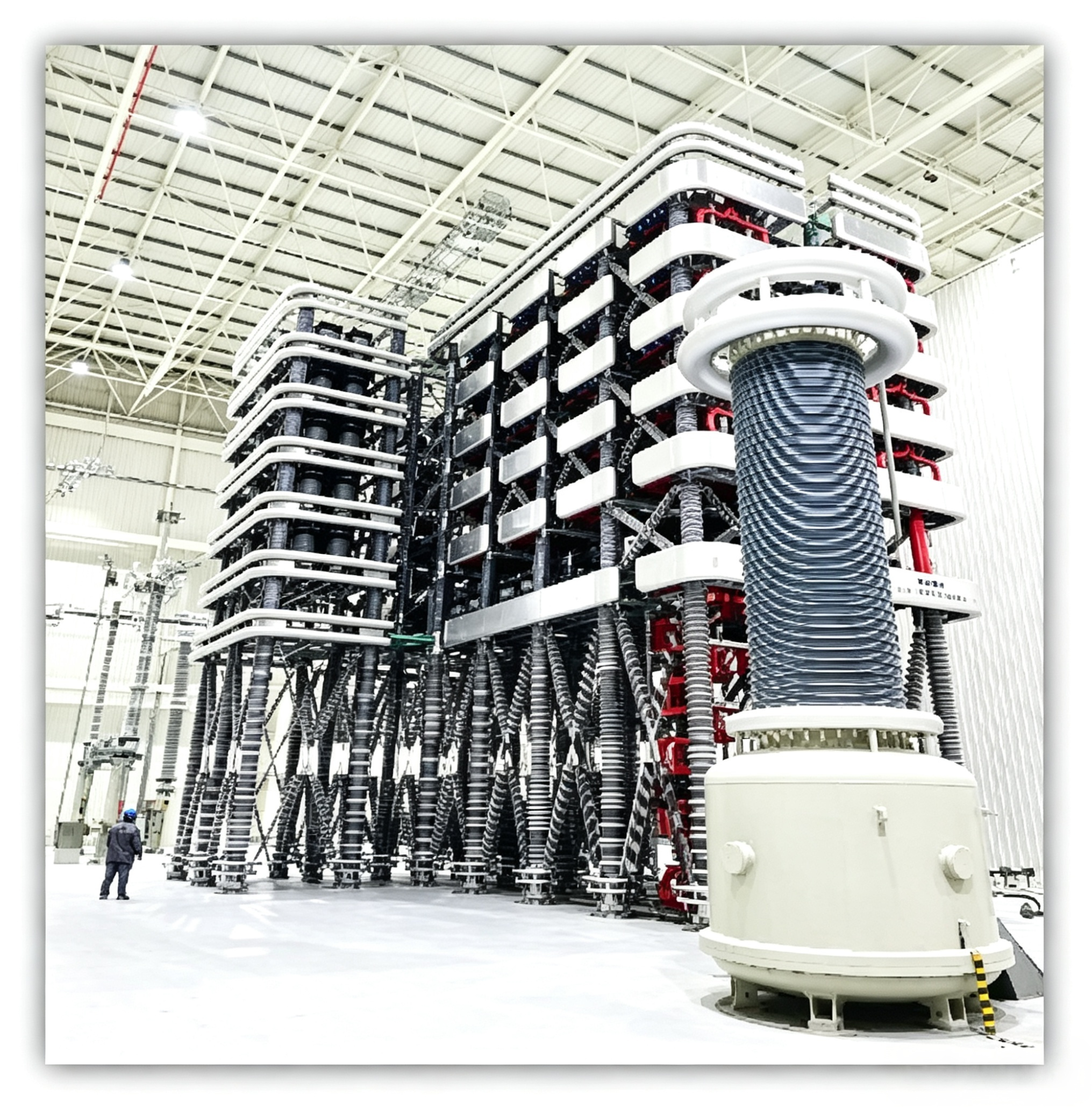
IGCT module reliability depends on multiple interrelated factors that work together to sustain performance under stress. High-temperature environments, humidity fluctuations, electrical transients, and mechanical vibrations all threaten IGCT module reliability if not properly managed. Industries including renewable energy systems, traction drives, and industrial motor controls rely heavily on IGCT modules, making their consistent operation non-negotiable. Understanding the root causes of degradation and implementing targeted solutions directly enhances IGCT module reliability while extending operational lifespan.
Thermal Management and IGCT Module Reliability
Heat Dissipation as a Primary Reliability Factor
IGCT module reliability fundamentally depends on effective thermal management because junction temperatures directly influence device longevity. Every degree of temperature increase accelerates electrical parameter degradation and accelerates failure mechanisms within the semiconductor structure. Proper heat sink selection, mounting surface preparation, and thermal interface materials all contribute to IGCT module reliability by maintaining junction temperatures within safe operating ranges. Advanced thermal interface materials with consistent conductivity ensure that generated heat transfers efficiently from the IGCT module to external cooling systems, preserving IGCT module reliability throughout extended operating cycles.
Cooling System Design for Harsh Environments
Harsh environments present unique cooling challenges that directly impact IGCT module reliability. Dust accumulation, corrosive atmospheres, and temperature extremes require sealed cooling systems with enhanced filtration. Liquid cooling solutions often outperform air cooling in harsh industrial settings, providing better temperature stability and IGCT module reliability. Regular inspection and cleaning of cooling pathways prevents thermal hot spots that would otherwise compromise IGCT module reliability. Redundant cooling circuits and real-time temperature monitoring systems provide additional layers of protection for maintaining IGCT module reliability in unforgiving operational environments.
Electrical Protection and Stress Mitigation
Transient Suppression and Voltage Clamping
Electrical transients represent one of the most significant threats to IGCT module reliability in industrial applications. Switching events, grid disturbances, and load changes generate voltage spikes that accelerate insulation breakdown and internal damage. Snubber circuits and transient voltage suppression devices protect IGCT module reliability by limiting dV/dt and dI/dt rates during switching transitions. Gate drive circuit design plays a crucial role in IGCT module reliability, as proper gate voltage sequencing and timing prevent overstressing individual thyristor elements. Comprehensive protection against electrical overstress ensures that IGCT module reliability remains high throughout years of demanding operation.
Current Distribution and Thermal Balance
Uneven current distribution within IGCT module structures creates localized hot spots that severely threaten IGCT module reliability. Proper gate drive architecture ensures current distributes uniformly across parallel thyristor elements, maintaining consistent IGCT module reliability. Parallel IGCT module configurations require careful circuit layout to minimize parasitic inductances that would otherwise cause current imbalance. Load sharing resistors and active current balancing schemes both enhance IGCT module reliability by preventing catastrophic localized heating. Testing protocols must verify current distribution patterns before deployment to guarantee IGCT module reliability in field applications.
Testing, Monitoring, and Maintenance Practices
Accelerated Life Testing and Qualification
Rigorous testing protocols validate IGCT module reliability before deployment in critical applications. Temperature cycling tests, humidity bias tests, and mechanical vibration tests simulate harsh environmental conditions and reveal potential failure modes. Functional testing under elevated temperatures and humidity conditions confirms that IGCT module reliability meets design specifications. Extended burn-in periods at maximum rated currents and voltages expose early-life failures before field deployment, significantly improving overall IGCT module reliability. Documented test data provides evidence of IGCT module reliability and supports regulatory compliance in safety-critical industrial sectors.
Predictive Monitoring and Condition-Based Maintenance
Real-time monitoring systems continuously track performance parameters that indicate emerging problems threatening IGCT module reliability. Junction temperature measurement using embedded thermocouples provides early warning of degrading thermal performance. Leakage current trending reveals aging processes that could eventually cause IGCT module reliability failures. Acoustic emission monitoring detects mechanical stress and incipient failures before IGCT module reliability is completely compromised. Data-driven maintenance schedules based on actual condition indicators optimize IGCT module reliability while minimizing unnecessary component replacement costs. Advanced diagnostics allow maintenance teams to predict failures weeks or months in advance, enabling IGCT module reliability to remain high through planned interventions.
Field Validation and Performance Documentation
Establishing baseline performance metrics enables early detection of IGCT module reliability degradation in operation. Regular electrical parameter measurements including on-state voltage drop and leakage current reveal whether IGCT modules perform within design specifications. Environmental monitoring within equipment enclosures helps maintain conditions that support sustained IGCT module reliability. Documentation of operating history, maintenance activities, and performance trends builds institutional knowledge that improves future IGCT module reliability management. Failure analysis investigations, when problems do occur, provide valuable insights that enhance IGCT module reliability across the entire installed base.
FAQ
What temperature range supports optimal IGCT module reliability?
Most IGCT modules maintain reliable operation with junction temperatures between negative 40 degrees Celsius and 150 degrees Celsius, though specific limits depend on device ratings. Operating closer to the lower end of this range significantly extends IGCT module reliability and useful lifetime. Each 10-degree increase in average junction temperature approximately halves expected IGCT module reliability due to accelerated chemical degradation mechanisms. Cooling system design must prioritize maintaining junction temperatures well below absolute maximum ratings to ensure long-term IGCT module reliability.
How does humidity affect IGCT module reliability in harsh environments?
Condensation and moisture penetration create conductive pathways that cause surface leakage currents, directly compromising IGCT module reliability. High humidity environments require conformal coatings or hermetic packaging to protect internal structures and maintain IGCT module reliability. Thermal cycling in humid conditions causes expansion stresses that accelerate interconnect failures within the IGCT module, reducing overall reliability. Enclosure design with active moisture control systems proves essential for IGCT module reliability in coastal, tropical, or extremely humid industrial locations.
When should IGCT module replacement be considered for reliability?
Replacement decisions depend on trending data showing parameter degradation that approaches specification limits, indicating declining IGCT module reliability. If leakage current increases significantly or on-state voltage exceeds acceptable thresholds, IGCT module reliability has degraded to a point requiring replacement. Predictive maintenance systems typically recommend replacement when reliability metrics indicate failure probability exceeding acceptable risk levels within the next operational window. Preventive replacement intervals based on documented failure rates ensure IGCT module reliability remains high in mission-critical systems where unexpected failures are unacceptable.