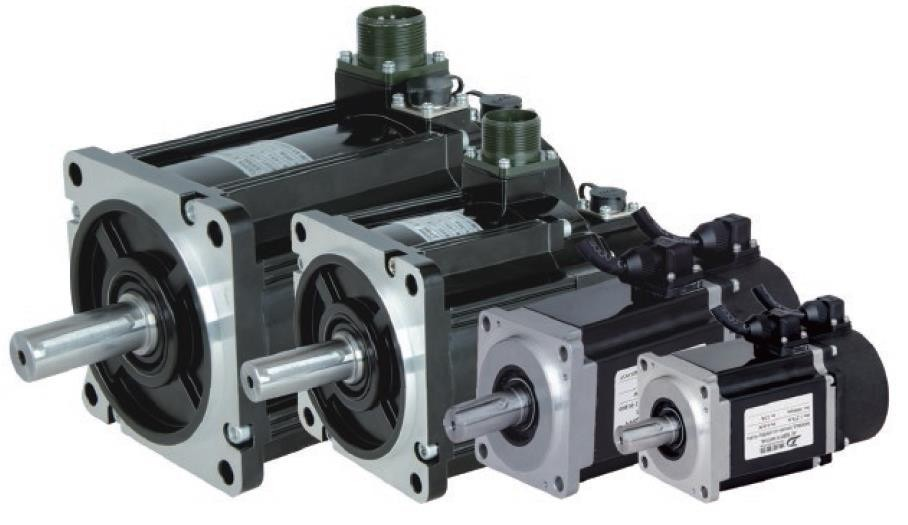
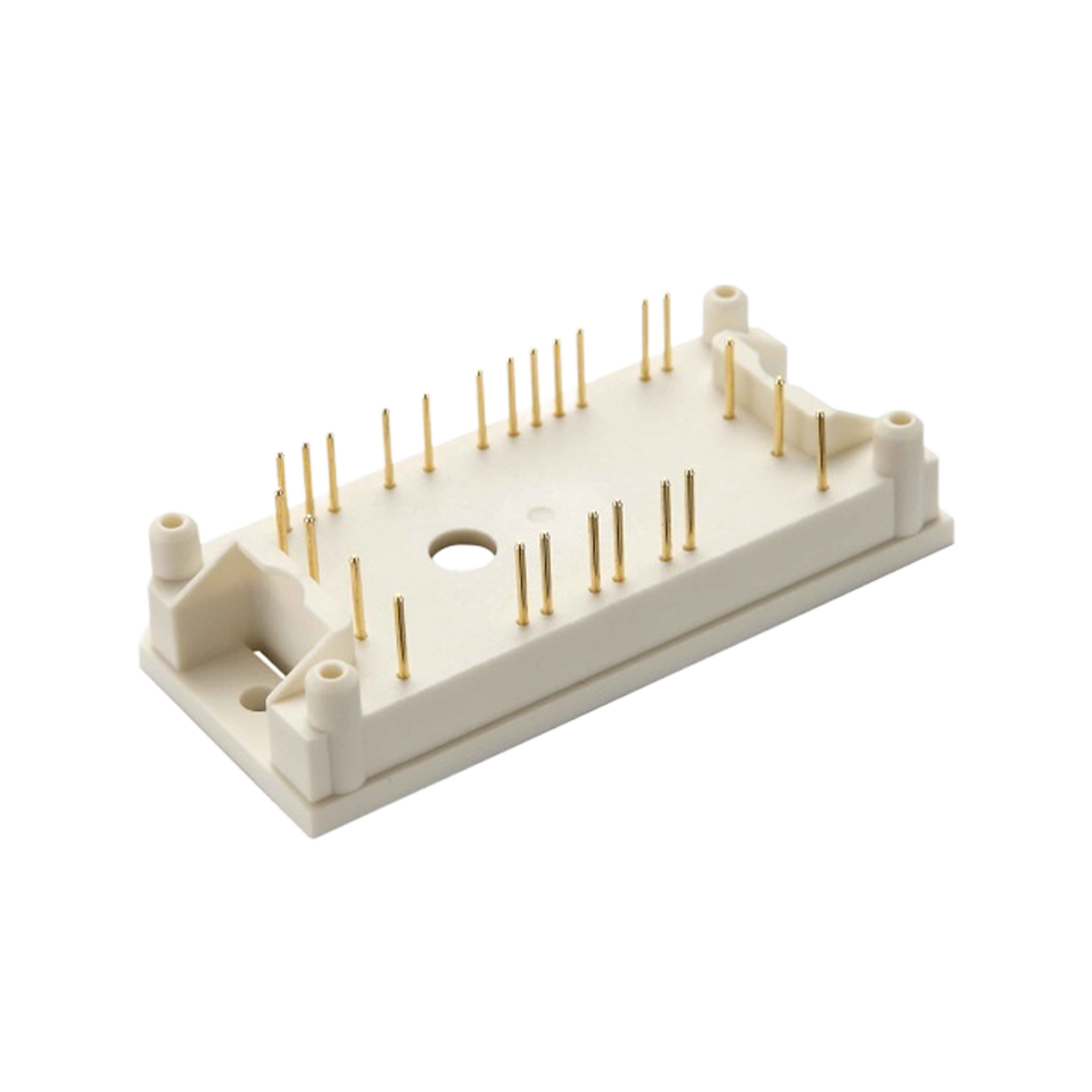
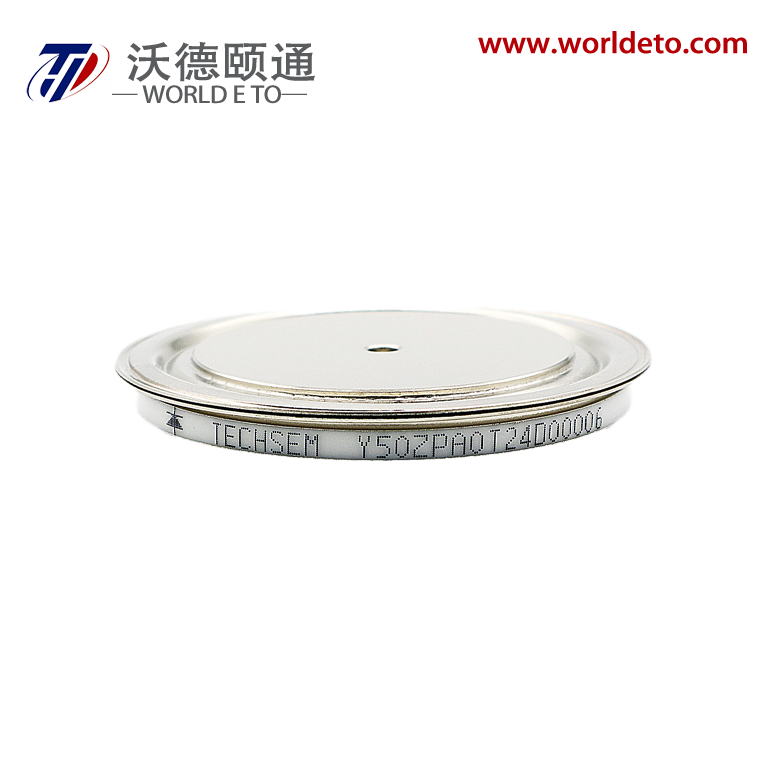
High-Performance Linear Power Modules - Superior Voltage Regulation Solutions

All Categories
Get a Quote

Get a Free Quote

Our representative will contact you soon.
Email
Name
Company Name
Message
0/1000

linear power module

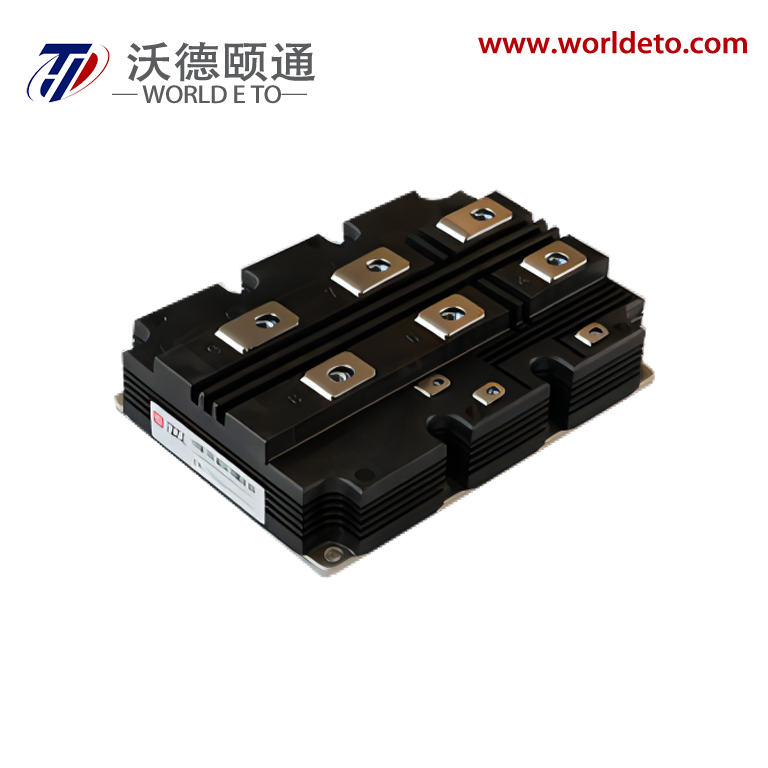
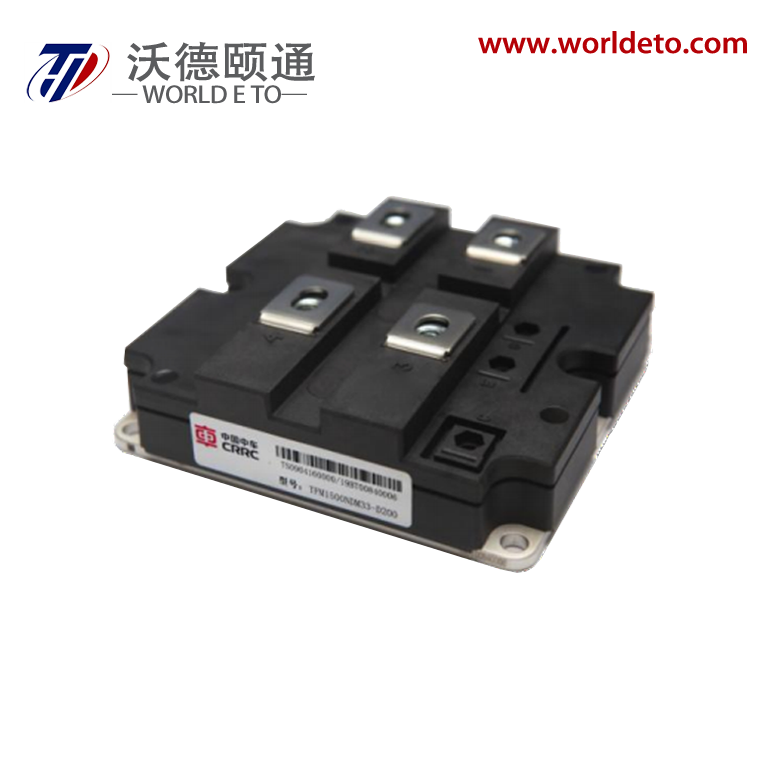
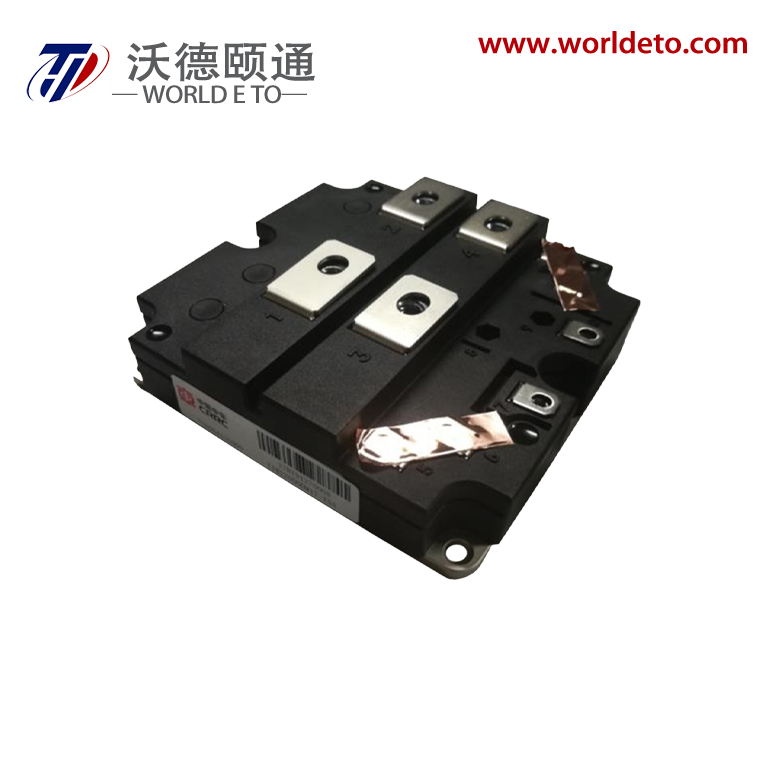
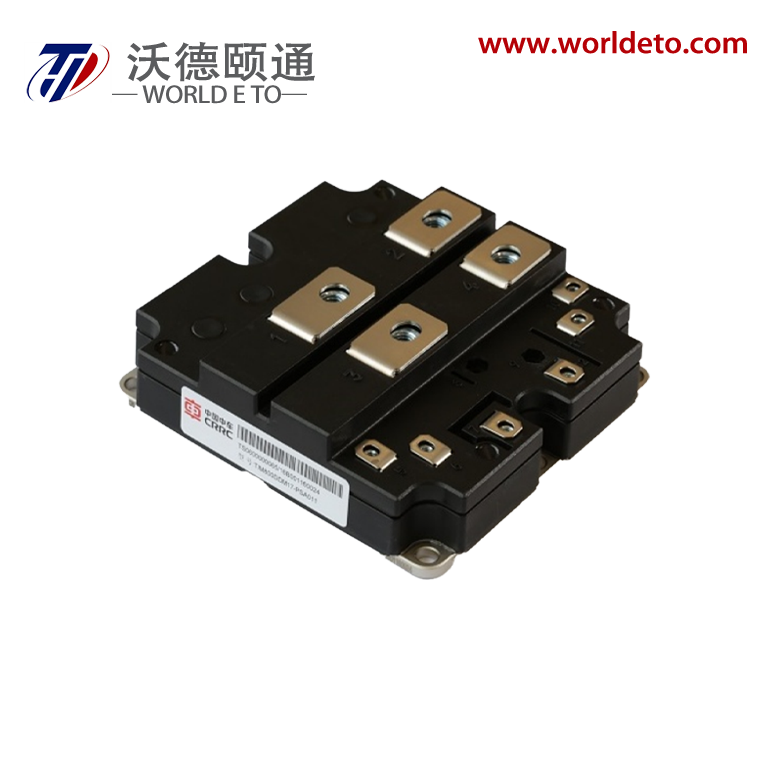
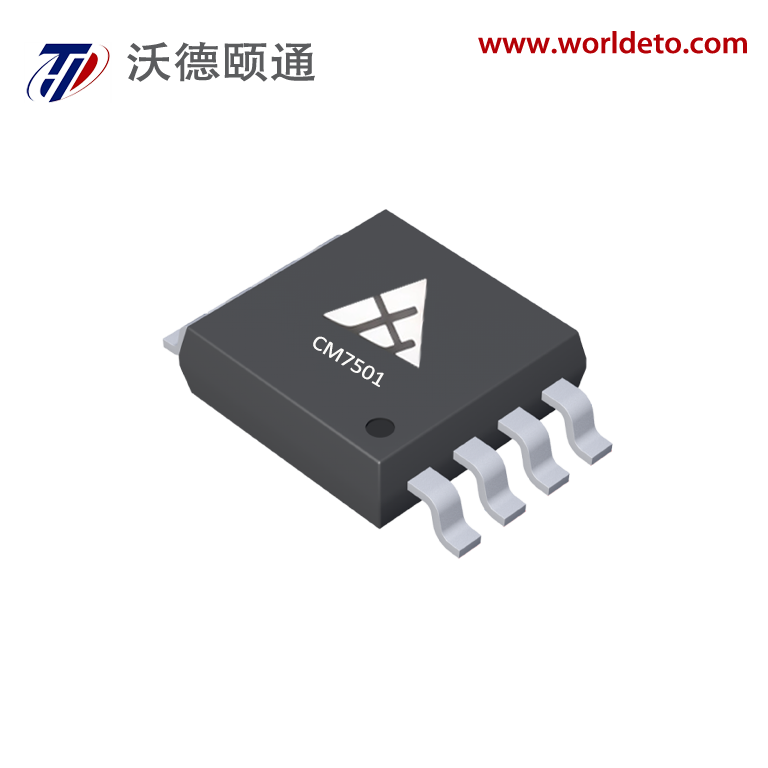
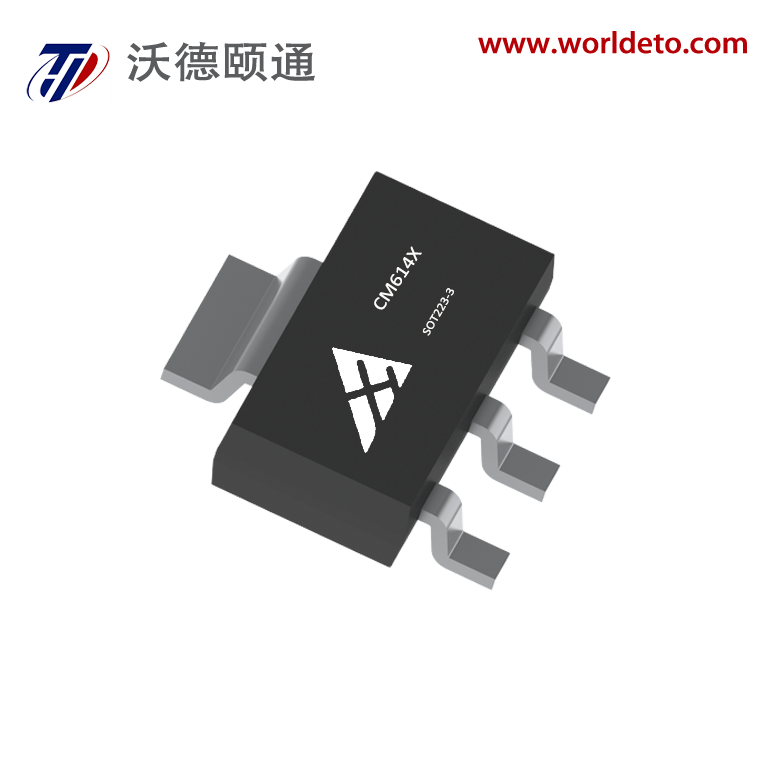
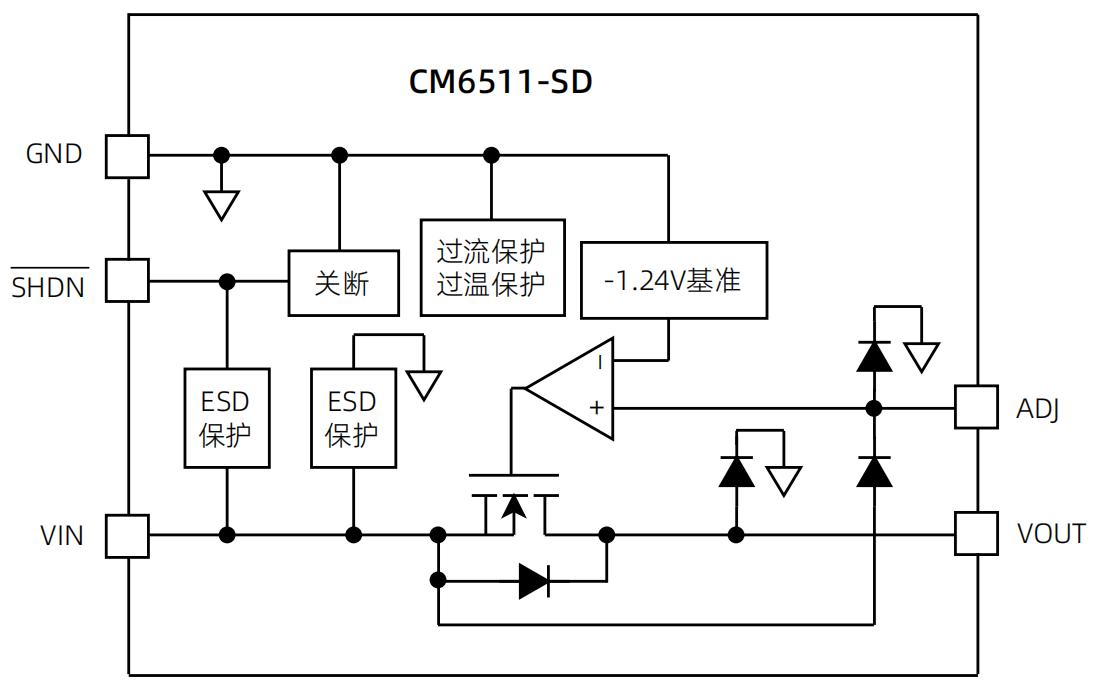
A linear power module represents a sophisticated electronic component designed to regulate and control electrical power delivery through linear voltage regulation techniques. This advanced power management solution operates by maintaining a continuous, smooth output voltage regardless of input variations or load changes. The linear power module functions as a critical interface between raw power sources and sensitive electronic equipment, ensuring stable and reliable power distribution across various applications. The primary function of a linear power module centers on voltage regulation, where it receives an unregulated input voltage and produces a precisely controlled output voltage. This regulation process occurs through active feedback mechanisms that continuously monitor output conditions and adjust internal parameters accordingly. The module incorporates advanced control circuits that respond instantly to load variations, maintaining consistent performance even under demanding operational conditions. Technological features of modern linear power modules include high-precision voltage references, low-noise operation characteristics, and exceptional load regulation capabilities. These modules utilize sophisticated semiconductor technologies, including precision operational amplifiers, voltage references, and power transistors optimized for linear operation. The integration of thermal management systems ensures reliable performance across extended temperature ranges while protecting internal components from overheating. Advanced linear power modules feature programmable output voltages, current limiting protection, and comprehensive fault detection mechanisms. Applications for linear power modules span numerous industries and sectors, from telecommunications infrastructure to medical equipment, automotive systems, and industrial automation. In telecommunications, these modules power sensitive RF circuits and base station equipment where noise-free operation is paramount. Medical applications rely on linear power modules for powering patient monitoring systems, diagnostic equipment, and life-support devices where reliability and precision are critical. The automotive industry employs these modules in electronic control units, infotainment systems, and advanced driver assistance systems. Industrial automation systems utilize linear power modules for powering sensors, actuators, and control circuits that require stable, clean power delivery for optimal performance and accuracy.


New Product Releases

Linear power modules deliver exceptional performance benefits that make them the preferred choice for demanding applications requiring superior power quality and reliability. The most significant advantage lies in their ability to provide exceptionally clean, low-noise power output that eliminates electrical interference commonly associated with switching power supplies. This clean power delivery proves essential for sensitive analog circuits, precision measurement equipment, and communication systems where even minimal electrical noise can compromise performance and accuracy. The linear regulation approach ensures smooth, continuous voltage control without the high-frequency switching artifacts that can disrupt nearby electronic components. Another major advantage involves the superior load regulation characteristics that linear power modules provide compared to alternative power management solutions. These modules maintain consistent output voltage levels even when load conditions change rapidly or dramatically, ensuring connected equipment receives stable power under all operating conditions. This exceptional regulation capability protects sensitive components from voltage fluctuations that could cause malfunction, data corruption, or permanent damage. The inherent stability of linear regulation makes these modules ideal for applications where power quality directly impacts system performance and reliability. Linear power modules offer simplified implementation and integration processes that reduce design complexity and development time for engineers and system designers. Unlike switching power supplies that require careful consideration of electromagnetic interference, layout constraints, and filtering components, linear power modules integrate easily into existing systems with minimal external components. This straightforward implementation reduces bill of materials costs, simplifies PCB layout requirements, and minimizes the risk of design errors that could compromise system functionality. The plug-and-play nature of many linear power modules allows rapid prototyping and faster time-to-market for new products. The robust construction and reliable operation of linear power modules translate to reduced maintenance requirements and extended operational lifespans compared to more complex power management solutions. These modules feature fewer active components and simpler control circuits, resulting in higher inherent reliability and lower failure rates. The absence of high-frequency switching components eliminates stress factors that commonly cause premature failure in switching power supplies, leading to longer mean time between failures and reduced total cost of ownership. This reliability advantage proves particularly valuable in critical applications where power supply failure could result in significant downtime, data loss, or safety hazards.

Latest News

How to Choose a Precision DAC: A Guide to Critical Specs and Top Domestic Models

24

Nov

How to Choose a Precision DAC: A Guide to Critical Specs and Top Domestic Models

In today's rapidly evolving electronics landscape, selecting the right precision DAC has become increasingly critical for engineers developing high-performance systems. A precision DAC serves as the crucial bridge between digital control systems and ...
View More
Low-Power Design Secrets: Utilizing Precision LDOs and Voltage References for Extended Battery Life

07

Jan

Low-Power Design Secrets: Utilizing Precision LDOs and Voltage References for Extended Battery Life

Modern electronic systems demand increasingly sophisticated power management strategies to achieve extended battery life while maintaining optimal performance. The integration of precision LDOs and voltage references has become a cornerstone of effic...
View More
High-Speed vs. High-Precision: How to Select the Ideal ADC for Your Signal Chain

03

Feb

High-Speed vs. High-Precision: How to Select the Ideal ADC for Your Signal Chain

Analog-to-digital converters represent one of the most critical components in modern electronic systems, bridging the gap between the analog world and digital processing capabilities. The process of ADC selection requires careful consideration of mul...
View More
Precision DAC Chips: Achieving Sub-Millivolt Accuracy in Complex Control Systems

03

Feb

Precision DAC Chips: Achieving Sub-Millivolt Accuracy in Complex Control Systems

Modern industrial control systems demand unprecedented accuracy and reliability, with precision DAC chips serving as critical components that bridge the digital-analog divide. These sophisticated semiconductor devices enable engineers to achieve sub-...
View More

Get a Free Quote

Our representative will contact you soon.
Email
Name
Company Name
Message
0/1000

linear power module

Exceptional Noise Performance and Signal Integrity

Exceptional Noise Performance and Signal Integrity

The outstanding noise performance of linear power modules represents one of their most compelling advantages, making them indispensable for applications where signal integrity and electrical cleanliness are paramount. Unlike switching power supplies that generate high-frequency noise through their chopping action, linear power modules operate through continuous voltage regulation that produces virtually no electrical interference. This clean operation stems from their fundamental design principle, where power transistors operate in their linear region rather than switching on and off rapidly. The result is a smooth, continuous power delivery that maintains exceptional signal-to-noise ratios and eliminates the electromagnetic interference that can plague sensitive electronic systems. This superior noise performance proves critical in precision analog applications, including high-resolution data acquisition systems, sensitive measurement instruments, and professional audio equipment where even minimal noise can compromise accuracy and performance. Medical diagnostic equipment, such as patient monitoring systems and imaging devices, relies heavily on the clean power delivery that linear power modules provide to ensure accurate readings and reliable operation. In telecommunications infrastructure, linear power modules power critical RF circuits and base station components where noise-free operation directly impacts signal quality and communication reliability. The absence of switching noise also eliminates the need for extensive filtering circuits and shielding measures typically required with switching power supplies, simplifying system design and reducing overall component costs. Furthermore, the clean power output of linear power modules helps prevent ground loops and reduces crosstalk between different circuit sections, contributing to overall system stability and performance. This noise performance advantage becomes even more pronounced in mixed-signal systems where analog and digital circuits coexist, as the clean power delivery helps maintain proper isolation between sensitive analog sections and noisy digital switching circuits. The consistent, low-noise operation of linear power modules ensures that connected equipment operates at peak performance levels while minimizing the risk of interference-related malfunctions or data corruption.
Superior Load Regulation and Transient Response

Superior Load Regulation and Transient Response

The exceptional load regulation and transient response capabilities of linear power modules provide unmatched power stability that ensures connected equipment receives consistent, reliable power under all operating conditions. This superior regulation performance stems from the fast feedback control loops inherent in linear power module designs, which can respond to load changes within microseconds rather than the milliseconds required by switching power supplies. When load conditions change rapidly, such as when a microprocessor enters high-performance mode or when multiple circuits activate simultaneously, linear power modules maintain tight voltage regulation without the voltage droops or overshoots commonly experienced with other power management solutions. This exceptional regulation capability proves crucial for sensitive digital circuits, where voltage variations can cause timing errors, data corruption, or system resets that compromise functionality and reliability. The outstanding transient response of linear power modules becomes particularly valuable in applications with dynamic load conditions, such as motor control systems, power amplifiers, and communication equipment where power demands can change instantaneously. The ability to maintain stable output voltage during these rapid load transitions ensures that connected equipment operates within specified parameters and delivers consistent performance. This regulation stability also protects sensitive components from voltage stress that could cause premature aging or failure, extending system lifetime and reducing maintenance requirements. Additionally, the superior load regulation characteristics of linear power modules eliminate the need for large output capacitors and complex filtering networks typically required to smooth voltage variations in switching power supplies. This simplification reduces system complexity, lowers component costs, and improves overall reliability by eliminating potential failure points. The consistent voltage delivery also enables more precise system timing and synchronization, which proves essential in applications requiring tight coordination between multiple subsystems. In precision measurement applications, the stable voltage output ensures that analog-to-digital converters and sensor interfaces operate with maximum accuracy and repeatability, directly contributing to measurement precision and system performance.
Simplified Integration and Reliable Operation

Simplified Integration and Reliable Operation

The simplified integration process and exceptional reliability of linear power modules offer significant advantages for system designers and end users, reducing development complexity while ensuring long-term operational stability. Linear power modules require minimal external components for proper operation, typically needing only basic input and output filtering capacitors compared to the complex networks of inductors, capacitors, and feedback components required by switching power supplies. This simplified implementation reduces bill of materials costs, minimizes PCB real estate requirements, and significantly decreases the likelihood of design errors that could compromise system functionality. The straightforward connection requirements make linear power modules ideal for rapid prototyping and quick system modifications, enabling faster development cycles and reduced time-to-market for new products. The plug-and-play nature of many linear power modules allows engineers to focus on core system functionality rather than spending time on complex power supply design and optimization. The inherent reliability of linear power modules stems from their simpler internal architecture, which incorporates fewer active components and eliminates the high-stress switching elements found in switching power supplies. The continuous operation mode of linear regulation reduces component stress compared to the rapid on-off cycling of switching supplies, resulting in extended component lifespans and higher mean time between failures. This reliability advantage translates to reduced maintenance requirements, lower total cost of ownership, and increased system uptime in critical applications. The thermal characteristics of linear power modules, while requiring adequate heat dissipation, provide predictable and manageable thermal profiles that simplify thermal management compared to the hot spots and thermal cycling associated with switching power supplies. Modern linear power modules incorporate comprehensive protection features, including overcurrent protection, thermal shutdown, and fault detection mechanisms that safeguard both the module and connected equipment from damage due to abnormal operating conditions. These built-in protection features eliminate the need for external protection circuits and provide additional system reliability insurance. The proven track record of linear power module technology, with decades of successful deployment across numerous industries, provides confidence in their long-term reliability and performance consistency, making them an excellent choice for mission-critical applications where failure is not an option.

Get a Free Quote

Our representative will contact you soon.
Email
Name
Company Name
Message
0/1000