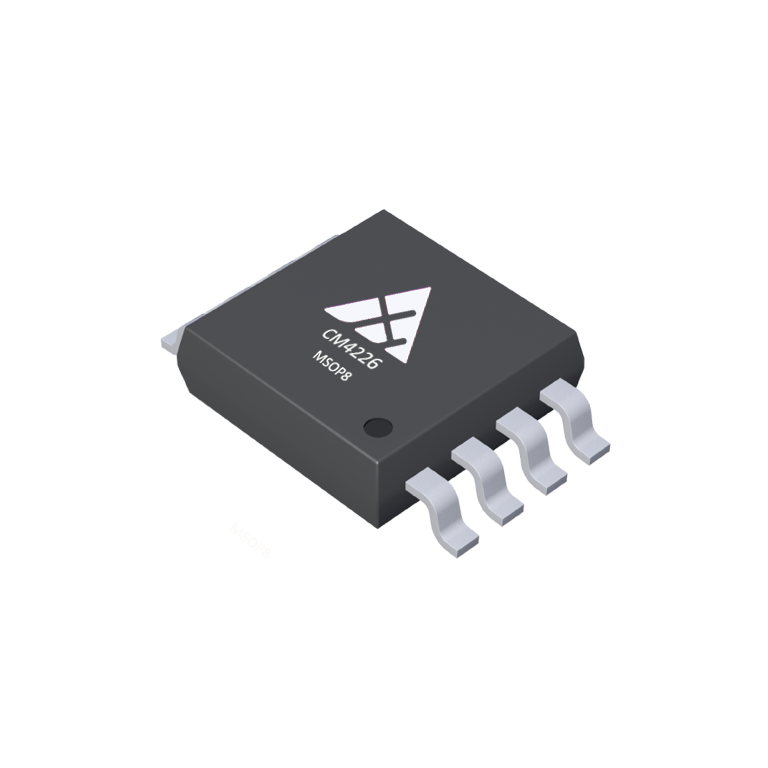
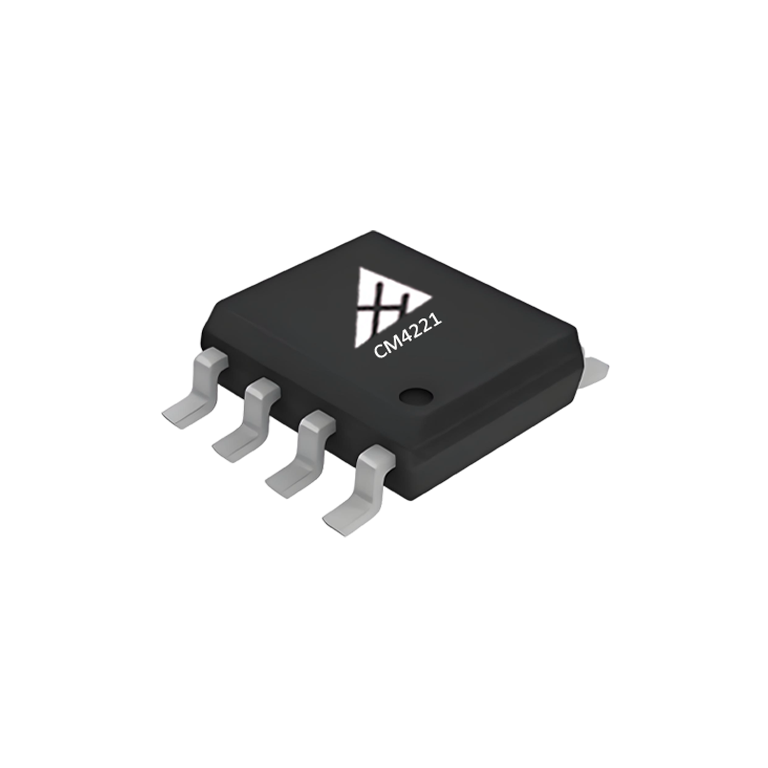
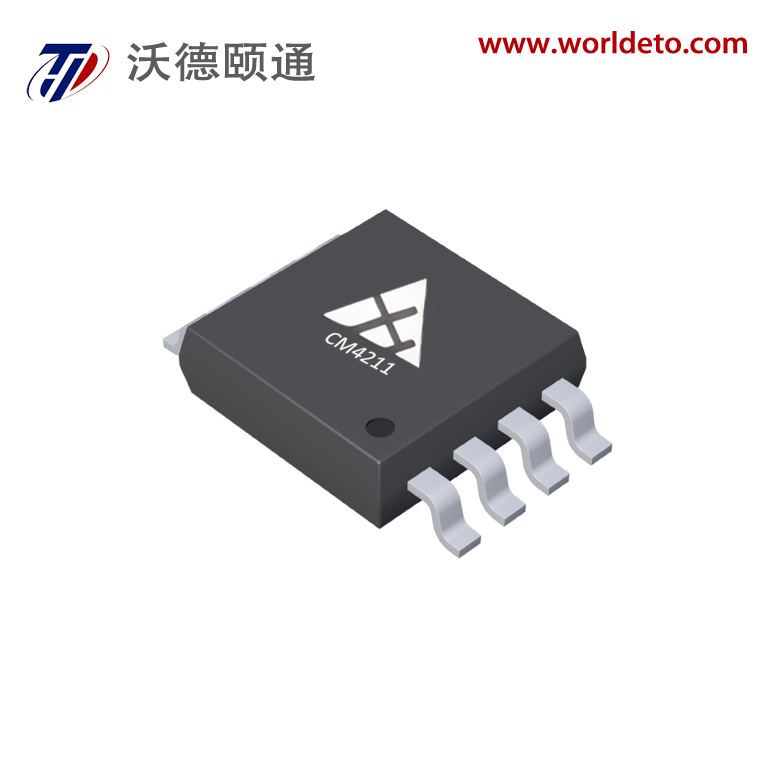
High-Performance Linear Amplifiers: Superior Signal Quality & Wide Bandwidth Solutions

All Categories
Get a Quote

Get a Free Quote

Our representative will contact you soon.
Email
Name
Company Name
Message
0/1000

linear amplifier

A linear amplifier represents a fundamental component in electronic systems, designed to increase the amplitude of input signals while maintaining their original waveform characteristics. This sophisticated device operates by providing proportional amplification, ensuring that the output signal remains a faithful reproduction of the input signal, only at higher power levels. The primary function of a linear amplifier revolves around signal amplification without introducing significant distortion or altering the signal's inherent properties. Linear amplifiers achieve this through precise control of their operating parameters, maintaining operation within their linear region where the relationship between input and output remains constant. The technological foundation of these amplifiers relies on advanced semiconductor technology, incorporating high-quality transistors, integrated circuits, and carefully designed feedback networks. Modern linear amplifiers utilize sophisticated circuit topologies that minimize noise generation while maximizing signal fidelity. Key technological features include wide bandwidth capabilities, low distortion characteristics, excellent signal-to-noise ratios, and superior dynamic range performance. These amplifiers often incorporate temperature compensation mechanisms, ensuring stable operation across varying environmental conditions. Applications for linear amplifiers span numerous industries and sectors, including telecommunications infrastructure, broadcasting systems, scientific instrumentation, audio equipment, and military communications. In telecommunications, linear amplifiers serve critical roles in cellular base stations, satellite communication systems, and fiber optic networks. Broadcasting applications utilize these devices in television transmitters, radio stations, and wireless microphone systems. Scientific and research applications benefit from linear amplifiers in spectrum analyzers, signal generators, and precision measurement equipment. The versatility of linear amplifiers makes them indispensable in applications requiring accurate signal reproduction, from high-fidelity audio systems to sophisticated radar installations. Their ability to maintain signal integrity while providing necessary amplification makes them the preferred choice for applications where signal quality cannot be compromised.


New Product Releases

Linear amplifiers deliver exceptional performance benefits that make them the preferred choice for demanding applications requiring superior signal quality. The most significant advantage lies in their ability to provide clean, distortion-free amplification that preserves the original signal characteristics. This capability proves invaluable in professional audio applications, telecommunications, and scientific instrumentation where signal integrity cannot be compromised. Users experience improved system performance through reduced harmonic distortion, which translates to clearer communication, better audio quality, and more accurate measurements. The wide bandwidth capabilities of linear amplifiers enable them to handle multiple frequency ranges simultaneously without performance degradation. This versatility eliminates the need for multiple specialized amplifiers, reducing system complexity and overall costs. Professional users appreciate the consistent performance across the entire operating bandwidth, ensuring reliable operation regardless of signal frequency variations. Another major advantage stems from the excellent linearity characteristics that define these amplifiers. This linearity ensures predictable behavior across varying input signal levels, making system design more straightforward and reliable. Engineers can confidently predict output characteristics based on input parameters, simplifying system integration and optimization processes. The superior signal-to-noise ratio achieved by quality linear amplifiers significantly enhances overall system performance. Users benefit from cleaner signals with reduced background noise, resulting in improved communication clarity, enhanced audio fidelity, and more precise scientific measurements. This noise reduction capability proves particularly valuable in sensitive applications where even minor noise levels can compromise results. Linear amplifiers also offer excellent dynamic range, accommodating both weak and strong input signals without distortion or compression. This flexibility allows users to handle diverse signal types within a single system, reducing equipment requirements and maintenance complexity. The robust design of modern linear amplifiers ensures reliable operation under challenging conditions, including temperature variations, humidity changes, and electromagnetic interference. Users enjoy reduced downtime and maintenance costs through improved reliability and durability. Energy efficiency represents another practical advantage, with modern linear amplifiers incorporating advanced power management features that reduce operational costs while maintaining optimal performance. The modular design of many linear amplifiers facilitates easy maintenance and upgrades, allowing users to adapt their systems to evolving requirements without complete replacement. This scalability provides long-term value and protects equipment investments.

Practical Tips

Achieving Peak Performance: How High-Speed ADCs and Precision Amplifiers Work Together

07

Jan

Achieving Peak Performance: How High-Speed ADCs and Precision Amplifiers Work Together

In today's rapidly evolving electronics landscape, the demand for precise and rapid signal processing continues to grow exponentially. From telecommunications infrastructure to advanced measurement systems, engineers are constantly seeking solutions ...
View More
High-Performance ADC Chips and Precision DACs: Analysis of High-Speed, Low-Power Domestic Alternatives

02

Feb

High-Performance ADC Chips and Precision DACs: Analysis of High-Speed, Low-Power Domestic Alternatives

The semiconductor industry has witnessed unprecedented growth in demand for high-performance analog-to-digital converter chips and precision digital-to-analog converters. As electronic systems become increasingly sophisticated, the need for reliable,...
View More
Low-Power, High-Precision: How Domestic Linear Regulators and Voltage References Enable Import Substitution

02

Feb

Low-Power, High-Precision: How Domestic Linear Regulators and Voltage References Enable Import Substitution

The global semiconductor supply chain disruptions of recent years have highlighted the critical importance of developing robust domestic manufacturing capabilities. As industries worldwide grapple with component shortages and geopolitical tensions, t...
View More
Super-junction MOSFET

25

Jan

Super-junction MOSFET

The super-junction MOSFET (Meta Oxide Semiconductor Field Effect Transistor) introduces a lateral electric field control on the basis of the traditional VDMOS, thereby making the vertical electric field distribution approach an ideal rectangle. This ...
View More

Get a Free Quote

Our representative will contact you soon.
Email
Name
Company Name
Message
0/1000

linear amplifier

Superior Signal Fidelity and Low Distortion Performance

Superior Signal Fidelity and Low Distortion Performance

The hallmark feature of a high-quality linear amplifier lies in its exceptional ability to maintain signal fidelity while providing substantial amplification. This critical characteristic stems from advanced circuit design techniques that ensure the amplifier operates consistently within its linear region, where the relationship between input and output remains perfectly proportional. Unlike other amplifier types that may introduce unwanted harmonics or intermodulation distortion, a well-designed linear amplifier preserves the original signal characteristics with remarkable precision. The technology behind this superior performance involves carefully matched components, precision bias circuits, and sophisticated feedback mechanisms that continuously monitor and correct for any deviations from ideal linear behavior. Professional users in broadcasting, telecommunications, and scientific applications particularly value this capability because even minor signal distortion can compromise system performance, affect measurement accuracy, or degrade communication quality. The low total harmonic distortion specifications achieved by premium linear amplifiers often measure less than 0.1 percent, ensuring that amplified signals remain virtually identical to their original form. This performance level proves essential in high-fidelity audio applications where listeners demand pristine sound reproduction, in scientific instrumentation where measurement accuracy depends on signal integrity, and in telecommunications where signal clarity directly impacts communication reliability. The benefits extend beyond mere technical specifications, translating into tangible improvements in user experience and system effectiveness. Musicians and audio professionals experience enhanced sound quality with improved clarity, depth, and spatial imaging. Scientific researchers achieve more accurate measurements and reliable data collection. Telecommunications operators provide clearer voice communications and more stable data transmission. The consistent performance across varying operating conditions further enhances the value proposition, ensuring that users can rely on their linear amplifier to deliver exceptional results regardless of environmental factors or operational demands. This reliability reduces maintenance requirements, minimizes system downtime, and provides long-term value that justifies the investment in quality linear amplification technology.
Wide Bandwidth Coverage and Multi-Signal Processing Capability

Wide Bandwidth Coverage and Multi-Signal Processing Capability

Modern linear amplifiers excel in their ability to handle multiple frequencies simultaneously across wide bandwidth ranges, making them incredibly versatile and cost-effective solutions for complex applications. This capability stems from advanced broadband circuit design techniques that maintain consistent amplification characteristics across extensive frequency spectrums, often spanning from DC to several gigahertz. The engineering behind this performance involves sophisticated impedance matching networks, carefully designed feedback circuits, and high-frequency circuit layout techniques that minimize parasitic effects and frequency-dependent variations. Users benefit tremendously from this wide bandwidth capability because it eliminates the need for multiple narrow-band amplifiers, significantly reducing system complexity, space requirements, and overall costs. The ability to process multiple signals simultaneously proves particularly valuable in telecommunications infrastructure, where a single linear amplifier can handle numerous communication channels concurrently without interference or degradation. Broadcasting applications benefit from this capability when amplifying composite video signals containing multiple frequency components, ensuring that all signal elements receive equal amplification treatment. Scientific and research applications utilize this feature for spectrum analysis, signal generation, and multi-frequency testing procedures where consistent performance across wide frequency ranges remains critical. The practical advantages extend to system design flexibility, allowing engineers to configure amplification systems that accommodate future expansion or changing requirements without hardware modifications. This adaptability protects equipment investments and provides scalability for growing applications. Users also appreciate the simplified inventory management that results from utilizing versatile wide-bandwidth linear amplifiers instead of maintaining multiple specialized units. The consistent group delay characteristics across the operating bandwidth ensure that complex signals maintain their phase relationships, preserving signal integrity in applications involving modulated carriers or time-sensitive communications. Quality linear amplifiers achieve flat frequency response within ±0.5 dB across their specified bandwidth, ensuring uniform amplification that maintains signal fidelity regardless of frequency content. This performance consistency enables users to confidently deploy these amplifiers in mission-critical applications where reliable operation across diverse frequency requirements cannot be compromised.
Advanced Power Management and Energy Efficiency Features

Advanced Power Management and Energy Efficiency Features

Contemporary linear amplifiers incorporate sophisticated power management systems that optimize energy consumption while maintaining peak performance levels, delivering significant operational cost savings and environmental benefits. These advanced power management features utilize intelligent control circuits that continuously monitor operational parameters and adjust power consumption based on actual signal requirements. The technology employs dynamic bias adjustment, class switching capabilities, and adaptive power supply regulation to ensure optimal efficiency across varying load conditions. Users benefit from substantially reduced electricity costs, particularly in applications requiring continuous operation such as telecommunications base stations, broadcasting transmitters, and industrial monitoring systems. The intelligent power management systems can reduce standby power consumption by up to 70 percent compared to conventional designs, while maintaining instant response capability when signal amplification becomes necessary. This efficiency improvement translates directly into reduced operational expenses and improved environmental sustainability. The thermal management aspects of these power efficiency features provide additional benefits through reduced cooling requirements and extended component lifespan. Lower operating temperatures result from improved efficiency, reducing the strain on cooling systems and decreasing maintenance requirements. Users experience fewer component failures, reduced downtime, and longer equipment service life, all contributing to improved return on investment. The adaptive power scaling features automatically adjust amplifier parameters to match signal requirements, preventing unnecessary power consumption during periods of low signal activity. This intelligent operation proves particularly valuable in applications with variable signal levels or intermittent operation patterns. Broadcasting stations benefit during off-peak hours when signal requirements decrease, while telecommunications systems optimize power usage based on traffic patterns. The power management systems also incorporate comprehensive protection features that prevent damage from overload conditions, power supply variations, or environmental factors. These protective mechanisms enhance system reliability while maintaining efficient operation. Users gain confidence in system stability and reduced risk of equipment damage or service interruption. The integration of power monitoring capabilities provides real-time feedback on energy consumption patterns, enabling users to optimize their operational strategies and identify opportunities for further efficiency improvements. Remote monitoring capabilities allow facility managers to track power usage trends and implement energy-saving measures across multiple installations. The combination of reduced energy consumption, improved reliability, and extended equipment lifespan creates compelling economic advantages that justify investment in advanced linear amplifier technology.

Get a Free Quote

Our representative will contact you soon.
Email
Name
Company Name
Message
0/1000