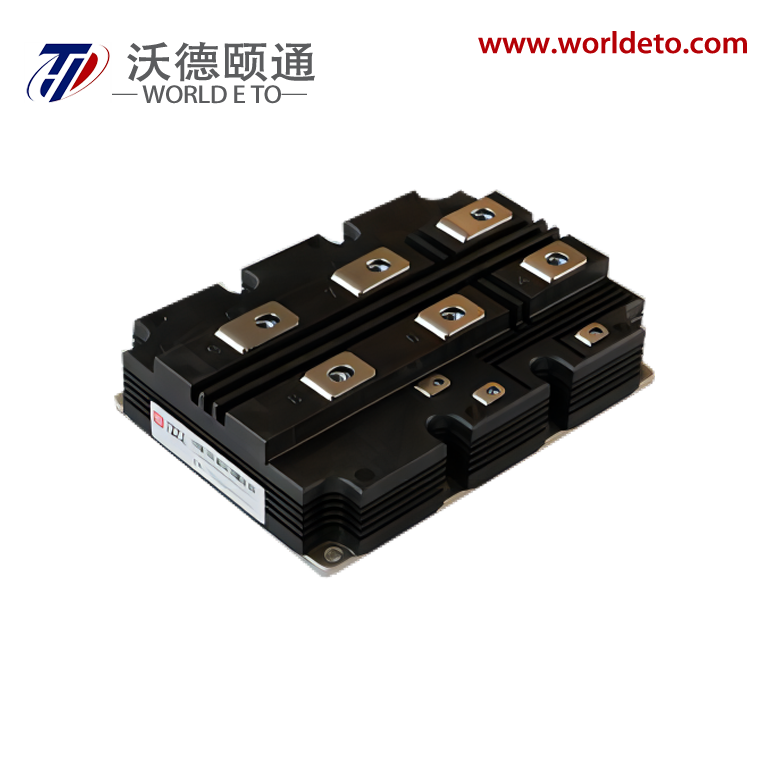
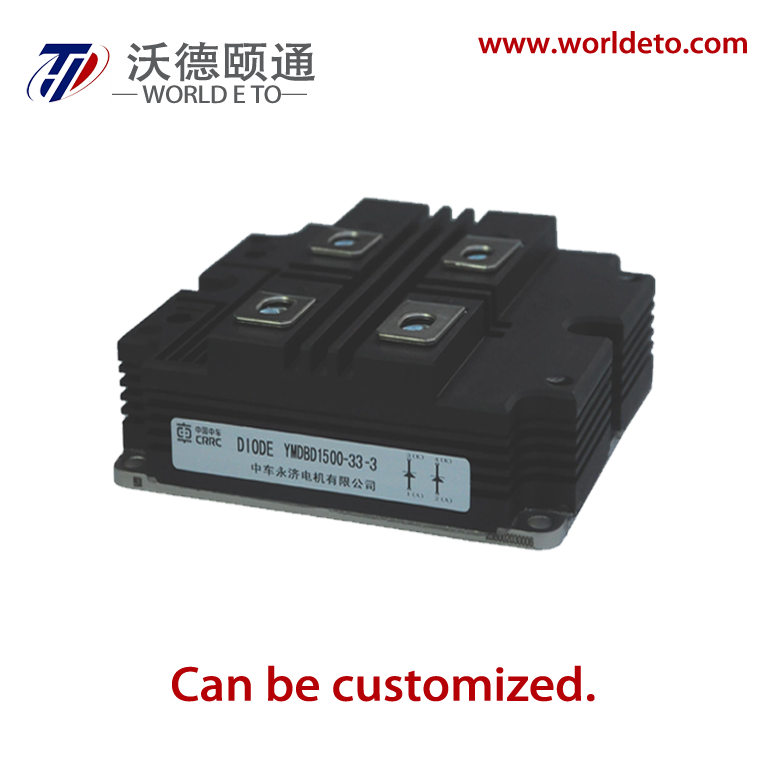
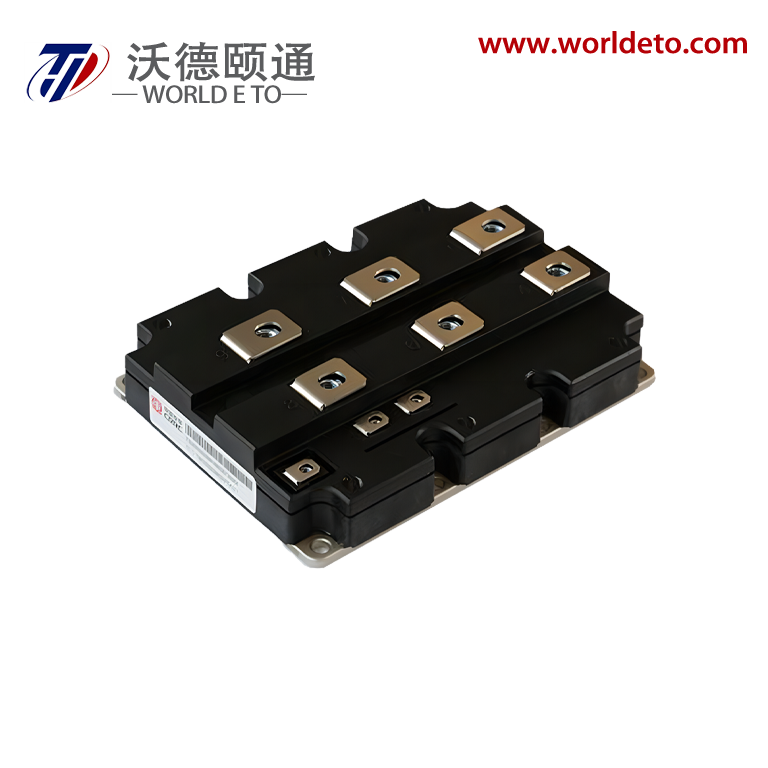
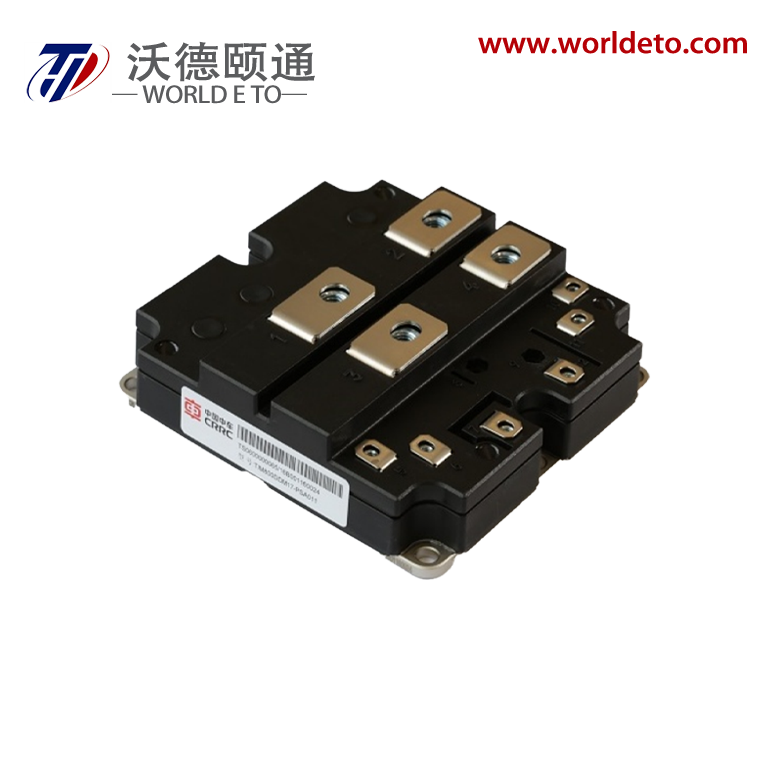
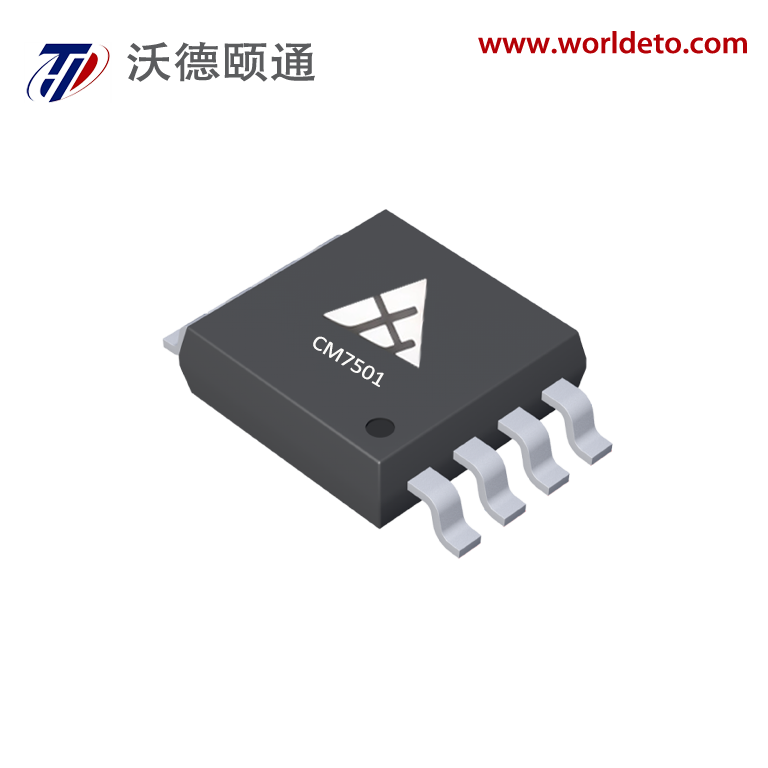
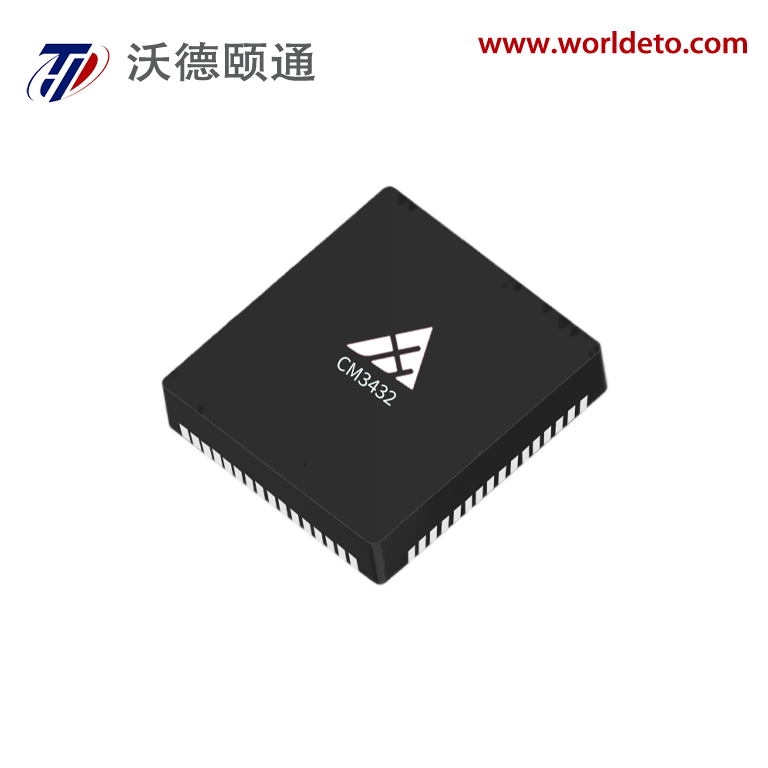
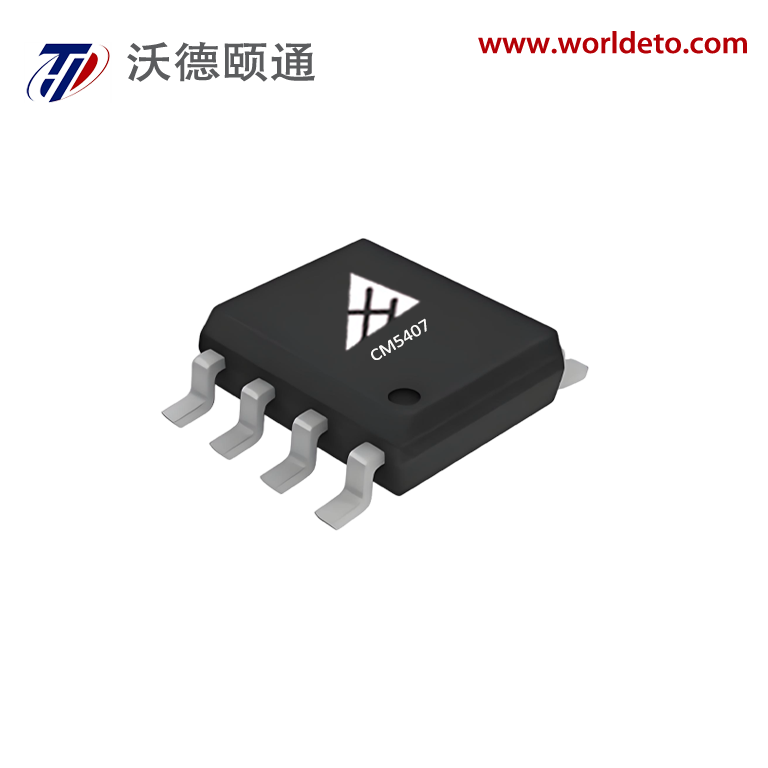
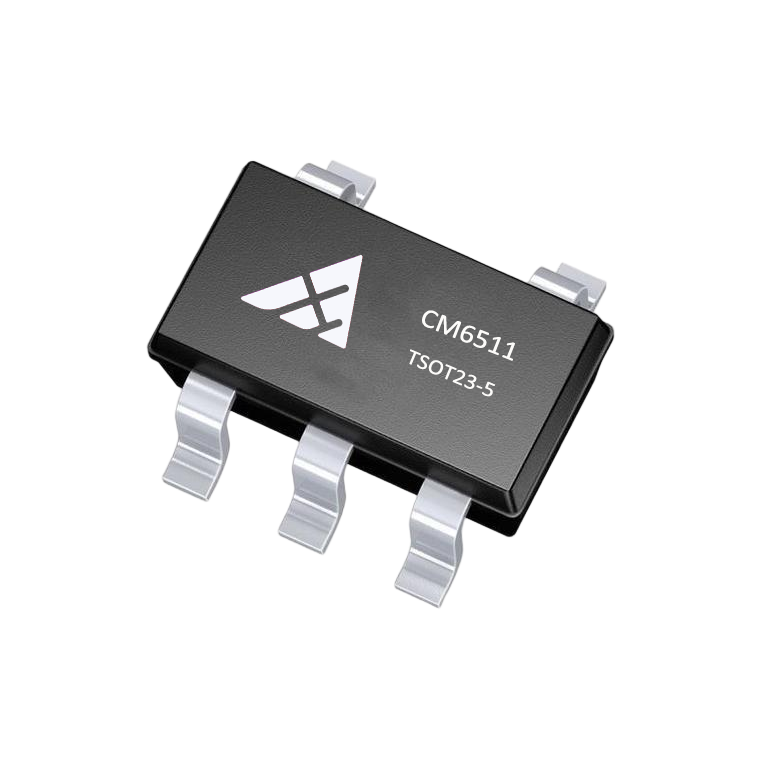
linear power amplifier
A linear power amplifier represents a sophisticated electronic device designed to increase the amplitude of input signals while maintaining proportional output characteristics throughout its operating range. This essential component serves as the backbone of numerous communication systems, broadcasting equipment, and audio applications where signal integrity remains paramount. The linear power amplifier operates by receiving low-power input signals and delivering high-power output signals without introducing significant distortion or unwanted harmonics. Unlike switching amplifiers that operate in discrete on-off states, linear power amplifiers provide continuous signal processing capabilities that preserve the original waveform characteristics. The core functionality revolves around transistor-based circuits operating in their linear regions, ensuring that output signals remain faithful reproductions of input signals at higher power levels. Modern linear power amplifier designs incorporate advanced feedback mechanisms, temperature compensation circuits, and protection systems that enhance reliability and performance stability. These amplifiers feature wide bandwidth capabilities, enabling them to handle diverse frequency ranges from audio frequencies to radio frequencies effectively. The technological architecture typically includes multiple gain stages, impedance matching networks, and thermal management systems that optimize performance across varying load conditions. Linear power amplifiers excel in applications requiring high fidelity signal reproduction, making them indispensable for professional audio systems, RF transmitters, test equipment, and measurement instruments. Their ability to maintain linear relationships between input and output signals ensures minimal signal degradation, which proves crucial for maintaining communication quality and measurement accuracy. The sophisticated design principles underlying linear power amplifier technology enable precise control over gain characteristics, frequency response, and dynamic range parameters.

 EN
EN