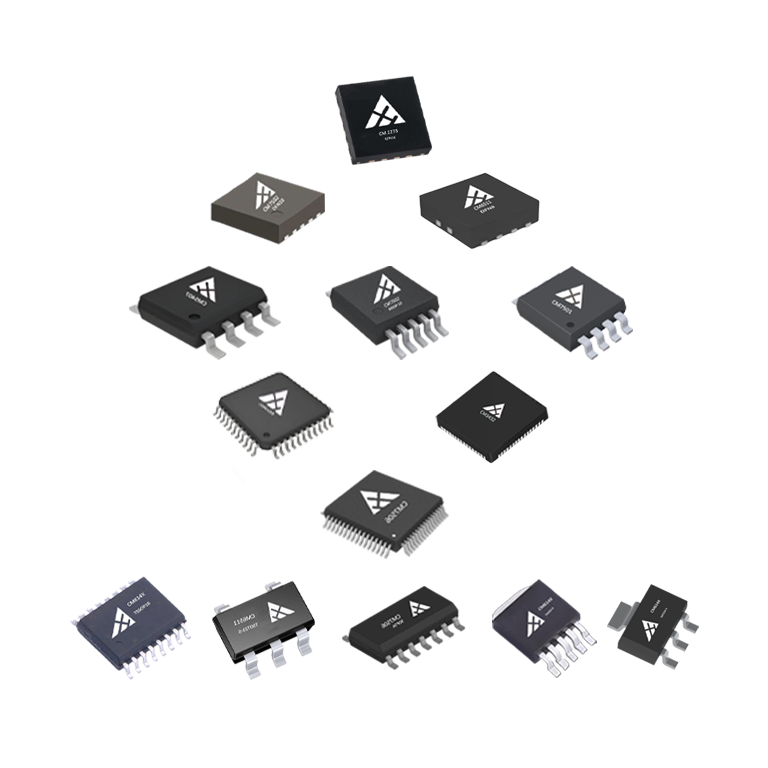
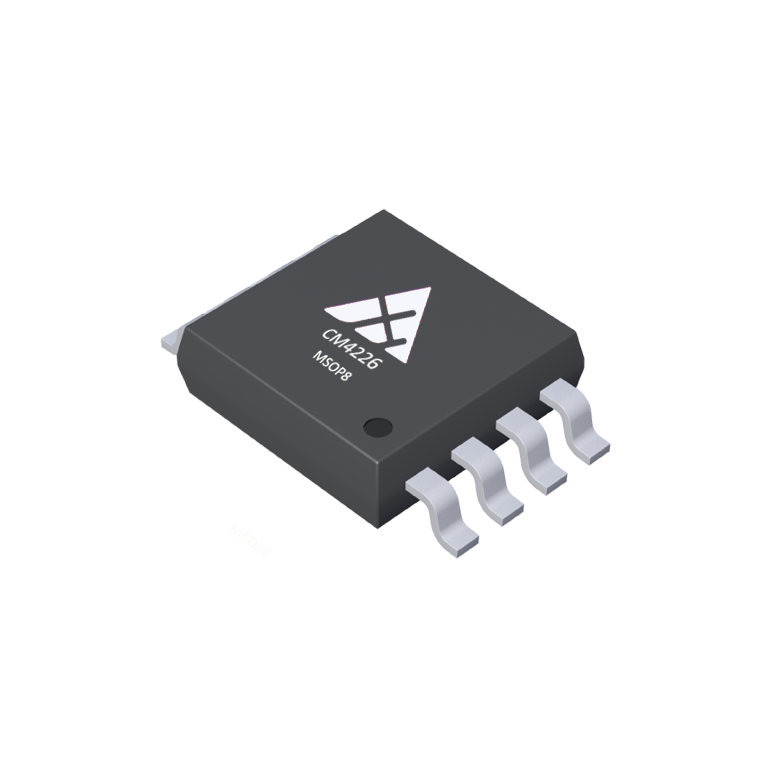
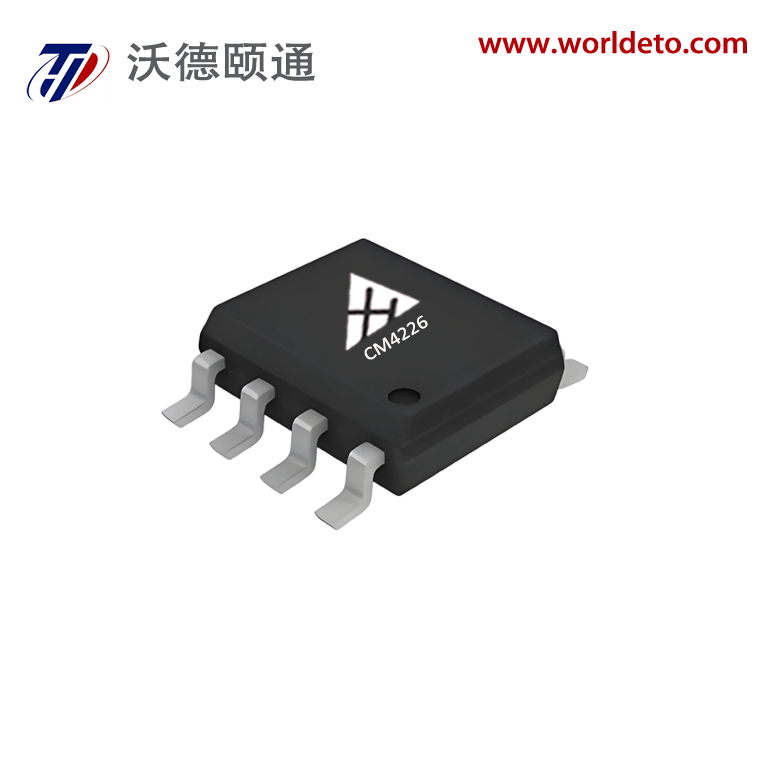
low noise instrumentation amplifier
A low noise instrumentation amplifier represents a sophisticated electronic component designed to amplify weak electrical signals while maintaining exceptional signal integrity and minimal noise interference. This specialized amplifier serves as a crucial bridge between sensors and measurement systems, ensuring that even the smallest signals can be accurately captured and processed. The primary function of a low noise instrumentation amplifier involves amplifying differential input signals while rejecting common-mode noise, making it indispensable for precision measurement applications. These amplifiers feature high input impedance, which prevents loading effects on source circuits, and excellent common-mode rejection ratio capabilities that filter out unwanted electrical interference. The technological architecture of a low noise instrumentation amplifier typically incorporates matched input stages, precise gain-setting resistors, and advanced noise reduction circuitry. Modern designs utilize cutting-edge semiconductor processes and innovative circuit topologies to achieve noise performance measured in nanovolts per square root hertz. The amplifier's differential input configuration allows it to measure the voltage difference between two input terminals while ignoring voltages common to both inputs. This characteristic makes the low noise instrumentation amplifier particularly effective in environments with significant electrical interference. Temperature stability represents another critical technological feature, ensuring consistent performance across varying operating conditions. Many low noise instrumentation amplifiers include built-in protection circuits that safeguard against overvoltage conditions and electrostatic discharge. The applications for low noise instrumentation amplifiers span numerous industries and measurement scenarios. Medical equipment relies heavily on these amplifiers for biomedical signal acquisition, including ECG machines, EEG systems, and patient monitoring devices where signal accuracy directly impacts patient care. Industrial automation systems employ low noise instrumentation amplifiers for strain gauge measurements, pressure sensor interfacing, and temperature monitoring in harsh environments. Scientific research equipment utilizes these amplifiers for precise data acquisition in laboratory settings, environmental monitoring stations, and materials testing applications. The versatility of low noise instrumentation amplifiers extends to automotive testing equipment, aerospace measurement systems, and consumer electronics where signal fidelity remains paramount for proper system operation.

 EN
EN