High Voltage Relay Solutions: Superior Safety, Performance & Reliability for Industrial Applications

All Categories
Get a Quote

Get a Free Quote

Our representative will contact you soon.
Email
Name
Company Name
Message
0/1000

high voltage relay

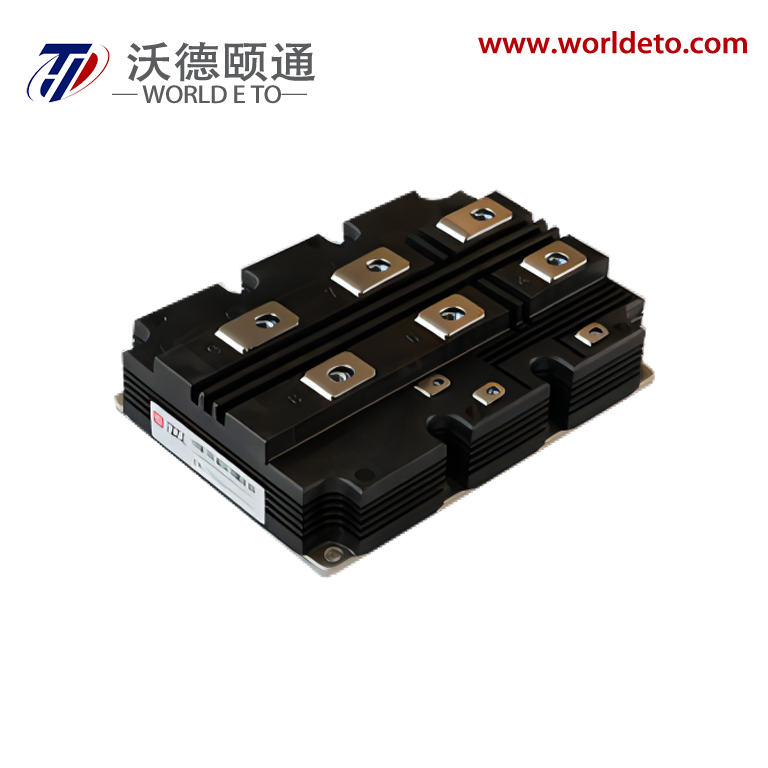
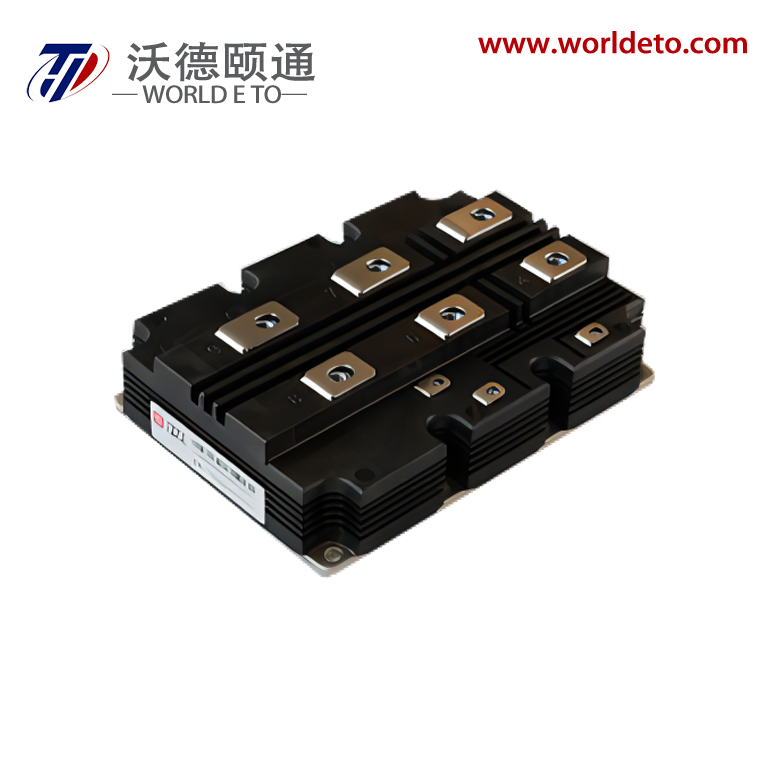
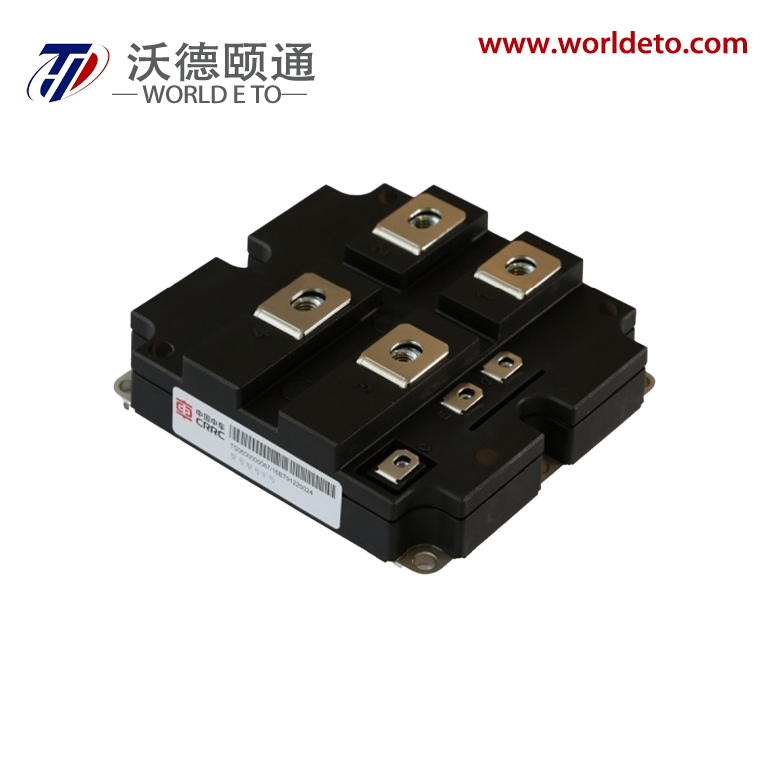
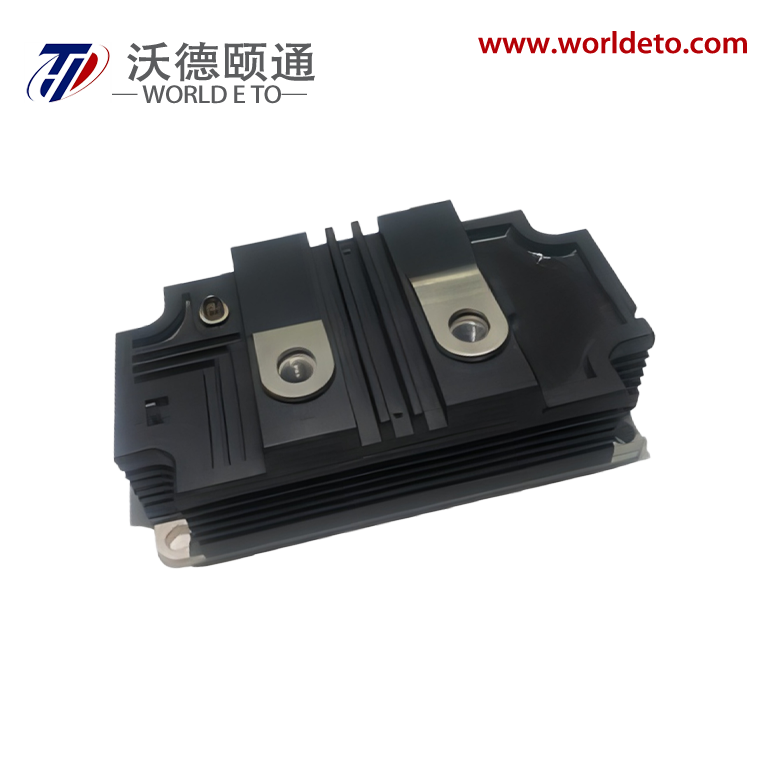
A high voltage relay represents a critical switching component designed to control electrical circuits operating at elevated voltage levels, typically ranging from several hundred volts to tens of thousands of volts. These sophisticated devices serve as essential intermediaries between control circuits and high-power electrical systems, enabling safe and reliable operation across various industrial applications. The primary function of a high voltage relay centers on its ability to establish or interrupt electrical connections in circuits where standard relays would fail due to voltage limitations. High voltage relays incorporate advanced insulation systems, robust contact materials, and specialized arc suppression mechanisms to handle the demanding electrical conditions present in high-voltage environments. The technological architecture of these relays includes enhanced dielectric materials, extended creepage distances, and reinforced contact systems that prevent electrical breakdown and ensure consistent performance. Modern high voltage relay designs utilize ceramic or glass-sealed enclosures that provide superior insulation properties while protecting internal components from environmental contamination. The contact systems within these relays employ precious metal alloys or specialized coatings that resist erosion and maintain low contact resistance even after thousands of switching cycles. Applications for high voltage relays span numerous sectors including power generation facilities, electrical substations, industrial motor control systems, medical equipment, scientific instrumentation, and renewable energy installations. In power distribution networks, these relays control transformer connections, capacitor banks, and protective switching operations that maintain grid stability. Manufacturing facilities rely on high voltage relays for controlling large motors, heating elements, and processing equipment that requires precise electrical switching at elevated voltages. The automotive industry increasingly utilizes high voltage relays in electric vehicle charging systems and battery management applications where safety and reliability are paramount considerations for both manufacturers and consumers.

New Product Releases

High voltage relays deliver exceptional safety benefits by providing complete electrical isolation between control circuits and high-power systems, protecting operators and equipment from dangerous voltage exposure. This isolation capability allows technicians to work with low-voltage control systems while managing high-voltage loads safely, reducing workplace accidents and improving operational confidence. The robust construction of high voltage relays ensures extended operational life even in challenging environments where temperature fluctuations, humidity, and electrical stress would compromise standard switching devices. These relays maintain consistent performance across wide temperature ranges, typically from minus forty to plus eighty-five degrees Celsius, making them suitable for outdoor installations and industrial environments. The precision switching characteristics of high voltage relays enable accurate control of electrical loads with minimal voltage drop and contact resistance, improving overall system efficiency and reducing energy losses. Modern high voltage relay designs incorporate advanced arc suppression technologies that minimize contact wear and extend service life significantly beyond conventional relay systems. The compact form factor of contemporary high voltage relays allows designers to create space-efficient control panels and electrical enclosures while maintaining required safety clearances and insulation distances. Installation flexibility represents another significant advantage, as high voltage relays accommodate various mounting configurations including panel mount, socket mount, and PCB mount options to suit different application requirements. The standardized control voltage requirements of most high voltage relays simplify integration with existing control systems, eliminating the need for specialized interface circuits or voltage conversion equipment. Maintenance requirements for high voltage relays remain minimal due to sealed construction and durable contact materials, reducing long-term operating costs and system downtime. The diagnostic capabilities built into modern high voltage relays provide valuable feedback about contact condition, switching frequency, and potential failure modes, enabling predictive maintenance strategies that prevent unexpected failures. Cost-effectiveness emerges through reduced system complexity, lower maintenance requirements, and extended service life compared to alternative switching solutions such as mechanical contactors or semiconductor switches that may require additional cooling or protection circuits.

Practical Tips

Low-Power Design Secrets: Utilizing Precision LDOs and Voltage References for Extended Battery Life

07

Jan

Low-Power Design Secrets: Utilizing Precision LDOs and Voltage References for Extended Battery Life

Modern electronic systems demand increasingly sophisticated power management strategies to achieve extended battery life while maintaining optimal performance. The integration of precision LDOs and voltage references has become a cornerstone of effic...
View More
Speed Meets Accuracy: Selecting High-Speed Data Converters for Demanding Applications

07

Jan

Speed Meets Accuracy: Selecting High-Speed Data Converters for Demanding Applications

In today's rapidly evolving industrial landscape, the demand for high-speed data converters has reached unprecedented levels. These critical components serve as the bridge between analog and digital domains, enabling sophisticated control systems to ...
View More
Super-junction MOSFET

25

Jan

Super-junction MOSFET

The super-junction MOSFET (Meta Oxide Semiconductor Field Effect Transistor) introduces a lateral electric field control on the basis of the traditional VDMOS, thereby making the vertical electric field distribution approach an ideal rectangle. This ...
View More
The Best Domestic Alternatives for High-Performance ADC and DAC Chips in 2026

03

Feb

The Best Domestic Alternatives for High-Performance ADC and DAC Chips in 2026

The semiconductor industry is experiencing unprecedented demand for high-performance analog-to-digital converter and digital-to-analog converter solutions, driving engineers and procurement teams to seek reliable domestic alternatives for ADC and DAC...
View More

Get a Free Quote

Our representative will contact you soon.
Email
Name
Company Name
Message
0/1000

high voltage relay

Superior Insulation and Safety Performance

Superior Insulation and Safety Performance

The exceptional insulation capabilities of high voltage relays represent their most critical advantage, providing unmatched safety protection in electrical systems operating at dangerous voltage levels. These relays incorporate multiple layers of insulation including primary insulation between contacts and coil, secondary insulation between live parts and ground, and reinforced insulation that meets the most stringent safety standards established by international certification bodies. The insulation systems utilize advanced dielectric materials such as ceramic substrates, specialized polymer compounds, and glass-sealed enclosures that maintain their insulating properties across extreme environmental conditions. This comprehensive insulation approach ensures that high voltage relays can withstand voltage surges, transient overvoltages, and sustained high-voltage operation without compromising operator safety or system integrity. The creepage distances and clearance gaps designed into high voltage relays exceed industry standards, preventing tracking and flashover phenomena that could lead to catastrophic failures or safety hazards. Modern high voltage relay designs undergo rigorous testing including impulse voltage tests, partial discharge measurements, and long-term voltage endurance evaluations to verify their safety performance under real-world operating conditions. The insulation coordination principles applied in high voltage relay development ensure compatibility with various system grounding methods and fault protection schemes commonly used in industrial and utility applications. This superior insulation performance translates into enhanced system reliability, reduced insurance costs, improved regulatory compliance, and most importantly, protection of human life and valuable equipment investments. The ability to maintain complete electrical isolation while providing reliable switching operation makes high voltage relays indispensable components in critical infrastructure applications where safety cannot be compromised.
Advanced Arc Suppression Technology

Advanced Arc Suppression Technology

High voltage relays incorporate sophisticated arc suppression mechanisms that dramatically improve contact life and switching performance compared to conventional relay technologies. When electrical contacts separate under load, particularly at high voltages, an electrical arc forms between the contact surfaces, generating intense heat and potentially damaging the contact materials through erosion and oxidation processes. Advanced high voltage relays employ multiple arc suppression strategies including magnetic blowout systems, specialized contact geometries, and inert gas atmospheres that rapidly extinguish arcs and minimize contact damage. Magnetic blowout systems utilize permanent magnets or electromagnetic coils to create magnetic fields that deflect and stretch electrical arcs, forcing them into designated arc chambers where they can be safely extinguished without damaging the primary contact surfaces. The contact geometry optimization in high voltage relays includes features such as arc runners, which provide alternative current paths that direct arcs away from the main contact surfaces, and specially shaped contact profiles that promote rapid arc extinction through controlled current interruption. Some high voltage relay designs incorporate sealed chambers filled with inert gases such as nitrogen or sulfur hexafluoride that provide superior dielectric strength and arc quenching properties compared to air-filled enclosures. The combination of these arc suppression technologies enables high voltage relays to interrupt fault currents and switching surges that would quickly destroy conventional relay contacts, resulting in switching capabilities that can exceed one million operations under rated conditions. This extended operational life translates into reduced maintenance costs, improved system reliability, and lower total cost of ownership for applications requiring frequent switching operations. The superior arc suppression performance also enables high voltage relays to handle inductive loads, capacitive loads, and motor starting applications that present particularly challenging switching conditions due to current and voltage transients.
Versatile Application Compatibility

Versatile Application Compatibility

High voltage relays demonstrate remarkable versatility in their ability to adapt to diverse application requirements across multiple industries and electrical system configurations. This adaptability stems from their modular design approach, standardized interface options, and comprehensive range of electrical ratings that accommodate everything from medium-voltage distribution systems to specialized high-voltage research equipment. The coil voltage options available in high voltage relays span from standard control voltages such as twenty-four volts DC and one hundred twenty volts AC to specialized voltages required by specific control systems, enabling seamless integration into existing infrastructure without requiring additional interface equipment or voltage conversion circuits. The contact configurations available include single-pole, double-pole, and multi-pole arrangements with normally open, normally closed, or changeover contact functions that provide designers with flexibility to implement various switching logic and safety interlock schemes. High voltage relays accommodate both AC and DC switching applications with specialized contact materials and arc suppression systems optimized for each type of electrical load, ensuring reliable operation regardless of the power system configuration. The mounting options for high voltage relays include panel mounting for control cabinet installations, socket mounting for easy replacement and maintenance, and printed circuit board mounting for compact electronic control systems. Environmental ratings of high voltage relays address the demanding conditions found in industrial facilities, outdoor installations, and mobile equipment applications where exposure to temperature extremes, vibration, humidity, and corrosive atmospheres would compromise lesser switching devices. The standardized dimensions and terminal arrangements of high voltage relays facilitate retrofitting existing systems and enable straightforward replacement of aging components without requiring extensive modifications to control panels or wiring systems. This versatility extends to specialized applications such as medical equipment where patient safety requires exceptional reliability, renewable energy systems where environmental conditions are severe, and research facilities where precise switching control is essential for experimental accuracy and equipment protection.


Get a Free Quote

Our representative will contact you soon.
Email
Name
Company Name
Message
0/1000