High Voltage IC Solutions: Advanced Power Management Technology for Enhanced System Performance

All Categories
Get a Quote

Get a Free Quote

Our representative will contact you soon.
Email
Name
Company Name
Message
0/1000

high voltage ic

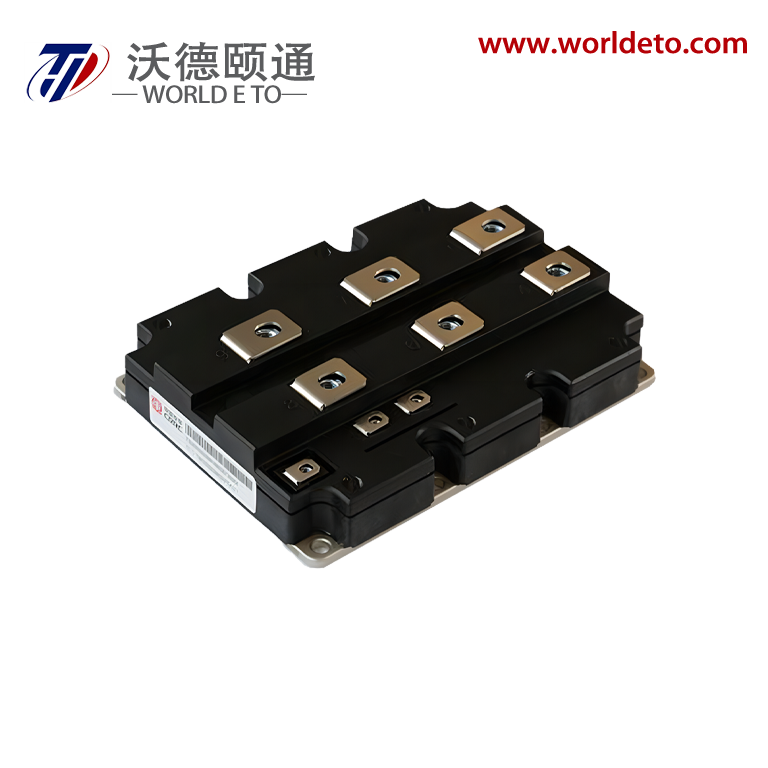
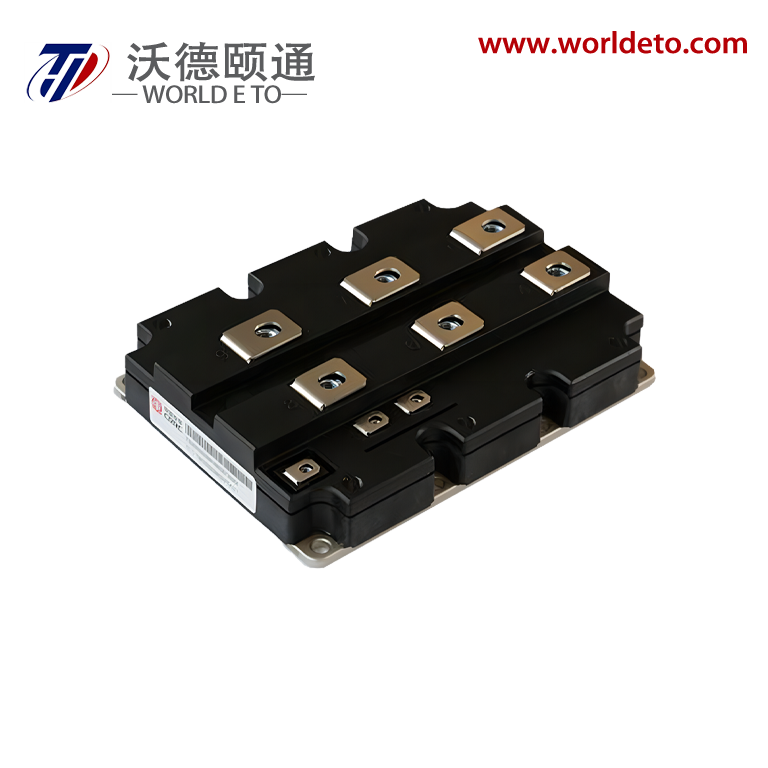
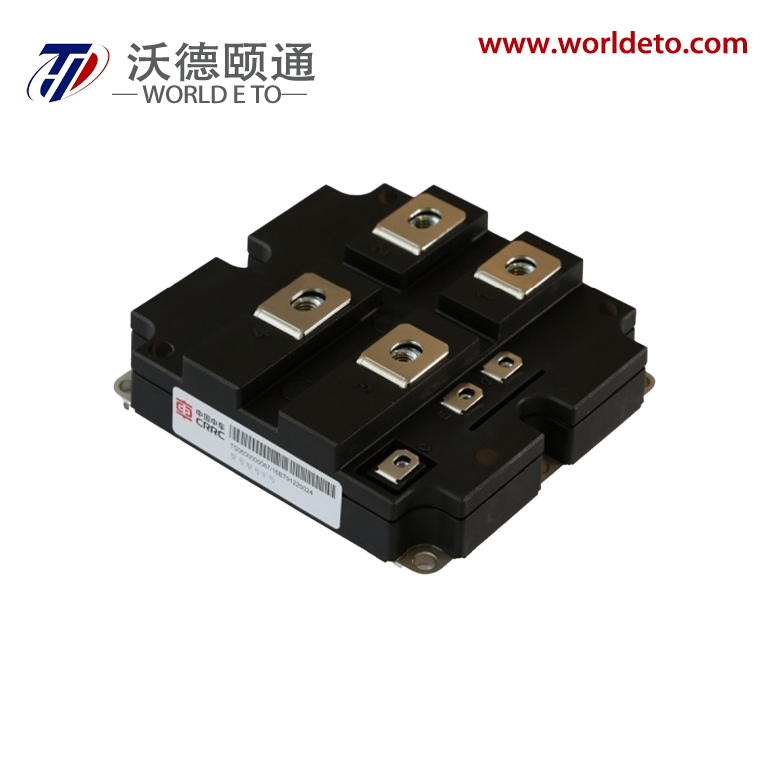
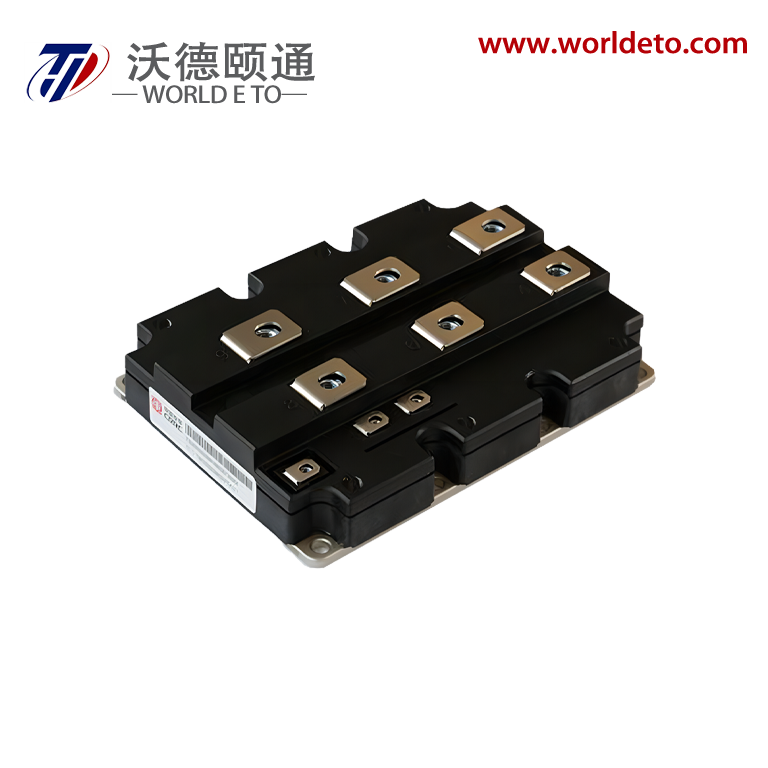
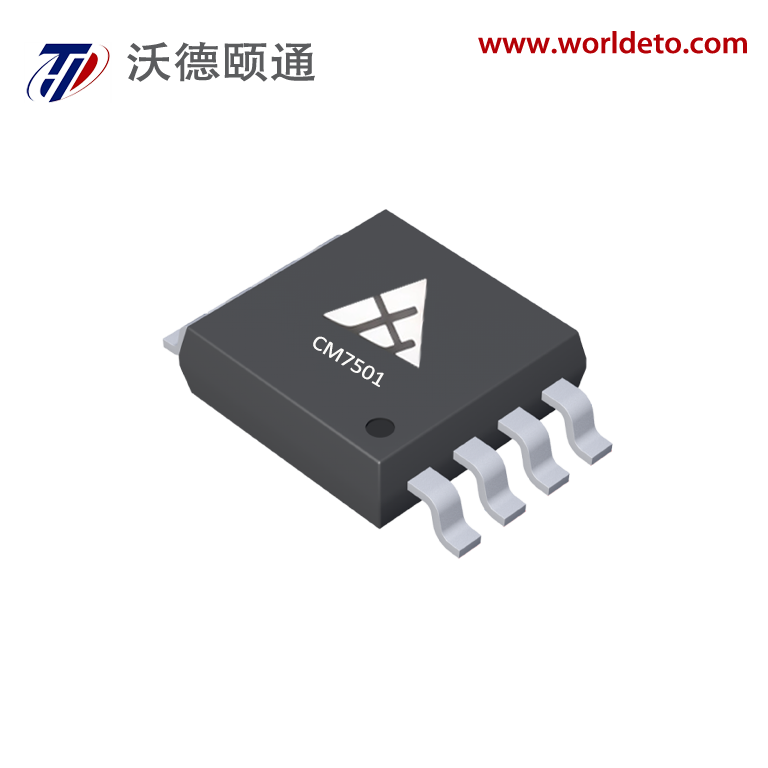
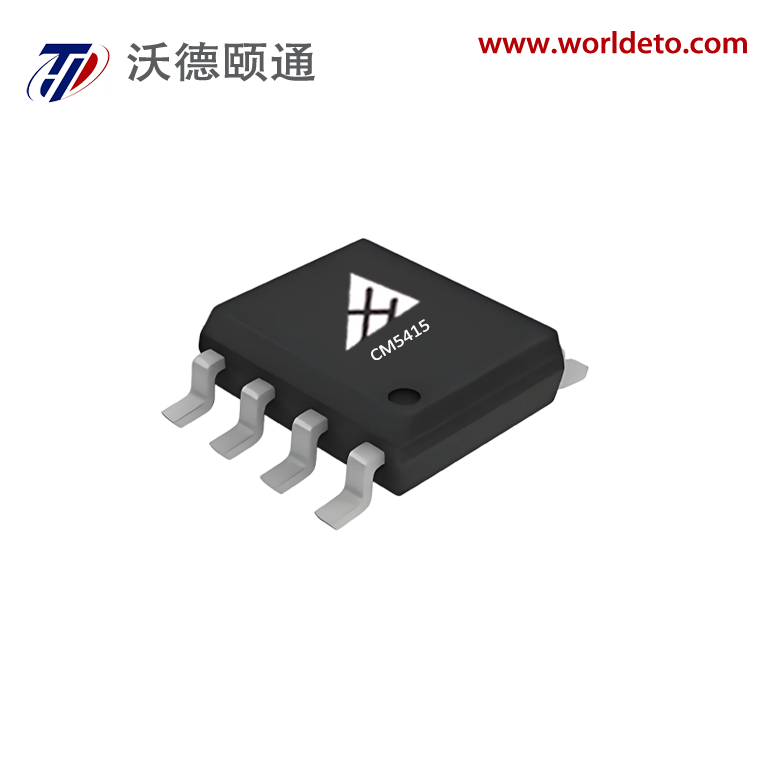
A high voltage IC represents a sophisticated semiconductor component engineered to operate efficiently at elevated voltage levels, typically ranging from 30V to several hundred volts or more. These specialized integrated circuits serve as critical building blocks in power management systems, offering precise control and regulation capabilities in demanding electrical environments. The high voltage IC combines advanced semiconductor technology with robust design architectures to deliver reliable performance under extreme operating conditions. Modern high voltage IC designs incorporate multiple protective mechanisms, including overvoltage protection, thermal shutdown, and current limiting features that safeguard both the device and connected systems. The technological foundation of high voltage IC development relies on specialized fabrication processes that enable the integration of high-voltage transistors, precision analog circuits, and digital control logic on a single chip. These components utilize advanced isolation techniques and specialized gate structures to maintain operational integrity across wide voltage ranges. Primary functions of high voltage IC include power conversion, voltage regulation, motor control, and switching applications. In power conversion scenarios, these devices efficiently transform electrical energy between different voltage levels while minimizing losses and maintaining excellent regulation characteristics. The high voltage IC architecture typically features dedicated driver circuits, feedback control systems, and protection mechanisms that work together to ensure stable operation. Applications span numerous industries, from automotive and industrial automation to telecommunications and renewable energy systems. In automotive applications, high voltage IC components manage electric vehicle powertrains, battery management systems, and various high-power accessories. Industrial environments utilize these devices for motor drives, lighting systems, and power supplies that demand exceptional reliability and performance. The versatility of high voltage IC technology enables engineers to develop compact, efficient solutions that replace traditional discrete component designs, resulting in reduced system complexity and improved overall performance characteristics.


New Product Releases

The high voltage IC delivers exceptional value through its superior power efficiency, significantly reducing energy waste compared to traditional discrete component solutions. This efficiency translates directly into lower operating costs and reduced heat generation, making systems more reliable and cost-effective to operate. Engineers benefit from simplified circuit designs because the high voltage IC integrates multiple functions into a single package, eliminating the need for numerous external components. This integration reduces board space requirements by up to 60 percent while improving system reliability through fewer interconnections and potential failure points. The high voltage IC offers enhanced protection features that safeguard expensive equipment from damage caused by voltage spikes, overcurrent conditions, and thermal stress. These built-in protection mechanisms respond faster than external protection circuits, providing superior system security and reducing downtime costs. Manufacturing processes become more streamlined when using high voltage IC components because fewer parts need assembly, testing, and inventory management. This simplification reduces production time and labor costs while improving quality control through standardized component specifications. The high voltage IC enables precise control over electrical parameters, allowing engineers to optimize system performance for specific applications. This precision control results in better end-product performance and customer satisfaction. Thermal management becomes easier with high voltage IC designs because these components generate less heat than equivalent discrete solutions and often include integrated thermal protection features. The reduced heat generation extends component lifespan and improves system reliability in harsh operating environments. Maintenance requirements decrease significantly when systems incorporate high voltage IC technology because these components experience lower failure rates and require less frequent replacement compared to discrete alternatives. The high voltage IC also provides excellent electromagnetic interference characteristics, reducing the need for additional filtering components and simplifying compliance with regulatory requirements. Design flexibility increases substantially because high voltage IC components often include programmable features that allow engineers to customize performance characteristics without hardware modifications. This adaptability reduces development time and enables faster time-to-market for new products while maintaining high performance standards across diverse applications.

Practical Tips

How to Choose a Precision DAC: A Guide to Critical Specs and Top Domestic Models

24

Nov

How to Choose a Precision DAC: A Guide to Critical Specs and Top Domestic Models

In today's rapidly evolving electronics landscape, selecting the right precision DAC has become increasingly critical for engineers developing high-performance systems. A precision DAC serves as the crucial bridge between digital control systems and ...
View More
Accuracy, Drift, and Noise: The Key Specifications of Precision Voltage References

24

Nov

Accuracy, Drift, and Noise: The Key Specifications of Precision Voltage References

In the world of electronic circuit design and measurement systems, precision voltage references serve as the cornerstone for achieving accurate and reliable performance. These critical components provide stable reference voltages that enable precise ...
View More
Super-junction MOSFET

25

Jan

Super-junction MOSFET

The super-junction MOSFET (Meta Oxide Semiconductor Field Effect Transistor) introduces a lateral electric field control on the basis of the traditional VDMOS, thereby making the vertical electric field distribution approach an ideal rectangle. This ...
View More
Breaking Speed Barriers: The Future of High-Speed ADCs in Modern Communication

03

Feb

Breaking Speed Barriers: The Future of High-Speed ADCs in Modern Communication

The telecommunications industry continues to push the boundaries of data transmission speeds, driving unprecedented demand for advanced analog-to-digital conversion technologies. High-speed ADCs have emerged as the cornerstone of modern communication...
View More

Get a Free Quote

Our representative will contact you soon.
Email
Name
Company Name
Message
0/1000

high voltage ic

Advanced Integration and Space Optimization

Advanced Integration and Space Optimization

The high voltage IC revolutionizes electronic design through its remarkable integration capabilities, combining multiple discrete functions into a single, compact semiconductor package. This advanced integration eliminates the traditional approach of using separate components for voltage regulation, switching, protection, and control functions. Engineers can now replace complex circuits containing dozens of individual components with a single high voltage IC, dramatically reducing printed circuit board footprint requirements. The space savings typically range from 50 to 70 percent compared to equivalent discrete designs, enabling the development of smaller, more portable products without compromising functionality. This miniaturization advantage proves particularly valuable in applications where size constraints are critical, such as portable electronics, automotive systems, and aerospace equipment. The high voltage IC integration also improves manufacturing efficiency by reducing component placement time, soldering operations, and quality control checkpoints during production. Supply chain management becomes simpler because procurement teams need to source fewer individual components, reducing inventory complexity and potential supply disruptions. The integrated approach inherently provides better component matching and thermal coupling between circuit elements, resulting in improved overall performance characteristics. Temperature coefficients and aging effects that typically cause drift in discrete component circuits are minimized through the matched processing and identical thermal environments within the high voltage IC. This integration advantage extends to improved electromagnetic compatibility because internal circuit elements are physically closer and share common ground planes, reducing parasitic inductances and capacitances that can cause interference issues. The high voltage IC packaging technology incorporates advanced thermal management features, including thermal pads and heat spreading techniques that efficiently dissipate generated heat across the component footprint. Quality and reliability metrics improve significantly because the high voltage IC undergoes comprehensive factory testing as a complete functional unit, rather than relying on individual component specifications that may interact unpredictably in discrete implementations.
Superior Protection and Safety Features

Superior Protection and Safety Features

The high voltage IC incorporates comprehensive protection mechanisms that provide unmatched safety and reliability in high-power applications. These integrated protection features respond to fault conditions within microseconds, far faster than external protection circuits can react, preventing damage to both the high voltage IC itself and connected equipment. Overvoltage protection circuits continuously monitor input and output voltage levels, immediately shutting down operation when voltages exceed safe thresholds. This protection prevents costly damage to downstream components and ensures system safety in unpredictable operating environments. Overcurrent protection mechanisms within the high voltage IC detect excessive current flow through built-in current sensing circuits, automatically limiting current to safe levels or shutting down operation to prevent thermal damage. These protection features include sophisticated algorithms that distinguish between normal transient conditions and genuine fault scenarios, preventing nuisance shutdowns while maintaining robust protection capabilities. Thermal protection systems monitor junction temperatures within the high voltage IC, implementing graduated responses that include current derating, frequency reduction, and complete shutdown as temperatures approach critical levels. This multi-level thermal management ensures reliable operation across wide temperature ranges while preventing thermal runaway conditions that could cause permanent damage. Short-circuit protection capabilities enable the high voltage IC to survive direct output short-circuit conditions without damage, automatically recovering normal operation when the fault condition is removed. This resilience proves essential in industrial and automotive applications where harsh operating conditions may cause temporary fault conditions. The high voltage IC also includes undervoltage lockout features that prevent operation when supply voltages are insufficient to ensure proper circuit function, avoiding unpredictable behavior during power-up and power-down sequences. Ground fault detection capabilities protect against dangerous ground fault conditions that could pose safety hazards in high-voltage applications. These comprehensive protection features work together to create multiple layers of safety, ensuring that the high voltage IC continues operating reliably even when individual protection mechanisms are stressed by extreme conditions.
Enhanced Efficiency and Performance Optimization

Enhanced Efficiency and Performance Optimization

The high voltage IC achieves exceptional efficiency levels through advanced circuit topologies and optimized semiconductor processes specifically designed for high-voltage operation. Power conversion efficiency typically exceeds 95 percent across wide operating ranges, significantly outperforming discrete component alternatives that struggle to achieve similar efficiency levels due to parasitic losses and component mismatches. This superior efficiency directly translates into reduced heat generation, lower cooling requirements, and decreased energy consumption, providing tangible cost savings throughout the product lifecycle. The high voltage IC incorporates sophisticated control algorithms that continuously optimize switching patterns, timing, and modulation techniques to maintain peak efficiency across varying load conditions. These adaptive control mechanisms automatically adjust operating parameters based on real-time feedback, ensuring optimal performance regardless of input voltage variations, load changes, or environmental conditions. Advanced gate drive circuits within the high voltage IC minimize switching losses by precisely controlling the turn-on and turn-off characteristics of power transistors, reducing both switching time and associated energy losses. The optimized switching behavior also reduces electromagnetic interference generation, simplifying system-level EMI compliance requirements. Precision analog circuits within the high voltage IC provide accurate voltage and current regulation with typical accuracy levels better than 1 percent across temperature and aging variations. This precision enables tighter system specifications and improved end-product performance consistency. The high voltage IC design incorporates advanced compensation techniques that maintain stable operation across wide bandwidth requirements, ensuring excellent transient response and minimal output ripple. Frequency optimization features allow engineers to select switching frequencies that balance efficiency, component size, and electromagnetic interference requirements for specific applications. The high voltage IC also includes power management features such as burst mode operation, skip mode operation, and programmable soft-start capabilities that further enhance efficiency during light-load conditions and startup sequences. These optimization features enable the high voltage IC to maintain high efficiency even during standby modes, contributing to overall system energy savings and extended battery life in portable applications.

Get a Free Quote

Our representative will contact you soon.
Email
Name
Company Name
Message
0/1000