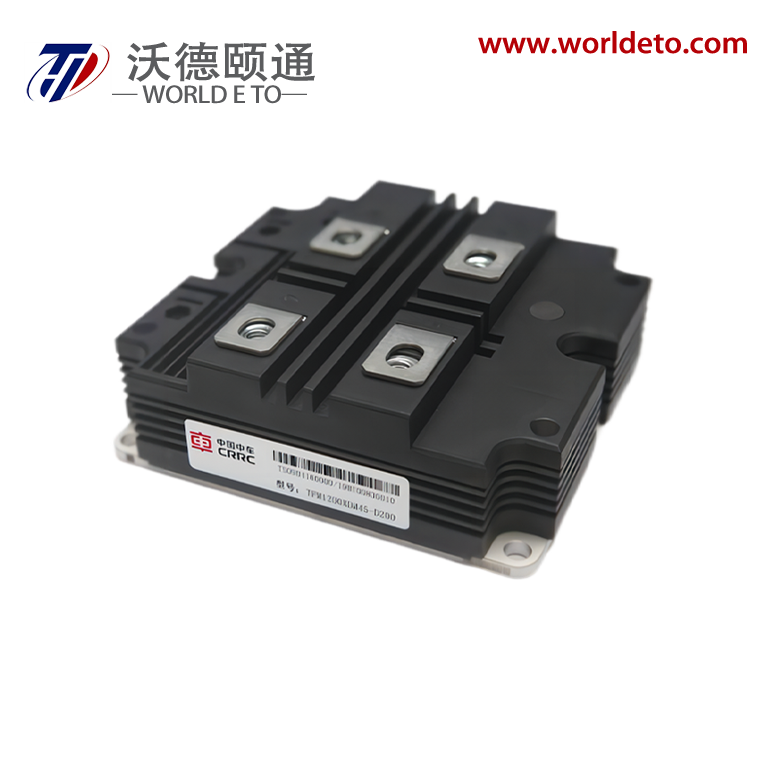
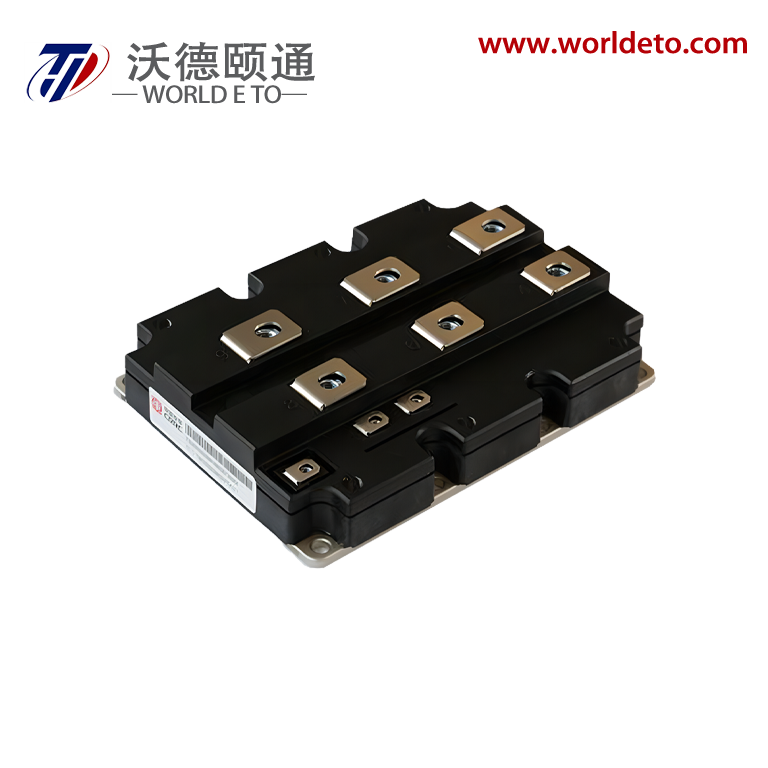
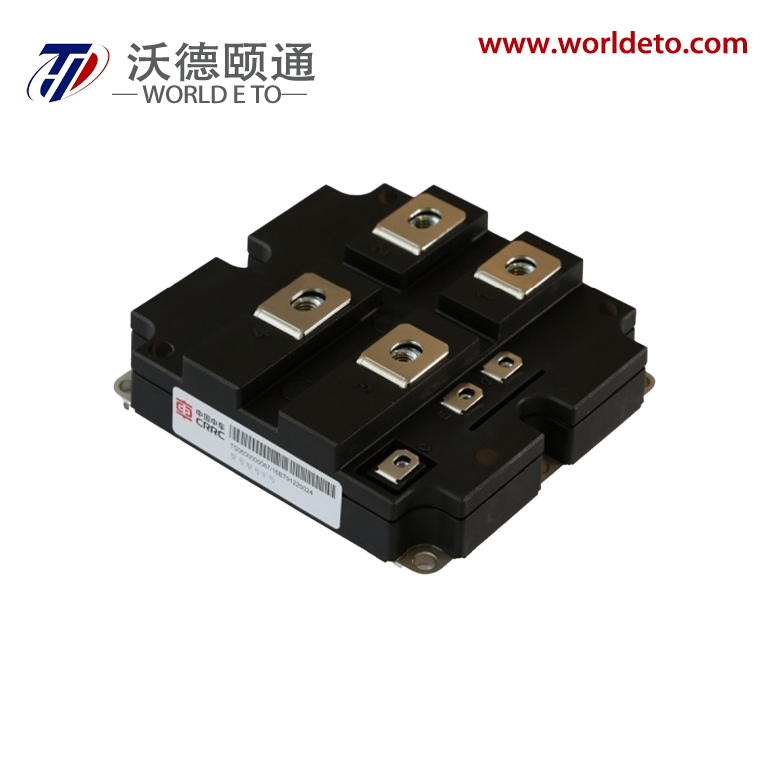
Üstün Performans ve Hız Yetenekleri
Transistör entegre devresi (IC), hızlı sinyal işleme, hassas zamanlama kontrolü ve yüksek frekanslı çalışma yetenekleri gerektiren gelişmiş uygulamaları destekleyen olağanüstü performans özelliklerine sahiptir. Modern transistör entegre devre teknolojisiyle elde edilen anahtarlama hızları gigahertz düzeyinde frekanslara ulaşmakta olup, bu bileşenlerin yoğun hesaplama görevlerini, yüksek hızlı veri iletimini ve gerçek zamanlı sinyal işleme uygulamalarını dikkat çekici verimlilikle yönetmesini sağlamaktadır. Bu performans özellikleri, parazit etkileri en aza indirirken işlemsel bant genişliğini maksimize eden optimize edilmiş yarı iletken malzemelerden, geliştirilmiş üretim süreçlerinden ve yenilikçi devre mimarilerinden kaynaklanmaktadır. Transistör entegre devre cihazlarının üstün hız performansı, yüksek çözünürlüklü video işleme, kablosuz iletişim protokolleri ve giriş koşullarına anında tepki vermesi gereken gelişmiş bilgi işlem sistemleri gibi uygulamaları mümkün kılmaktadır. Sinyal bütünlüğü, transistör entegre devre teknolojisinin alternatif uygulamalara kıyasla öne çıkan başka bir kritik performans yönüdür. Bu devrelerin entegre doğası, gürültüye karşı duyarlılığı azaltır, komşu devre yolları arasındaki karışmayı (crosstalk) ortadan kaldırır ve geniş frekans aralıkları boyunca sinyal kalitesini korur. Bu üstün sinyal bütünlüğü, daha net ses yeniden üretimi, daha keskin video görüntüleri, daha doğru veri iletimi ve güvenilir kontrol sistemi çalışması anlamına gelir. Performans avantajları, güç taşıma kapasitesine de uzanır; burada transistör entegre devre tasarımları, ısı üretimi minimize edilirken faydalı çıkış gücünü maksimize edecek şekilde akım akışını optimize eder. Bu verimlilik, taşınabilir cihazların şarj aralıkları arasında daha uzun süre çalışmasını sağlar ve yüksek performanslı sistemler için soğutma gereksinimlerini azaltır. Transistör entegre devre bileşenlerinin hassas zamanlama yetenekleri, iletişim ağları, ölçüm aletleri ve zamanlama doğruluğu doğrudan işlevselliği etkileyen kontrol sistemleri gibi tam senkronizasyon gerektiren uygulamaları destekler. Modern transistör entegre devre tasarımları, işletimsel özelliklerin mevcut taleplere otomatik olarak uyarlandığı ve aynı zamanda enerji tüketimi optimize edildiği adaptif performans ölçeklendirme gibi gelişmiş özellikleri içermektedir. Bu akıllı performans yönetimi, taşınabilir uygulamalarda pil ömrünü uzatır ve sabit sistemlerde enerji maliyetlerini düşürür. Transistör entegre devre teknolojisinin performans güvenilirliği, sıcaklık değişimleri, besleme gerilimi dalgalanmaları ve yaşlanma etkileri gibi alternatif devre uygulamalarını bozabilecek faktörlere karşı tutarlı çalışmayı garanti eder. Bu güvenilirlik, güvenliği ve operasyonel başarısı için tutarlı performansın hayati olduğu zorlu ortamlarda kullanımını mümkün kılar.

 EN
EN