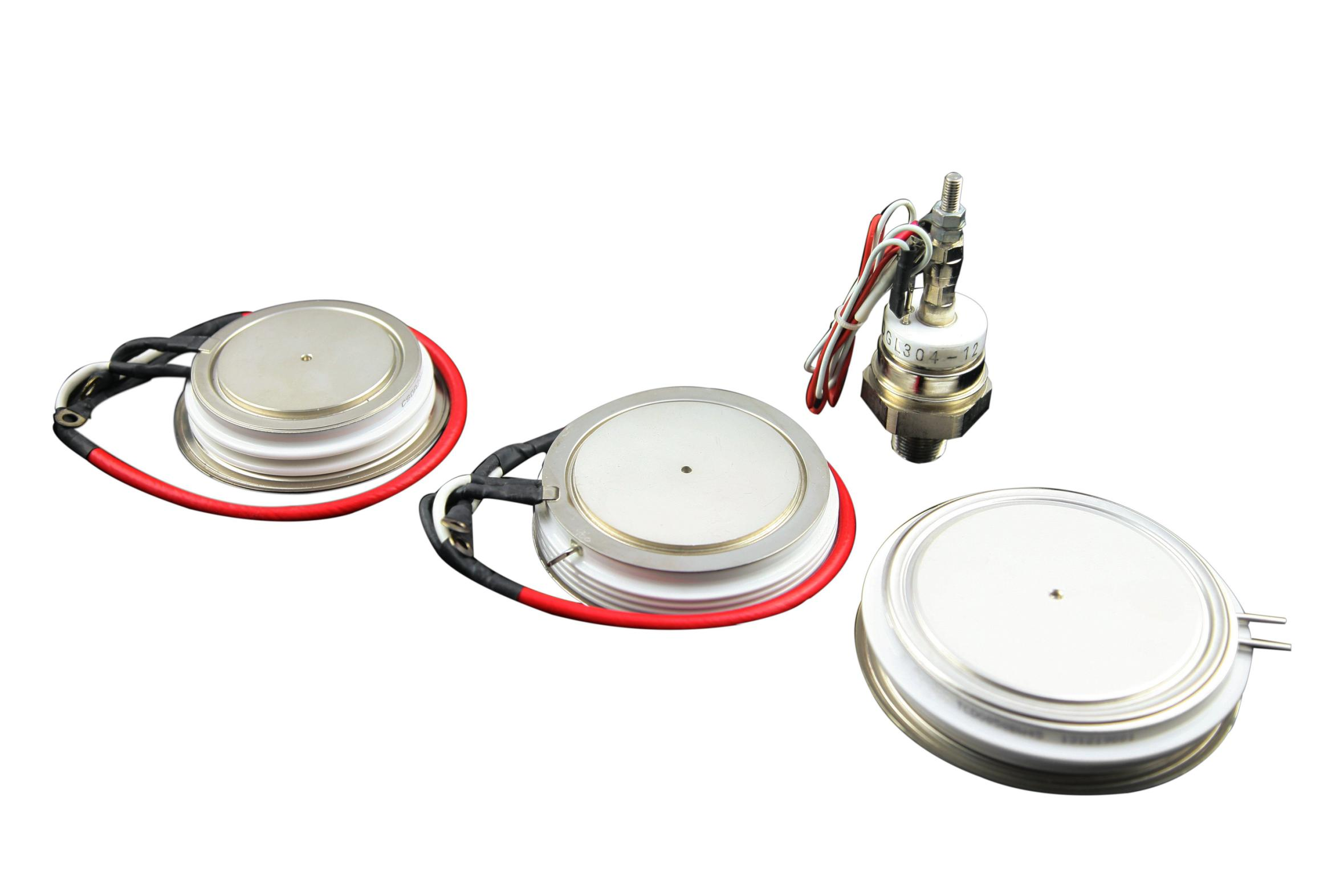
Uppenbar kontrollprecision och låg effektförbrukning
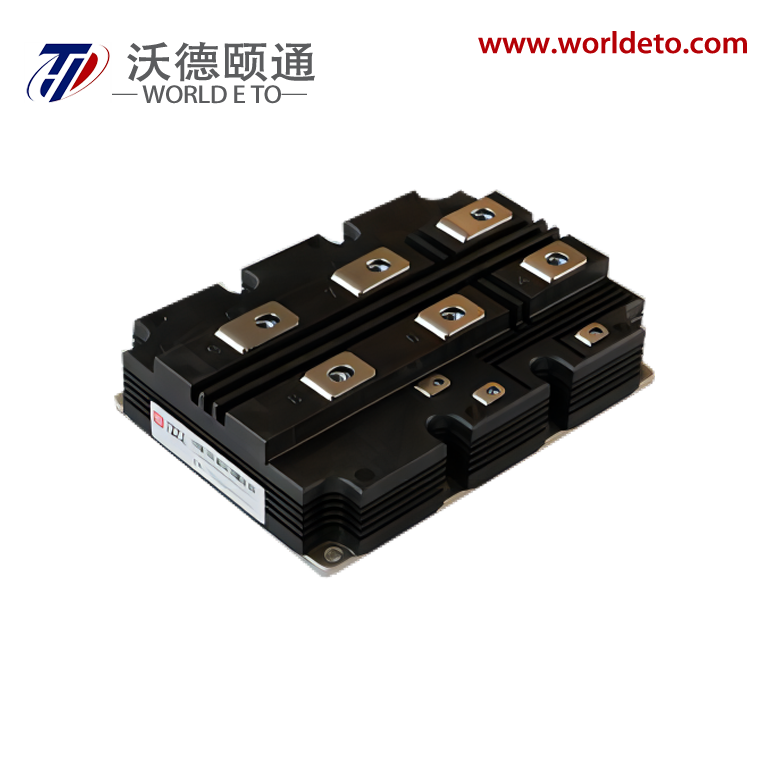
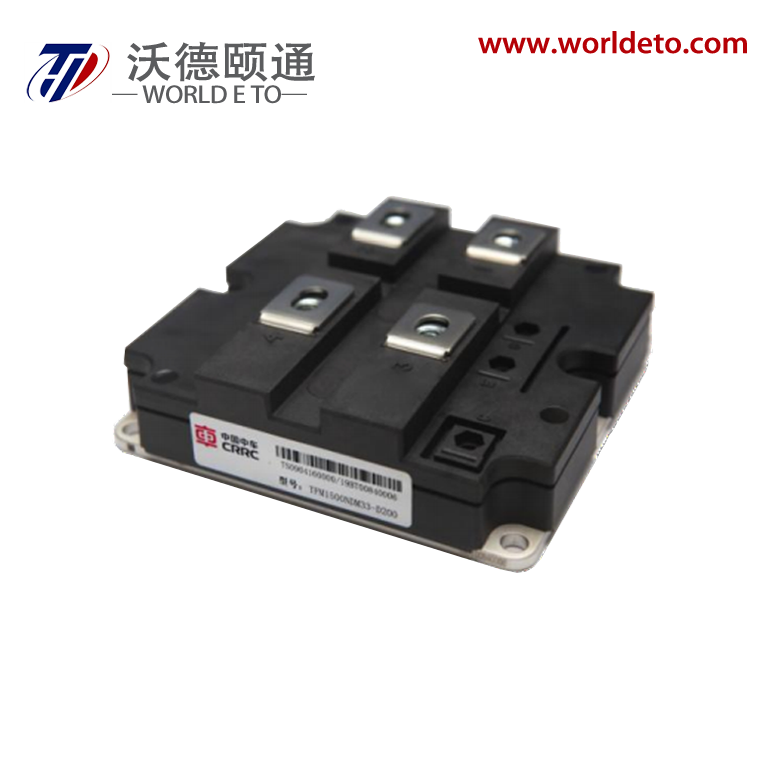
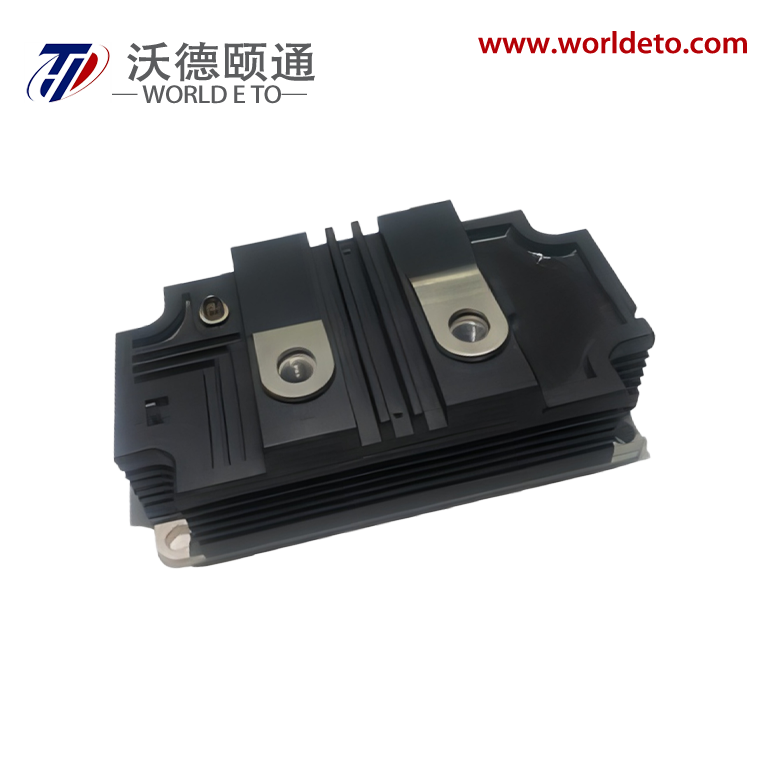
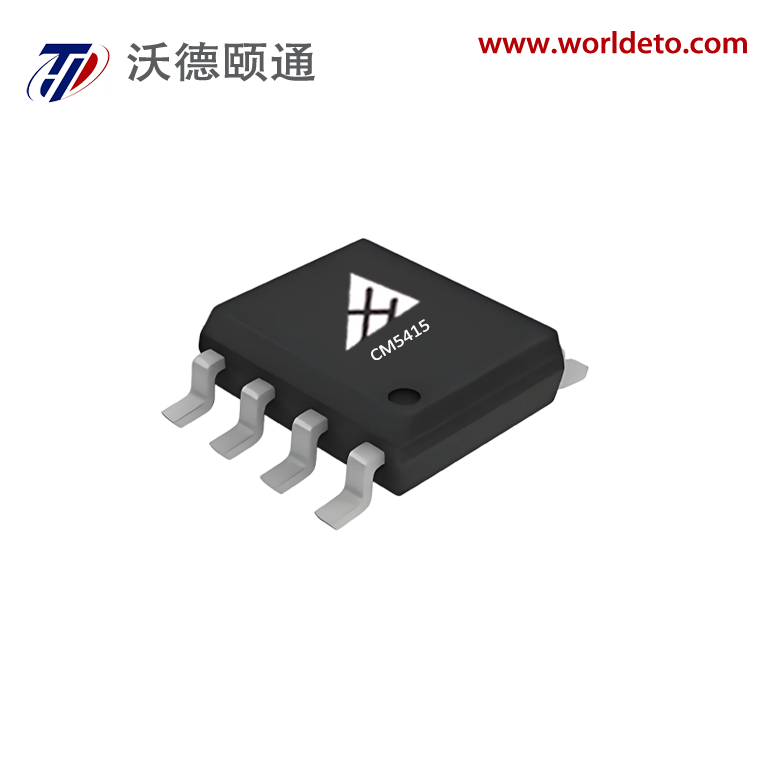
MOSFET-dioden ger överlägsen kontrollprecision och anmärkningsvärt låg effektförbrukning, vilket skiljer den från andra halvledarswitchkomponenter på marknaden. Den spänningsstyrda driftsarten för MOSFET-dioden kräver nästan ingen ingående ström, eftersom gateterminalen endast drar en mycket liten kapacitiv laddningsström under switchövergångar. Denna egenskap med hög ingående impedans innebär att styrkretsar kan drivas med minimal effektförbrukning, vilket gör MOSFET-dioden särskilt attraktiv för batteridrivna applikationer och energieffektiva konstruktioner. Den exakta spännningströskelstyrningen möjliggör noggrann switchbeteende, vilket gör att ingenjörer kan utforma kretsar med förutsägbara och återrepeterbara prestandaegenskaper. Gatutröskelspänningar kontrolleras noggrant under tillverkningen, vilket säkerställer konsekvent switchbeteende över hela enhetspopulationen och möjliggör pålitlig kretskonstruktion med minimal kompensation för komponentvariation. Den linjära relationen mellan gatespänning och kanalledningsförmåga i det aktiva området ger utmärkta analogstyrningsmöjligheter, vilket gör MOSFET-dioder lämpliga för variabelmotståndsapplikationer och kretsar för precisionsströmstyrning. Denna styrbarhet sträcker sig även till digitala switchapplikationer, där den skarpa övergången mellan på- och av-läge ger rena digitala signaler med minimalt brus och förvrängning. Den låga gateskapacitansen hos moderna MOSFET-dioder minskar den effekt som krävs för högfrekvensswitchning, eftersom den energi som behövs för att ladda och urladda gateskapacitansen minimeras. Denna effektivitetsfördel blir allt mer betydelsefull ju högre switchfrekvensen är, vilket gör MOSFET-dioder till det föredragna valet för högfrekvensswitchapplikationer såsom resonanskonverterare och klass-D-ljudförstärkare. Standby-effektförbrukningen hos MOSFET-dioder i av-läge är försumbar, ofta mätt i nanoampere, vilket är avgörande för applikationer som kräver lång batteritid eller minimal standby-effektförbrukning. Miljöfördelar uppstår också genom denna låga effektförbrukning, eftersom minskad energianvändning bidrar till lägre koldioxidavtryck i storskaliga applikationer. Kombinationen av exakt styrning och låg effektförbrukning gör MOSFET-dioder idealiska för smart grid-applikationer, laddsystem för eldrivna fordon och andra applikationer där effektivitet och styrbarhet är av yttersta vikt.

 EN
EN