High Voltage Transistor: Superior Power Control and Efficiency Solutions

All Categories
Get a Quote

Get a Free Quote

Our representative will contact you soon.
Email
Name
Company Name
Message
0/1000

high voltage transistor

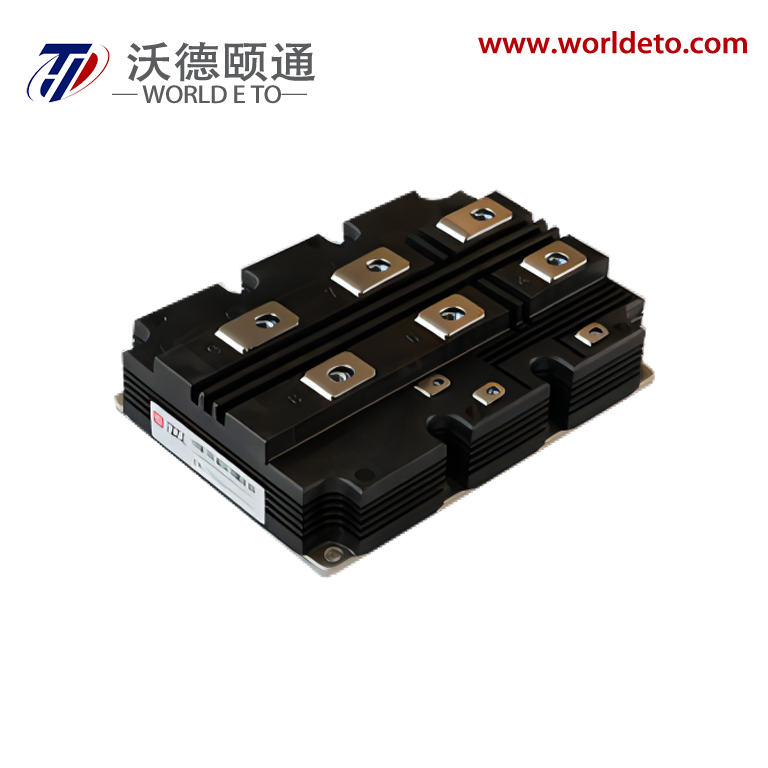
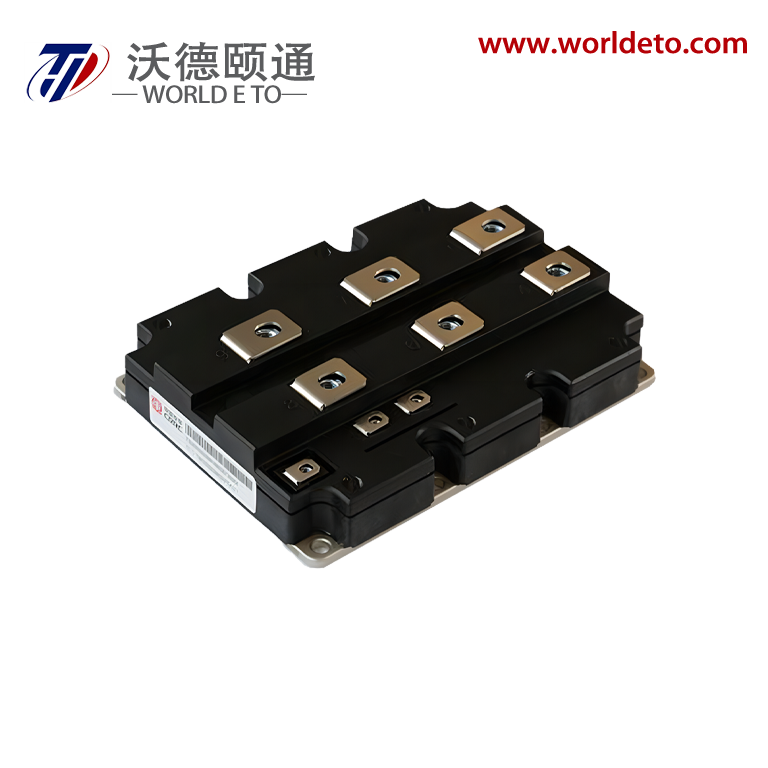
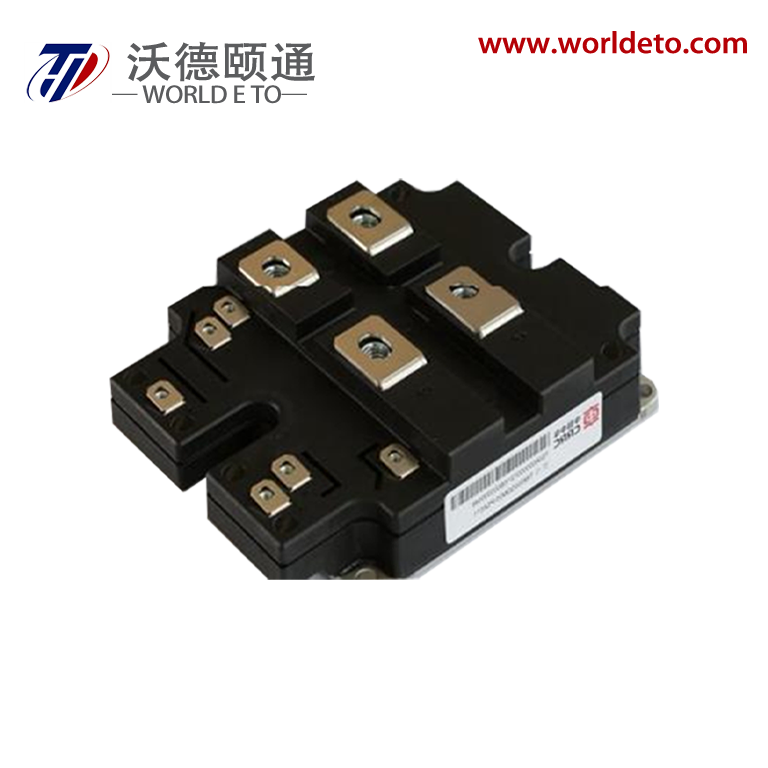
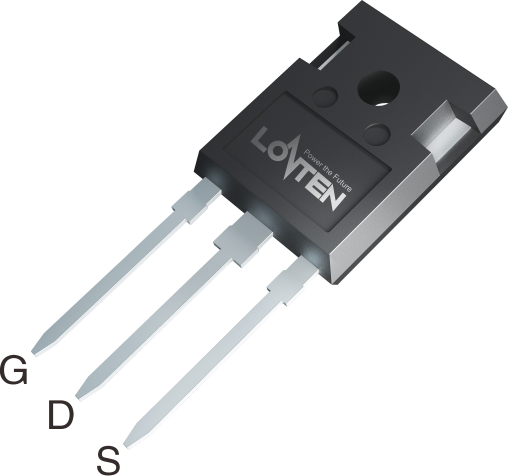
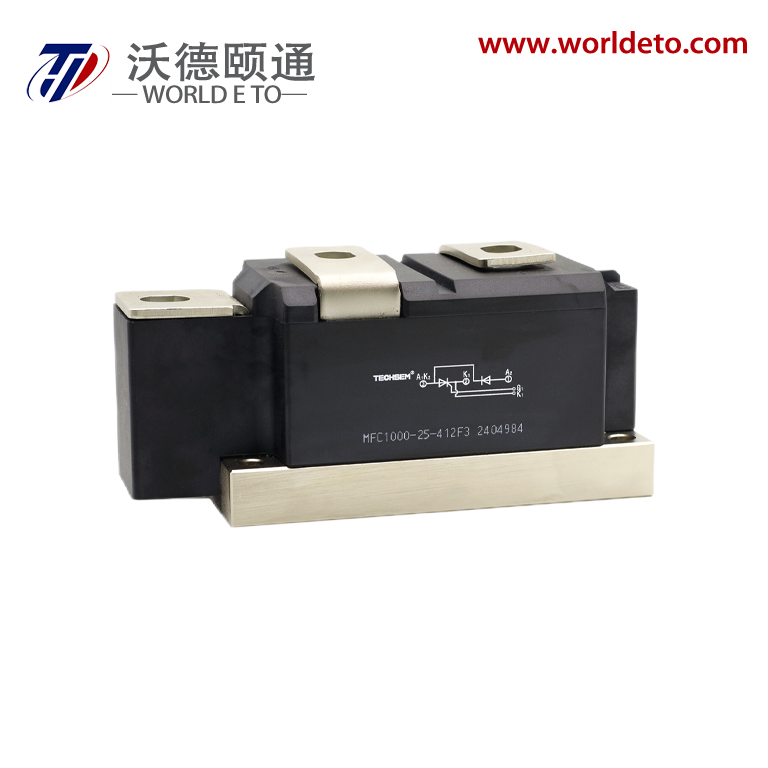
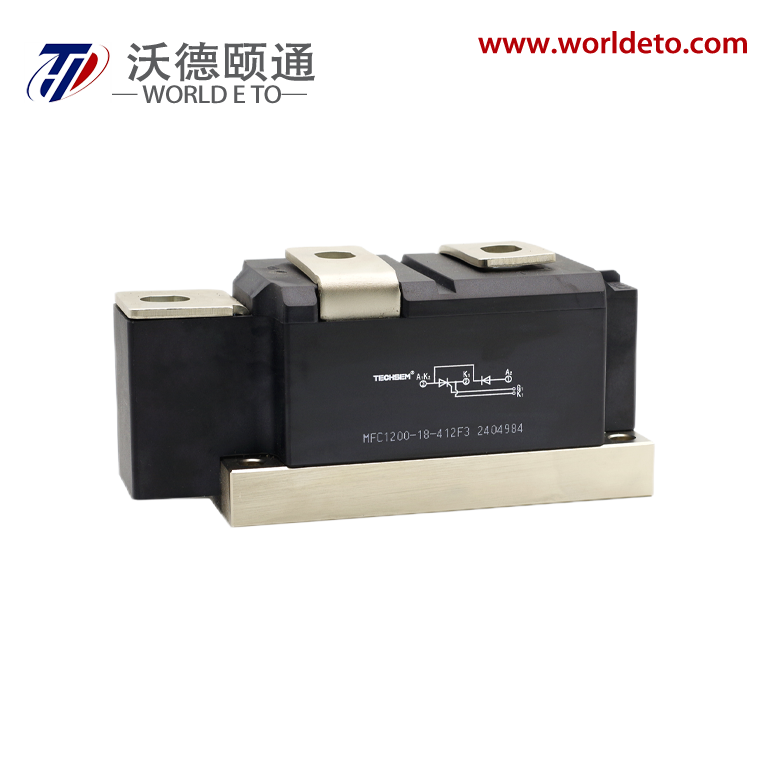
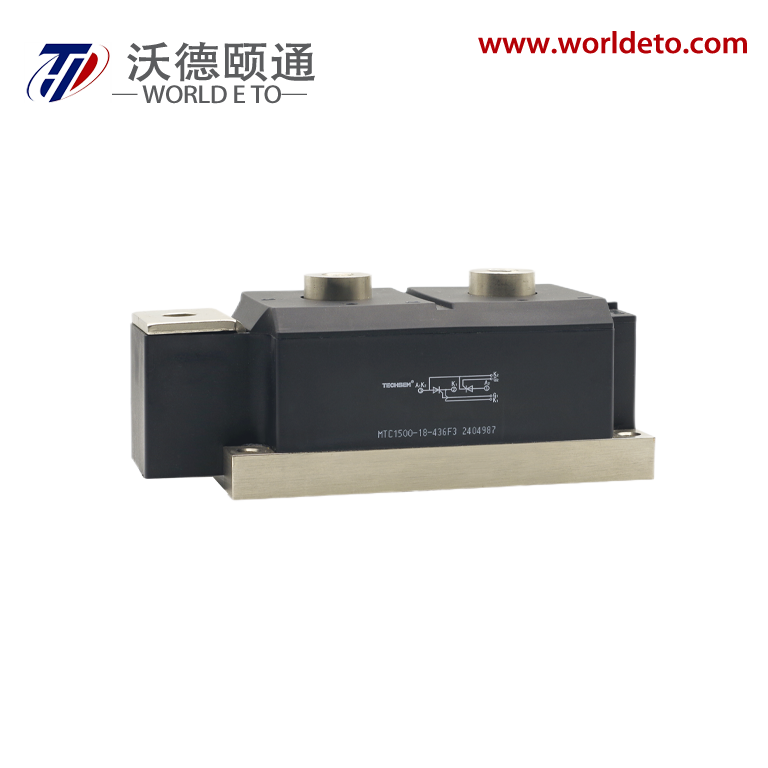
The high voltage transistor represents a crucial semiconductor device engineered to handle substantial electrical voltages while maintaining precise control and switching capabilities. These specialized components operate effectively at voltage levels significantly higher than standard transistors, typically ranging from hundreds to thousands of volts. The primary function of a high voltage transistor involves amplifying electrical signals and controlling current flow in demanding applications where conventional transistors would fail or become unreliable. The technological foundation of high voltage transistors relies on advanced semiconductor materials and innovative design structures that enable superior voltage blocking capabilities. These devices utilize wider bandgap materials such as silicon carbide or gallium nitride, which provide enhanced breakdown voltage characteristics compared to traditional silicon-based components. The internal architecture features carefully engineered junction designs, optimized gate structures, and specialized packaging that collectively enable safe operation under extreme electrical stress. Modern high voltage transistor technology incorporates sophisticated manufacturing processes that ensure consistent performance and reliability. The fabrication involves precise doping profiles, advanced lithography techniques, and stringent quality control measures to achieve the necessary electrical specifications. These transistors demonstrate exceptional switching speeds, low on-resistance characteristics, and robust thermal management capabilities. Applications for high voltage transistors span numerous industries and systems. Power supply circuits extensively utilize these components for efficient voltage conversion and regulation. Motor drive systems benefit from their ability to control high-power electric motors with precision and reliability. Automotive electronics increasingly depend on high voltage transistors for electric vehicle powertrains, hybrid systems, and advanced driver assistance features. Industrial automation equipment relies on these devices for controlling heavy machinery and processing equipment. Renewable energy systems, including solar inverters and wind power converters, extensively employ high voltage transistors to manage power conversion efficiently. Medical equipment utilizes these components in imaging systems, therapeutic devices, and diagnostic instruments where high voltage operation is essential for proper functionality.

New Product Releases

High voltage transistors deliver exceptional performance benefits that directly translate into improved system efficiency and reduced operational costs for customers. These advanced semiconductor devices demonstrate superior power handling capabilities compared to conventional transistor technology, enabling engineers to design more compact and efficient electronic systems. The enhanced voltage blocking ability allows customers to simplify circuit designs by eliminating multiple series-connected components, which traditionally served as voltage sharing networks. This simplification reduces component count, minimizes board space requirements, and decreases overall system complexity. Customers experience significant cost savings through improved energy efficiency ratings that high voltage transistors provide. These devices exhibit lower switching losses and reduced conduction losses, translating directly into decreased power consumption and lower electricity bills. The enhanced thermal performance means systems operate cooler, extending component lifespan and reducing cooling system requirements. This thermal advantage eliminates the need for expensive heat management solutions and reduces maintenance costs over the product lifetime. Reliability represents another substantial advantage that customers gain from high voltage transistor implementation. These devices undergo rigorous testing and qualification processes, ensuring consistent performance under harsh operating conditions. The robust construction and advanced materials provide exceptional resistance to electrical stress, temperature variations, and environmental factors. This reliability translates into reduced downtime, fewer warranty claims, and enhanced customer satisfaction for end-user applications. High voltage transistors enable customers to achieve faster switching speeds while maintaining excellent linearity characteristics. This performance combination allows for more responsive control systems, improved signal fidelity, and enhanced overall system performance. The fast switching capability reduces electromagnetic interference generation, simplifying compliance with regulatory standards and reducing the need for additional filtering components. Manufacturing scalability advantages benefit customers through consistent pricing and reliable supply chains. The mature manufacturing processes ensure stable component availability and predictable cost structures, enabling customers to plan long-term projects with confidence. Quality assurance protocols guarantee consistent electrical parameters across production batches, reducing design variation concerns and simplifying inventory management. Integration flexibility provides customers with versatile design options that accommodate various application requirements. These transistors interface seamlessly with existing control circuits and microprocessor systems, minimizing development time and reducing time-to-market pressures. The standardized packaging options and pin configurations simplify component selection and board layout processes, streamlining product development cycles.

Latest News

Achieving Peak Performance: How High-Speed ADCs and Precision Amplifiers Work Together

07

Jan

Achieving Peak Performance: How High-Speed ADCs and Precision Amplifiers Work Together

In today's rapidly evolving electronics landscape, the demand for precise and rapid signal processing continues to grow exponentially. From telecommunications infrastructure to advanced measurement systems, engineers are constantly seeking solutions ...
View More
Building Reliable Systems: The Role of Precision Voltage References and LDOs in Industrial Applications

07

Jan

Building Reliable Systems: The Role of Precision Voltage References and LDOs in Industrial Applications

Industrial automation and control systems demand unwavering accuracy and reliability to ensure optimal performance across diverse operating conditions. At the heart of these sophisticated systems lie critical components that provide stable power mana...
View More
High-Performance ADC Chips and Precision DACs: Analysis of High-Speed, Low-Power Domestic Alternatives

02

Feb

High-Performance ADC Chips and Precision DACs: Analysis of High-Speed, Low-Power Domestic Alternatives

The semiconductor industry has witnessed unprecedented growth in demand for high-performance analog-to-digital converter chips and precision digital-to-analog converters. As electronic systems become increasingly sophisticated, the need for reliable,...
View More
Super-junction MOSFET

25

Jan

Super-junction MOSFET

The super-junction MOSFET (Meta Oxide Semiconductor Field Effect Transistor) introduces a lateral electric field control on the basis of the traditional VDMOS, thereby making the vertical electric field distribution approach an ideal rectangle. This ...
View More

Get a Free Quote

Our representative will contact you soon.
Email
Name
Company Name
Message
0/1000

high voltage transistor

Superior Voltage Handling and Power Efficiency

Superior Voltage Handling and Power Efficiency

High voltage transistors excel in managing substantial electrical voltages while maintaining exceptional power efficiency, making them indispensable for modern electronic applications. These sophisticated devices can safely handle voltages ranging from several hundred volts to multiple kilovolts, far exceeding the capabilities of standard transistor technology. This voltage handling superiority stems from advanced semiconductor engineering that optimizes the depletion region width and enhances the breakdown voltage characteristics. The improved power efficiency derives from reduced switching losses and minimized conduction resistance, which together significantly decrease energy waste during operation. When customers implement high voltage transistors in their systems, they immediately notice reduced heat generation and improved overall system efficiency. This efficiency improvement translates directly into lower operating costs, reduced cooling requirements, and extended component lifespans. The enhanced voltage blocking capability eliminates the need for complex voltage divider networks or series-connected components, simplifying circuit designs and reducing component counts. Customers benefit from streamlined manufacturing processes, reduced assembly costs, and improved reliability through fewer interconnections and solder joints. The power efficiency advantages become particularly evident in high-frequency switching applications where traditional components struggle with excessive switching losses. High voltage transistors maintain their efficiency across wide operating frequency ranges, enabling customers to design more responsive control systems without sacrificing energy efficiency. This combination of high voltage handling and superior efficiency makes these devices essential for renewable energy systems, electric vehicle powertrains, and industrial motor drives where both high voltage operation and energy efficiency are critical requirements. The technological advancement represented by high voltage transistors enables customers to meet increasingly stringent energy efficiency regulations while improving their product performance and market competitiveness.
Enhanced Reliability and Thermal Performance

Enhanced Reliability and Thermal Performance

High voltage transistors demonstrate exceptional reliability and thermal performance characteristics that provide customers with long-term operational advantages and reduced maintenance requirements. These devices incorporate advanced materials and innovative design structures that enable consistent performance under extreme operating conditions, including high temperatures, voltage stress, and electrical transients. The enhanced reliability stems from sophisticated manufacturing processes that ensure uniform electrical characteristics and robust mechanical construction. Customers experience significantly reduced failure rates compared to conventional transistor solutions, resulting in lower warranty costs and improved customer satisfaction ratings. The thermal performance advantages of high voltage transistors enable operation at higher junction temperatures while maintaining stable electrical parameters. This thermal robustness allows customers to design more compact systems with reduced cooling requirements, lowering overall system costs and complexity. The improved heat dissipation characteristics result from optimized semiconductor structures and advanced packaging technologies that efficiently transfer heat away from critical junctions. Customers benefit from simplified thermal management solutions, reduced fan requirements, and quieter system operation. The reliability enhancements include superior resistance to electrical overstress events, such as voltage spikes and current surges commonly encountered in real-world applications. High voltage transistors incorporate built-in protection mechanisms and robust junction designs that provide excellent resilience against these potentially damaging events. This protection capability reduces the need for external protection circuits, simplifying designs and reducing component costs for customers. The extended operational lifespan characteristic of high voltage transistors translates into substantial long-term cost savings for customers. These devices maintain their electrical specifications over extended periods, even under continuous high-stress operation. The stable performance over time eliminates the need for frequent recalibration or component replacement, reducing maintenance costs and system downtime. Customers particularly value this reliability in critical applications where system failures result in significant operational disruptions or safety concerns.
Versatile Applications and Integration Flexibility

Versatile Applications and Integration Flexibility

High voltage transistors offer remarkable versatility and integration flexibility that enable customers to implement these devices across diverse applications while maintaining design simplicity and manufacturing efficiency. The broad application range spans from automotive electronics and renewable energy systems to medical equipment and industrial automation, demonstrating the adaptability of high voltage transistor technology. This versatility provides customers with standardized solutions that can address multiple product lines, reducing inventory complexity and engineering development costs. The integration flexibility stems from carefully designed electrical interfaces and standardized packaging options that facilitate seamless incorporation into existing circuit designs. Customers appreciate the plug-and-play compatibility that minimizes redesign requirements and accelerates product development timelines. The electrical compatibility extends to various control signal levels and logic families, enabling easy interfacing with microcontrollers, digital signal processors, and analog control circuits. This compatibility reduces the need for additional interface circuitry, simplifying board layouts and reducing component costs. High voltage transistors accommodate different mounting configurations and thermal management approaches, providing customers with design flexibility to optimize their specific application requirements. The available package options range from surface-mount configurations for space-constrained applications to through-hole designs for high-power implementations requiring enhanced thermal performance. This packaging diversity enables customers to select optimal solutions based on their specific thermal, mechanical, and electrical constraints. The scalable performance characteristics allow customers to use similar high voltage transistor families across different power levels and voltage requirements, standardizing component selection and simplifying procurement processes. This scalability reduces engineering complexity and enables efficient inventory management across multiple product lines. Customers benefit from consistent electrical behaviors and similar control requirements across different device ratings, facilitating design reuse and reducing validation testing requirements. The future-proof design approach ensures compatibility with emerging standards and evolving application requirements, protecting customer investments and enabling long-term product roadmaps. This forward compatibility reduces obsolescence risks and provides customers with confidence in their component selection decisions for multi-year product development cycles.

Get a Free Quote

Our representative will contact you soon.
Email
Name
Company Name
Message
0/1000