Industrial Rectifier Solutions - High-Efficiency AC to DC Power Conversion Systems

All Categories
Get a Quote

Get a Free Quote

Our representative will contact you soon.
Email
Name
Company Name
Message
0/1000

industrial rectifier

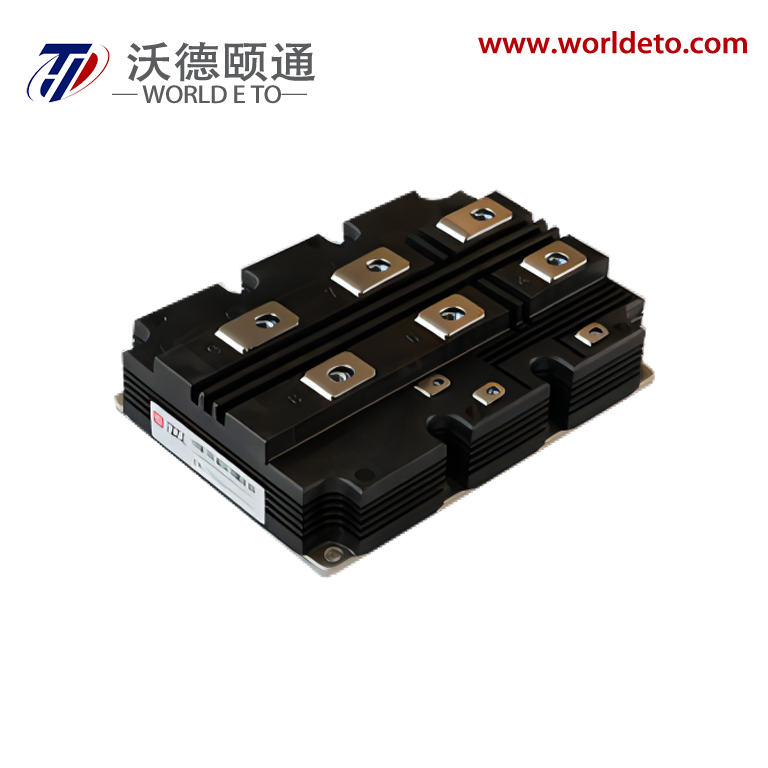
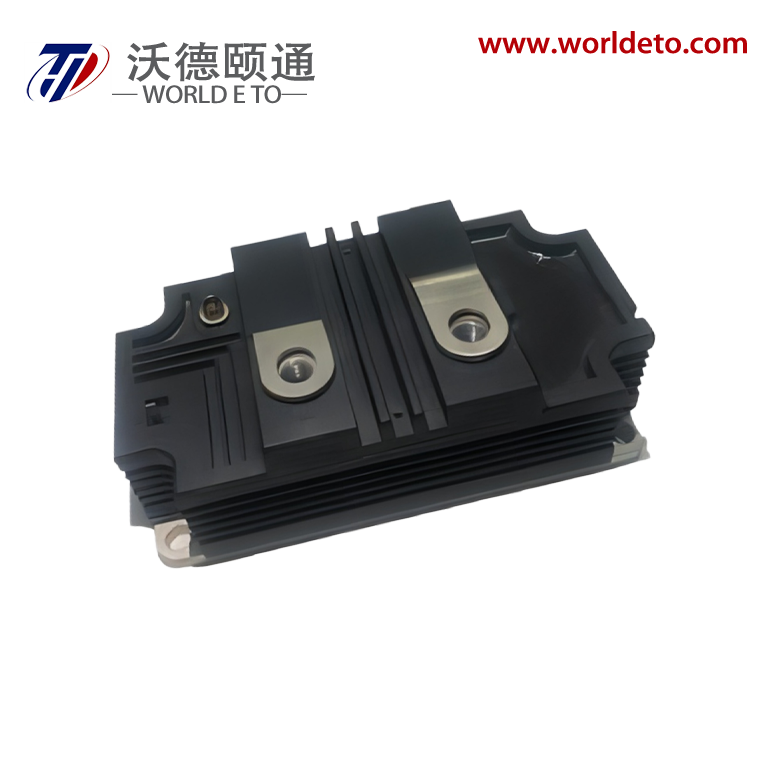
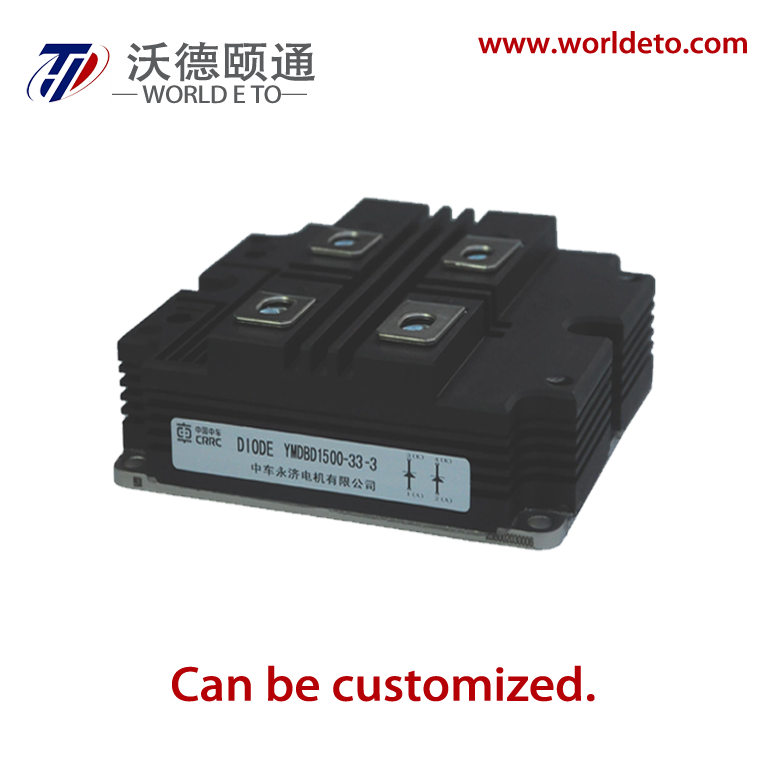
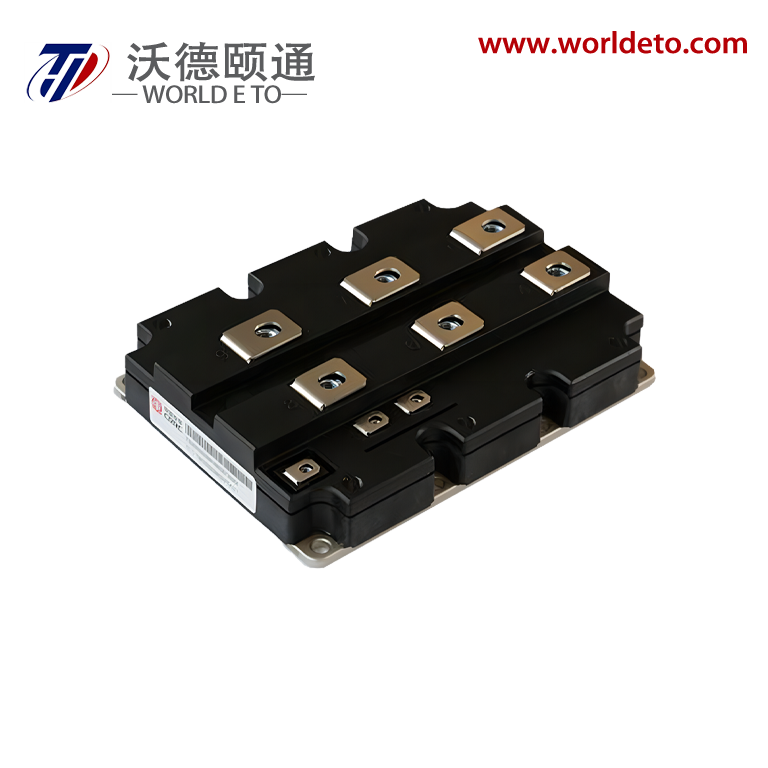
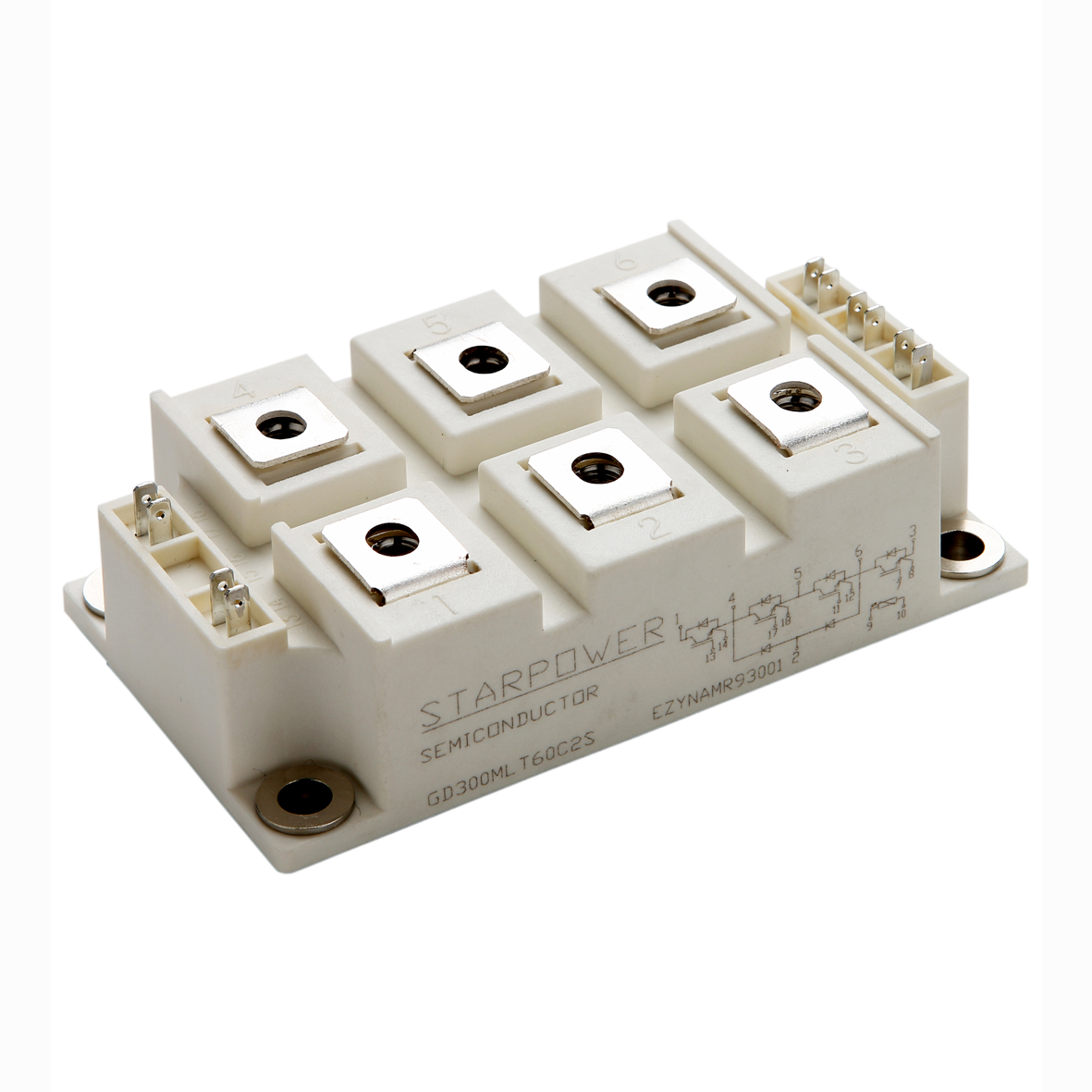
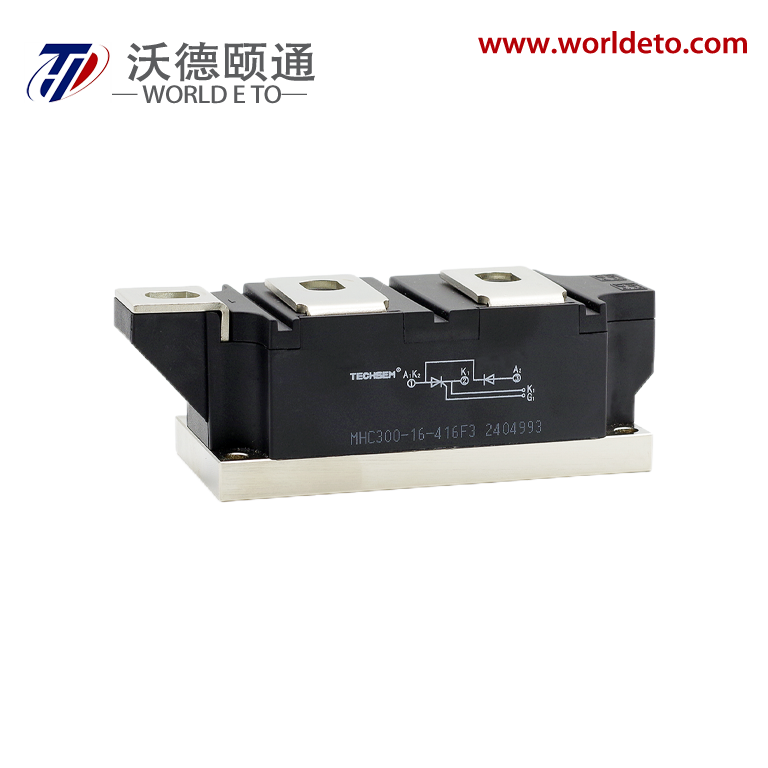
An industrial rectifier is a critical power conversion device designed to transform alternating current (AC) into direct current (DC) for heavy-duty industrial applications. This essential equipment serves as the backbone of numerous manufacturing processes, providing stable and reliable DC power to support various industrial operations. The industrial rectifier operates through sophisticated semiconductor technology, typically utilizing silicon diodes, thyristors, or advanced IGBT modules to achieve efficient power conversion. These devices are engineered to handle substantial power loads, often ranging from several kilowatts to multiple megawatts, making them indispensable for large-scale industrial facilities. The primary function of an industrial rectifier extends beyond simple AC to DC conversion, incorporating advanced control systems that regulate output voltage, current, and power factor correction. Modern industrial rectifiers feature microprocessor-based control units that enable precise monitoring and adjustment of electrical parameters, ensuring optimal performance across varying load conditions. The technological framework includes robust filtering systems that minimize harmonic distortion and electromagnetic interference, protecting sensitive equipment downstream. Heat management represents another crucial aspect, with industrial rectifiers incorporating sophisticated cooling systems including forced air circulation, liquid cooling, or hybrid cooling solutions to maintain operational temperatures within safe limits. These power conversion systems find extensive applications across diverse industrial sectors including electroplating, aluminum smelting, steel production, chemical processing, telecommunications, data centers, and renewable energy systems. In electrochemical industries, industrial rectifiers provide the precise DC power required for metal refining and electroplating processes. The mining sector relies on these devices for ore processing and metal extraction operations. Additionally, industrial rectifiers play a vital role in supporting uninterruptible power supply systems, ensuring continuous operation of critical infrastructure during power outages or voltage fluctuations.

New Product Recommendations

Industrial rectifiers deliver exceptional operational benefits that directly impact manufacturing efficiency and cost reduction for businesses across multiple sectors. These power conversion systems provide superior voltage regulation capabilities, maintaining consistent DC output even when input AC voltage experiences fluctuations or disturbances. This stability prevents equipment damage and reduces downtime, translating to significant cost savings for industrial operations. The high efficiency ratings of modern industrial rectifiers, typically exceeding 95 percent, minimize energy consumption and reduce electricity bills substantially. Companies implementing these advanced rectification systems often report energy cost reductions of 15 to 25 percent compared to older conversion technologies. The robust construction and industrial-grade components ensure extended operational lifespans, with many industrial rectifiers providing reliable service for over 20 years with proper maintenance. This longevity reduces capital expenditure frequency and provides excellent return on investment. Advanced monitoring and diagnostic capabilities enable predictive maintenance strategies, allowing operators to identify potential issues before they cause system failures. Real-time parameter monitoring includes output voltage, current levels, temperature readings, and harmonic analysis, empowering maintenance teams to optimize performance continuously. The modular design philosophy adopted by leading industrial rectifier manufacturers facilitates easy expansion and modification as production requirements evolve. Companies can add additional rectifier modules to increase power capacity without replacing entire systems, providing scalability that adapts to business growth. Environmental benefits include reduced carbon footprint through improved energy efficiency and compliance with increasingly stringent emission regulations. Industrial rectifiers incorporate power factor correction technology that reduces reactive power consumption, improving overall power grid efficiency. The compact footprint of modern units maximizes valuable floor space utilization in manufacturing facilities. Noise reduction features ensure compliance with workplace safety standards while maintaining comfortable working environments. Remote monitoring capabilities enable centralized control of multiple rectifier installations across different facility locations, reducing operational overhead and enabling faster response to system alerts. The integration compatibility with existing industrial automation systems streamlines implementation and reduces installation complexity.

Practical Tips

How to Choose a Precision DAC: A Guide to Critical Specs and Top Domestic Models

24

Nov

How to Choose a Precision DAC: A Guide to Critical Specs and Top Domestic Models

In today's rapidly evolving electronics landscape, selecting the right precision DAC has become increasingly critical for engineers developing high-performance systems. A precision DAC serves as the crucial bridge between digital control systems and ...
View More
Achieving Peak Performance: How High-Speed ADCs and Precision Amplifiers Work Together

07

Jan

Achieving Peak Performance: How High-Speed ADCs and Precision Amplifiers Work Together

In today's rapidly evolving electronics landscape, the demand for precise and rapid signal processing continues to grow exponentially. From telecommunications infrastructure to advanced measurement systems, engineers are constantly seeking solutions ...
View More
High-Accuracy ADC & DAC Chips: The Core of Precision Measurement Systems

07

Jan

High-Accuracy ADC & DAC Chips: The Core of Precision Measurement Systems

In today's advanced measurement and control systems, the bridge between analog real-world signals and digital processing relies heavily on specialized semiconductor components. These critical interface chips, specifically High-Accuracy ADC & DAC Chip...
View More
The Best Domestic Alternatives for High-Performance ADC and DAC Chips in 2026

03

Feb

The Best Domestic Alternatives for High-Performance ADC and DAC Chips in 2026

The semiconductor industry is experiencing unprecedented demand for high-performance analog-to-digital converter and digital-to-analog converter solutions, driving engineers and procurement teams to seek reliable domestic alternatives for ADC and DAC...
View More

Get a Free Quote

Our representative will contact you soon.
Email
Name
Company Name
Message
0/1000

industrial rectifier

Advanced Microprocessor Control Technology

Advanced Microprocessor Control Technology

The integration of sophisticated microprocessor control systems represents a revolutionary advancement in industrial rectifier technology, fundamentally transforming how power conversion equipment operates and interfaces with modern manufacturing environments. This intelligent control architecture employs high-speed digital signal processors that continuously monitor and adjust rectification parameters in real-time, ensuring optimal performance across the entire operational spectrum. The microprocessor control system manages complex algorithms that optimize switching patterns, minimize harmonic distortion, and maximize energy efficiency while maintaining precise output regulation. These advanced controllers feature comprehensive diagnostic capabilities that perform continuous health monitoring of critical components including semiconductors, transformers, cooling systems, and protection circuits. The diagnostic algorithms can predict component degradation patterns and provide early warning notifications before failures occur, enabling proactive maintenance scheduling that prevents costly unplanned downtime. User interface integration includes intuitive touchscreen displays that present operational data in easily interpretable formats, allowing operators to monitor system performance, adjust parameters, and access historical trend data effortlessly. The control system supports multiple communication protocols including Modbus, Profibus, Ethernet, and proprietary industrial networks, enabling seamless integration with plant-wide automation systems and SCADA networks. Remote monitoring capabilities allow facility managers to oversee rectifier operations from centralized control rooms or even off-site locations through secure internet connections. The programmable nature of these control systems permits customization of operating characteristics to match specific application requirements, including specialized current profiles for electroplating processes or voltage regulation patterns for sensitive electronic manufacturing. Safety features embedded within the microprocessor control include comprehensive fault detection and protective shutdown sequences that safeguard both the rectifier equipment and connected loads from damage during abnormal operating conditions.
High-Efficiency Power Conversion Technology

High-Efficiency Power Conversion Technology

Modern industrial rectifiers incorporate cutting-edge power conversion technologies that achieve remarkable efficiency levels exceeding 96 percent, representing a significant advancement over traditional rectification methods and delivering substantial operational benefits to industrial users. This exceptional efficiency stems from the implementation of advanced semiconductor technologies including silicon carbide and gallium nitride devices that exhibit superior switching characteristics and reduced power losses compared to conventional silicon-based components. The high-frequency switching capabilities of these advanced semiconductors enable the use of smaller magnetic components and more compact filter systems while maintaining excellent power quality and minimal harmonic distortion. Efficiency optimization extends throughout the entire power conversion chain, from input transformers designed with premium electrical steel and optimized winding configurations to output filtering systems that employ advanced capacitor technologies and intelligent reactive power compensation. The thermal management systems integrate sophisticated cooling technologies including variable-speed fans, liquid cooling loops, and heat pipe assemblies that maintain optimal operating temperatures while minimizing auxiliary power consumption. These efficiency improvements translate directly to reduced operating costs, with typical industrial facilities experiencing energy cost savings of 20 to 30 percent when upgrading from older rectifier technologies. The environmental impact reduction is equally significant, with improved efficiency contributing to lower carbon emissions and supporting corporate sustainability initiatives. Power factor correction capabilities integrated within the industrial rectifier system improve overall electrical system efficiency by reducing reactive power consumption and minimizing demand charges from utility providers. The reduced heat generation associated with high-efficiency operation extends component lifespans and reduces cooling system requirements, further contributing to operational cost reductions. Efficiency monitoring features provide real-time feedback on power conversion performance, enabling operators to optimize loading patterns and identify opportunities for additional energy savings through operational adjustments.
Robust Industrial-Grade Construction and Reliability

Robust Industrial-Grade Construction and Reliability

Industrial rectifiers are engineered with exceptional build quality and rugged construction that ensures reliable operation in the harshest industrial environments, incorporating design principles and materials specifically selected to withstand extreme conditions while maintaining consistent performance over extended operational periods. The mechanical construction employs heavy-duty steel enclosures with advanced corrosion-resistant coatings that protect internal components from moisture, dust, chemical vapors, and other environmental contaminants commonly encountered in industrial facilities. Ingress protection ratings of IP54 or higher ensure that critical electronic components remain protected from particulate matter and water intrusion, enabling installation in demanding environments including outdoor locations and facilities with aggressive atmospheric conditions. The electrical isolation systems incorporate multiple levels of protection including reinforced insulation, surge protection devices, and comprehensive grounding schemes that safeguard against electrical faults and lightning-induced transients. Component selection prioritizes industrial-grade parts with extended temperature ratings, enhanced vibration resistance, and proven track records in demanding applications, ensuring that the industrial rectifier maintains reliable operation throughout its design life. Quality assurance protocols include extensive factory testing procedures that subject each unit to comprehensive performance verification, environmental stress screening, and accelerated aging tests that validate long-term reliability predictions. The modular architecture facilitates field serviceability, with key components accessible for maintenance and replacement without requiring complete system shutdown or extensive disassembly procedures. Redundancy features in critical systems include backup cooling fans, dual power supplies for control circuits, and optional parallel module configurations that maintain operation even during component failures. The robust design philosophy extends to protection systems that include comprehensive monitoring of operating parameters with automatic shutdown sequences that prevent damage during fault conditions. Documentation packages include detailed maintenance schedules, troubleshooting guides, and spare parts recommendations that enable facility maintenance teams to maximize equipment uptime and optimize operational reliability throughout the service life of the industrial rectifier system.

Get a Free Quote

Our representative will contact you soon.
Email
Name
Company Name
Message
0/1000