Low Noise ADC: High-Precision Analog-to-Digital Converters for Superior Signal Processing

All Categories
Get a Quote

Get a Free Quote

Our representative will contact you soon.
Email
Name
Company Name
Message
0/1000

low noise adc

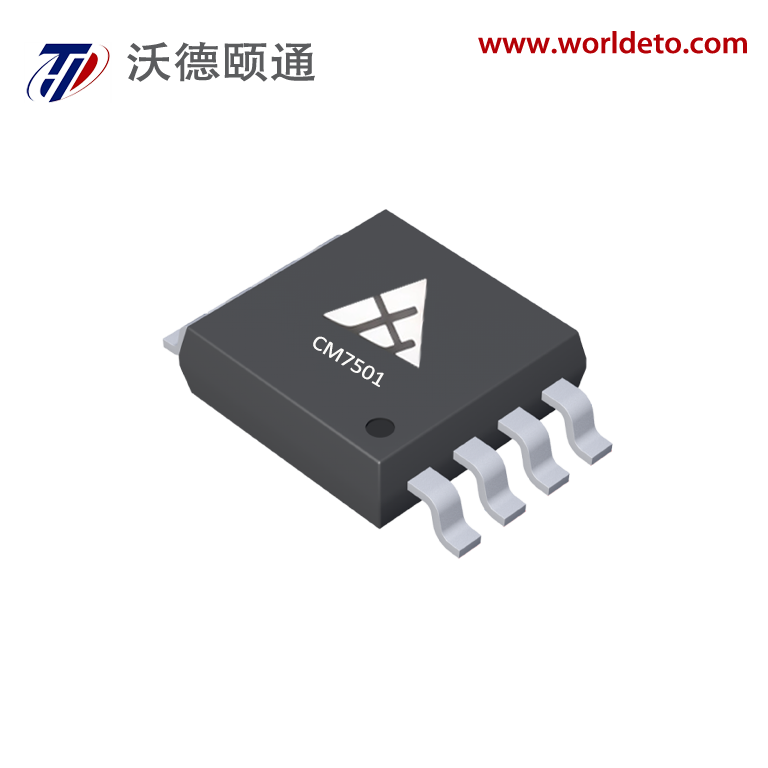
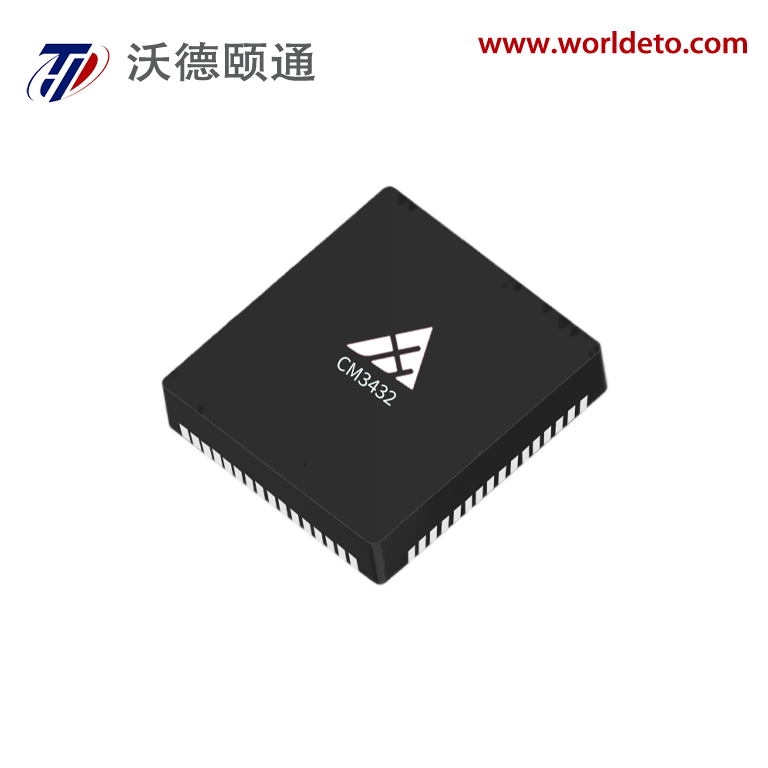
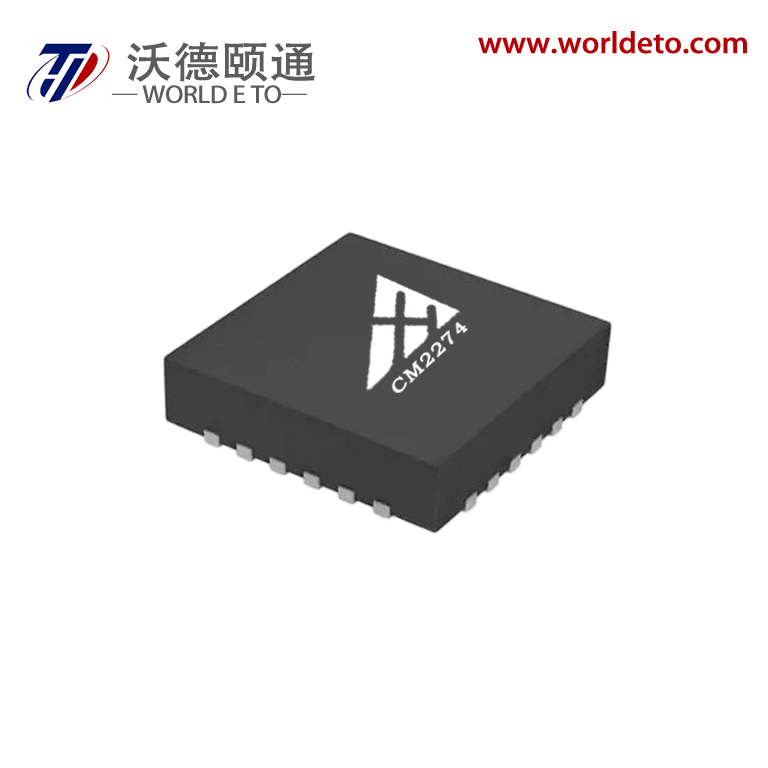
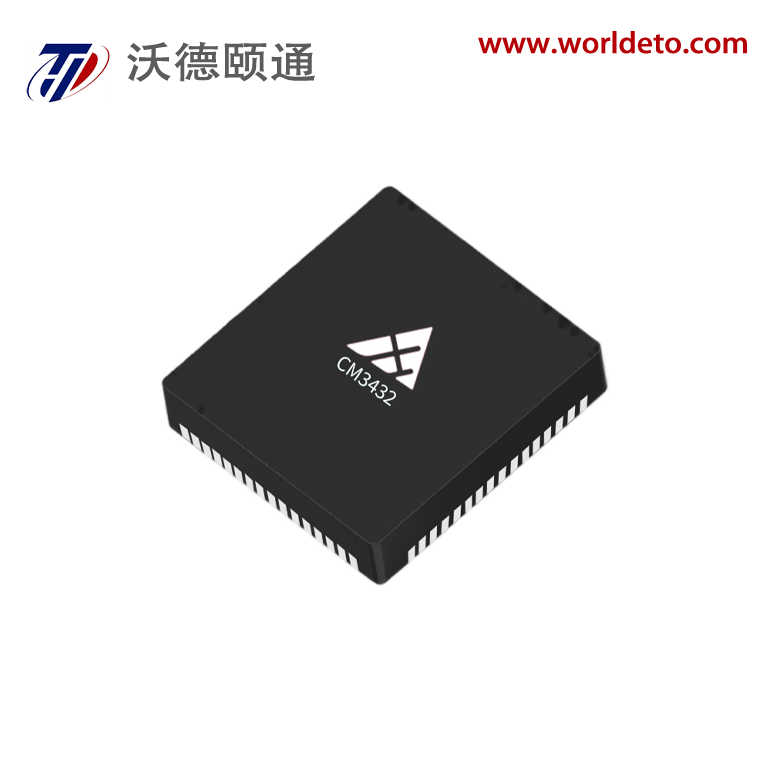
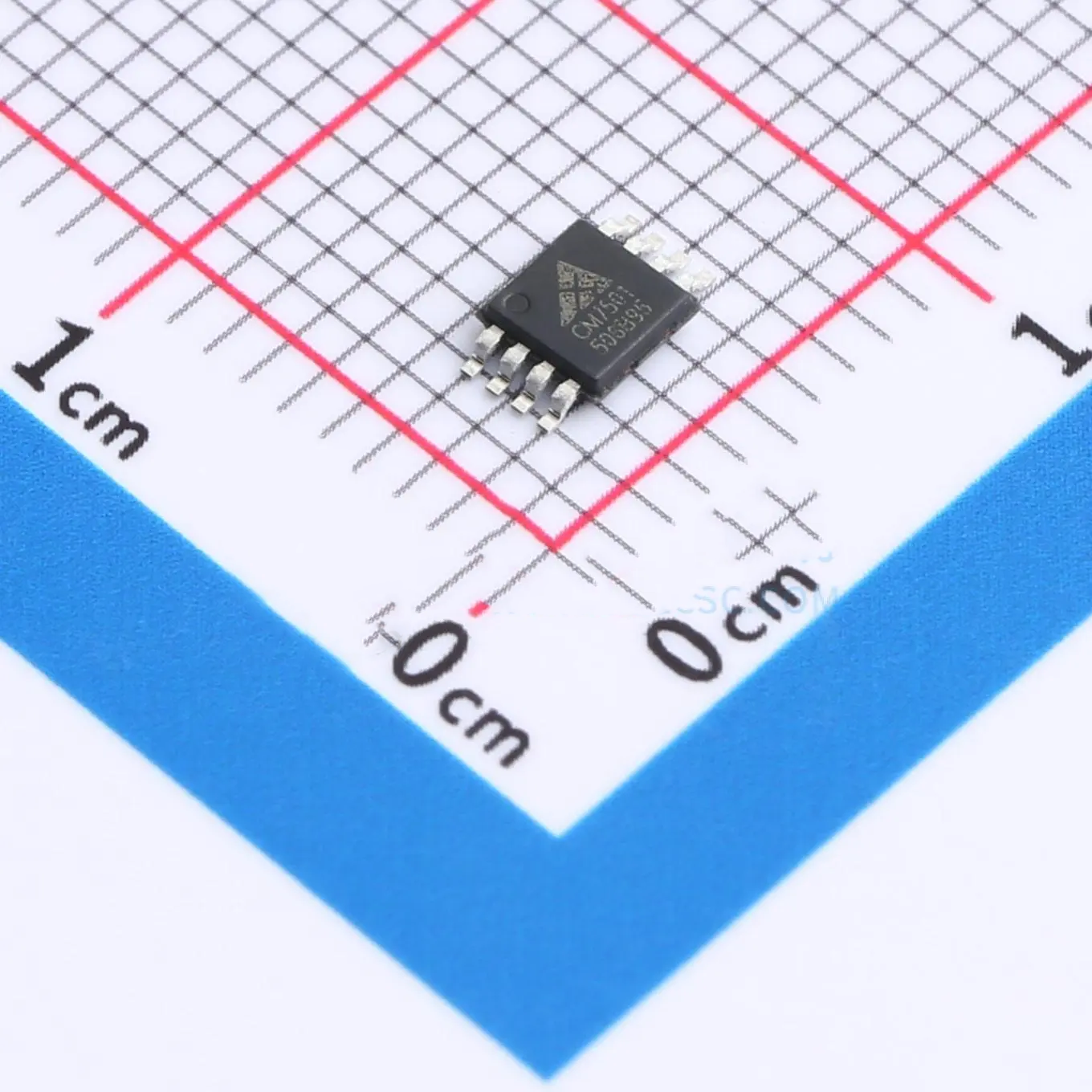
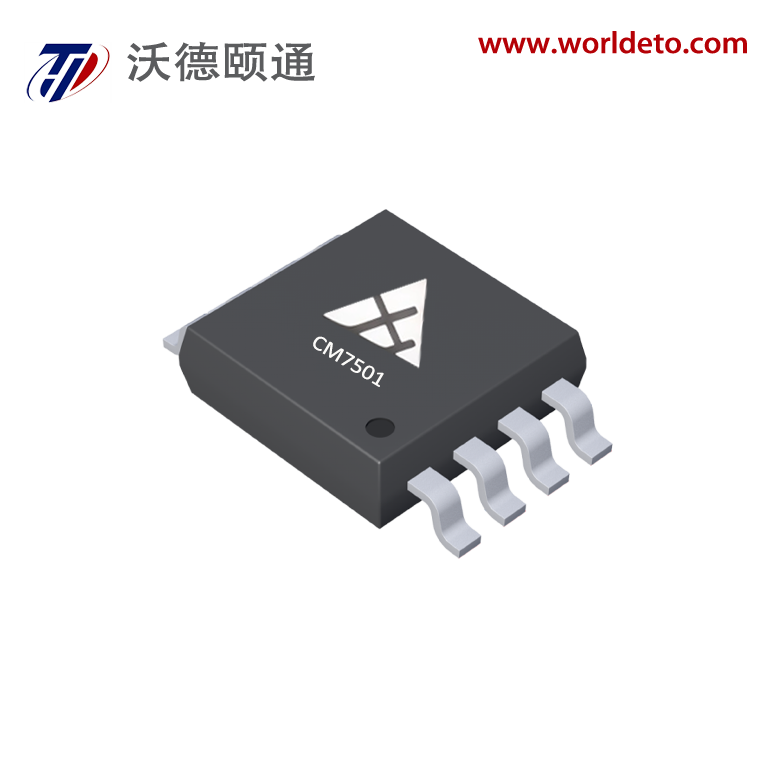
A low noise adc (Analog-to-Digital Converter) represents a sophisticated electronic component designed to convert analog signals into digital data while maintaining exceptional signal integrity and minimal interference. This advanced technology serves as a critical bridge between the analog and digital worlds, enabling precise measurement and processing of real-world signals across numerous industries. The primary function of a low noise adc centers on capturing analog voltage or current signals and transforming them into accurate digital representations with minimal distortion or unwanted electrical interference. Modern low noise adc devices incorporate advanced circuit topologies, including delta-sigma modulation, successive approximation registers, and pipeline architectures, each optimized for specific performance requirements. These converters typically feature high resolution capabilities, often ranging from 16-bit to 32-bit precision, allowing them to detect minute signal variations that standard converters might miss. The technological foundation of low noise adc systems relies on sophisticated analog front-end circuits, precision voltage references, and advanced digital signal processing algorithms that work together to suppress thermal noise, quantization errors, and electromagnetic interference. Key technological features include ultra-low input bias currents, high common-mode rejection ratios, and excellent power supply rejection characteristics that ensure stable performance across varying operating conditions. Applications for low noise adc technology span diverse sectors including medical instrumentation, where precise biometric measurements are essential, scientific research equipment requiring accurate data acquisition, industrial automation systems monitoring critical processes, and telecommunications infrastructure managing sensitive signal processing tasks. Audio equipment manufacturers utilize low noise adc components to capture high-fidelity sound recordings, while aerospace and defense applications depend on these converters for radar systems, navigation equipment, and communication devices where signal clarity directly impacts mission success and safety protocols.

New Product Recommendations

The low noise adc delivers substantial benefits that directly impact system performance and operational efficiency across multiple applications. First, these converters provide exceptional signal fidelity by dramatically reducing unwanted noise components that can corrupt measurement accuracy. Users experience significantly improved data quality, enabling more precise analysis and decision-making processes in their specific applications. The enhanced signal-to-noise ratio offered by low noise adc technology means that weak signals previously buried in background interference become clearly detectable and measurable. This capability proves invaluable for medical professionals monitoring patient vital signs, researchers conducting sensitive experiments, or engineers analyzing complex industrial processes. Additionally, low noise adc systems offer superior dynamic range performance, allowing simultaneous processing of both large and small signal amplitudes without saturation or information loss. This versatility eliminates the need for multiple converter stages or complex signal conditioning circuits, reducing overall system complexity and cost. The excellent linearity characteristics of low noise adc devices ensure that output digital codes accurately represent input analog values across the entire measurement range, preventing systematic errors that could compromise data integrity. Power efficiency represents another significant advantage, as modern low noise adc designs consume minimal current while maintaining peak performance levels. This efficiency proves particularly valuable in battery-powered applications or remote monitoring systems where power conservation directly extends operational lifetime. The robust design of low noise adc components provides reliable operation in challenging environmental conditions, including temperature variations, electromagnetic interference, and mechanical vibrations that might affect lesser converters. Integration capabilities allow easy incorporation into existing systems through standard digital interfaces, reducing development time and engineering costs. Furthermore, low noise adc technology offers excellent temperature stability, maintaining consistent performance specifications across wide operating ranges without requiring complex compensation circuits. Users benefit from simplified calibration procedures and reduced maintenance requirements, as these converters maintain their accuracy over extended periods without frequent adjustments or replacements.

Latest News

How to Choose a Precision DAC: A Guide to Critical Specs and Top Domestic Models

24

Nov

How to Choose a Precision DAC: A Guide to Critical Specs and Top Domestic Models

In today's rapidly evolving electronics landscape, selecting the right precision DAC has become increasingly critical for engineers developing high-performance systems. A precision DAC serves as the crucial bridge between digital control systems and ...
View More
Is Your ADC/DAC Underperforming? The Culprit Could Be Your Voltage Reference

24

Nov

Is Your ADC/DAC Underperforming? The Culprit Could Be Your Voltage Reference

In the realm of precision analog-to-digital and digital-to-analog conversion, engineers often focus on the specifications of the ADC or DAC itself while overlooking a critical component that can make or break system performance. The voltage reference...
View More
From ADC to LDO: Complete High-Precision, Low-Power Domestic Chip Replacement Solutions

02

Feb

From ADC to LDO: Complete High-Precision, Low-Power Domestic Chip Replacement Solutions

The semiconductor industry faces unprecedented challenges as global supply chain disruptions and geopolitical tensions drive demand for reliable domestic chip replacement solutions. Companies across industries are increasingly seeking alternatives to...
View More
High-Performance Instrumentation Amplifiers: Minimizing Noise in Low-Level Signal Gain

03

Feb

High-Performance Instrumentation Amplifiers: Minimizing Noise in Low-Level Signal Gain

Modern industrial applications demand exceptional precision when handling low-level signals, making instrumentation amplifiers a cornerstone technology in measurement and control systems. These specialized amplifiers provide high gain while maintaini...
View More

Get a Free Quote

Our representative will contact you soon.
Email
Name
Company Name
Message
0/1000

low noise adc

Ultra-High Precision Signal Conversion

Ultra-High Precision Signal Conversion

The exceptional precision capabilities of low noise adc technology represent a fundamental advancement in signal processing accuracy that transforms how sensitive measurements are performed across critical applications. This ultra-high precision stems from sophisticated converter architectures that minimize all sources of error, including quantization noise, thermal fluctuations, and electromagnetic interference. The low noise adc achieves resolution levels typically ranging from 20 to 24 bits, enabling detection of signal changes as small as one part in millions, a capability that proves essential for applications requiring extraordinary measurement sensitivity. In medical diagnostics, this precision allows healthcare professionals to detect subtle physiological changes that might indicate early disease states or treatment effectiveness. Research laboratories benefit enormously from this capability when conducting experiments requiring precise measurement of physical phenomena, chemical concentrations, or environmental parameters where small variations carry significant scientific meaning. The ultra-high precision of low noise adc systems extends beyond simple resolution to encompass exceptional differential and integral nonlinearity performance, ensuring that digital output codes accurately represent analog input values across the entire measurement range. This linearity proves crucial for applications where measurement accuracy directly impacts safety, quality control, or regulatory compliance. Manufacturing processes utilizing low noise adc technology achieve tighter control tolerances, resulting in improved product quality and reduced waste. The precision characteristics remain stable over time and environmental conditions, eliminating drift-related errors that plague conventional converter technologies. Advanced calibration algorithms integrated within low noise adc systems automatically compensate for component variations and aging effects, maintaining measurement accuracy throughout the device lifetime without requiring external intervention. This self-calibrating capability reduces maintenance costs and ensures consistent performance in critical applications where recalibration opportunities are limited or expensive. The combination of high resolution, excellent linearity, and long-term stability makes low noise adc technology indispensable for applications where measurement precision directly determines system effectiveness and reliability.
Superior Electromagnetic Interference Immunity

Superior Electromagnetic Interference Immunity

The remarkable electromagnetic interference immunity provided by low noise adc technology addresses one of the most challenging aspects of modern electronic system design, where increasing device density and wireless communication create complex interference environments. This immunity stems from advanced shielding techniques, differential input architectures, and sophisticated filtering mechanisms that work together to reject unwanted electromagnetic signals while preserving desired analog information. The low noise adc incorporates multiple layers of protection against interference sources, including power supply noise, digital switching transients, and external radio frequency emissions that commonly plague sensitive measurement systems. Differential input configurations inherent in low noise adc designs provide excellent common-mode rejection, effectively canceling interference signals that appear equally on both input terminals while preserving the desired differential signal. This capability proves particularly valuable in industrial environments where heavy machinery, motor drives, and switching power supplies generate significant electromagnetic disturbances that can corrupt measurement accuracy in conventional systems. The advanced input filtering incorporated within low noise adc architectures selectively attenuates interference frequencies while maintaining signal bandwidth requirements, ensuring that legitimate signals pass through unaffected while rejecting unwanted noise components. Digital filtering algorithms further enhance interference immunity by processing converted data to identify and remove residual noise artifacts that might escape analog filtering stages. Ground plane optimization and careful component layout within low noise adc integrated circuits minimize coupling paths for electromagnetic interference, preventing unwanted signals from reaching sensitive analog processing circuits. Power supply rejection capabilities exceed conventional converter specifications, ensuring stable operation even when supply voltages contain significant noise or ripple components. This immunity allows low noise adc systems to operate reliably in challenging electromagnetic environments, including manufacturing facilities, telecommunications infrastructure, and automotive applications where interference levels would render conventional converters unusable. The superior interference immunity translates directly into improved system reliability, reduced maintenance requirements, and enhanced measurement confidence for users operating in electrically noisy environments.
Extended Dynamic Range Performance

Extended Dynamic Range Performance

The extended dynamic range performance of low noise adc technology revolutionizes signal processing capabilities by enabling simultaneous capture and conversion of both large and small amplitude signals within a single measurement system. This extended range capability eliminates traditional limitations that forced engineers to choose between sensitivity for small signals or headroom for large signals, providing unprecedented flexibility in system design and operation. The low noise adc achieves this performance through advanced converter architectures that maintain low noise floors while providing high full-scale input ranges, typically exceeding 120 dB of usable dynamic range in premium implementations. This capability proves transformative for audio applications where music recordings contain both delicate ambient sounds and powerful crescendos that must be captured with equal fidelity. Scientific instrumentation benefits enormously from extended dynamic range when monitoring phenomena that exhibit wide amplitude variations, such as seismic measurements, particle detection, or astronomical observations where signal strengths vary dramatically. Industrial process control applications utilize this capability to monitor systems with varying load conditions, measuring both steady-state parameters and transient events using single converter implementations. The extended dynamic range of low noise adc systems results from careful optimization of analog front-end circuits, precision voltage references, and advanced digital signal processing that work together to minimize noise contributions while maximizing signal handling capabilities. Automatic gain control mechanisms integrated within some low noise adc implementations further enhance dynamic range by adapting converter sensitivity to signal conditions, ensuring optimal performance across varying input amplitudes. This adaptability eliminates the need for external gain switching circuits that introduce switching artifacts and complicate system timing. Oversampling techniques employed in low noise adc designs effectively increase dynamic range by spreading quantization noise across wider frequency bands, then filtering unwanted components to improve signal quality. The practical benefits of extended dynamic range include simplified system architectures, reduced component counts, improved reliability, and enhanced measurement accuracy across diverse operating conditions. Users experience greater operational flexibility, as systems can handle unexpected signal variations without saturation or accuracy degradation, leading to more robust and versatile measurement solutions.

Get a Free Quote

Our representative will contact you soon.
Email
Name
Company Name
Message
0/1000