Bridge Type Rectifier: Complete Guide to Efficient AC to DC Power Conversion Solutions

All Categories
Get a Quote

Get a Free Quote

Our representative will contact you soon.
Email
Name
Company Name
Message
0/1000

bridge type rectifier

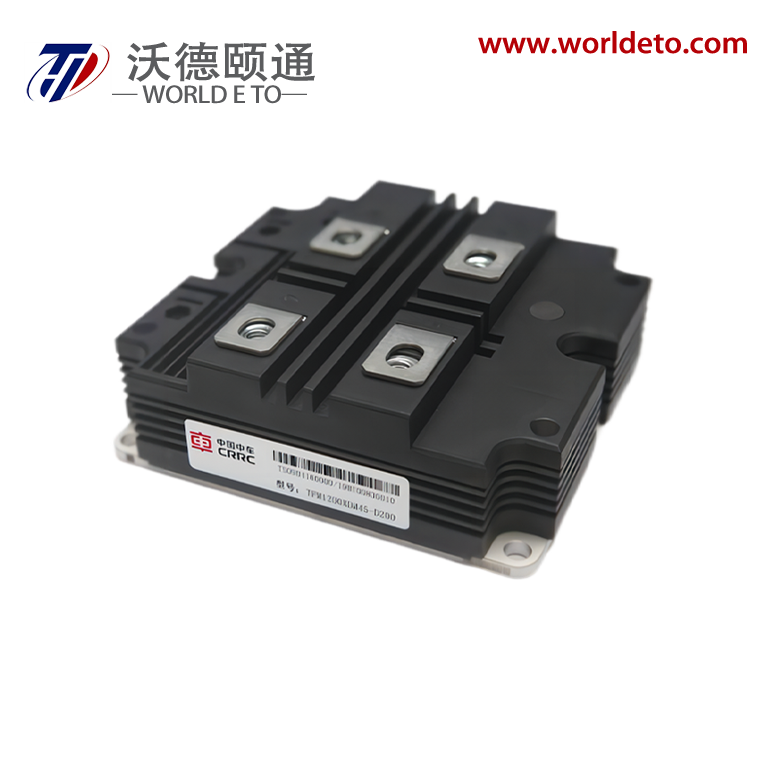
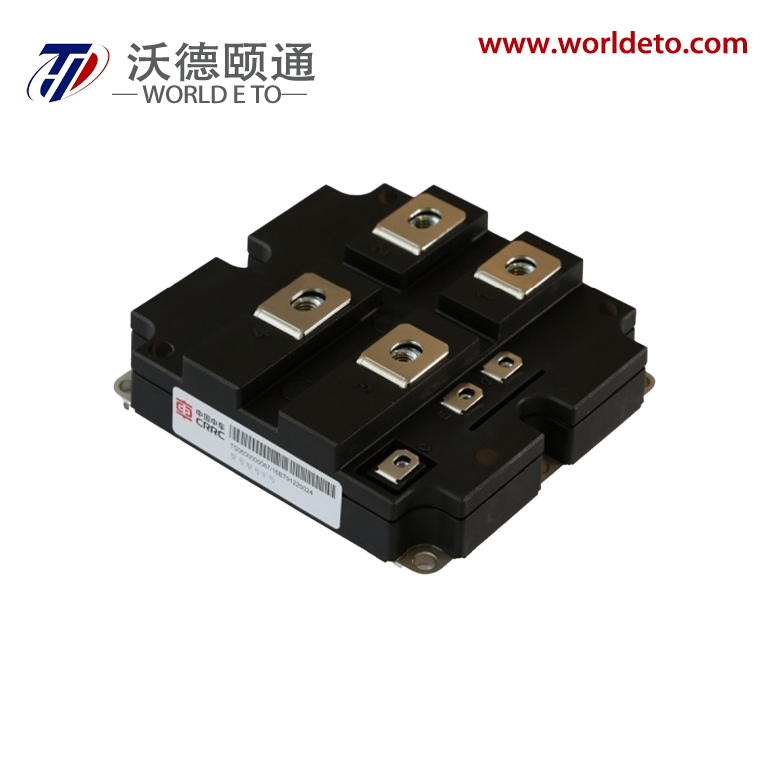
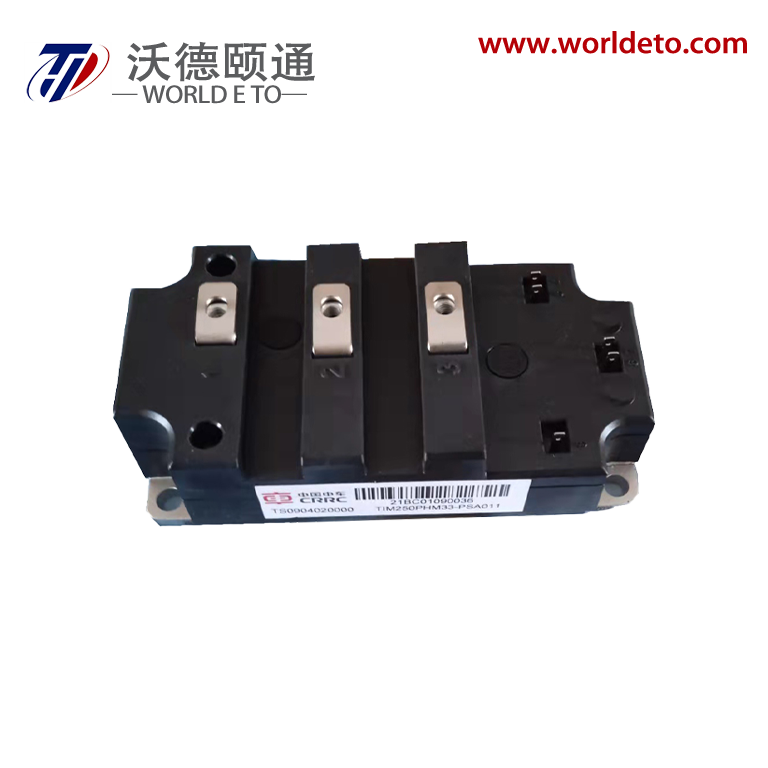
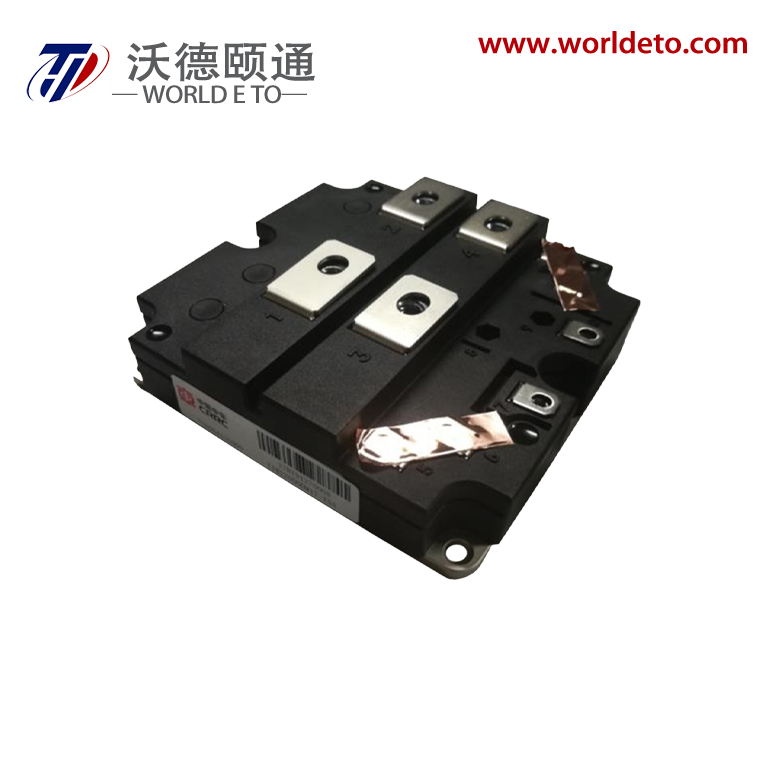
A bridge type rectifier represents one of the most essential components in modern electronics, serving as a fundamental circuit that converts alternating current (AC) into direct current (DC). This sophisticated electronic device operates through a carefully engineered arrangement of four diodes configured in a diamond or bridge pattern, hence its distinctive name. The bridge type rectifier eliminates the need for a center-tapped transformer, making it more versatile and cost-effective compared to traditional rectification methods. When AC voltage enters the circuit, the bridge type rectifier automatically routes current through the appropriate diodes during each half-cycle, ensuring continuous current flow in a single direction. This process creates a pulsating DC output that can be further smoothed using filtering capacitors. The technological architecture of the bridge type rectifier incorporates precision-engineered silicon diodes that can handle substantial current loads while maintaining excellent thermal stability. These diodes feature low forward voltage drop characteristics, minimizing power losses during operation. The bridge type rectifier design inherently provides electrical isolation between input and output circuits, enhancing safety and reducing electromagnetic interference. Modern bridge type rectifier implementations often integrate advanced semiconductor materials like silicon carbide or gallium arsenide for improved efficiency and faster switching speeds. Applications for bridge type rectifiers span numerous industries, from consumer electronics and automotive systems to industrial power supplies and renewable energy installations. In power adapter circuits, the bridge type rectifier converts household AC power into stable DC voltages for electronic devices. Automotive applications utilize bridge type rectifier technology in alternator systems to charge vehicle batteries efficiently. Solar inverters employ bridge type rectifier principles for grid-tie applications, while uninterruptible power supplies rely on these circuits for seamless power conversion. The versatility of bridge type rectifier technology extends to welding equipment, LED drivers, and battery charging systems, demonstrating its critical role in modern electrical infrastructure.

New Products

The bridge type rectifier offers numerous compelling advantages that make it the preferred choice for engineers and manufacturers seeking reliable power conversion solutions. First and foremost, this technology delivers superior efficiency compared to half-wave or center-tap rectifiers, achieving typical efficiency ratings between 85 to 95 percent. The bridge type rectifier accomplishes this through its innovative four-diode configuration that utilizes both halves of the AC input waveform, eliminating waste and maximizing power transfer. This enhanced efficiency translates directly into reduced energy costs and lower heat generation, creating tangible savings for users while extending equipment lifespan. Another significant advantage lies in the bridge type rectifier's ability to operate without requiring a center-tapped transformer. This design flexibility reduces component costs, simplifies circuit layout, and minimizes overall system size. Engineers appreciate this freedom as it allows for more compact designs and easier integration into existing systems. The bridge type rectifier also demonstrates exceptional voltage regulation capabilities, maintaining stable output voltages even under varying load conditions. This reliability ensures consistent performance across different operating scenarios, making it ideal for sensitive electronic applications. The ripple factor of a bridge type rectifier is considerably lower than alternative rectification methods, typically achieving ripple factors around 0.48 compared to 1.21 for half-wave rectifiers. This reduced ripple means smoother DC output with less filtering required, resulting in cleaner power delivery and improved system performance. Cost-effectiveness represents another major advantage, as the bridge type rectifier utilizes standard, readily available components that keep manufacturing and maintenance costs minimal. The robust design can handle higher current loads without requiring expensive specialized transformers, making it suitable for both low-power consumer applications and high-power industrial installations. Thermal management benefits emerge from the bridge type rectifier's distributed heat dissipation across four diodes rather than concentrating thermal stress in a single component. This characteristic improves reliability and reduces cooling requirements. The bridge type rectifier also provides excellent fault tolerance, continuing to operate even if one diode fails, though with reduced efficiency. Installation and maintenance procedures remain straightforward, requiring standard electrical knowledge and common tools, which reduces service costs and downtime.

Practical Tips

Selecting the Right High-Performance In-Amp for Precision Measurement Systems

24

Nov

Selecting the Right High-Performance In-Amp for Precision Measurement Systems

Precision measurement systems form the backbone of modern industrial applications, from aerospace instrumentation to medical device calibration. At the heart of these systems lies a critical component that determines measurement accuracy and signal i...
View More
High-Performance ADC Chips and Precision DACs: Analysis of High-Speed, Low-Power Domestic Alternatives

02

Feb

High-Performance ADC Chips and Precision DACs: Analysis of High-Speed, Low-Power Domestic Alternatives

The semiconductor industry has witnessed unprecedented growth in demand for high-performance analog-to-digital converter chips and precision digital-to-analog converters. As electronic systems become increasingly sophisticated, the need for reliable,...
View More
From ADC to LDO: Complete High-Precision, Low-Power Domestic Chip Replacement Solutions

02

Feb

From ADC to LDO: Complete High-Precision, Low-Power Domestic Chip Replacement Solutions

The semiconductor industry faces unprecedented challenges as global supply chain disruptions and geopolitical tensions drive demand for reliable domestic chip replacement solutions. Companies across industries are increasingly seeking alternatives to...
View More
Precision DAC Chips: Achieving Sub-Millivolt Accuracy in Complex Control Systems

03

Feb

Precision DAC Chips: Achieving Sub-Millivolt Accuracy in Complex Control Systems

Modern industrial control systems demand unprecedented accuracy and reliability, with precision DAC chips serving as critical components that bridge the digital-analog divide. These sophisticated semiconductor devices enable engineers to achieve sub-...
View More

Get a Free Quote

Our representative will contact you soon.
Email
Name
Company Name
Message
0/1000

bridge type rectifier

Maximum Power Utilization Through Dual Half-Wave Processing

Maximum Power Utilization Through Dual Half-Wave Processing

The bridge type rectifier achieves exceptional performance through its revolutionary dual half-wave processing capability, fundamentally transforming how electrical systems convert AC power to DC power. Unlike traditional half-wave rectifiers that waste fifty percent of the input energy by ignoring one half of the AC cycle, the bridge type rectifier ingeniously captures and utilizes both positive and negative half-cycles of the alternating current waveform. This breakthrough technology employs four strategically positioned diodes arranged in a diamond configuration, where opposing diode pairs conduct alternately during each half-cycle. During the positive half-cycle, diodes positioned at opposite corners of the bridge conduct electricity, directing current through the load in a predetermined direction. When the AC input reverses polarity during the negative half-cycle, the remaining diode pair automatically takes over conduction duties, maintaining current flow through the load in the same direction. This seamless switching process occurs thousands of times per second, creating a continuous DC output from an AC input source. The practical implications of this maximum power utilization are profound for end users. Manufacturing facilities can reduce their energy consumption by up to fifteen percent when switching from less efficient rectification methods to bridge type rectifier systems. Data centers benefit from lower cooling costs as the improved efficiency generates less waste heat, while consumer electronics enjoy longer battery life and reduced charging times. The bridge type rectifier's ability to extract maximum power from available AC sources makes it particularly valuable in renewable energy applications, where every watt of captured energy translates to improved system economics. Solar panel installations using bridge type rectifier technology can increase their effective power output without adding additional panels, simply by more efficiently processing the available energy. This efficiency advantage becomes increasingly important as energy costs rise and environmental regulations tighten, making the bridge type rectifier an essential component for sustainable technology implementations across industries.
Simplified Circuit Design Without Center-Tap Requirements

Simplified Circuit Design Without Center-Tap Requirements

The bridge type rectifier revolutionizes circuit design by eliminating the traditional requirement for center-tapped transformers, offering engineers unprecedented flexibility and cost savings in power supply design. Conventional rectification methods often demand expensive center-tapped transformers that feature a midpoint connection on the secondary winding, increasing manufacturing complexity and component costs. The bridge type rectifier breakthrough removes this constraint entirely, allowing designers to use simple, standard transformers or even direct AC line inputs in many applications. This design freedom translates into immediate practical benefits for manufacturers and end users alike. Production costs decrease significantly as standard transformers cost substantially less than their center-tapped counterparts and offer wider availability from multiple suppliers. The simplified transformer requirements also reduce inventory complexity for manufacturers, as they can standardize on fewer transformer types across multiple product lines. Space-constrained applications particularly benefit from this bridge type rectifier advantage, as standard transformers typically require less physical space than center-tapped alternatives. Mobile equipment, automotive systems, and portable devices gain valuable space for other components or achieve overall size reductions. The electrical characteristics of the bridge type rectifier design provide additional advantages beyond cost and space savings. Standard transformers used with bridge type rectifier circuits can achieve better voltage regulation and lower impedance characteristics compared to center-tapped designs, resulting in improved overall system performance. The absence of a center-tap connection also eliminates potential failure points and reduces electromagnetic interference, as the symmetrical design provides better balance and noise immunity. Maintenance procedures become more straightforward since replacement transformers are readily available through standard electrical supply channels rather than requiring specialized components. This availability reduces downtime and service costs throughout the equipment lifecycle. Furthermore, the bridge type rectifier compatibility with standard transformers enables easier upgrades and modifications to existing systems, as engineers can retrofit bridge rectifier circuits without requiring complete transformer replacements in many applications.
Superior Voltage Regulation and Low Ripple Performance

Superior Voltage Regulation and Low Ripple Performance

The bridge type rectifier delivers exceptional voltage regulation and minimal ripple characteristics that establish new standards for power quality in DC applications. This advanced performance stems from the bridge type rectifier's fundamental operating principle, which processes both halves of the AC input waveform to create a more consistent and stable DC output. The mathematical relationship governing bridge type rectifier ripple factor achieves approximately 0.48, representing a dramatic improvement over half-wave rectifiers that produce ripple factors of 1.21. This substantial reduction in ripple content means the bridge type rectifier output contains significantly fewer voltage variations, creating cleaner power that sensitive electronic components require for optimal operation. The superior voltage regulation capabilities of the bridge type rectifier manifest through its ability to maintain consistent output voltages despite variations in input voltage or load current. When AC line voltages fluctuate due to grid conditions or when load demands change during operation, the bridge type rectifier automatically compensates through its inherent design characteristics. This regulation stability proves crucial for applications requiring precise voltage control, such as precision measurement instruments, medical equipment, and computer systems where voltage variations can cause data corruption or component damage. The low ripple performance of the bridge type rectifier reduces filtering requirements downstream, allowing engineers to use smaller capacitors and inductors in their power supply designs. This component reduction translates into cost savings, space savings, and improved reliability as fewer components mean fewer potential failure points. Laboratory measurements consistently demonstrate that bridge type rectifier systems require approximately sixty percent less filtering capacitance compared to half-wave alternatives to achieve equivalent ripple specifications. The practical implications extend to electromagnetic compatibility performance, as the bridge type rectifier's smooth output characteristics generate less electromagnetic interference that could affect nearby sensitive circuits. Audio equipment benefits particularly from the bridge type rectifier's low-noise characteristics, delivering cleaner power that preserves signal integrity and reduces audible distortion. Industrial control systems experience improved accuracy and stability when powered by bridge type rectifier circuits, as the consistent voltage supply enables more precise sensor readings and actuator control. The longevity benefits cannot be overlooked, as electronic components subjected to the stable power delivery of bridge type rectifier systems experience reduced stress and extended operational lifespans.

Get a Free Quote

Our representative will contact you soon.
Email
Name
Company Name
Message
0/1000