aDC modul
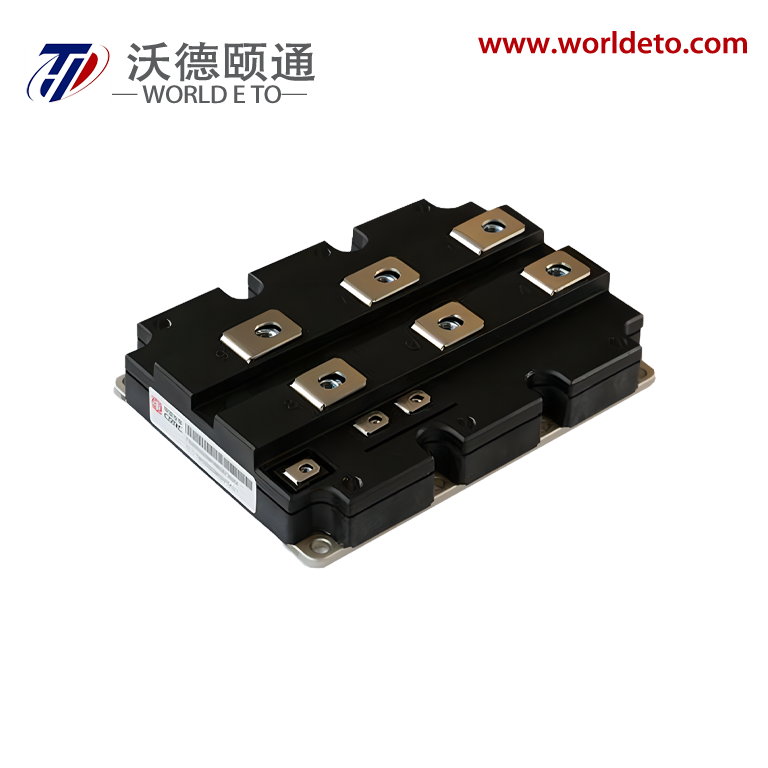
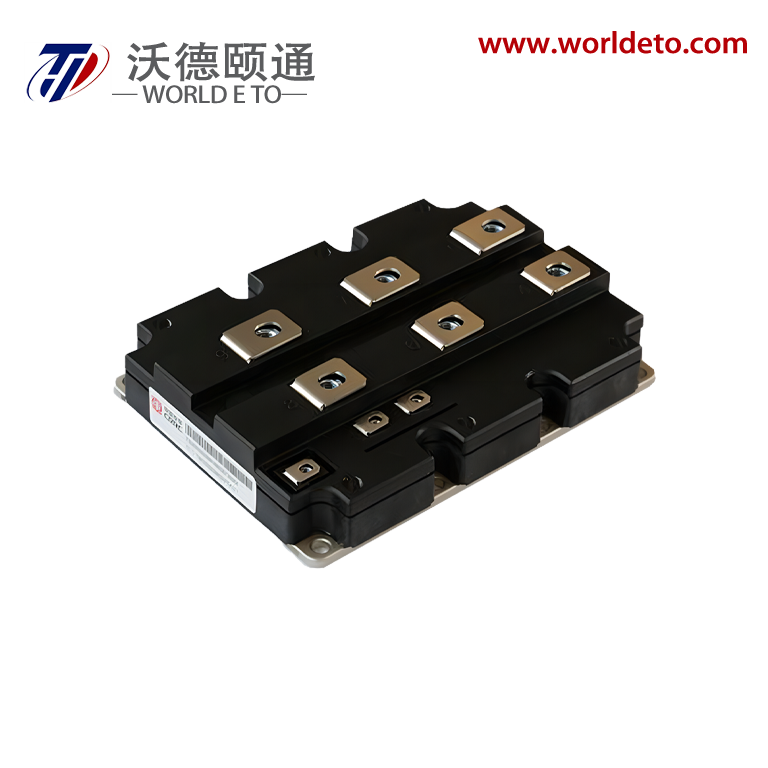
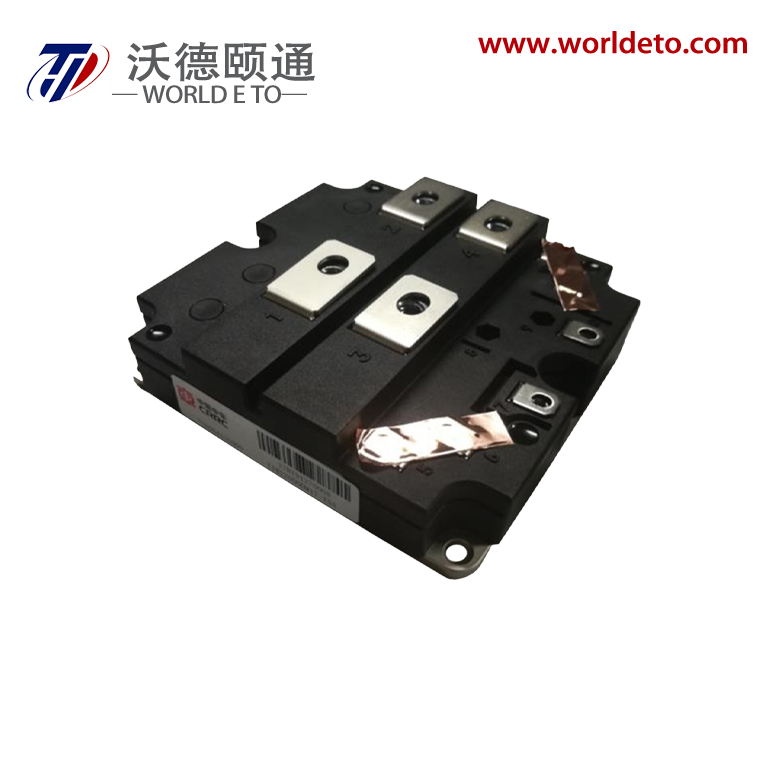
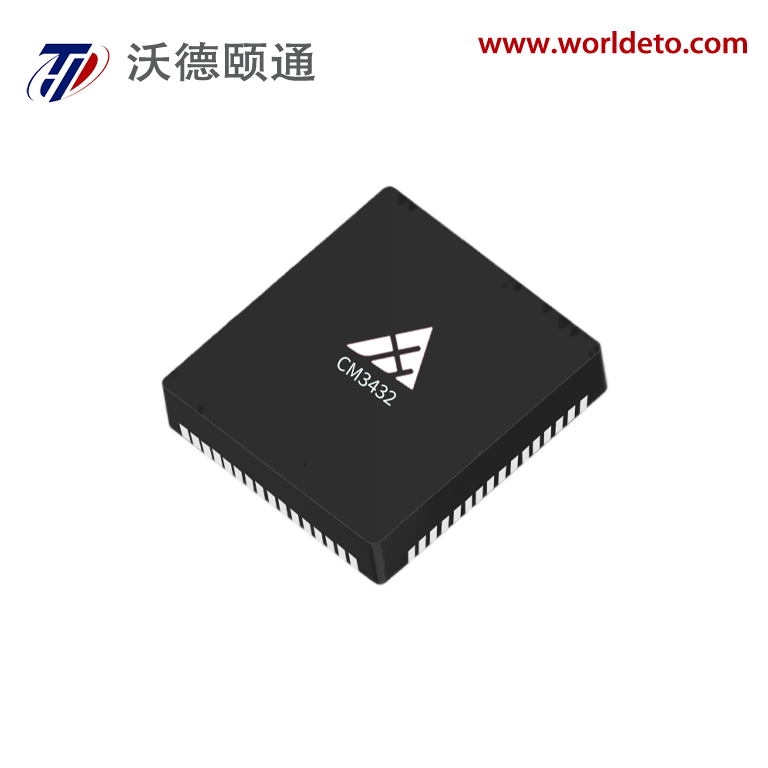
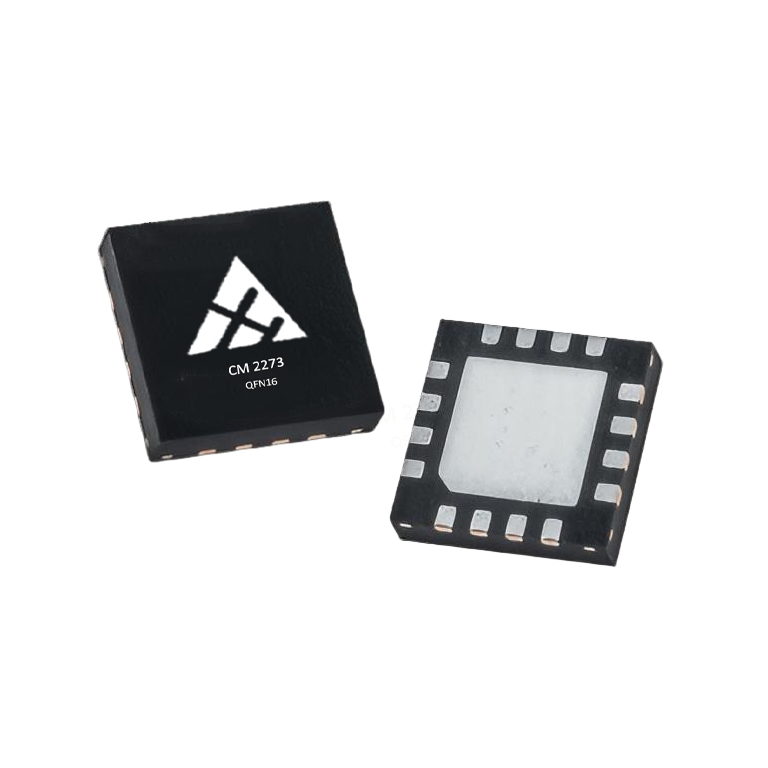
Az ADC-modul egy alapvető elektronikus komponens, amely a modern technológiai alkalmazásokban az analóg és digitális rendszerek közötti híd szerepét tölti be. Az ADC-modul, azaz az analóg-digitális átalakító modul kritikus funkciót lát el: folytonos analóg jeleket diszkrét digitális értékekké alakít, amelyeket digitális rendszerek – például mikrovezérlők, számítógépek és digitális jelfeldolgozó egységek – tudnak feldolgozni. Ez az átalakítási folyamat lehetővé teszi az elektronikus eszközök számára, hogy a valós világ analóg jelenségeit – például a hőmérsékletet, nyomást, hangot és fényt – numerikus adatokká alakítsák, amelyeket a digitális áramkörök kezelhetnek és elemezhetnek. Az ADC-modul bonyolult mintavételezési és kvantálási technikák segítségével működik: az analóg bemeneti jeleket meghatározott időközönként mintavételezi, majd meghatározott felbontással bináris formában átalakítja. A modern ADC-modulok fejlett technológiai funkciókat is tartalmaznak, például programozható erősítésű erősítőket, referenciafeszültség-forrásokat és több bemeneti csatornát, amelyek növelik sokoldalúságukat és teljesítményüket. Ezek a modulok különféle kommunikációs protokollokat támogatnak, például SPI-t, I2C-t és párhuzamos interfészeket, így zavartalan integrációt tesznek lehetővé különböző digitális rendszerekkel. Az ADC-modulok felbontása általában 8 bites és 32 bites konfigurációk között mozog, és meghatározza a jelátalakítási folyamat pontosságát és precízióját. A magasabb felbontású ADC-modulok finomabb részletgazdagítást biztosítanak a jelábrázolásban, így pontosabb méréseket és szabályozási alkalmazásokat tesznek lehetővé. A mintavételezési sebesség egy másik kulcsfontosságú specifikáció, amely az ADC-modulok esetében másodpercenként néhány mintavételtől egészen millió mintavételig terjedhet, az alkalmazási igényektől függően. Az ipari alkalmazások az ADC-modulokat folyamatirányításra, adatgyűjtő rendszerekre és műszerekre használják, ahol a pontos analóg jelmérés elengedhetetlen. A fogyasztói elektronikában az ADC-modulokat hangfeldolgozásra, érzékelőfelületekre és akkumulátor-figyelő rendszerekre integrálják, hogy növeljék az eszközök funkcionalitását és a felhasználói élményt.

 EN
EN