 EN
EN


Overview
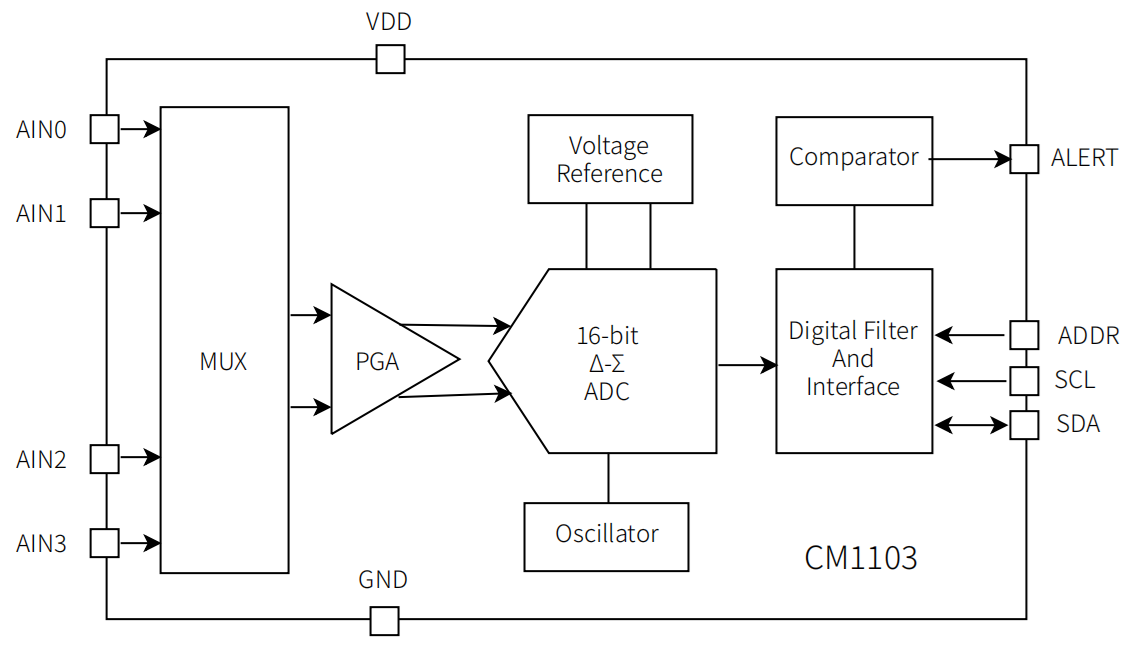
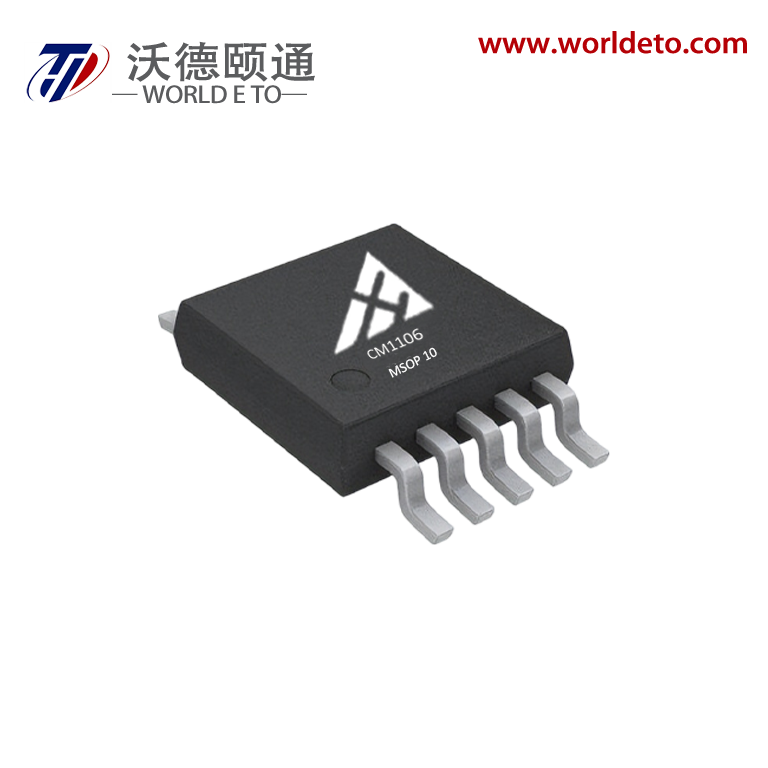
The CM1106 is a high-precision, low-power, SPI-compatible 16-bit ΔΣ ADC, which integrates a low-drift voltage reference, an oscillator, and a programmable gain amplifier (PGA). These features make the CM1106 suitable for most sensor measurement applications.
The CM1106 can perform conversion operations at a rate of 2kSPS. The programmable input voltage range provided by the PGA is from ±256mV to ±6.144V. The input multiplexer (MUX) provides 4 single-ended inputs and 2 differential inputs.
The CM1106 can operate in either single conversion mode or continuous conversion mode. In single conversion mode, it automatically enters power-down mode after completing a conversion, significantly reducing current consumption during idle states.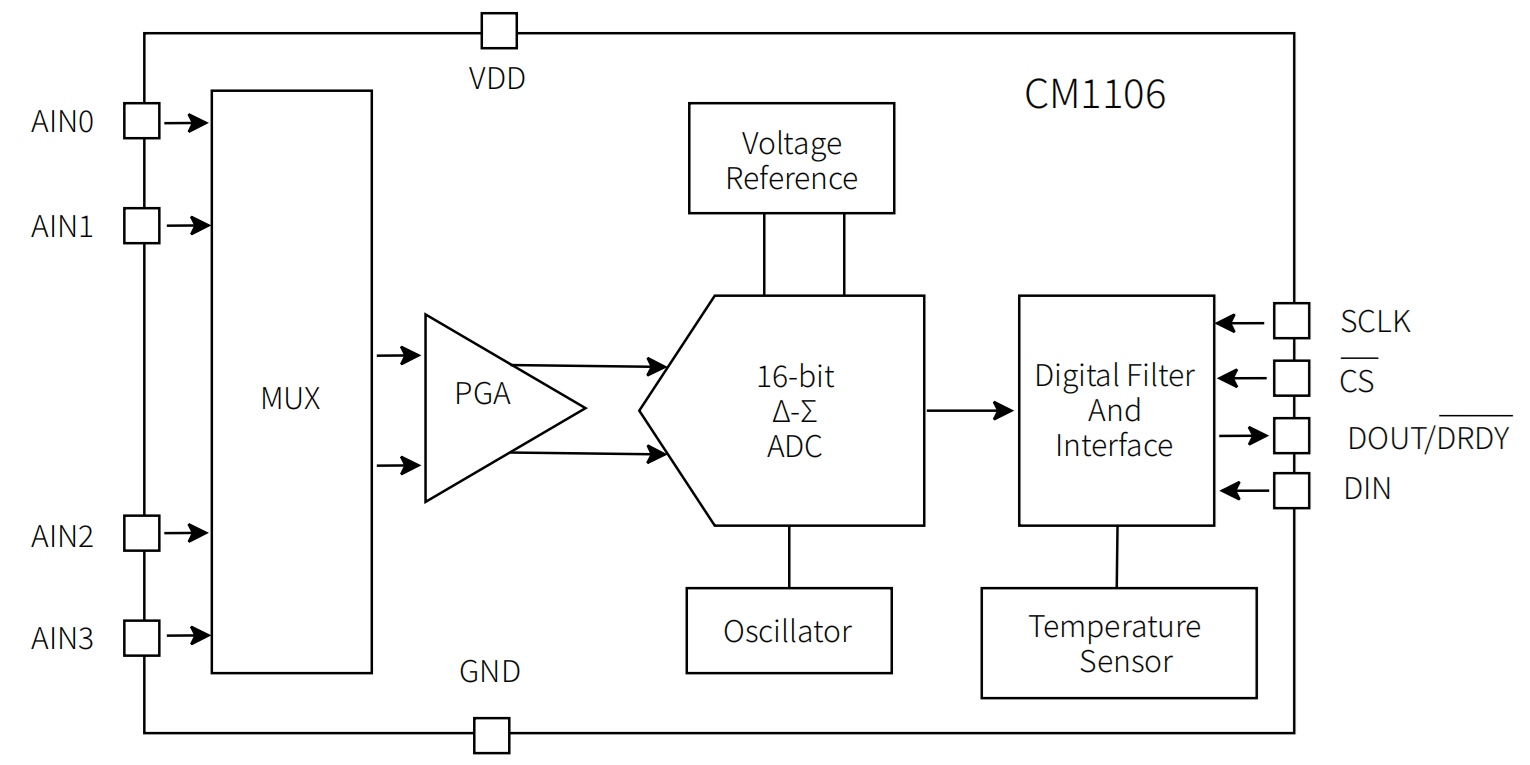
Features
Wide power supply range: 2.5V to 5V
Low current consumption: 270μA (continuous conversion mode)
Programmable data rate: 6.25SPS to 2kSPS
Internal low-drift voltage reference
Internal oscillator
Internal programmable gain amplifier
SPI interface
Internal temperature sensor
4 single-ended or 2 differential inputs
AEC-Q100 compliant
Applications
Handheld instruments
Battery voltage and current monitoring
Temperature measurement
Thermocouples (TC)
NTC, PTC (thermistors)
Factory automation and process control
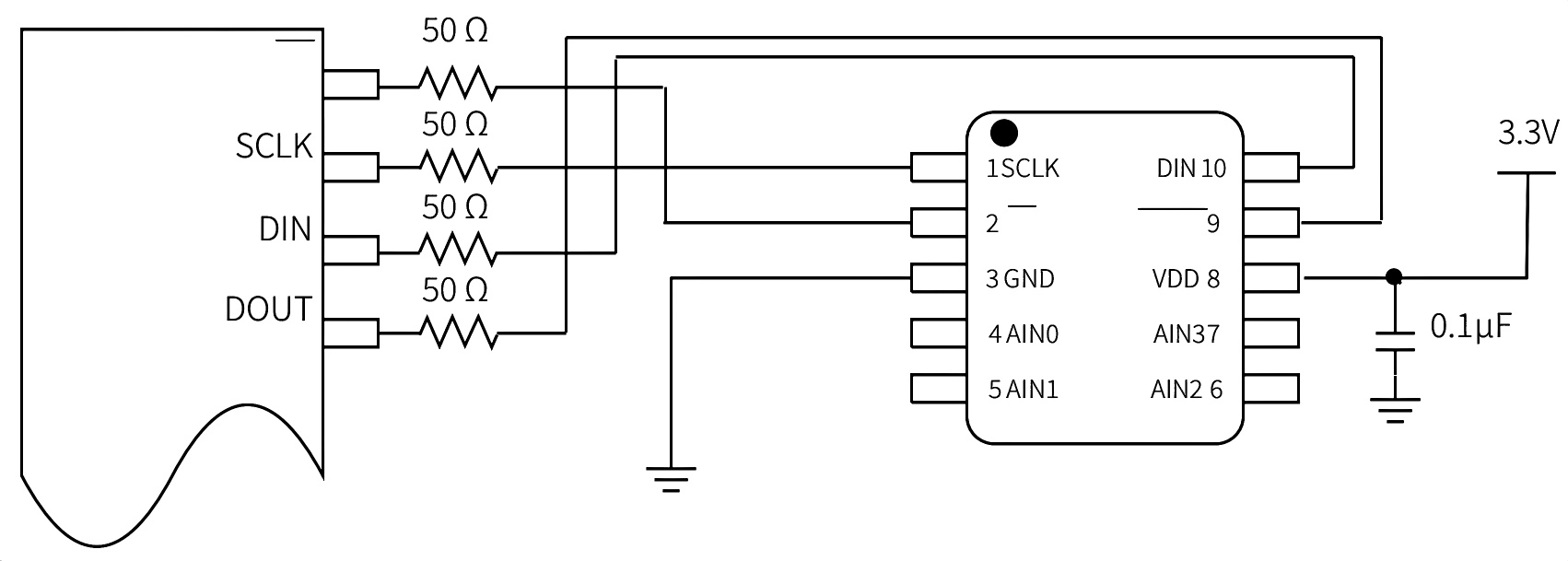
- The typical connection mode is shown in the following figure.
Pin configuration
Thermocouple Temperature Measurement Solution Based on CM1103 and CM1106
01 Introduction
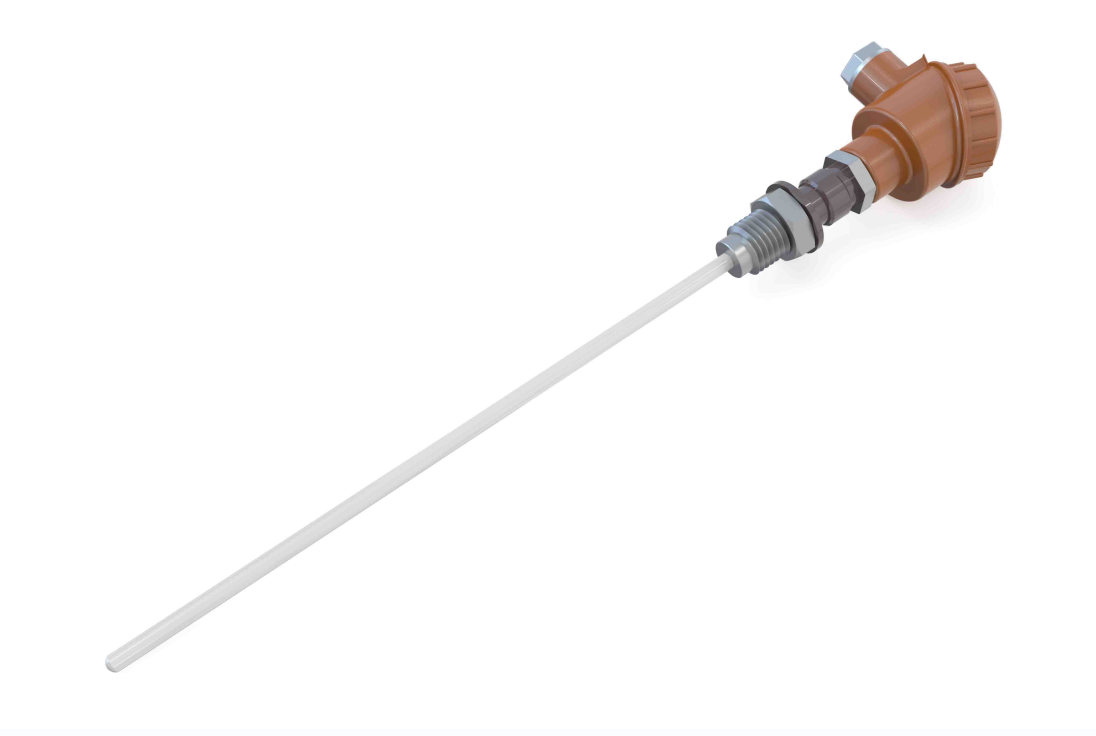
When two different metal conductors are connected, a potential difference is generated at the junction when there is a temperature difference between the ends. By measuring the potential difference and the reference temperature of the junctions, and using the thermocouple's characteristic parameters, the actual temperature of the measuring end can be determined.
Thermocouples are inexpensive, have an excellent temperature measurement range, are simple in construction, and easy to use, making them widely used in various industrial applications. The ITS-90 standard specifies 8 common types of thermocouples and their temperature measurement ranges.
Among them, type K thermocouples are the most widely used. For example, when measuring -270°C, the output voltage of the thermocouple is -6.458mV, and at the maximum measurement temperature of 1372°C, the output voltage is 54.886mV. The output voltage changes by 40μV for every 1°C change in temperature over the entire measurement range.
Due to the weak output voltage signal of the thermocouple, signal processing and acquisition circuits often require extremely high precision. Furthermore, in industrial environments, the long leads between the TC thermocouple and the data acquisition board often introduce significant common-mode interference noise, so the signal acquisition system needs to extract and amplify the differential signal while minimizing the impact of common-mode noise on the differential signal being measured.
02 CM1103 Functional Features
Low power, high precision, small-sized sigma-delta ADC analog front-end
Widely used for signal acquisition from temperature, optical, liquid, gas, and other types of sensors
Maximum sampling rate of 2kSPS, 4-channel polling programmable
Programmable gain amplifier with a flexible configurable input range of ±256mV to ±6.144V
High input impedance greater than 1MΩ, allowing direct connection of the ADC to various sensors, eliminating the need for additional sensor conditioning and ADC driving circuitry
Noise-free sampling accuracy down to 7.81μV, enabling precise measurement of the thermocouple's weak potential difference
Differential channels with common-mode rejection ratio (CMRR) greater than 100dB, reducing the impact of industrial field interference on signal acquisition

03 Solution Overview
The CM1103 offers flexible channel configurations, with 4 input ports supporting up to 2 differential signals or 4 single-ended signals. In practical applications, one differential channel can be used to connect a thermocouple temperature sensor, while another single-ended channel can be used to connect an NTC thermistor placed near the cold junction. Each TC and NTC channel can be configured with its own input gain and sampling rate, providing great convenience.
The CM1106 builds on the CM1103, adding an on-chip temperature sensor. Through the SPI interface, the junction temperature of the CM1106 can be read in real-time. For cold-junction applications near the ADC, the CM1106 eliminates the need for an additional cold-junction measurement channel, enabling a higher number of temperature measurement channels.