
 EN
EN
The global semiconductor supply chain disruptions of recent years have highlighted the critical importance of developing robust domestic manufacturing capabilities. As industries worldwide grapple with component shortages and geopolitical tensions, the strategic value of domestic linear regulators and voltage references has become increasingly apparent. These essential components serve as the backbone of countless electronic systems, from consumer devices to industrial automation equipment, making their reliable domestic production a matter of national technological security.
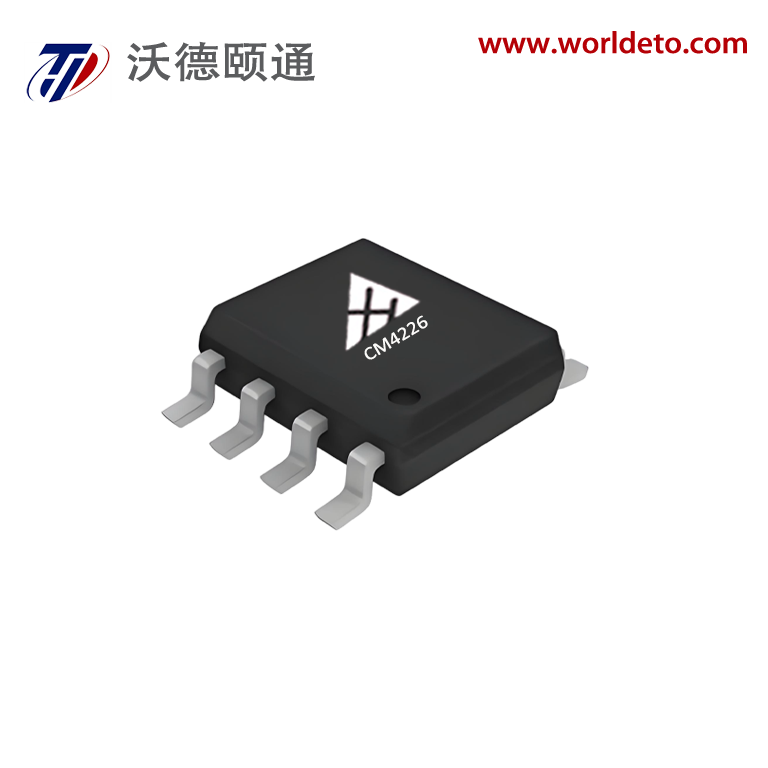
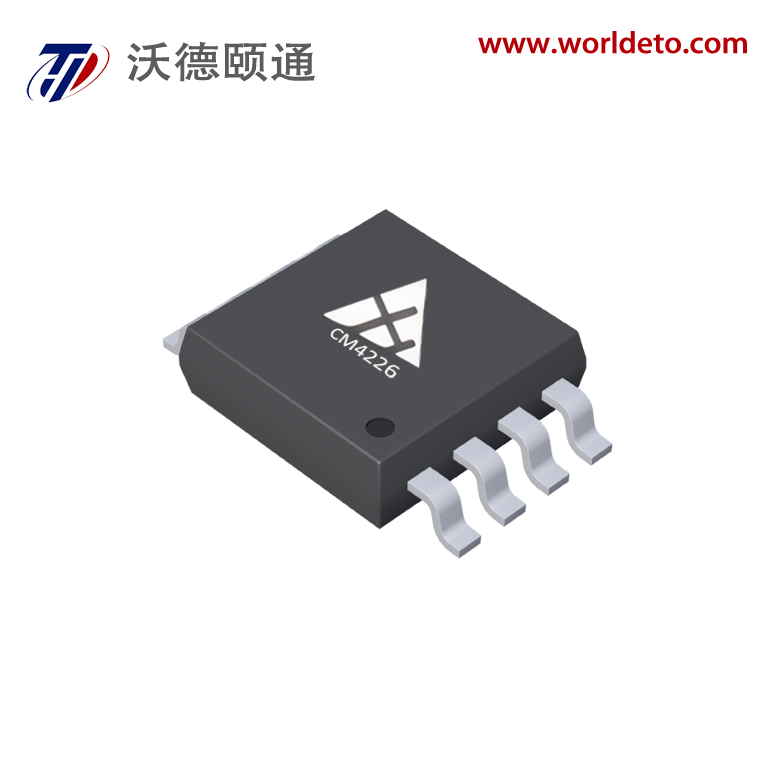
Modern electronic systems demand unprecedented levels of power efficiency and precision, particularly in applications where space constraints and thermal management are critical factors. The evolution of domestic linear regulators has reached a point where they can compete directly with international alternatives while offering superior supply chain reliability. This technological advancement represents more than just component substitution; it embodies a fundamental shift toward self-reliance in critical semiconductor technologies that underpin modern industrial infrastructure.
Understanding the Technology Behind Modern Linear Voltage Regulation
Fundamental Principles of Linear Regulation Architecture
Linear voltage regulators operate on a relatively straightforward principle that belies their sophisticated internal architecture. These devices maintain a constant output voltage by continuously adjusting their internal resistance to compensate for variations in input voltage or load current. The key advantage of domestic linear regulators lies in their ability to provide exceptionally clean, low-noise power supplies that are essential for precision analog circuits and sensitive measurement equipment.
The basic architecture consists of a reference voltage source, an error amplifier, and a pass element that controls current flow. Modern implementations incorporate advanced feedback mechanisms and compensation techniques that enable them to achieve regulation accuracies better than 0.1% across wide temperature and load ranges. This level of precision is particularly crucial in applications such as data acquisition systems, medical instrumentation, and high-resolution analog-to-digital converters.
Low-Dropout Technology and Efficiency Optimization
Contemporary domestic linear regulators have made significant strides in reducing dropout voltage, which represents the minimum voltage difference required between input and output for proper operation. Advanced low-dropout (LDO) designs now achieve dropout voltages as low as 50mV at full load, enabling efficient operation even when input and output voltages are closely matched. This capability is particularly valuable in battery-powered applications where maximizing usage of available energy is paramount.
The efficiency optimization in modern domestic linear regulators extends beyond simple dropout reduction to encompass intelligent power management features. These include automatic shutdown modes, current limiting with foldback protection, and thermal shutdown mechanisms that protect both the regulator and the load circuit. Such features ensure reliable operation across diverse environmental conditions while minimizing power consumption during standby periods.
Precision Voltage References in Domestic Manufacturing
Bandgap Reference Technology Advancements
Voltage references serve as the foundation for accurate voltage regulation, and domestic manufacturers have achieved remarkable progress in bandgap reference technology. These references exploit the temperature-dependent characteristics of semiconductor junctions to create highly stable voltage sources that remain constant across wide temperature ranges. Modern domestic voltage references achieve temperature coefficients as low as 2ppm per degree Celsius, rivaling the performance of premium international alternatives.
The manufacturing process for these precision references involves careful control of semiconductor doping profiles and junction geometries to optimize temperature compensation. Domestic facilities have invested heavily in advanced process control equipment and metrology systems that enable consistent production of references with initial accuracies better than 0.05%. This level of precision is essential for applications requiring long-term stability and minimal drift over operational lifetimes.
Integration with Smart Power Management Systems
Modern voltage references are increasingly integrated with intelligent power management functionality that enhances overall system reliability and efficiency. Domestic linear regulators now incorporate these advanced references along with digital control interfaces that enable real-time monitoring and adjustment of operating parameters. This integration allows for predictive maintenance capabilities and adaptive performance optimization based on actual operating conditions.
The smart integration extends to include features such as power sequencing control, voltage margining for system testing, and fault detection with diagnostic reporting. These capabilities transform traditional passive power supply components into active participants in system health monitoring and optimization, providing significant value in complex industrial and automotive applications where reliability is paramount.
Import Substitution Strategies and Market Impact
Supply Chain Resilience Through Domestic Production
The strategic imperative for import substitution in critical semiconductor components has accelerated the development of domestic manufacturing capabilities. Local production of linear regulators and voltage references provides immediate benefits in terms of supply chain security, reduced lead times, and elimination of geopolitical risks associated with international sourcing. Manufacturing facilities located within domestic borders offer guaranteed access to essential components even during periods of international trade disruption or supply chain stress.
Beyond immediate supply security, domestic production enables closer collaboration between component manufacturers and end-user industries. This proximity facilitates rapid customization of standard products to meet specific application requirements, accelerated development cycles for new designs, and enhanced technical support throughout the product lifecycle. The result is a more responsive and flexible supply ecosystem that can adapt quickly to changing market demands and technological requirements.
Economic and Technological Independence Benefits
The transition to domestic linear regulators represents more than just component substitution; it embodies a comprehensive strategy for achieving technological independence in critical areas. Local manufacturing creates high-value employment opportunities, develops indigenous technical expertise, and establishes a foundation for further innovation in semiconductor technologies. These economic benefits extend throughout the supply chain, from raw material suppliers to assembly and test operations.
The technological independence achieved through domestic production enables the development of specialized products tailored to local market requirements and regulatory standards. This capability is particularly valuable in sectors such as telecommunications infrastructure, renewable energy systems, and electric vehicle charging networks, where unique performance requirements may not be adequately addressed by generic international products.
Performance Characteristics and Application Advantages
Thermal Performance and Reliability Enhancements
Domestic linear regulators have achieved significant improvements in thermal performance through advanced packaging technologies and optimized semiconductor designs. Modern devices incorporate thermal shutdown protection, current limiting, and power dissipation management features that ensure reliable operation across extended temperature ranges. These enhancements are particularly important in industrial applications where ambient temperatures may vary significantly or where components must operate in harsh environmental conditions.
The reliability improvements extend to include enhanced electrostatic discharge (ESD) protection, improved electromagnetic interference (EMI) immunity, and robust protection against voltage transients. These features ensure consistent performance in electrically noisy industrial environments while reducing the need for external protection components, thereby simplifying system design and reducing overall costs.
Precision and Stability in Critical Applications
The precision capabilities of modern domestic linear regulators make them particularly well-suited for demanding applications such as precision instrumentation, medical devices, and aerospace systems. Load regulation specifications better than 0.01% and line regulation better than 0.005% enable these regulators to maintain stable output voltages even under varying operating conditions. This level of performance is essential for maintaining accuracy in measurement systems and ensuring consistent operation of precision analog circuits.
Long-term stability is equally important, with modern domestic linear regulators demonstrating drift characteristics comparable to or better than international alternatives. Accelerated aging tests and reliability studies confirm that properly designed domestic components can achieve operational lifetimes exceeding 20 years while maintaining their initial accuracy specifications. This longevity is crucial for infrastructure applications where component replacement is difficult or costly.
Manufacturing Excellence and Quality Assurance
Advanced Production Techniques and Process Control
Domestic manufacturing facilities have implemented state-of-the-art production techniques that ensure consistent quality and performance of linear regulators and voltage references. Advanced statistical process control methods monitor critical parameters throughout the manufacturing process, enabling early detection and correction of potential quality issues. These techniques include real-time monitoring of wafer fabrication parameters, automated test equipment for comprehensive electrical characterization, and sophisticated failure analysis capabilities.
The investment in advanced manufacturing equipment has enabled domestic facilities to achieve yields and quality levels that match or exceed international standards. Clean room facilities operating at Class 10 or better, precision lithography equipment capable of sub-micron feature sizes, and automated assembly lines with integrated quality checking ensure that every component meets stringent performance requirements. This manufacturing excellence provides the foundation for reliable, high-performance domestic linear regulators that can compete effectively in global markets.
Certification and Standards Compliance
Domestic manufacturers have achieved comprehensive certification across multiple international quality and reliability standards, including ISO 9001, TS 16949 for automotive applications, and AS9100 for aerospace and defense markets. These certifications demonstrate the commitment to quality excellence and provide customers with confidence in the reliability and performance of domestic linear regulators. The certification process involves rigorous auditing of design processes, manufacturing procedures, and quality management systems.
Compliance with industry-specific standards such as AEC-Q100 for automotive electronics, MIL-PRF-38535 for military applications, and IEC 62304 for medical devices ensures that domestic components can be integrated seamlessly into existing designs and systems. This standards compliance eliminates potential barriers to adoption and facilitates the transition from imported to domestic components without requiring extensive requalification or redesign efforts.
Future Developments and Technology Roadmap
Next-Generation Architecture Innovations
The future evolution of domestic linear regulators will focus on further improvements in efficiency, integration, and intelligence. Advanced architectures under development include hybrid linear-switching topologies that combine the low noise characteristics of linear regulation with the high efficiency of switching converters. These hybrid designs promise to deliver the best of both technologies while addressing the traditional trade-offs between efficiency and performance.
Integration trends are moving toward system-on-chip solutions that incorporate multiple regulators, references, and control functions on a single device. This integration reduces system complexity, improves reliability, and enables more sophisticated power management strategies. Future domestic linear regulators will likely include built-in diagnostics, predictive failure analysis, and adaptive performance optimization capabilities that enhance system reliability and reduce maintenance requirements.
Emerging Applications and Market Opportunities
The growing adoption of Internet of Things (IoT) devices, electric vehicles, and renewable energy systems creates new opportunities for specialized domestic linear regulators. These applications demand ultra-low power consumption, extended temperature operation, and enhanced reliability characteristics that play to the strengths of advanced linear regulation technologies. The ability to customize products for specific applications provides domestic manufacturers with competitive advantages in these emerging markets.
Artificial intelligence and machine learning applications represent another significant opportunity for precision voltage regulation. These systems require exceptionally stable and low-noise power supplies to ensure accurate operation of high-speed analog-to-digital converters and sensitive sensor interfaces. Domestic linear regulators designed specifically for AI applications can provide the performance characteristics needed to support the next generation of intelligent systems and autonomous devices.
FAQ
What are the main advantages of using domestic linear regulators compared to imported alternatives?
Domestic linear regulators offer several key advantages including guaranteed supply chain security, reduced lead times, elimination of geopolitical sourcing risks, and the ability to provide customized solutions for specific applications. Additionally, local technical support and closer collaboration with manufacturers enable faster problem resolution and more responsive product development. From a performance perspective, modern domestic regulators match or exceed the specifications of international alternatives while offering superior long-term availability and support.
How do modern voltage references achieve such high precision and stability?
Modern voltage references achieve exceptional precision through advanced bandgap reference architectures that exploit the predictable temperature characteristics of semiconductor junctions. Careful control of manufacturing processes, including precise doping profiles and junction geometries, enables consistent production of references with initial accuracies better than 0.05%. Temperature compensation techniques and sophisticated trimming procedures during manufacturing further enhance accuracy and stability across wide operating ranges.
What quality assurance measures ensure the reliability of domestic linear regulators?
Comprehensive quality assurance programs include statistical process control throughout manufacturing, extensive electrical testing at multiple temperature points, accelerated aging studies, and compliance with international standards such as ISO 9001 and industry-specific certifications. Advanced failure analysis capabilities and rigorous design validation procedures ensure that products meet stringent reliability requirements. Continuous monitoring of field performance data enables ongoing optimization of design and manufacturing processes.
Which applications benefit most from the precision characteristics of domestic linear regulators?
Applications that benefit most include precision instrumentation, medical devices, data acquisition systems, high-resolution analog-to-digital converters, and measurement equipment where accuracy and low noise are critical. Industrial automation systems, aerospace applications, and telecommunications infrastructure also rely heavily on the stability and reliability provided by precision linear regulation. The clean power characteristics make them particularly valuable for sensitive analog circuits and reference voltage generation in mixed-signal systems.
Table of Contents
- Understanding the Technology Behind Modern Linear Voltage Regulation
- Precision Voltage References in Domestic Manufacturing
- Import Substitution Strategies and Market Impact
- Performance Characteristics and Application Advantages
- Manufacturing Excellence and Quality Assurance
- Future Developments and Technology Roadmap
-
FAQ
- What are the main advantages of using domestic linear regulators compared to imported alternatives?
- How do modern voltage references achieve such high precision and stability?
- What quality assurance measures ensure the reliability of domestic linear regulators?
- Which applications benefit most from the precision characteristics of domestic linear regulators?