
 EN
EN
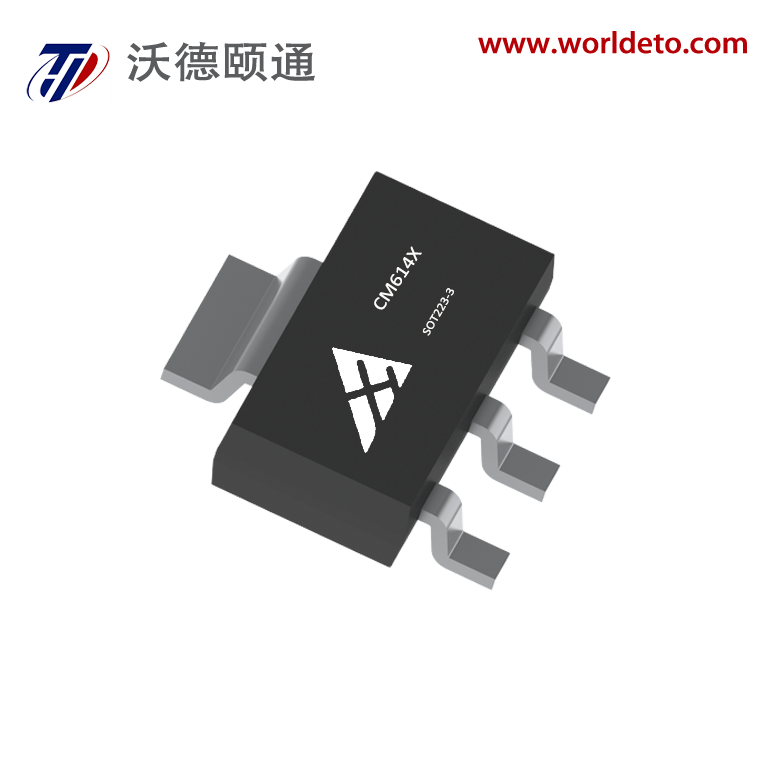
Modern electronic systems demand increasingly sophisticated power management strategies to achieve extended battery life while maintaining optimal performance. The integration of precision LDOs and voltage references has become a cornerstone of efficient low-power design methodologies. These critical components enable engineers to create power-efficient circuits that maximize operational longevity without compromising functionality. Understanding the fundamental principles behind these technologies empowers designers to implement robust solutions that meet stringent power consumption requirements.
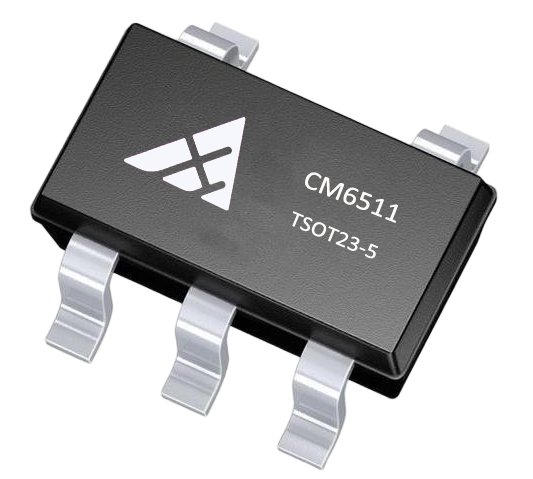

Understanding Low-Dropout Regulators in Power-Sensitive Applications
Architecture and Operational Characteristics
Low-dropout regulators represent a specialized class of linear voltage regulators designed to operate efficiently with minimal voltage differential between input and output terminals. These devices typically maintain regulation with dropout voltages ranging from tens of millivolts to several hundred millivolts, depending on load current and design specifications. The architecture commonly employs PMOS pass transistors that enable operation at lower dropout voltages compared to traditional bipolar designs. This characteristic makes them particularly suitable for battery-powered applications where maximizing usable battery voltage range is crucial.
The control loop topology of modern precision LDOs incorporates sophisticated error amplifiers and compensation networks that ensure stable operation across varying load conditions. Advanced designs implement adaptive biasing techniques that dynamically adjust quiescent current based on load requirements, further optimizing power efficiency. Temperature compensation mechanisms maintain output voltage accuracy across operational temperature ranges, ensuring consistent system performance in diverse environmental conditions.
Quiescent Current Optimization Strategies
Quiescent current consumption represents one of the most critical parameters in battery-powered applications, particularly during standby or light-load conditions. Modern precision LDOs achieve quiescent currents as low as microamps through innovative circuit topologies and process optimizations. Shutdown modes can reduce current consumption to nanoamp levels, effectively eliminating parasitic drain when circuits are not actively operating. These ultra-low current modes are essential for applications requiring months or years of standby operation on a single battery charge.
Dynamic load response capabilities ensure that precision LDOs can rapidly adjust to changing current demands while maintaining output voltage regulation. Fast transient response minimizes voltage excursions during load steps, reducing the need for large output capacitors that would otherwise consume valuable board space and add cost. Proper selection of output capacitor types and values becomes crucial for achieving optimal transient performance while maintaining system stability.
Voltage Reference Integration and System Architecture
Precision Reference Selection Criteria
Voltage references provide the fundamental accuracy foundation for all analog and mixed-signal circuits within a system. The selection of appropriate reference architectures depends on application requirements including initial accuracy, temperature coefficient, long-term stability, and power consumption. Bandgap references offer excellent temperature stability and are widely used in precision applications, while buried Zener references provide superior long-term stability for metrology-grade requirements. Series references typically consume more power but offer better load regulation compared to shunt reference topologies.
Modern voltage references incorporate sophisticated temperature compensation techniques that achieve temperature coefficients below 10 parts per million per degree Celsius. These performance levels enable precision measurements and control functions in battery-powered instruments where accuracy cannot be compromised by environmental variations. Output buffer amplifiers within reference circuits provide low impedance drive capability while maintaining reference accuracy, allowing direct connection to multiple loads without degradation.
Reference Distribution Network Design
Effective distribution of precision reference voltages throughout a system requires careful consideration of impedance matching, noise isolation, and thermal effects. Star distribution topologies minimize ground current interactions that could introduce reference errors, while proper PCB layout techniques ensure minimal voltage drops in reference distribution traces. Decoupling strategies must balance transient response requirements against potential instability issues that can arise from excessive capacitive loading.
Remote sensing capabilities in advanced voltage references enable compensation for voltage drops in distribution networks, maintaining accuracy at the point of use rather than at the reference output. This technique becomes particularly important in systems with significant current variations or when reference loads are located at considerable distances from the reference source. Proper implementation requires careful routing of sense lines to avoid ground loops and electromagnetic interference.
Power Management Architecture Optimization
Hierarchical Power Distribution Strategies
Efficient power management in complex systems requires hierarchical approaches that optimize power delivery at multiple levels. Primary switching regulators provide efficient conversion from battery voltages to intermediate rail voltages, while precision LDOs serve as post-regulators to provide clean, low-noise supplies for sensitive analog circuits. This hybrid approach combines the efficiency advantages of switching regulators with the performance benefits of linear regulation where needed most.
Load switching capabilities allow selective power-down of circuit blocks that are not currently required, dramatically reducing overall system power consumption during partial operation modes. Intelligent power sequencing ensures proper startup and shutdown sequences that prevent latch-up conditions and minimize inrush currents. Advanced power management units incorporate programmable timing and voltage level controls that can be optimized for specific application requirements.
Dynamic Power Scaling Techniques
Adaptive power scaling represents an advanced technique for optimizing power consumption based on real-time performance requirements. Precision LDOs with programmable output voltages enable dynamic voltage scaling of digital processing cores, allowing performance to be traded for power consumption as operating conditions permit. This approach requires sophisticated control algorithms that monitor system performance metrics and adjust power parameters accordingly.
Thermal management considerations become increasingly important as power densities increase in miniaturized systems. Precision LDOs with thermal shutdown protection prevent damage during overcurrent or overtemperature conditions, while thermal resistance optimization ensures efficient heat dissipation. Package selection and thermal interface material choices significantly impact thermal performance and must be considered during the design phase.
Design Considerations for Battery-Powered Systems
Battery Chemistry and Discharge Characteristics
Different battery chemistries exhibit unique discharge characteristics that significantly impact power management design requirements. Lithium-based batteries provide relatively flat discharge curves with high energy density, making them ideal for portable applications requiring consistent performance throughout the discharge cycle. Alkaline batteries show more pronounced voltage decline over their discharge cycle, requiring precision LDOs with wider input voltage ranges and adaptive control mechanisms.
Battery capacity utilization can be maximized through careful selection of precision LDOs with ultra-low dropout voltages that allow operation down to the minimum useful battery voltage. End-of-life detection circuits monitor battery voltage and provide early warning of impending power loss, enabling graceful system shutdown and data preservation. Battery impedance increases significantly as cells approach end-of-life, requiring robust power management designs that maintain regulation under high impedance source conditions.
Environmental and Reliability Considerations
Operating temperature ranges significantly impact both battery performance and precision LDO operation, requiring careful component selection and thermal design. Wide temperature operation demands precision LDOs with guaranteed specifications across the full temperature range, including startup behavior at temperature extremes. Humidity and condensation effects can impact circuit performance, necessitating appropriate conformal coating and moisture barrier strategies.
Long-term reliability requirements in battery-powered systems demand thorough understanding of component aging mechanisms and failure modes. Precision LDOs must maintain specifications over extended operational lifetimes, with particular attention to parameter drift and failure rate projections. Accelerated life testing and reliability analysis become crucial for applications requiring multi-year operational lifetimes without maintenance or component replacement.
Implementation Best Practices and Design Guidelines
PCB Layout and Thermal Management
Proper PCB layout techniques are fundamental to achieving optimal performance from precision LDOs and voltage references. Ground plane design must minimize impedance variations that could introduce noise and regulation errors, while maintaining adequate thermal dissipation paths for power-dissipating components. Via placement and trace routing require careful consideration to minimize parasitic inductance and resistance that could impact transient response and stability.
Thermal design considerations extend beyond simple heat dissipation to include thermal coupling effects between components. Precision voltage references are particularly sensitive to thermal gradients that can introduce output voltage drift and accuracy degradation. Strategic component placement and thermal isolation techniques help maintain reference stability while allowing efficient heat dissipation from power-dissipating elements.
Testing and Validation Methodologies
Comprehensive testing strategies must verify both steady-state and dynamic performance characteristics of precision LDOs under all anticipated operating conditions. Load transient testing validates regulation performance during rapid current changes, while line transient testing ensures proper response to input voltage variations. Temperature cycling and long-term stability testing provide confidence in extended operational reliability.
Measurement techniques must account for the precision levels required in low-power applications, often necessitating specialized test equipment and careful attention to measurement system accuracy and resolution. Noise measurement requires appropriate bandwidth limiting and measurement techniques that do not introduce artifacts that could mask actual device performance characteristics. Statistical analysis of production testing data helps identify process variations and optimize design margins.
FAQ
What are the key advantages of using precision LDOs over standard linear regulators in battery-powered applications
Precision LDOs offer several critical advantages including significantly lower dropout voltages that maximize battery utilization, ultra-low quiescent current consumption that extends standby time, and superior load and line regulation that maintains system performance as battery voltage declines. These characteristics directly translate to longer battery life and more consistent system operation throughout the entire battery discharge cycle.
How do I select the appropriate quiescent current specification for my low-power application
Quiescent current selection depends on your application's duty cycle and power budget analysis. For systems with long standby periods, prioritize devices with sub-microamp quiescent currents and efficient shutdown modes. For continuously operating systems, focus on devices that maintain low quiescent current across all load conditions while providing adequate transient response performance for your specific load requirements.
What factors should I consider when integrating voltage references with precision LDOs
Key integration factors include matching temperature coefficients to maintain overall system accuracy, ensuring adequate power supply rejection to prevent reference degradation from LDO noise, and considering load current requirements to avoid reference loading effects. The reference and LDO combination must maintain stability across all operating conditions while providing the precision and noise performance required by downstream circuits.
How can I minimize the impact of thermal effects on precision voltage reference accuracy
Thermal effect minimization requires strategic component placement to avoid heat-generating components, use of thermal barriers or heat sinks where necessary, and selection of voltage references with superior temperature coefficients. Additionally, consider references with built-in temperature compensation or external temperature sensing capabilities that can provide software correction for remaining thermal errors in critical applications.
Table of Contents
- Understanding Low-Dropout Regulators in Power-Sensitive Applications
- Voltage Reference Integration and System Architecture
- Power Management Architecture Optimization
- Design Considerations for Battery-Powered Systems
- Implementation Best Practices and Design Guidelines
-
FAQ
- What are the key advantages of using precision LDOs over standard linear regulators in battery-powered applications
- How do I select the appropriate quiescent current specification for my low-power application
- What factors should I consider when integrating voltage references with precision LDOs
- How can I minimize the impact of thermal effects on precision voltage reference accuracy