
 EN
EN
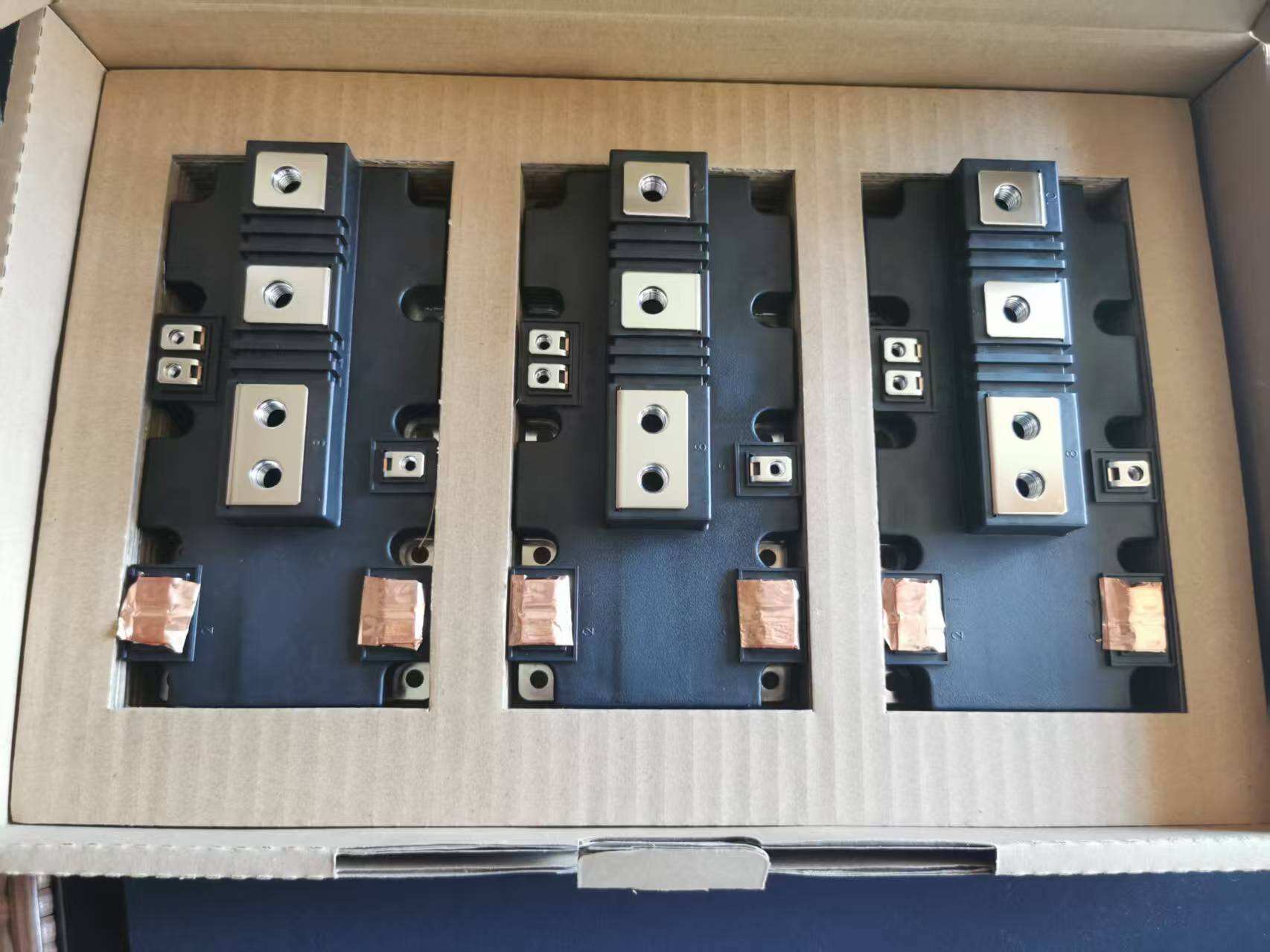
Selecting the right IGBT module for electric vehicle charging stations requires careful evaluation of power requirements, thermal characteristics, and operational parameters. The choice directly impacts charging efficiency, system reliability, and long-term operational costs. With EV charging infrastructure expanding rapidly, engineers must understand how IGBT module specifications align with specific charging station designs and performance requirements.
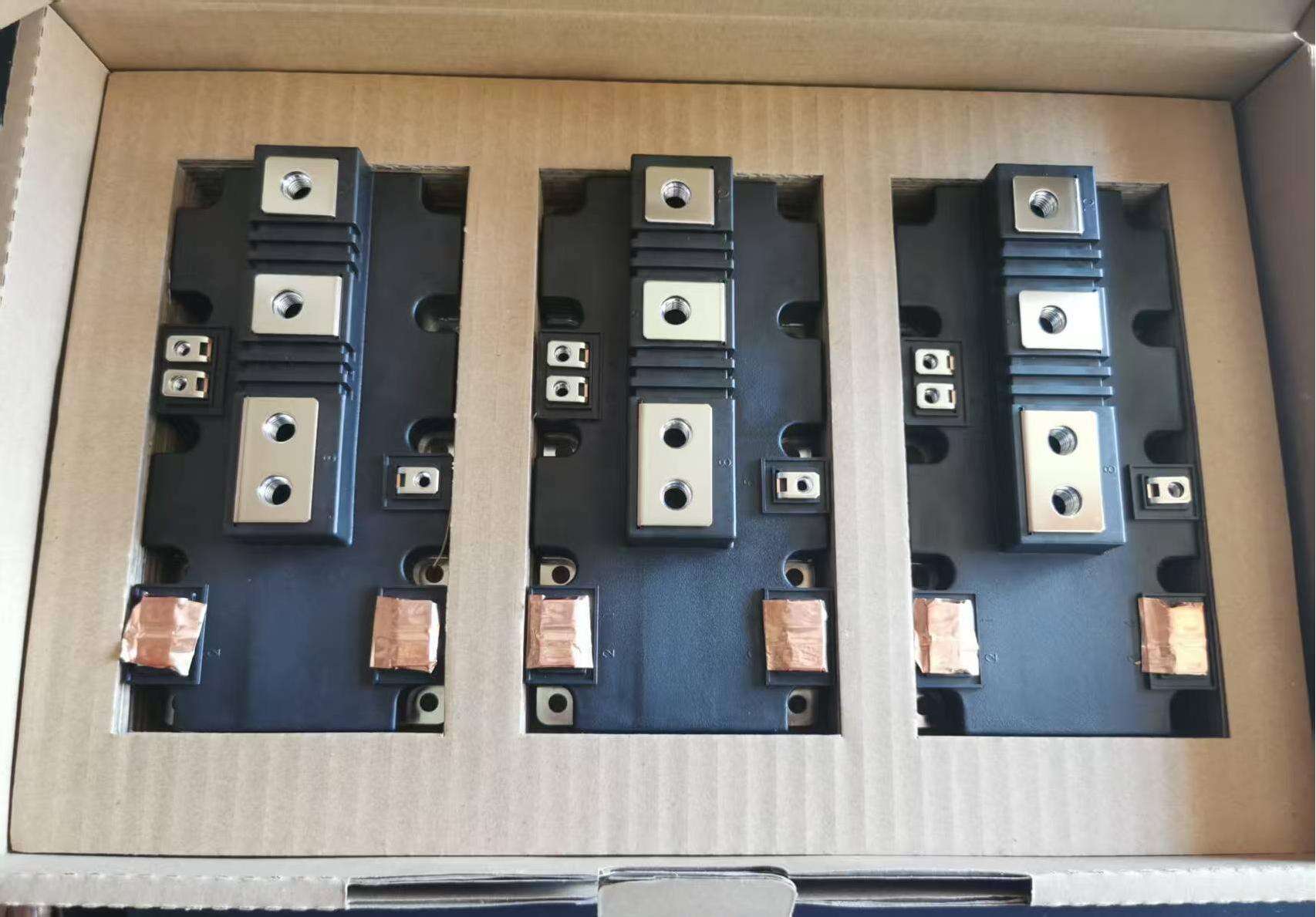
The selection process involves analyzing current and voltage ratings, switching frequency capabilities, and thermal management requirements. Different charging station configurations, from Level 2 residential chargers to high-power DC fast chargers, demand specific IGBT module characteristics. Understanding these requirements ensures optimal performance while minimizing component stress and maximizing system lifespan in demanding EV charging applications.
Power Rating Analysis for EV Charging Applications
Current Rating Determination
The current rating of an IGBT module must align with the maximum continuous current requirements of the charging station. For DC fast chargers operating at 150kW to 350kW, IGBT modules typically require current ratings between 400A to 1200A. The selected module should handle peak current conditions with appropriate safety margins, accounting for load variations and potential overload scenarios during charging cycles.
Current ratings must consider both RMS and peak current values during different charging phases. The IGBT module experiences varying current stress depending on the charging protocol and battery state of charge. Engineers should evaluate current ratings at operating temperatures, as thermal derating affects the usable current capacity of the module.
Safety margins typically range from 20% to 30% above the nominal operating current to ensure reliable operation under all conditions. The IGBT module selection should account for current sharing in parallel configurations and potential imbalances that may increase individual module stress.
Voltage Rating Considerations
Voltage ratings for IGBT modules in EV charging stations depend on the DC bus voltage and grid connection requirements. High-power charging stations often operate with DC bus voltages between 750V to 1500V, requiring IGBT modules with blocking voltages of 1200V to 3300V. The voltage rating must provide adequate margin above the maximum system voltage to prevent breakdown under transient conditions.
Grid connection voltage levels influence the required blocking voltage capability of the IGBT module. Medium-voltage grid connections require higher voltage ratings compared to low-voltage connections. The voltage rating selection must consider both normal operating conditions and abnormal voltage events such as grid faults or switching transients.
Avalanche energy capability becomes critical for voltage rating selection in EV charging applications. The IGBT module must withstand voltage spikes and switching transients without degradation. Engineers should evaluate the trade-off between voltage rating and other performance parameters such as conduction losses and switching speeds.
Thermal Management and Heat Dissipation Requirements
Junction Temperature Limits
Junction temperature management is crucial for IGBT module reliability in EV charging stations. Maximum junction temperatures typically range from 125°C to 175°C depending on the module technology and construction. Operating near maximum junction temperatures reduces module lifespan and increases failure rates, making thermal design critical for long-term reliability.
The IGBT module generates heat from both conduction and switching losses during operation. Conduction losses depend on the forward voltage drop and load current, while switching losses relate to switching frequency and current levels. The thermal design must accommodate worst-case power dissipation scenarios while maintaining junction temperatures within safe limits.
Thermal cycling in EV charging applications creates additional stress on IGBT modules. Temperature variations from load changes and ambient conditions cause thermal expansion and contraction, potentially leading to bond wire fatigue and solder joint degradation. The selected module should demonstrate robust thermal cycling performance for the expected operating profile.
Cooling System Integration
Cooling system design directly influences IGBT module selection for EV charging stations. Air-cooled systems require modules with lower power density and higher thermal resistance, while liquid-cooled systems enable higher power density designs. The thermal resistance from junction to case affects the cooling system requirements and overall system efficiency.
Baseplate materials and thermal interface design impact heat transfer efficiency from the IGBT module to the cooling system. Copper baseplates provide better thermal conductivity compared to aluminum, enabling higher power density applications. The thermal interface between module and heatsink requires careful consideration of thermal compounds and mounting pressure.
Cooling system redundancy may influence module selection for critical charging infrastructure. Multiple parallel IGBT modules can provide thermal load sharing and system redundancy. The thermal design must ensure balanced heat distribution among parallel modules while maintaining individual module temperatures within acceptable limits.
Switching Performance and EMI Considerations
Switching Speed Requirements
Switching speed characteristics of IGBT modules affect both efficiency and electromagnetic interference in EV charging stations. Faster switching reduces switching losses but increases electromagnetic emissions and voltage stress on system components. The optimal switching speed balances efficiency requirements with EMI compliance and system reliability considerations.
Turn-on and turn-off times of IGBT modules influence the achievable switching frequency and power conversion efficiency. Higher switching frequencies enable smaller magnetic components but increase switching losses in the IGBT module. The selection process must consider the trade-off between system size, efficiency, and thermal management requirements.
Gate driver compatibility is essential for achieving optimal switching performance from the selected IGBT module. The gate charge and input capacitance characteristics determine gate driver requirements and switching energy consumption. Proper gate driver selection ensures reliable switching operation while minimizing parasitic effects and electromagnetic interference.
EMI and Safety Standards
Electromagnetic compatibility requirements for EV charging stations influence IGBT module selection and circuit design. The switching characteristics and package design of the IGBT module affect radiated and conducted emissions. Modules with integrated gate drivers or optimized package designs may provide better EMI performance for sensitive applications.
Safety standards for EV charging equipment specify insulation requirements and creepage distances that affect IGBT module selection. The module package must provide adequate isolation between high-voltage circuits and control circuits. Safety certifications and compliance testing documentation support the module selection process for commercial charging station applications.
Short-circuit protection capability is critical for IGBT modules in EV charging applications. The module must withstand short-circuit conditions long enough for protective circuits to operate without catastrophic failure. Short-circuit safe operating area specifications help determine the suitability of different IGBT module options for specific protection schemes.
Cost Optimization and Reliability Factors
Lifecycle Cost Analysis
Total cost of ownership for IGBT modules in EV charging stations includes initial purchase price, installation costs, and long-term operational expenses. Higher-performance modules may command premium prices but deliver better efficiency and reliability, reducing operational costs over the system lifetime. The cost analysis should consider energy losses, maintenance requirements, and replacement costs.
Efficiency improvements from advanced IGBT module technologies can significantly impact operational costs in high-utilization charging stations. Lower conduction and switching losses reduce energy consumption and cooling requirements. The economic benefits of higher-efficiency modules often justify increased initial costs through reduced operational expenses and improved system performance.
Volume pricing and supplier relationships influence IGBT module selection for large-scale charging infrastructure deployments. Standardizing on specific module types and suppliers can provide cost advantages through volume discounts and simplified inventory management. The selection process should consider supplier stability and long-term availability of chosen module types.
Reliability and Maintenance Considerations
Reliability requirements for EV charging stations demand IGBT modules with proven track records and robust construction. Mission-critical applications require modules with low failure rates and predictable degradation characteristics. Qualification testing data and field experience provide valuable insights for reliability-based selection decisions.
Maintenance accessibility affects IGBT module selection for deployed charging stations. Modular designs that enable easy replacement and testing support efficient maintenance operations. The mechanical design and connection methods should facilitate service operations while maintaining system safety and performance.
Diagnostic capabilities built into IGBT modules or associated control circuits support predictive maintenance strategies. Health monitoring features can provide early warning of potential failures and enable proactive replacement before catastrophic events. These capabilities become increasingly important for autonomous charging infrastructure operations.
FAQ
What voltage rating should I choose for a 150kW DC fast charger?
For a 150kW DC fast charger, typically select an IGBT module with a voltage rating of 1200V to 1700V, depending on your DC bus voltage design. This provides adequate safety margin above typical 800V to 1000V DC bus voltages while accounting for grid transients and switching overvoltages.
How do I determine the current rating needed for parallel IGBT modules?
Calculate the total system current requirement and divide by the number of parallel modules, then add 20-30% safety margin per module. Account for current sharing imbalances and thermal derating at operating temperatures. For example, a 600A system with three parallel modules would require modules rated for at least 260A each.
What thermal resistance values are acceptable for air-cooled charging stations?
For air-cooled EV charging applications, select IGBT modules with junction-to-case thermal resistance below 0.1°C/W for high-power applications. Combined with appropriate heatsink design, this enables operation at reasonable junction temperatures while maintaining reliability in ambient temperatures up to 50°C.
How important is short-circuit withstand time for EV charging IGBT modules?
Short-circuit withstand time should be at least 10-20 microseconds to allow protective circuits sufficient time to detect and clear fault conditions. This capability is critical for system safety and prevents catastrophic failure modes that could damage other system components or create safety hazards.