
 EN
EN
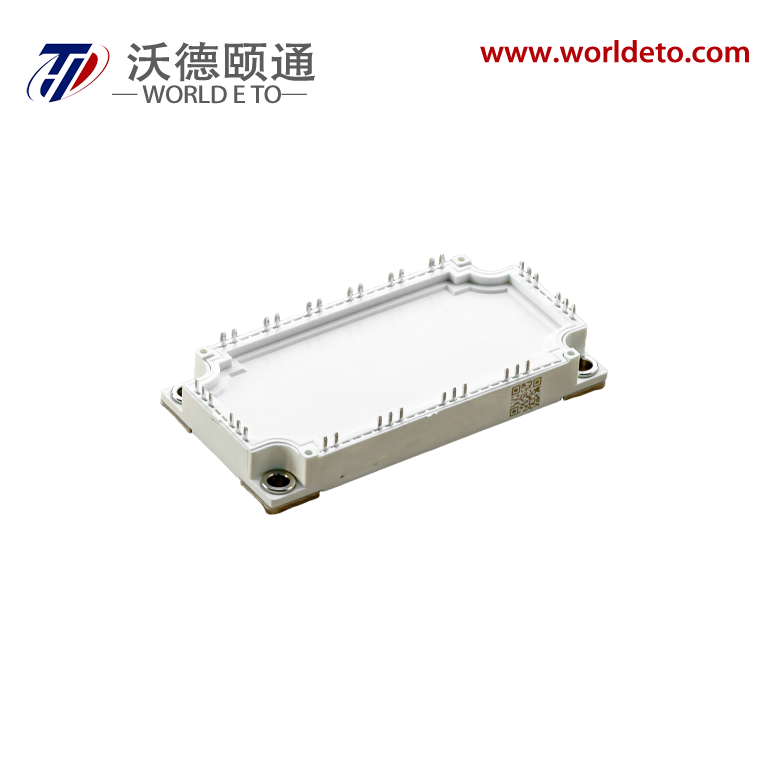
In modern power electronics, the SiC module has emerged as a critical component driving efficiency across industrial, automotive, and energy applications. Silicon carbide technology enables higher switching frequencies, elevated operating temperatures, and reduced conduction losses compared to traditional silicon-based devices. However, unlocking the full performance potential of every SiC module depends heavily on how well its thermal environment is managed. Without an effective thermal strategy, even the most advanced SiC module will suffer degraded performance, shortened lifespan, and potentially catastrophic failure.
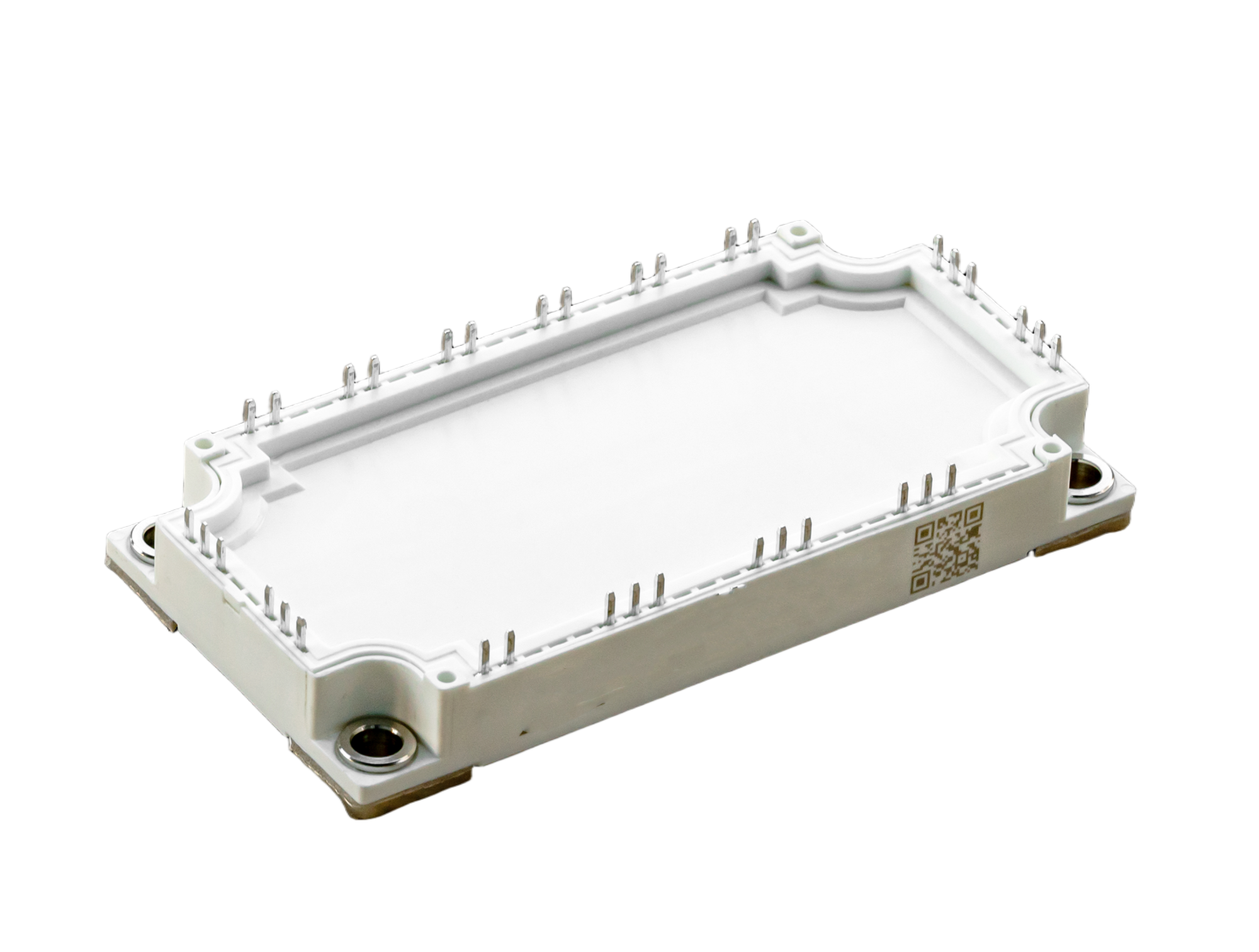
The thermal challenge for a SiC module is unique. Because a SiC module can operate at junction temperatures reaching 175 degrees Celsius or higher, it generates concentrated heat in a compact die area. This thermal density demands a carefully engineered management approach that goes beyond simply attaching a heatsink. Engineers designing systems around a SiC module must consider thermal resistance paths, interface materials, cooling architectures, and package-level integration to ensure that every SiC module performs at its rated capability throughout its service life.
Why Thermal Management Defines SiC Module Performance
The Relationship Between Heat and SiC Module Reliability
Every SiC module converts electrical power with high efficiency, but a portion of that energy is always lost as heat. The way this heat is extracted directly determines the reliability of the SiC module. Elevated junction temperatures accelerate aging mechanisms within the SiC module, including thermomechanical fatigue at solder layers and bond wire degradation. A well-managed SiC module maintains stable junction temperatures, ensuring that thermal cycling stress remains within the design envelope and that the SiC module delivers consistent performance over thousands of hours of operation.
Thermal resistance is the governing parameter in any SiC module cooling strategy. The total thermal resistance from the junction of the SiC module to the ambient environment determines the maximum allowable power dissipation. Reducing this resistance at every stage — from die attach within the SiC module to the external heatsink — directly increases the power density and operational headroom of the SiC module. Engineers who treat thermal resistance as a primary design variable achieve SiC module solutions that outperform systems where thermal design is an afterthought.
Thermal Cycling and SiC Module Longevity
A SiC module experiences repeated thermal cycles as loads fluctuate during normal operation. Each cycle imposes mechanical stress on the internal structure of the SiC module due to mismatches in the coefficients of thermal expansion between different materials. Over time, these stresses accumulate and can lead to delamination, cracking of the SiC module substrate, or failure of the bond interface. Proper thermal management that minimizes temperature swings within the SiC module is therefore not just a performance concern — it is a direct investment in the service life of the SiC module and the system it powers.
Key Thermal Management Approaches for SiC Module Systems
Thermal Interface Materials and SiC Module Packaging
The thermal interface material placed between the SiC module baseplate and the heatsink plays a pivotal role in overall thermal performance. A high-conductivity interface material reduces the contact resistance at this junction, allowing the SiC module to dissipate heat more efficiently. Phase change materials, graphite pads, and advanced thermal greases each offer distinct advantages depending on the mechanical constraints and assembly process of the SiC module installation. Selecting the right interface material ensures that the low intrinsic thermal resistance of the SiC module is not undermined by a poor external connection.
Package-level innovations also contribute significantly to SiC module thermal performance. Double-sided cooling configurations allow heat to be extracted from both the top and bottom surfaces of the SiC module, nearly doubling the effective cooling area. Direct bonded copper substrates within the SiC module improve lateral heat spreading before heat reaches the cooling surface. These packaging advances mean that the SiC module itself is increasingly designed with thermal management as an integral part of its architecture rather than a separate external consideration.
Liquid Cooling and Advanced Heatsink Design for SiC Modules
Liquid cooling is widely adopted in high-power SiC module applications, particularly in electric vehicle inverters and industrial drives. A liquid-cooled cold plate mounted directly beneath the SiC module dramatically reduces the thermal resistance compared to air-cooled alternatives, enabling the SiC module to operate at higher power levels within the same footprint. Pin-fin and micro-channel cold plate geometries are commonly chosen to maximize the surface area in contact with the coolant while maintaining low pressure drop across the SiC module cooling assembly.
Air cooling remains viable for lower-power SiC module designs where cost and system simplicity are priorities. Optimizing fin geometry, fan placement, and airflow path ensures that an air-cooled SiC module installation achieves the best possible thermal performance without liquid infrastructure. Whether liquid or air cooling is selected, the fundamental goal is the same: minimize the temperature rise across the SiC module to preserve efficiency and reliability under all operating conditions.
Integrating Thermal Design into SiC Module System Architecture
System-Level Thermal Simulation for SiC Module Layouts
Effective thermal management of a SiC module begins at the design stage, not after hardware is assembled. Thermal simulation tools allow engineers to model heat flow through the SiC module, its mounting structure, and the surrounding system. These simulations reveal hotspots, predict junction temperatures under peak load conditions, and guide placement decisions for each SiC module within a multi-device assembly. Early simulation reduces costly redesign iterations and ensures that the SiC module layout is thermally optimized before the first prototype is built.
System-level thermal design also considers the interaction between multiple SiC module devices in close proximity. In multi-phase inverter designs, adjacent SiC module positions can share thermal loads and influence each other's junction temperatures. Accounting for this thermal cross-coupling ensures that no single SiC module in the assembly operates beyond its rated temperature limit, maintaining balanced performance and reliability across the entire power stage.
Monitoring and Control Strategies for SiC Module Temperature
Real-time temperature monitoring adds an important layer of protection for every SiC module in operation. Integrating temperature sensors near the SiC module and incorporating thermal derating algorithms in the controller allows the system to reduce power output before the SiC module reaches critical temperatures. This adaptive approach protects the SiC module from unexpected thermal excursions caused by sudden load spikes, coolant flow interruptions, or ambient temperature changes, ensuring that the SiC module continues to operate safely under dynamic conditions.
FAQ
What is the ideal operating temperature range for a SiC module?
A SiC module is typically rated for junction temperatures up to 175 degrees Celsius, with some advanced SiC module designs supporting up to 200 degrees Celsius. However, operating the SiC module consistently near the maximum rating accelerates aging. Most system designers target a SiC module junction temperature well below the rated maximum to balance efficiency and long-term reliability.
How does thermal management affect the switching performance of a SiC module?
The on-state resistance of a SiC module increases with temperature, which means that a poorly cooled SiC module will exhibit higher conduction losses during operation. Maintaining a lower junction temperature through effective thermal management ensures that the SiC module retains its low on-resistance characteristic, preserving the efficiency advantage that makes the SiC module attractive compared to traditional silicon devices.
Can thermal paste alone provide sufficient cooling for a high-power SiC module?
Thermal paste reduces contact resistance between the SiC module and its heatsink but cannot compensate for an inadequate heatsink or cooling system design. For high-power SiC module applications, thermal paste is one element of a complete thermal solution that must also include a properly sized heatsink or cold plate, adequate airflow or coolant flow, and a mounting arrangement that ensures consistent contact pressure across the SiC module baseplate.