Series Voltage Reference: Precision Voltage Regulation Solutions for Critical Applications

All Categories
Get a Quote

Get a Free Quote

Our representative will contact you soon.
Email
Name
Company Name
Message
0/1000

series voltage reference

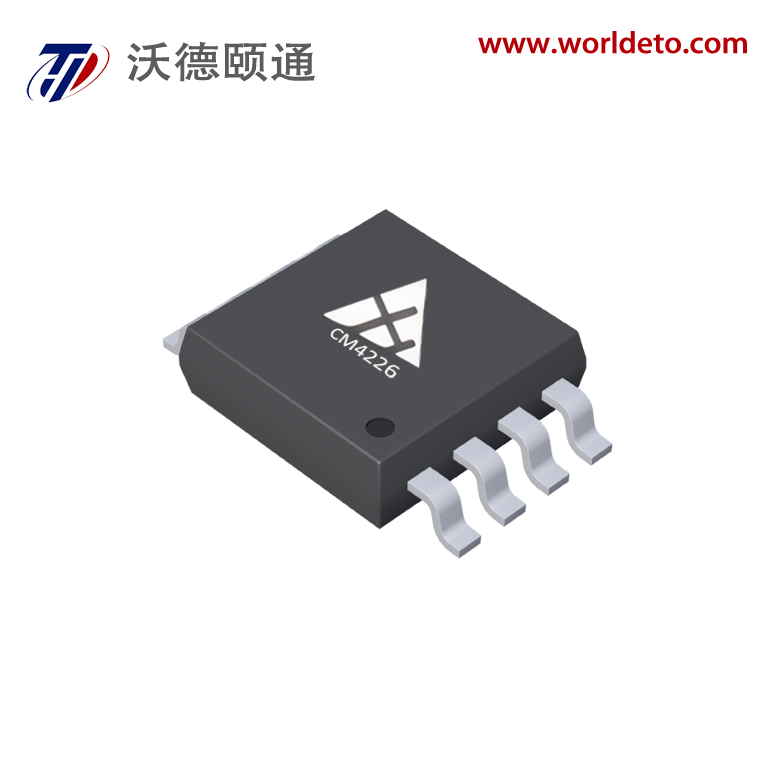
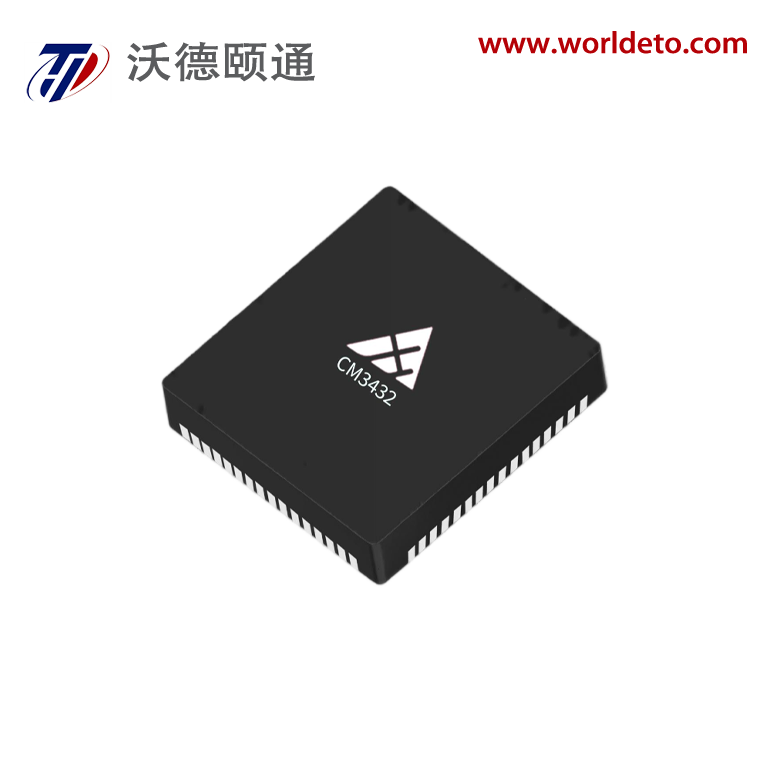
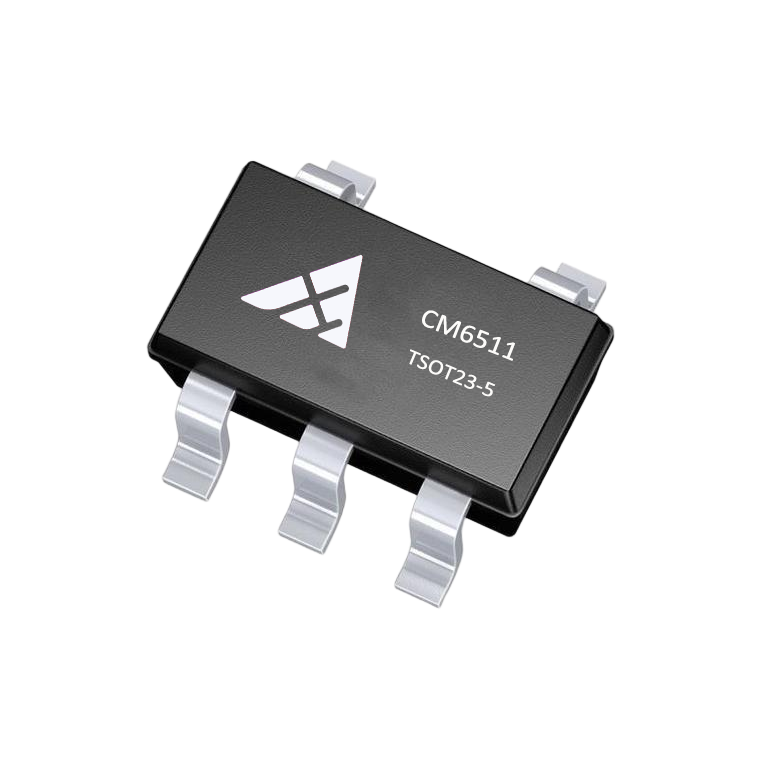
The series voltage reference stands as a fundamental electronic component that delivers precise and stable voltage output across diverse operating conditions. This critical circuit element functions as a benchmark for voltage regulation systems, providing consistent reference points that ensure optimal performance in electronic devices. The series voltage reference operates by maintaining a predetermined voltage level regardless of variations in input supply, load conditions, or environmental factors such as temperature fluctuations. At its core, the series voltage reference utilizes advanced semiconductor technology to establish a fixed voltage standard that remains constant throughout the operational lifetime of the device. The primary function revolves around creating an unwavering voltage baseline that other circuit components can rely upon for accurate measurements and control operations. Modern series voltage reference designs incorporate sophisticated feedback mechanisms and temperature compensation circuits to minimize drift and enhance long-term stability. The technological features of these components include low temperature coefficients, minimal noise characteristics, and exceptional line regulation capabilities. These references typically employ bandgap voltage reference techniques or Zener diode configurations to achieve their stable output characteristics. The applications for series voltage reference span numerous industries and electronic systems. They serve crucial roles in analog-to-digital converters, precision measurement instruments, power management circuits, and calibration equipment. In automotive electronics, these references ensure accurate sensor readings and reliable control system operations. Industrial automation systems depend on series voltage reference components for maintaining consistent performance in harsh operating environments. Medical devices utilize these references to guarantee precise measurements that can impact patient safety and diagnostic accuracy. Telecommunications infrastructure relies on series voltage reference technology to maintain signal integrity and system reliability. The integration of series voltage reference components has become essential in modern electronic design, where precision and reliability cannot be compromised.

Popular Products

The series voltage reference offers numerous compelling advantages that make it an indispensable component for engineers and system designers seeking reliable voltage regulation solutions. First and foremost, these references provide exceptional accuracy that remains consistent over extended periods, ensuring that critical systems maintain their calibrated performance without frequent adjustments or recalibration procedures. This reliability translates directly into reduced maintenance costs and improved operational efficiency for end users. The superior temperature stability of modern series voltage reference designs means that equipment continues to function accurately across wide temperature ranges, from harsh industrial environments to sensitive laboratory conditions. This temperature independence eliminates the need for complex compensation circuits and reduces overall system complexity. Another significant advantage lies in the low noise characteristics inherent in quality series voltage reference implementations. This clean voltage output prevents signal contamination that could compromise measurement accuracy or introduce unwanted artifacts in sensitive circuits. The excellent line regulation properties ensure that fluctuations in input supply voltage do not propagate through to the reference output, maintaining consistent performance even when power quality varies. The series voltage reference also demonstrates remarkable load regulation capabilities, maintaining stable output voltage regardless of current draw variations from connected circuits. This characteristic proves invaluable in applications where load conditions change dynamically during operation. Cost-effectiveness represents another major benefit, as these components eliminate the need for more complex voltage regulation schemes while providing superior performance compared to simpler alternatives. The long-term stability of series voltage reference technology reduces replacement frequency and associated downtime costs. Manufacturing consistency ensures that design engineers can rely on predictable performance characteristics across production batches, simplifying quality control processes and reducing testing requirements. The compact form factor of modern series voltage reference packages allows for space-efficient designs without sacrificing performance. Energy efficiency benefits emerge from the optimized power consumption characteristics, contributing to overall system power budgets and thermal management requirements. These references also offer excellent power supply rejection ratios, filtering out unwanted variations that could affect system performance.

Practical Tips

How to Choose a Precision DAC: A Guide to Critical Specs and Top Domestic Models

24

Nov

How to Choose a Precision DAC: A Guide to Critical Specs and Top Domestic Models

In today's rapidly evolving electronics landscape, selecting the right precision DAC has become increasingly critical for engineers developing high-performance systems. A precision DAC serves as the crucial bridge between digital control systems and ...
View More
Selecting the Right High-Performance In-Amp for Precision Measurement Systems

24

Nov

Selecting the Right High-Performance In-Amp for Precision Measurement Systems

Precision measurement systems form the backbone of modern industrial applications, from aerospace instrumentation to medical device calibration. At the heart of these systems lies a critical component that determines measurement accuracy and signal i...
View More
Achieving Peak Performance: How High-Speed ADCs and Precision Amplifiers Work Together

07

Jan

Achieving Peak Performance: How High-Speed ADCs and Precision Amplifiers Work Together

In today's rapidly evolving electronics landscape, the demand for precise and rapid signal processing continues to grow exponentially. From telecommunications infrastructure to advanced measurement systems, engineers are constantly seeking solutions ...
View More
Domestic High-Precision Linear Regulators and Instrumentation Amplifiers: Low-Power Design for Replacing Imported Chips

02

Feb

Domestic High-Precision Linear Regulators and Instrumentation Amplifiers: Low-Power Design for Replacing Imported Chips

The semiconductor industry has witnessed a significant shift toward domestically manufactured components, particularly in the realm of precision analog circuits. Domestic high-precision linear regulators have emerged as crucial components for enginee...
View More

Get a Free Quote

Our representative will contact you soon.
Email
Name
Company Name
Message
0/1000

series voltage reference

Precision Temperature Compensation Technology

Precision Temperature Compensation Technology

The advanced temperature compensation technology integrated within modern series voltage reference designs represents a breakthrough in voltage stability engineering. This sophisticated feature addresses one of the most challenging aspects of electronic component performance: maintaining consistent output characteristics across varying thermal conditions. Traditional voltage references suffer from significant drift when exposed to temperature changes, leading to measurement errors and system instability. However, contemporary series voltage reference implementations employ intelligent compensation algorithms and specialized circuit topologies that actively counteract temperature-induced variations. The compensation mechanism typically utilizes carefully matched semiconductor junctions that exhibit complementary temperature coefficients, effectively canceling out thermal effects through precise engineering. This technology ensures that the series voltage reference maintains its specified accuracy within tight tolerances, typically achieving temperature coefficients as low as a few parts per million per degree Celsius. The practical benefits for customers include dramatically reduced calibration requirements, improved measurement reliability in field conditions, and enhanced system performance consistency regardless of operating environment. Industrial applications particularly benefit from this feature, as equipment often operates in environments with significant temperature variations throughout daily cycles or seasonal changes. Medical devices requiring precise measurements for patient safety rely heavily on this temperature stability to ensure accurate diagnostic readings. Telecommunications infrastructure depends on this consistency to maintain signal integrity across varying environmental conditions. The implementation of this technology eliminates the need for external temperature compensation circuits, reducing system complexity and associated costs while improving overall reliability. This advancement has enabled the deployment of precision electronic systems in previously challenging environments where temperature variations would have compromised accuracy.
Ultra-Low Noise Signal Processing

Ultra-Low Noise Signal Processing

The ultra-low noise characteristics of premium series voltage reference components deliver exceptional signal purity that proves critical for high-precision applications demanding the cleanest possible voltage references. This advanced feature results from sophisticated circuit design techniques that minimize internal noise generation while maximizing rejection of external interference sources. The noise reduction technology employed in these references typically combines multiple approaches including careful component selection, optimized circuit layouts, and specialized filtering techniques that work together to achieve noise floors measured in nanovolts per square root hertz. This remarkable performance level enables the series voltage reference to serve as an ideal foundation for precision measurement systems where even minute voltage fluctuations can compromise accuracy. The practical implications for customers extend far beyond simple specifications, translating into measurably improved system performance in real-world applications. High-resolution analog-to-digital converters benefit enormously from these clean reference signals, achieving their full precision potential without noise-induced quantization errors. Scientific instrumentation relies on this noise performance to detect and measure extremely small signals that would otherwise be masked by reference noise. Audio equipment manufacturers utilize these low-noise characteristics to achieve exceptional dynamic range and signal-to-noise ratios in high-end applications. The series voltage reference noise performance also enables more effective system calibration procedures, as measurement uncertainty decreases significantly when reference noise contributions become negligible. Laboratory equipment requiring sub-ppm accuracy depends on this noise performance to achieve reliable, repeatable measurements. The economic benefits include reduced need for additional filtering circuitry, simplified system designs, and improved first-pass design success rates. This technology advancement has opened new possibilities for portable precision instruments where space and power constraints previously limited performance capabilities, enabling field measurements that approach laboratory-grade accuracy.
Extended Operating Lifespan Reliability

Extended Operating Lifespan Reliability

The exceptional longevity and reliability characteristics of modern series voltage reference technology provide customers with sustained performance benefits that significantly reduce total cost of ownership over extended operational periods. This reliability stems from advanced semiconductor processing techniques, rigorous quality control procedures, and robust design methodologies that address common failure modes before they impact system performance. The extended operating lifespan typically exceeds 100,000 hours of continuous operation while maintaining specified accuracy tolerances, representing a substantial improvement over earlier reference technologies. This remarkable durability results from careful attention to component stress factors, including voltage derating, thermal management, and protection against transient events that could otherwise compromise long-term stability. The reliability engineering approach incorporates extensive accelerated life testing procedures that simulate years of operation under accelerated conditions, ensuring that the series voltage reference will perform consistently throughout its intended service life. Customers benefit directly from this reliability through reduced maintenance schedules, minimized system downtime, and lower replacement costs compared to less robust alternatives. Critical infrastructure applications particularly value this longevity, as unexpected failures can result in significant operational disruptions and associated costs. Medical equipment manufacturers rely on this reliability to ensure patient safety and regulatory compliance throughout extended service intervals. Industrial automation systems benefit from the predictable performance that enables scheduled maintenance rather than reactive repairs. The series voltage reference reliability also simplifies inventory management for maintenance organizations, as replacement frequency becomes highly predictable based on statistical analysis rather than unpredictable failure patterns. This reliability extends to harsh operating environments where traditional references might degrade rapidly, enabling deployment in challenging conditions such as automotive, aerospace, and outdoor infrastructure applications. The consistent performance over time also maintains calibration accuracy longer, reducing the frequency and cost of recalibration procedures while ensuring measurement traceability standards are met throughout the component lifecycle.


Get a Free Quote

Our representative will contact you soon.
Email
Name
Company Name
Message
0/1000