High-Precision IC Voltage Reference Solutions - Superior Stability & Performance

All Categories
Get a Quote

Get a Free Quote

Our representative will contact you soon.
Email
Name
Company Name
Message
0/1000

ic voltage reference

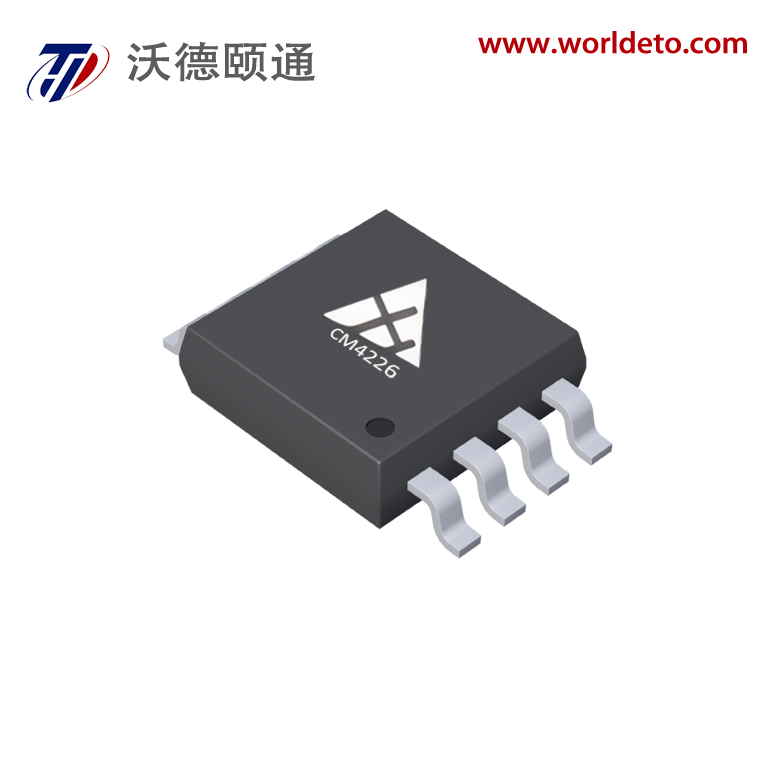
An ic voltage reference represents a fundamental semiconductor component that delivers precise, stable voltage output across varying operational conditions. This integrated circuit serves as the cornerstone for maintaining consistent electrical performance in countless electronic systems, from simple consumer devices to complex industrial equipment. The primary function of an ic voltage reference centers on generating a predetermined voltage level that remains constant despite fluctuations in temperature, supply voltage, and load conditions. Modern ic voltage reference designs incorporate sophisticated circuitry that compensates for environmental variations, ensuring reliable operation across extended temperature ranges. These components typically feature low temperature coefficients, excellent long-term stability, and minimal output voltage drift over time. The technological foundation of ic voltage reference units relies on bandgap reference techniques, which exploit the predictable characteristics of silicon junction physics to create stable voltage outputs. Advanced manufacturing processes enable the integration of multiple compensation mechanisms within a single chip, resulting in superior performance compared to discrete component alternatives. Key specifications include initial accuracy, temperature coefficient, line regulation, load regulation, and noise characteristics. The ic voltage reference finds widespread application in analog-to-digital converters, where precise reference voltages ensure accurate signal conversion. Power management systems utilize these components to establish stable voltage rails for sensitive circuits. Instrumentation and measurement equipment depends heavily on ic voltage reference technology to maintain calibration accuracy. Medical devices, automotive electronics, and aerospace systems all incorporate these critical components to achieve reliable operation under demanding conditions. The compact form factor and integrated design of ic voltage reference units simplify PCB layout while reducing component count and assembly costs. Multiple output voltage options accommodate diverse system requirements, with common values ranging from 1.2V to 10V. The evolution of ic voltage reference technology continues to push boundaries in terms of precision, stability, and power efficiency.


Popular Products

The ic voltage reference offers numerous practical benefits that directly impact system performance and design efficiency. First, these components provide exceptional accuracy that eliminates the need for frequent calibration in precision applications. Users experience reduced maintenance costs and improved system reliability when incorporating high-quality ic voltage reference designs into their circuits. The integrated nature of these devices simplifies procurement and inventory management compared to discrete reference solutions requiring multiple components. Design engineers appreciate the space-saving characteristics of ic voltage reference packages, which free up valuable PCB real estate for other critical functions. The superior temperature stability of modern ic voltage reference technology ensures consistent performance across automotive temperature ranges from -40°C to +125°C, making these components ideal for harsh environment applications. Power consumption represents another significant advantage, as contemporary ic voltage reference designs operate at microamp current levels, extending battery life in portable devices. The low dropout voltage capability of many ic voltage reference products enables efficient operation even when supply voltages approach the reference output level. Users benefit from reduced electromagnetic interference due to the integrated design and optimized layout of ic voltage reference circuits. The wide supply voltage range tolerance of these components provides flexibility in system design while maintaining output accuracy. Manufacturing consistency ensures that ic voltage reference units deliver predictable performance across production lots, reducing qualification time and testing requirements. The inherent noise filtering capabilities of integrated ic voltage reference designs improve signal-to-noise ratios in sensitive analog circuits. Long-term stability characteristics minimize system drift over operational lifetimes, reducing warranty costs and customer complaints. The availability of multiple package options, including surface-mount and through-hole variants, accommodates diverse assembly requirements. Users enjoy simplified testing procedures because ic voltage reference components arrive pre-trimmed and calibrated from the factory. The cost-effectiveness of ic voltage reference solutions becomes apparent when considering the total system cost, including reduced component count, simplified assembly processes, and improved yield rates. These components also offer excellent load regulation, maintaining stable output voltages even when driving varying loads, which enhances overall system performance.

Practical Tips

Selecting the Right High-Performance In-Amp for Precision Measurement Systems

24

Nov

Selecting the Right High-Performance In-Amp for Precision Measurement Systems

Precision measurement systems form the backbone of modern industrial applications, from aerospace instrumentation to medical device calibration. At the heart of these systems lies a critical component that determines measurement accuracy and signal i...
View More
Achieving Peak Performance: How High-Speed ADCs and Precision Amplifiers Work Together

07

Jan

Achieving Peak Performance: How High-Speed ADCs and Precision Amplifiers Work Together

In today's rapidly evolving electronics landscape, the demand for precise and rapid signal processing continues to grow exponentially. From telecommunications infrastructure to advanced measurement systems, engineers are constantly seeking solutions ...
View More
High-Speed vs. High-Precision: How to Select the Ideal ADC for Your Signal Chain

03

Feb

High-Speed vs. High-Precision: How to Select the Ideal ADC for Your Signal Chain

Analog-to-digital converters represent one of the most critical components in modern electronic systems, bridging the gap between the analog world and digital processing capabilities. The process of ADC selection requires careful consideration of mul...
View More
High-Performance Instrumentation Amplifiers: Minimizing Noise in Low-Level Signal Gain

03

Feb

High-Performance Instrumentation Amplifiers: Minimizing Noise in Low-Level Signal Gain

Modern industrial applications demand exceptional precision when handling low-level signals, making instrumentation amplifiers a cornerstone technology in measurement and control systems. These specialized amplifiers provide high gain while maintaini...
View More

Get a Free Quote

Our representative will contact you soon.
Email
Name
Company Name
Message
0/1000

ic voltage reference

Unmatched Precision and Stability Performance

Unmatched Precision and Stability Performance

The ic voltage reference delivers industry-leading precision that sets new standards for voltage reference applications across diverse markets. This exceptional accuracy stems from advanced bandgap reference architectures combined with proprietary trimming techniques during manufacturing. The typical initial accuracy of premium ic voltage reference products reaches ±0.02%, surpassing the performance of traditional discrete solutions by significant margins. This precision translates directly into improved measurement accuracy for instrumentation applications, enhanced analog-to-digital conversion performance, and more reliable system calibration procedures. The temperature coefficient performance of modern ic voltage reference designs achieves remarkably low values, often below 5 ppm/°C across commercial temperature ranges. This outstanding temperature stability ensures that reference voltage remains virtually constant whether the device operates in arctic conditions or desert environments. Users benefit from this stability through reduced calibration frequency, improved measurement repeatability, and enhanced system reliability over extended operational periods. The long-term stability characteristics of ic voltage reference technology provide additional value through minimal voltage drift over months and years of continuous operation. Independent testing demonstrates that high-quality ic voltage reference units maintain their initial accuracy specifications for decades under normal operating conditions. This longevity reduces lifecycle costs and eliminates the need for frequent system recalibration. The precision performance extends to line regulation characteristics, where output voltage remains stable despite supply voltage variations. This feature proves particularly valuable in automotive and industrial applications where supply voltage fluctuations are common. Load regulation performance similarly maintains tight output voltage control even when driving varying loads, ensuring consistent reference voltage delivery to downstream circuits. The low noise characteristics of ic voltage reference designs contribute to overall system precision by minimizing voltage fluctuations that could affect sensitive analog circuits. Spectral noise density typically measures below 10 µV/√Hz at 1 kHz, providing clean reference signals for high-resolution applications.
Superior Integration and Design Flexibility

Superior Integration and Design Flexibility

The ic voltage reference exemplifies the benefits of integrated circuit technology through its comprehensive feature set and exceptional design flexibility. Unlike discrete voltage reference solutions that require external components and complex PCB layouts, the ic voltage reference incorporates all necessary circuitry within a single, compact package. This integration eliminates the need for external compensation networks, reducing component count and simplifying design processes. Engineers appreciate the space-saving benefits that enable more compact product designs while maintaining or improving performance specifications. The integrated architecture of ic voltage reference designs includes built-in thermal compensation, overcurrent protection, and reverse voltage protection, features that would require additional components in discrete implementations. The flexibility of modern ic voltage reference products extends to multiple output voltage options within single product families, allowing designers to select optimal reference levels for specific applications. Common output voltages include 1.25V, 2.5V, 3.3V, 5.0V, and 10.0V variants, accommodating diverse system requirements with standardized components. Package options further enhance design flexibility, with surface-mount packages suitable for high-density designs and through-hole variants for prototype development and specialized applications. The wide supply voltage range capability of ic voltage reference products provides additional design freedom, typically operating from supply voltages ranging from the reference output level plus 0.5V to 36V or higher. This flexibility eliminates the need for dedicated reference supply generation in many applications. The enable pin functionality available on many ic voltage reference models allows for power management control, enabling systems to disable the reference during low-power modes to extend battery life. The high output drive capability of integrated ic voltage reference designs eliminates the need for external buffer amplifiers in many applications, further reducing system complexity and cost. Some advanced ic voltage reference products include multiple outputs or programmable output levels, providing even greater design flexibility for complex systems requiring multiple reference voltages.
Enhanced Reliability and Cost-Effectiveness

Enhanced Reliability and Cost-Effectiveness

The ic voltage reference represents a paradigm shift in reliability and cost-effectiveness compared to traditional voltage reference approaches. The integrated manufacturing process ensures consistent quality control and reduces the potential failure points associated with discrete component implementations. This inherent reliability stems from the elimination of solder joints, component matching requirements, and parasitic effects that plague discrete designs. The robust construction of ic voltage reference packages provides excellent resistance to mechanical stress, thermal cycling, and humidity exposure, critical factors for automotive and industrial applications. Extensive qualification testing validates the reliability of ic voltage reference products under extreme conditions, including extended temperature cycling, mechanical shock, and accelerated aging procedures. These comprehensive testing protocols ensure that components meet stringent automotive and aerospace reliability standards. The cost-effectiveness of ic voltage reference solutions becomes evident through total system cost analysis, considering not only component pricing but also assembly costs, testing requirements, and field reliability. The reduced component count achieved through ic voltage reference integration translates into lower inventory costs, simplified supply chain management, and reduced assembly time. Manufacturing efficiency improves because automated placement equipment handles single ic voltage reference components instead of multiple discrete parts, reducing assembly errors and improving production yields. The pre-calibrated nature of ic voltage reference products eliminates factory trimming requirements, reducing production time and testing costs. Field reliability statistics demonstrate significantly lower failure rates for ic voltage reference implementations compared to discrete alternatives, resulting in reduced warranty costs and improved customer satisfaction. The standardized pinout configurations of ic voltage reference product families simplify PCB design and enable easy design updates or performance upgrades without major layout changes. The availability of automotive-qualified and industrial-grade ic voltage reference variants ensures appropriate reliability levels for demanding applications. The extended operational temperature ranges supported by industrial ic voltage reference products eliminate the need for thermal management in many applications, further reducing system costs. Power efficiency improvements achieved through modern ic voltage reference designs contribute to overall system cost reduction through lower power consumption and reduced cooling requirements.

Get a Free Quote

Our representative will contact you soon.
Email
Name
Company Name
Message
0/1000