Programmable Voltage Reference Solutions: Precision, Flexibility, and Advanced Control for Modern Electronics

All Categories
Get a Quote

Get a Free Quote

Our representative will contact you soon.
Email
Name
Company Name
Message
0/1000

programmable voltage reference

A programmable voltage reference represents a sophisticated electronic component that generates precise, adjustable output voltages for various circuit applications. This advanced semiconductor device combines the stability of traditional voltage references with the flexibility of programmable control, enabling engineers to dynamically adjust reference voltages according to specific system requirements. The programmable voltage reference operates by utilizing internal digital-to-analog converters (DACs) and precision voltage regulation circuitry to produce stable, low-noise output signals that serve as benchmarks for other circuit components. These devices typically offer multiple output voltage ranges, allowing users to select appropriate reference levels through digital interfaces such as SPI, I2C, or parallel communication protocols. The technological foundation of programmable voltage reference systems relies on advanced CMOS manufacturing processes that ensure exceptional temperature stability, low drift characteristics, and minimal power consumption. Modern implementations incorporate sophisticated calibration algorithms and trimming techniques that maintain accuracy across wide operating temperature ranges and supply voltage variations. The programmable nature of these references enables real-time voltage adjustments without requiring physical component changes, significantly reducing design complexity and manufacturing costs. Key technological features include high resolution programming capabilities, typically ranging from 8-bit to 16-bit precision, allowing fine-tuned voltage control for demanding applications. Advanced programmable voltage reference designs often integrate multiple output channels, enabling simultaneous control of different reference levels within a single package. These components find extensive applications in precision instrumentation, data acquisition systems, analog-to-digital converters, power management circuits, and calibration equipment. The ability to store voltage settings in non-volatile memory ensures consistent performance across power cycles, while built-in protection mechanisms safeguard against overvoltage conditions and thermal stress. Modern programmable voltage reference solutions support wide supply voltage ranges and offer excellent load regulation characteristics, making them suitable for battery-powered and portable applications where power efficiency remains critical.


New Product Releases

The programmable voltage reference delivers exceptional flexibility that transforms how engineers approach voltage regulation challenges in modern electronic systems. Unlike fixed voltage references that require physical component replacement for different voltage levels, programmable solutions enable instant voltage adjustments through simple digital commands. This capability eliminates the need for multiple discrete components and reduces board space requirements significantly. Engineers can modify reference voltages during development phases without redesigning PCB layouts or sourcing different components, accelerating product development cycles and reducing time-to-market pressures. The cost-effectiveness of programmable voltage reference technology becomes apparent when considering reduced inventory requirements and simplified manufacturing processes. Companies can standardize on single programmable components instead of stocking multiple fixed-voltage variants, streamlining procurement and reducing component obsolescence risks. Manufacturing benefits include simplified assembly processes and reduced testing complexity, as single components can accommodate multiple product variants. The precision offered by programmable voltage reference systems surpasses traditional solutions through advanced calibration capabilities and digital trimming techniques. These devices maintain accuracy levels within tight tolerance bands, typically ±0.1% or better, ensuring consistent performance across temperature variations and aging effects. Built-in temperature compensation mechanisms automatically adjust output voltages to counteract thermal drift, maintaining stable references without external compensation circuits. Power efficiency represents another significant advantage, as modern programmable voltage reference designs consume minimal quiescent current while delivering excellent load regulation. Low-power sleep modes extend battery life in portable applications, while fast wake-up times ensure responsive system operation. The integration capabilities of programmable voltage reference solutions reduce external component requirements by incorporating features like output buffers, voltage dividers, and protection circuits within single packages. Digital interfaces enable seamless integration with microcontrollers and digital signal processors, facilitating automated calibration routines and dynamic voltage scaling operations. Reliability improvements result from reduced component count and elimination of mechanical adjustments, while built-in diagnostic features enable proactive maintenance and fault detection. The scalability of programmable voltage reference systems supports both simple single-channel applications and complex multi-channel configurations, providing growth paths for evolving product requirements.

Latest News

How to Choose a Precision DAC: A Guide to Critical Specs and Top Domestic Models

24

Nov

How to Choose a Precision DAC: A Guide to Critical Specs and Top Domestic Models

In today's rapidly evolving electronics landscape, selecting the right precision DAC has become increasingly critical for engineers developing high-performance systems. A precision DAC serves as the crucial bridge between digital control systems and ...
View More
Is Your ADC/DAC Underperforming? The Culprit Could Be Your Voltage Reference

24

Nov

Is Your ADC/DAC Underperforming? The Culprit Could Be Your Voltage Reference

In the realm of precision analog-to-digital and digital-to-analog conversion, engineers often focus on the specifications of the ADC or DAC itself while overlooking a critical component that can make or break system performance. The voltage reference...
View More
Accuracy, Drift, and Noise: The Key Specifications of Precision Voltage References

24

Nov

Accuracy, Drift, and Noise: The Key Specifications of Precision Voltage References

In the world of electronic circuit design and measurement systems, precision voltage references serve as the cornerstone for achieving accurate and reliable performance. These critical components provide stable reference voltages that enable precise ...
View More
Low-Power, High-Precision: How Domestic Linear Regulators and Voltage References Enable Import Substitution

02

Feb

Low-Power, High-Precision: How Domestic Linear Regulators and Voltage References Enable Import Substitution

The global semiconductor supply chain disruptions of recent years have highlighted the critical importance of developing robust domestic manufacturing capabilities. As industries worldwide grapple with component shortages and geopolitical tensions, t...
View More

Get a Free Quote

Our representative will contact you soon.
Email
Name
Company Name
Message
0/1000

programmable voltage reference

Dynamic Voltage Control with Precision Programming

Dynamic Voltage Control with Precision Programming

The dynamic voltage control capability of programmable voltage reference systems represents a revolutionary advancement in precision electronics, offering engineers unprecedented flexibility in managing reference voltages across diverse applications. This sophisticated feature enables real-time voltage adjustments through digital interfaces, eliminating the constraints of fixed-voltage components that have traditionally limited design flexibility. The programmable voltage reference achieves this through high-resolution digital-to-analog conversion technology, typically offering 12-bit to 16-bit programming resolution that translates to thousands of discrete voltage levels within the operating range. This fine-grained control allows engineers to precisely set reference voltages to match specific circuit requirements, optimize system performance, and accommodate component tolerances without hardware modifications. The programming interface supports standard communication protocols including SPI, I2C, and parallel interfaces, ensuring seamless integration with existing microcontroller and digital signal processing systems. Advanced programmable voltage reference designs incorporate non-volatile memory storage that preserves voltage settings across power cycles, maintaining consistent operation without requiring reprogramming after system resets. The precision programming capability extends beyond simple voltage setting to include sophisticated features like voltage ramping, where output voltages can transition smoothly between levels at controlled rates to prevent system disturbances. This controlled transition capability proves invaluable in power sequencing applications and sensitive analog circuits that require gradual voltage changes. Temperature compensation algorithms built into programmable voltage reference systems automatically adjust output voltages to maintain accuracy across wide temperature ranges, typically achieving temperature coefficients below 10ppm per degree Celsius. The dynamic control features enable automated calibration routines that can compensate for component aging and environmental variations, ensuring long-term stability and accuracy. Multi-channel programmable voltage reference solutions provide independent control of multiple output channels, allowing complex systems to manage different reference levels simultaneously while maintaining isolation between channels. The programming flexibility extends to advanced features like voltage monitoring, where the programmable voltage reference can report actual output voltages back to control systems for verification and feedback control loops.
Superior Accuracy and Stability Performance

Superior Accuracy and Stability Performance

The superior accuracy and stability performance of programmable voltage reference technology sets new standards for precision voltage generation in demanding electronic applications. These advanced components achieve exceptional initial accuracy specifications, typically within ±0.05% to ±0.1% of programmed values, surpassing the performance of traditional fixed voltage references while maintaining programmable flexibility. The stability characteristics of programmable voltage reference systems result from sophisticated circuit design techniques that minimize drift over time and temperature variations. Advanced semiconductor manufacturing processes enable tight matching of internal components and precise laser trimming during production, ensuring consistent performance across device populations. The temperature stability of modern programmable voltage reference designs achieves remarkable performance through integrated compensation circuits that continuously monitor die temperature and adjust internal parameters to maintain constant output voltages. These compensation mechanisms typically achieve temperature coefficients below 5ppm per degree Celsius across the full operating temperature range, ensuring stable operation in harsh environmental conditions. Long-term stability specifications demonstrate the reliability of programmable voltage reference technology, with drift rates typically below 25ppm per 1000 hours of operation, making these components suitable for precision instrumentation and metrology applications. The noise performance of programmable voltage reference systems incorporates sophisticated filtering and regulation techniques that minimize both low-frequency and high-frequency noise components. Advanced designs achieve RMS noise levels below 10μV in the 0.1Hz to 10Hz bandwidth, ensuring clean reference signals for high-resolution analog-to-digital converters and sensitive measurement circuits. Power supply rejection characteristics exceed 80dB, providing excellent immunity to supply voltage variations and switching noise from digital circuits. The load regulation performance maintains output accuracy even with varying load conditions, typically achieving regulation better than 0.01%/mA for load current changes. Aging characteristics benefit from stable semiconductor processes and conservative design margins that minimize parameter shifts over extended operating periods. The accuracy performance extends across wide supply voltage ranges, maintaining specifications from minimum to maximum supply voltages without degradation. Built-in calibration capabilities enable periodic accuracy verification and adjustment, ensuring continued precision throughout the product lifecycle while supporting traceability requirements for critical applications.
Versatile Integration and Application Flexibility

Versatile Integration and Application Flexibility

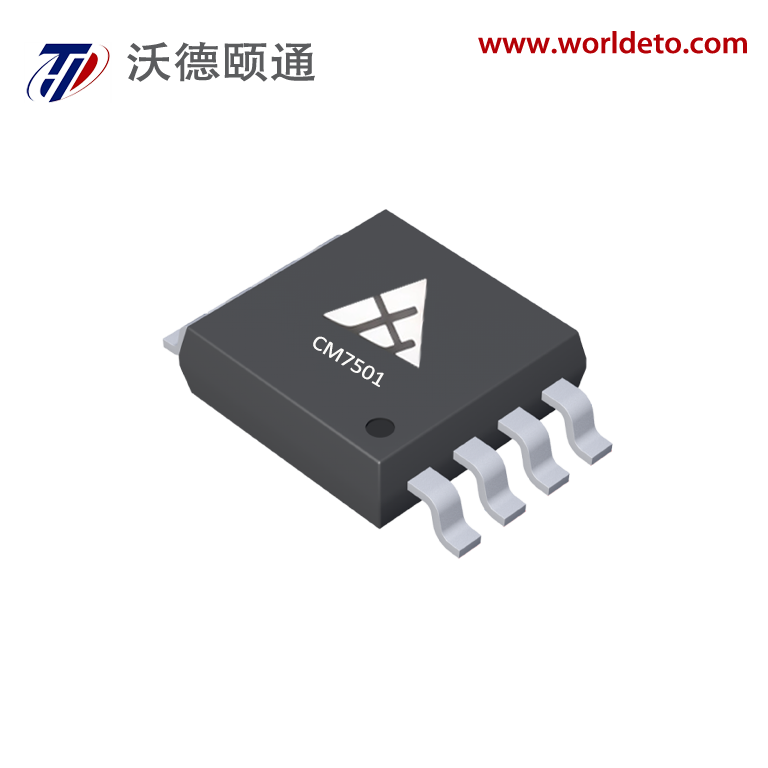
The versatile integration capabilities and application flexibility of programmable voltage reference systems make them invaluable components for modern electronic design, offering engineers solutions that adapt to diverse system requirements and evolving specifications. This adaptability stems from comprehensive interface options that support multiple communication protocols, enabling seamless integration with various microcontroller architectures and digital control systems. The programmable voltage reference technology accommodates different supply voltage requirements, typically operating from 2.7V to 5.5V single supplies, making these components suitable for both legacy 5V systems and modern low-voltage designs. Package options range from compact SOT-23 configurations for space-constrained applications to larger packages that provide multiple channels and enhanced thermal performance. The application flexibility extends to support for various output voltage ranges, with many programmable voltage reference devices offering selectable spans such as 0V to 2.5V, 0V to 4.096V, or bipolar ranges that accommodate both positive and negative reference requirements. Multi-channel configurations enable complex systems to generate multiple reference voltages simultaneously, supporting applications like multi-slope analog-to-digital converters, precision instrumentation with multiple measurement ranges, and power management systems with diverse voltage rails. The integration advantages include built-in output buffers that provide low impedance sources capable of driving significant loads without affecting accuracy, eliminating the need for external buffer amplifiers in many applications. Protection features integrated within programmable voltage reference systems include thermal shutdown, overvoltage protection, and ESD protection that safeguard both the reference device and connected circuitry. The flexibility extends to power management capabilities, with programmable voltage reference designs offering various power-down modes that reduce current consumption to microampere levels while maintaining memory contents and enabling rapid wake-up times. Calibration flexibility allows these devices to be trimmed and adjusted during manufacturing or field service, supporting applications that require periodic recalibration or adaptation to changing system requirements. The programmable nature enables dynamic voltage scaling applications where reference levels adjust automatically based on operating conditions, power supply voltages, or performance requirements. Development and prototyping benefit significantly from programmable voltage reference flexibility, as engineers can evaluate different voltage levels and system configurations without hardware changes, accelerating design optimization and reducing development costs while maintaining production-ready solutions.

Get a Free Quote

Our representative will contact you soon.
Email
Name
Company Name
Message
0/1000