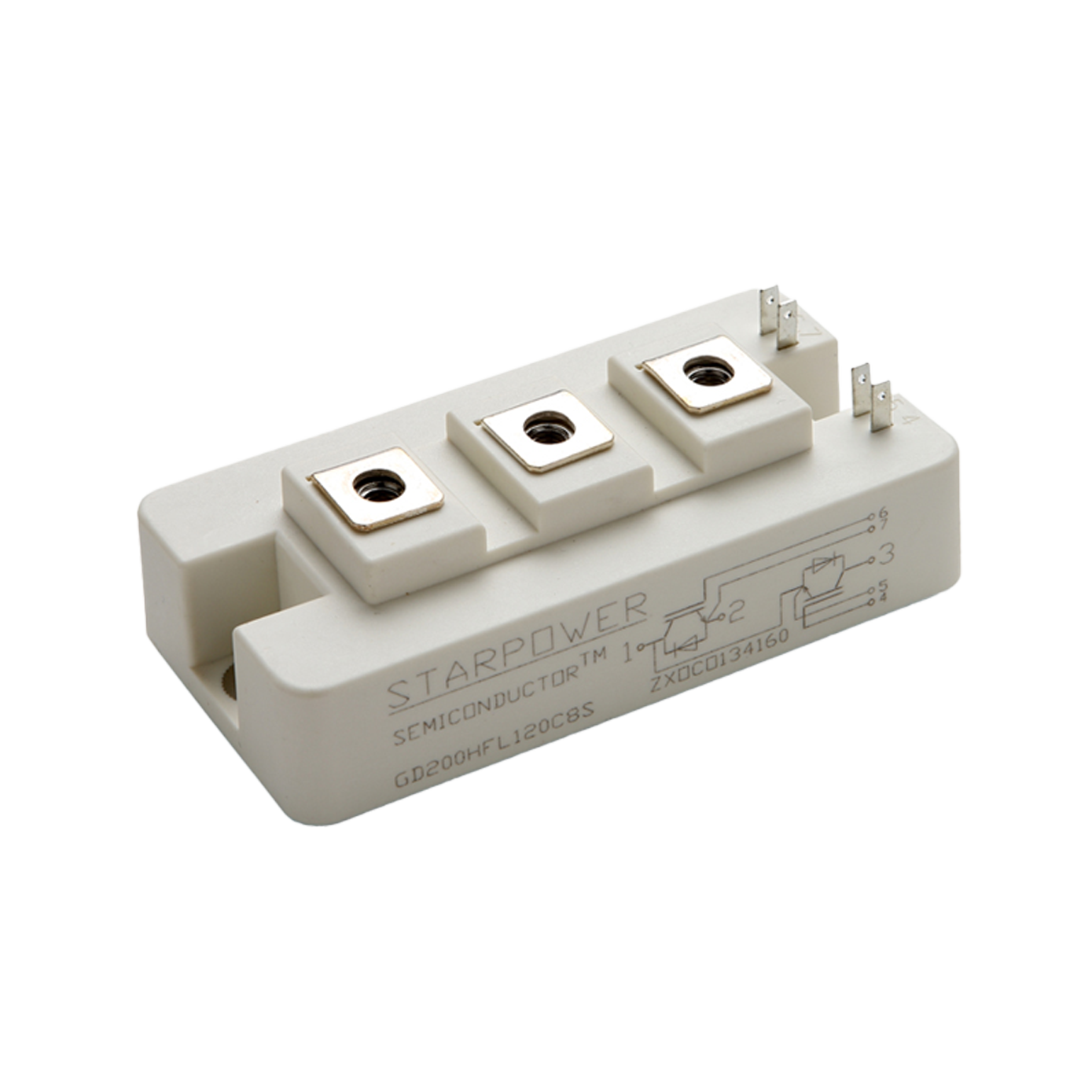
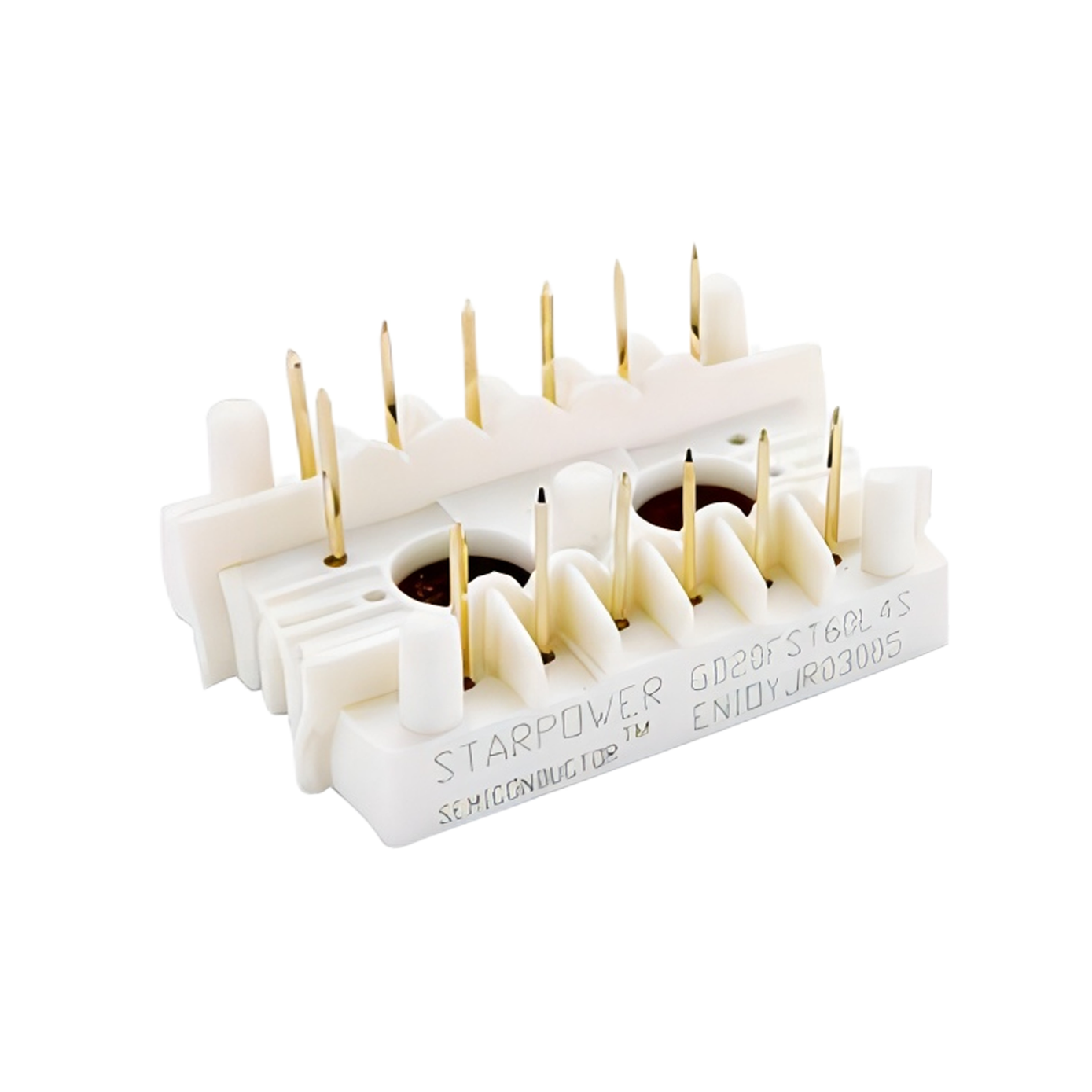
High-Performance Rectifier Die Solutions | Superior Power Conversion Technology

All Categories
Get a Quote

Get a Free Quote

Our representative will contact you soon.
Email
Name
Company Name
Message
0/1000

rectifier die

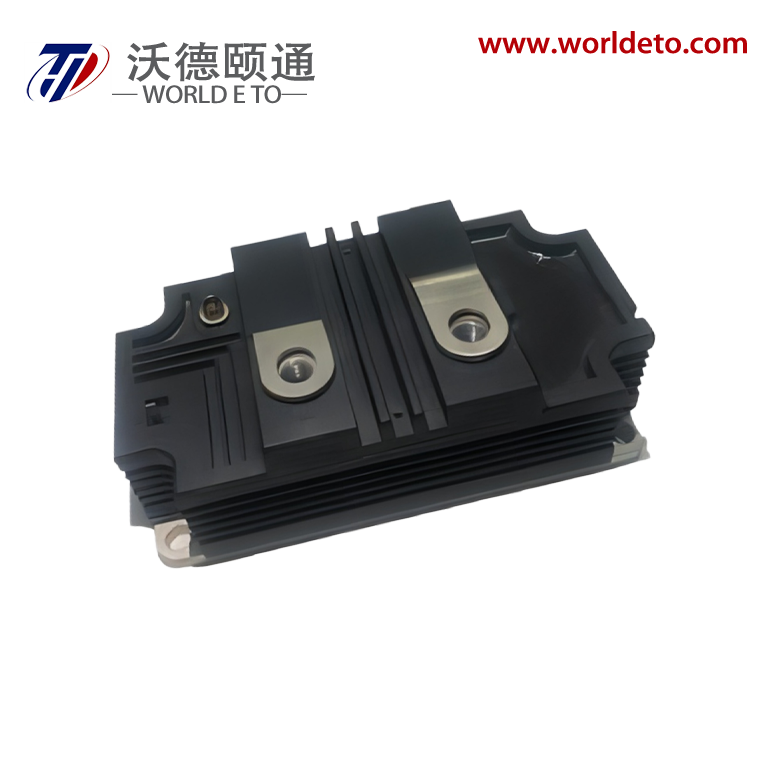
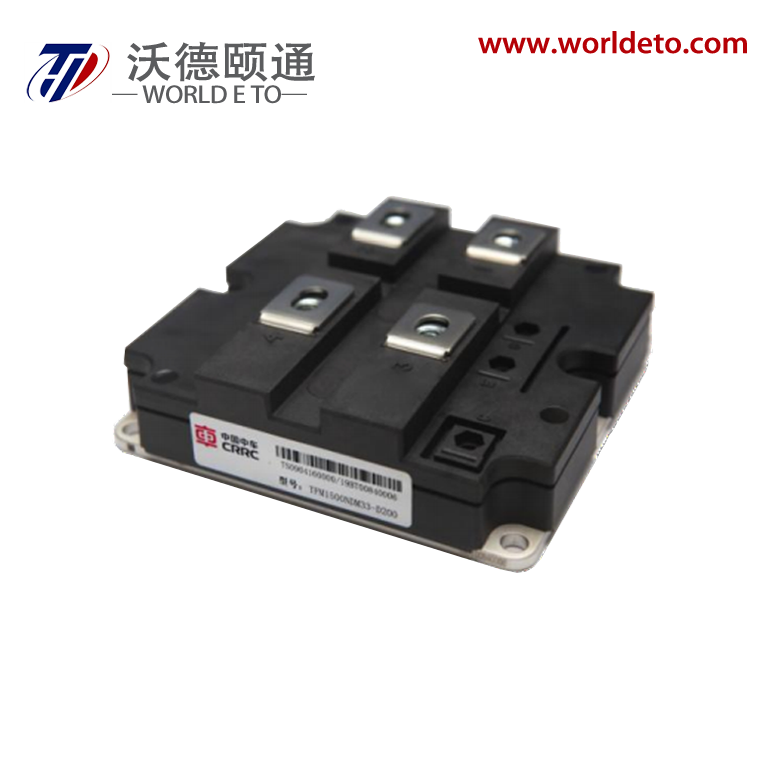
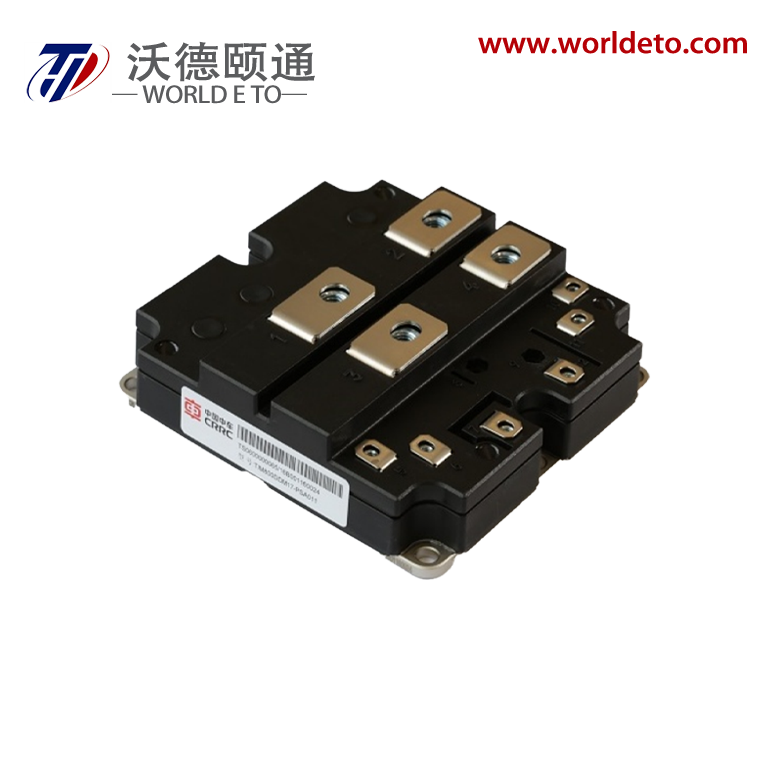
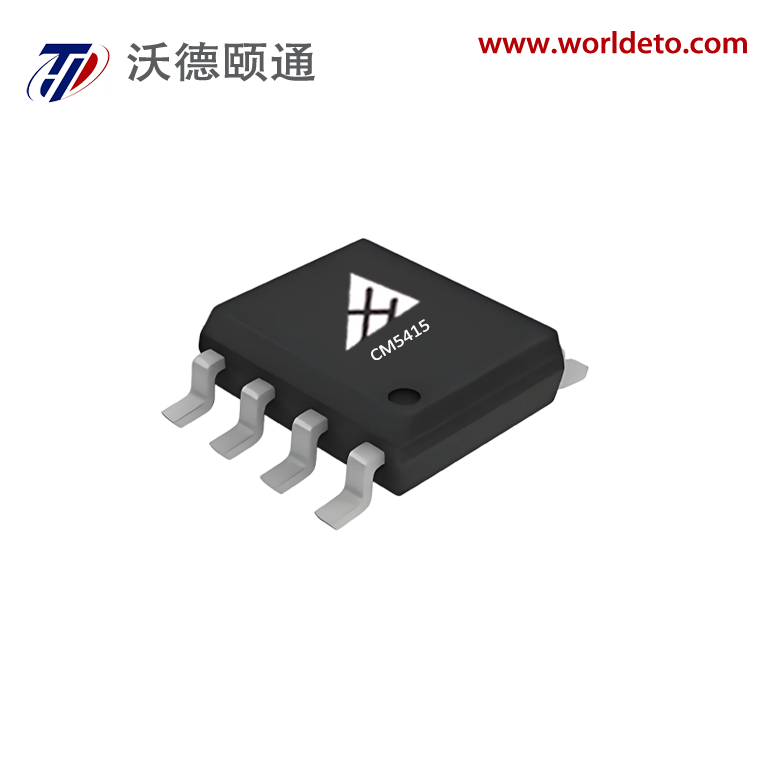
A rectifier die represents a fundamental semiconductor component engineered to convert alternating current into direct current through precise electronic processes. This compact yet powerful device serves as the cornerstone of modern power conversion systems, enabling efficient energy transformation across countless electronic applications. The rectifier die operates by allowing electrical current to flow in only one direction, effectively blocking reverse current flow and maintaining consistent output voltage levels. Manufacturing involves sophisticated silicon wafer processing techniques, where multiple layers of doped semiconductor materials create the essential p-n junction structures. These junctions form the basis of the rectification process, generating the unidirectional current flow characteristic that defines rectifier die functionality. Advanced fabrication methods ensure optimal crystal structure integrity, minimizing resistance losses and maximizing thermal performance capabilities. The rectifier die design incorporates carefully calibrated voltage ratings, current handling capacities, and switching speeds to meet diverse operational requirements. Temperature tolerance features enable reliable performance across extreme environmental conditions, while compact form factors facilitate integration into space-constrained electronic systems. Quality control measures during production guarantee consistent electrical characteristics and extended operational lifespans. The rectifier die utilizes proven semiconductor physics principles, leveraging the inherent properties of doped silicon materials to achieve predictable and stable current conversion. Surface passivation techniques protect the active junction areas from environmental contamination, ensuring long-term reliability and performance stability. Wire bonding connections provide secure electrical interfaces between the die and external circuitry, enabling seamless integration into larger electronic assemblies. Testing protocols verify electrical parameters, thermal characteristics, and mechanical robustness before final product release, ensuring each rectifier die meets stringent industry standards and customer expectations.

New Product Recommendations

Rectifier die technology delivers exceptional energy efficiency compared to traditional power conversion methods, reducing overall system power consumption and operating costs for end users. The superior efficiency stems from minimized forward voltage drops and reduced switching losses, translating directly into lower energy bills and extended battery life in portable applications. Modern rectifier die designs achieve efficiency ratings exceeding 95 percent, significantly outperforming older rectification technologies while generating less waste heat during operation. This enhanced efficiency reduces cooling requirements, simplifying thermal management systems and lowering overall system complexity and costs. Compact size represents another significant advantage, as rectifier die components occupy minimal circuit board space while delivering substantial power handling capabilities. The small footprint enables designers to create more compact electronic products without sacrificing performance or reliability, meeting consumer demands for smaller, lighter devices. Exceptional durability ensures long-term operational reliability, with properly designed rectifier die units capable of operating continuously for decades under normal conditions. Robust construction withstands mechanical stress, temperature fluctuations, and electrical transients that might damage less sophisticated components. Fast switching speeds enable rapid response to changing electrical conditions, improving overall system responsiveness and performance in dynamic applications. Quick switching characteristics reduce electromagnetic interference generation, simplifying compliance with regulatory emission standards and reducing filtering requirements. Cost-effectiveness makes rectifier die technology accessible across diverse market segments, from consumer electronics to industrial equipment applications. Mass production techniques and mature manufacturing processes keep unit costs low while maintaining consistent quality standards. Versatile voltage and current ratings accommodate a wide range of application requirements, from low-power consumer devices to high-power industrial systems. This flexibility reduces inventory complexity for manufacturers and distributors while providing optimal solutions for specific customer needs. Thermal stability ensures reliable operation across extreme temperature ranges, from sub-zero conditions to high-temperature industrial environments. Advanced packaging techniques protect the sensitive semiconductor materials while providing efficient heat dissipation pathways. Low maintenance requirements minimize ongoing operational costs and system downtime, as rectifier die components typically require no periodic servicing or replacement during their extended operational lifetimes.

Tips And Tricks

Accuracy, Drift, and Noise: The Key Specifications of Precision Voltage References

24

Nov

Accuracy, Drift, and Noise: The Key Specifications of Precision Voltage References

In the world of electronic circuit design and measurement systems, precision voltage references serve as the cornerstone for achieving accurate and reliable performance. These critical components provide stable reference voltages that enable precise ...
View More
Low-Power Design Secrets: Utilizing Precision LDOs and Voltage References for Extended Battery Life

07

Jan

Low-Power Design Secrets: Utilizing Precision LDOs and Voltage References for Extended Battery Life

Modern electronic systems demand increasingly sophisticated power management strategies to achieve extended battery life while maintaining optimal performance. The integration of precision LDOs and voltage references has become a cornerstone of effic...
View More
Speed Meets Accuracy: Selecting High-Speed Data Converters for Demanding Applications

07

Jan

Speed Meets Accuracy: Selecting High-Speed Data Converters for Demanding Applications

In today's rapidly evolving industrial landscape, the demand for high-speed data converters has reached unprecedented levels. These critical components serve as the bridge between analog and digital domains, enabling sophisticated control systems to ...
View More
High-Speed vs. High-Precision: How to Select the Ideal ADC for Your Signal Chain

03

Feb

High-Speed vs. High-Precision: How to Select the Ideal ADC for Your Signal Chain

Analog-to-digital converters represent one of the most critical components in modern electronic systems, bridging the gap between the analog world and digital processing capabilities. The process of ADC selection requires careful consideration of mul...
View More

Get a Free Quote

Our representative will contact you soon.
Email
Name
Company Name
Message
0/1000

rectifier die

Superior Current Handling Capacity

Superior Current Handling Capacity

The rectifier die excels in managing substantial electrical currents while maintaining stable performance characteristics across diverse operating conditions. This exceptional current handling capability stems from advanced semiconductor junction design and optimized thermal management features integrated directly into the die structure. Engineers have developed sophisticated doping profiles that create uniform current distribution across the entire active area, preventing localized heating and ensuring consistent performance even under maximum load conditions. The rectifier die construction incorporates multiple parallel current paths, effectively distributing electrical stress and preventing single-point failures that could compromise system reliability. Advanced metallization layers provide low-resistance connections between the semiconductor material and external terminals, minimizing power losses and heat generation during high-current operation. Temperature-resistant materials and construction techniques enable the rectifier die to maintain stable electrical characteristics even when handling peak current loads that would damage conventional components. Surge current protection features allow the rectifier die to withstand temporary overcurrent conditions without permanent damage, providing valuable system protection during fault conditions or startup transients. The current handling design includes considerations for both continuous and pulsed current applications, ensuring optimal performance across different operational scenarios. Thermal coupling between the die and package enables efficient heat removal, preventing temperature-induced performance degradation during extended high-current operation. Quality control testing verifies current handling capabilities under extreme conditions, ensuring each rectifier die meets specified performance standards throughout its operational lifetime. This superior current handling capacity translates directly into improved system reliability, reduced component count requirements, and enhanced overall performance for customers implementing rectifier die technology in their applications.
Ultra-Fast Recovery Time

Ultra-Fast Recovery Time

Modern rectifier die technology features remarkably fast recovery characteristics that significantly enhance switching performance and system efficiency in demanding applications. The ultra-fast recovery time results from carefully engineered charge carrier lifetime control techniques and optimized junction geometry that minimizes stored charge accumulation during forward conduction periods. Advanced manufacturing processes create precise doping profiles that enable rapid charge extraction when the rectifier die transitions from conducting to blocking states. This rapid switching capability reduces reverse recovery current amplitude and duration, minimizing power losses and electromagnetic interference generation during high-frequency operation. The rectifier die incorporates specialized lifetime control techniques, including platinum diffusion and electron irradiation, to optimize charge carrier recombination rates without compromising forward voltage characteristics. Fast recovery performance enables operation at switching frequencies exceeding several hundred kilohertz while maintaining excellent efficiency ratings and thermal stability. The reduced recovery time directly translates into smaller filter component requirements, as faster switching reduces ripple current amplitude and enables higher operating frequencies in power conversion systems. System designers benefit from simplified circuit topologies and reduced component counts when implementing ultra-fast recovery rectifier die technology. Electromagnetic compatibility improvements result from the reduced di/dt characteristics during switching transitions, minimizing radiated and conducted emissions that require expensive filtering solutions. The fast recovery capability enables implementation in resonant converter topologies and other advanced circuit designs that demand precise switching timing and minimal switching losses. Temperature stability of the recovery characteristics ensures consistent performance across varying operating conditions, preventing performance degradation in extreme environments. Comprehensive testing protocols verify recovery time specifications under various load conditions, ensuring reliable performance throughout the operational temperature range and expected lifetime of the rectifier die component.
Enhanced Thermal Performance

Enhanced Thermal Performance

The rectifier die demonstrates exceptional thermal management capabilities through innovative design features and advanced materials engineering that optimize heat dissipation and temperature stability. Superior thermal performance originates from carefully designed die geometry that maximizes surface area contact with thermal interface materials while minimizing thermal resistance pathways. Advanced substrate materials with high thermal conductivity coefficients facilitate rapid heat transfer from the active junction areas to external heat sinking surfaces, preventing localized temperature buildup that could degrade performance or reduce component lifetime. The rectifier die incorporates optimized metallization patterns that not only provide electrical connectivity but also serve as integrated heat spreading elements, distributing thermal energy across larger areas for more effective cooling. Thermal interface design considerations include surface roughness optimization and contact pressure specifications that ensure maximum heat transfer efficiency between the die and package components. Junction temperature monitoring capabilities enable real-time thermal management in critical applications, providing feedback for dynamic thermal control systems that maintain optimal operating conditions. The enhanced thermal performance enables higher power density operation compared to conventional rectifier technologies, allowing system designers to achieve greater functionality in smaller form factors. Thermal cycling resistance ensures reliable operation through repeated temperature variations without mechanical stress-induced failures or electrical parameter drift. Advanced packaging techniques incorporate thermal vias and heat spreading plates that create efficient thermal conduction paths from the rectifier die to external cooling systems. Temperature coefficient optimization maintains stable electrical characteristics across wide temperature ranges, ensuring predictable performance regardless of environmental conditions. The thermal design includes considerations for both steady-state and transient thermal conditions, providing robust performance during sudden load changes or thermal shock events that might occur in real-world applications.

Get a Free Quote

Our representative will contact you soon.
Email
Name
Company Name
Message
0/1000