High-Performance Linear Amplifiers - Superior Signal Processing Solutions for Professional Applications

All Categories
Get a Quote

Get a Free Quote

Our representative will contact you soon.
Email
Name
Company Name
Message
0/1000

linear amplifiers

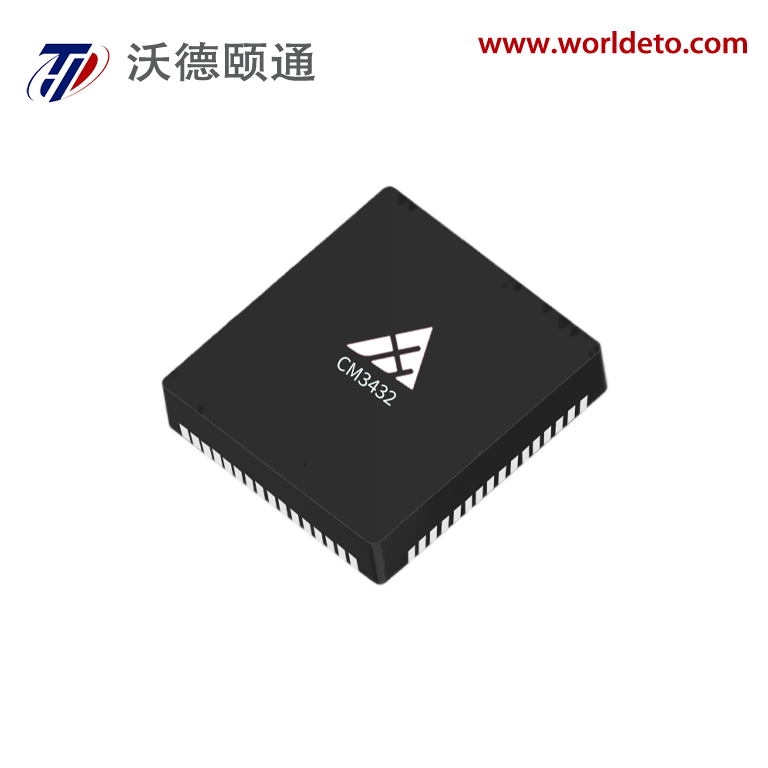
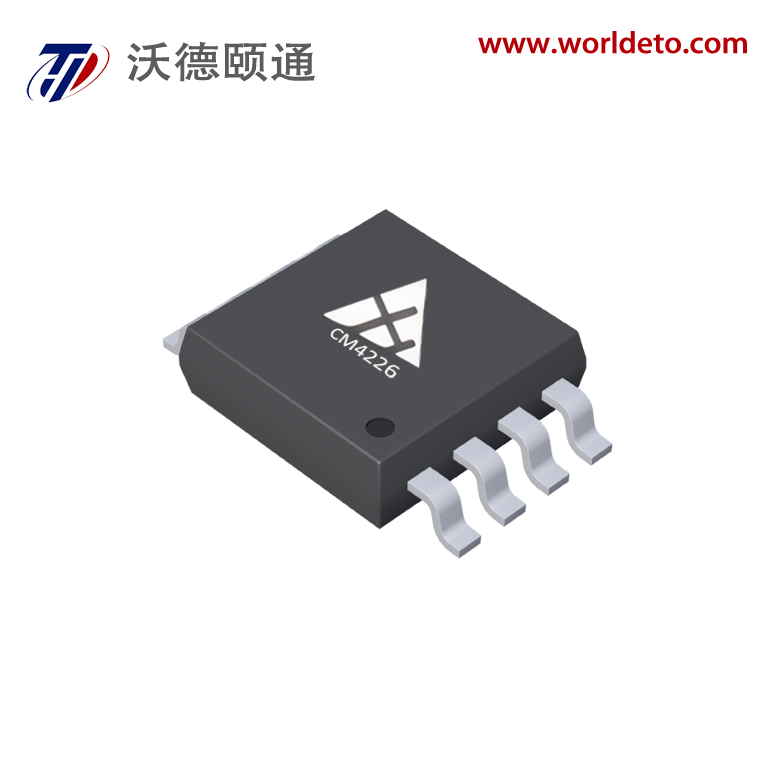
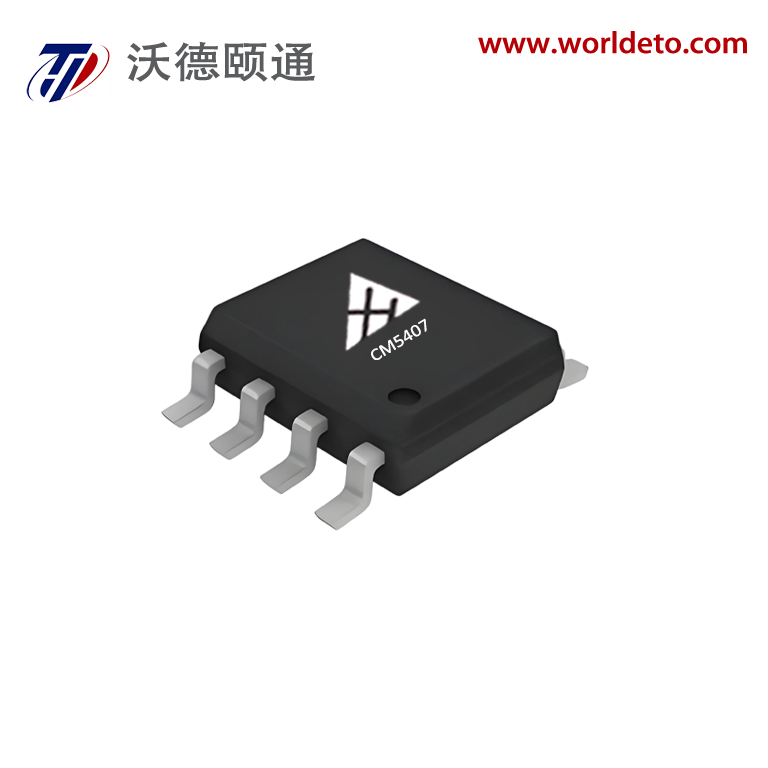
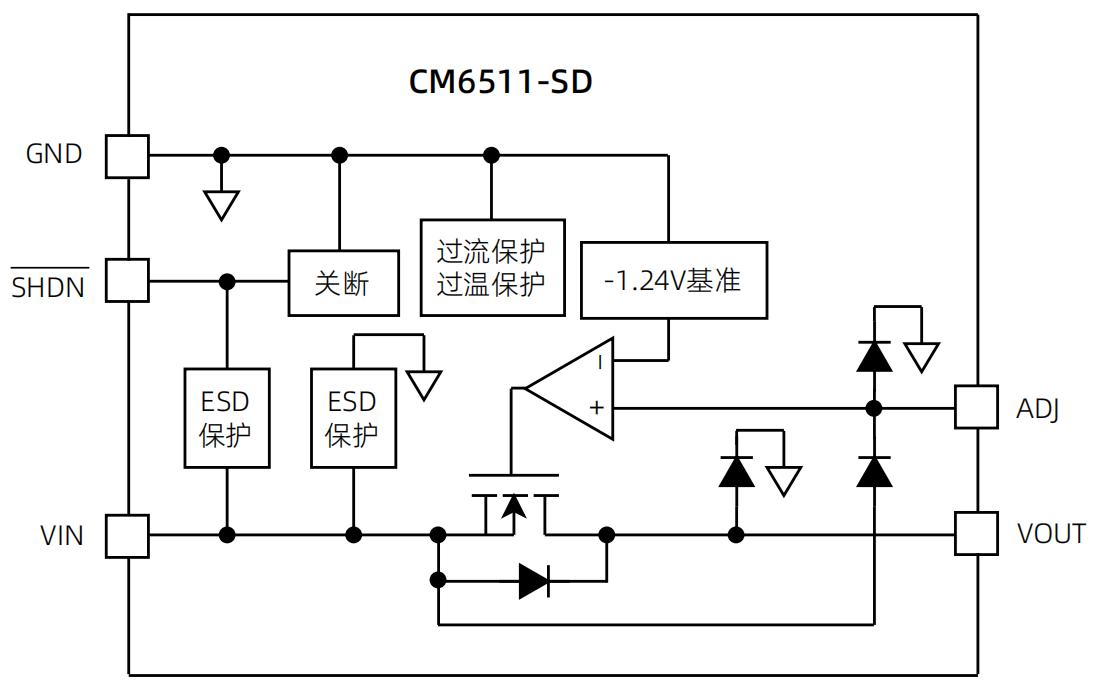
Linear amplifiers represent a fundamental class of electronic devices designed to increase the amplitude of input signals while maintaining their original waveform characteristics. These sophisticated circuits operate by producing output signals that are directly proportional to their input signals, ensuring minimal distortion and maximum signal integrity. The primary function of linear amplifiers centers on signal amplification across various frequency ranges, making them indispensable components in countless electronic applications. Modern linear amplifiers incorporate advanced semiconductor technologies, including operational amplifiers, transistor configurations, and integrated circuit designs that deliver exceptional performance metrics. These devices feature wide bandwidth capabilities, allowing them to process signals ranging from direct current to radio frequencies effectively. The technological foundation of linear amplifiers relies on precise bias control mechanisms that maintain consistent operating points, ensuring stable performance across varying environmental conditions and load requirements. Their construction typically involves multiple stages of amplification, each optimized for specific frequency responses and gain characteristics. Linear amplifiers demonstrate remarkable versatility in handling both analog and digital signal processing tasks, making them essential for modern communication systems, audio equipment, and measurement instrumentation. The feedback mechanisms integrated into these amplifiers provide excellent linearity control, enabling precise signal reproduction without introducing unwanted harmonics or intermodulation products. Temperature compensation circuits within linear amplifiers ensure consistent performance across wide operating temperature ranges, making them suitable for demanding industrial and commercial environments. Their low noise characteristics make linear amplifiers particularly valuable in sensitive measurement applications where signal purity is paramount. The modularity of modern linear amplifier designs allows for easy integration into complex electronic systems, supporting various input and output impedance requirements. These amplifiers support multiple operating modes, including voltage amplification, current amplification, and power amplification, providing flexibility for diverse application needs.


New Product Releases

Linear amplifiers deliver exceptional signal fidelity by maintaining precise proportional relationships between input and output signals throughout their entire operating range. This fundamental characteristic ensures that audio systems reproduce music with crystal-clear accuracy, communication equipment transmits data without errors, and measurement instruments provide reliable readings. Users benefit from consistent performance that eliminates signal distortion, allowing them to trust their equipment for critical applications. The wide frequency response of linear amplifiers enables them to handle diverse signal types simultaneously without compromising quality. This versatility means customers can use a single amplifier design for multiple applications, reducing inventory costs and simplifying system design. Engineers appreciate the predictable behavior of linear amplifiers, which simplifies circuit design and reduces development time significantly. The excellent thermal stability of modern linear amplifiers ensures reliable operation across varying environmental conditions, eliminating the need for frequent recalibration or maintenance. This reliability translates into lower operational costs and reduced downtime for businesses relying on these devices. Linear amplifiers offer superior dynamic range compared to non-linear alternatives, allowing them to process both weak and strong signals effectively without saturation or clipping. This capability proves invaluable in applications where signal levels vary dramatically, such as radar systems and professional audio equipment. The low noise performance of quality linear amplifiers preserves signal integrity even when dealing with weak input signals, making them ideal for sensitive measurement applications and communication systems. Customers benefit from improved system sensitivity and reduced measurement uncertainty. The flexibility of linear amplifier designs allows for easy customization to meet specific application requirements, including gain adjustment, bandwidth optimization, and impedance matching. This adaptability reduces the need for custom solutions and accelerates product development cycles. Linear amplifiers demonstrate excellent linearity characteristics that minimize harmonic distortion and intermodulation products, ensuring clean signal processing in demanding applications. The robust construction of industrial-grade linear amplifiers provides long service life and consistent performance, delivering excellent return on investment for businesses. Their compatibility with various signal sources and load conditions makes integration straightforward, reducing system complexity and installation costs.

Latest News

Is Your ADC/DAC Underperforming? The Culprit Could Be Your Voltage Reference

24

Nov

Is Your ADC/DAC Underperforming? The Culprit Could Be Your Voltage Reference

In the realm of precision analog-to-digital and digital-to-analog conversion, engineers often focus on the specifications of the ADC or DAC itself while overlooking a critical component that can make or break system performance. The voltage reference...
View More
Low-Power, High-Precision: How Domestic Linear Regulators and Voltage References Enable Import Substitution

02

Feb

Low-Power, High-Precision: How Domestic Linear Regulators and Voltage References Enable Import Substitution

The global semiconductor supply chain disruptions of recent years have highlighted the critical importance of developing robust domestic manufacturing capabilities. As industries worldwide grapple with component shortages and geopolitical tensions, t...
View More
High-Precision ADC, DAC, and Voltage References: Comprehensive Analysis of Low-Power Domestic Solutions

02

Feb

High-Precision ADC, DAC, and Voltage References: Comprehensive Analysis of Low-Power Domestic Solutions

The demand for high-precision analog-to-digital converters in modern electronic systems continues to surge as industries require increasingly accurate measurement and control capabilities. High-precision ADC technology forms the backbone of sophistic...
View More
High-Speed vs. High-Precision: How to Select the Ideal ADC for Your Signal Chain

03

Feb

High-Speed vs. High-Precision: How to Select the Ideal ADC for Your Signal Chain

Analog-to-digital converters represent one of the most critical components in modern electronic systems, bridging the gap between the analog world and digital processing capabilities. The process of ADC selection requires careful consideration of mul...
View More

Get a Free Quote

Our representative will contact you soon.
Email
Name
Company Name
Message
0/1000

linear amplifiers

Exceptional Signal Integrity and Low Distortion Performance

Exceptional Signal Integrity and Low Distortion Performance

Linear amplifiers excel in preserving signal integrity through their fundamental design principle of maintaining proportional input-to-output relationships across their entire operating range. This characteristic becomes particularly crucial in applications where signal accuracy directly impacts system performance and reliability. The advanced circuit topologies employed in modern linear amplifiers incorporate sophisticated feedback mechanisms that continuously monitor and correct for any deviations from ideal linear behavior. These feedback systems operate at microsecond response times, ensuring that even rapid signal changes are amplified with exceptional fidelity. The low total harmonic distortion typically achieved by quality linear amplifiers often measures below 0.01 percent, making them suitable for the most demanding professional audio and precision measurement applications. This superior performance stems from careful component selection, optimized bias point control, and advanced thermal management techniques that maintain consistent operating conditions. Engineers designing critical systems rely on linear amplifiers because their predictable behavior simplifies system analysis and reduces the likelihood of unexpected performance degradation. The excellent linearity characteristics translate into reduced measurement uncertainty in scientific instruments, clearer audio reproduction in professional sound systems, and more reliable data transmission in communication networks. Customers benefit from this exceptional performance through improved product quality, reduced system complexity, and enhanced user satisfaction. The consistent signal integrity provided by linear amplifiers eliminates the need for complex signal conditioning circuits that would otherwise be required to compensate for amplifier-induced distortions. This simplification reduces overall system costs while improving reliability and maintainability. Professional audio engineers particularly value linear amplifiers for their ability to preserve the subtle nuances in musical performances, ensuring that listeners experience recordings as artists intended them to be heard.
Wide Frequency Response and Versatile Application Compatibility

Wide Frequency Response and Versatile Application Compatibility

The remarkable frequency response characteristics of linear amplifiers make them uniquely versatile across diverse application domains, from precision DC measurement systems to high-frequency communication equipment. Modern linear amplifier designs achieve flat frequency responses spanning from direct current to several gigahertz, enabling them to process signals across this entire spectrum without introducing phase distortion or amplitude variations. This wide bandwidth capability proves invaluable in applications requiring simultaneous processing of multiple signal frequencies, such as software-defined radio systems and broadband communication networks. The consistent gain characteristics maintained across this extended frequency range ensure that system designers can rely on predictable amplification regardless of signal content or frequency distribution. Advanced circuit design techniques, including carefully controlled parasitic element management and optimized component placement, enable linear amplifiers to maintain their exceptional performance throughout their specified frequency range. This versatility eliminates the need for frequency-specific amplifier solutions, reducing inventory requirements and simplifying system design processes. Engineers appreciate the flexibility that wide-bandwidth linear amplifiers provide, allowing them to adapt single amplifier designs for multiple applications without compromising performance. The excellent phase linearity maintained by quality linear amplifiers ensures that complex signals with multiple frequency components remain coherent after amplification, preserving critical timing relationships essential for digital communication systems and precision measurement applications. Customers benefit from reduced development costs and shorter time-to-market cycles when using versatile linear amplifiers that can accommodate changing system requirements without hardware modifications. The frequency stability of linear amplifiers remains consistent across varying temperature conditions and aging effects, ensuring long-term system reliability and performance predictability. This stability proves particularly valuable in critical infrastructure applications where consistent performance over extended periods is essential for operational success and regulatory compliance.
Superior Dynamic Range and Noise Performance

Superior Dynamic Range and Noise Performance

Linear amplifiers deliver exceptional dynamic range capabilities that enable them to process both extremely weak and relatively strong signals simultaneously without compromising signal quality or introducing unwanted artifacts. This remarkable characteristic stems from their ability to maintain linear operation across wide input signal ranges, typically spanning 60 to 100 decibels or more in professional-grade implementations. The superior dynamic range performance proves essential in applications such as radar systems, where weak target returns must be detected in the presence of strong clutter signals, and in audio systems where subtle musical details must be preserved alongside powerful orchestral passages. Advanced linear amplifier designs incorporate sophisticated automatic gain control circuits and multi-stage architectures that optimize performance across the entire dynamic range. The excellent noise performance of quality linear amplifiers, characterized by extremely low equivalent input noise levels, ensures that weak signals remain clearly distinguishable from background noise even after significant amplification. This capability proves particularly valuable in scientific measurement applications where small signal changes must be detected reliably, and in communication systems where weak signals from distant sources must be recovered accurately. The noise figure specifications of premium linear amplifiers often approach theoretical limits, providing maximum system sensitivity and measurement resolution. Engineers designing sensitive electronic systems rely on the consistent noise performance of linear amplifiers to achieve optimal system sensitivity without introducing additional uncertainty sources. The temperature stability of noise performance in quality linear amplifiers ensures consistent sensitivity across varying environmental conditions, eliminating the need for frequent recalibration procedures. Customers benefit from improved system performance through enhanced signal-to-noise ratios that translate into better measurement accuracy, clearer communication quality, and more reliable system operation. The robust dynamic range characteristics of linear amplifiers provide design margin that accommodates unexpected signal level variations without performance degradation, improving overall system reliability and reducing the likelihood of signal processing errors in critical applications.

Get a Free Quote

Our representative will contact you soon.
Email
Name
Company Name
Message
0/1000