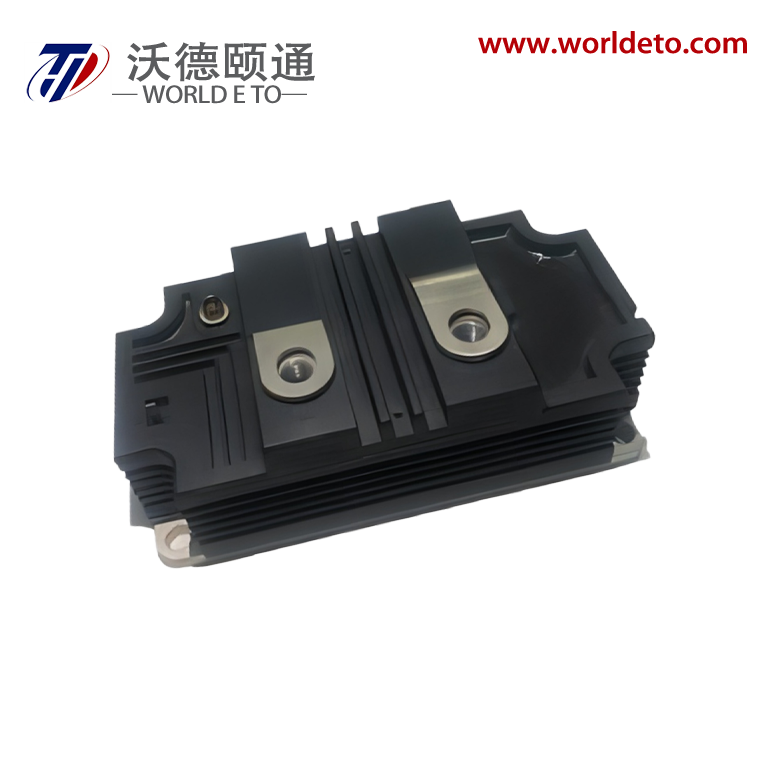
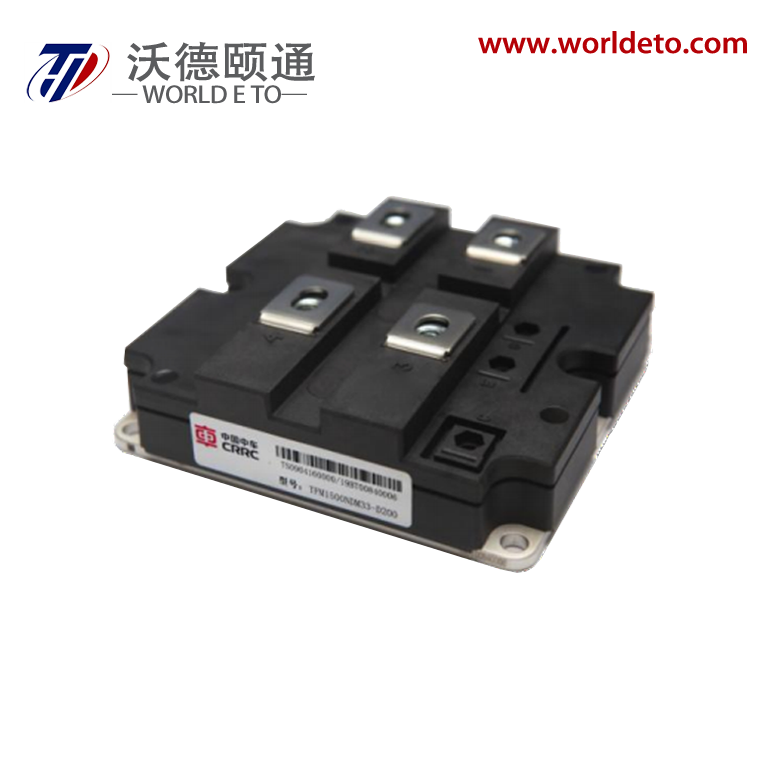
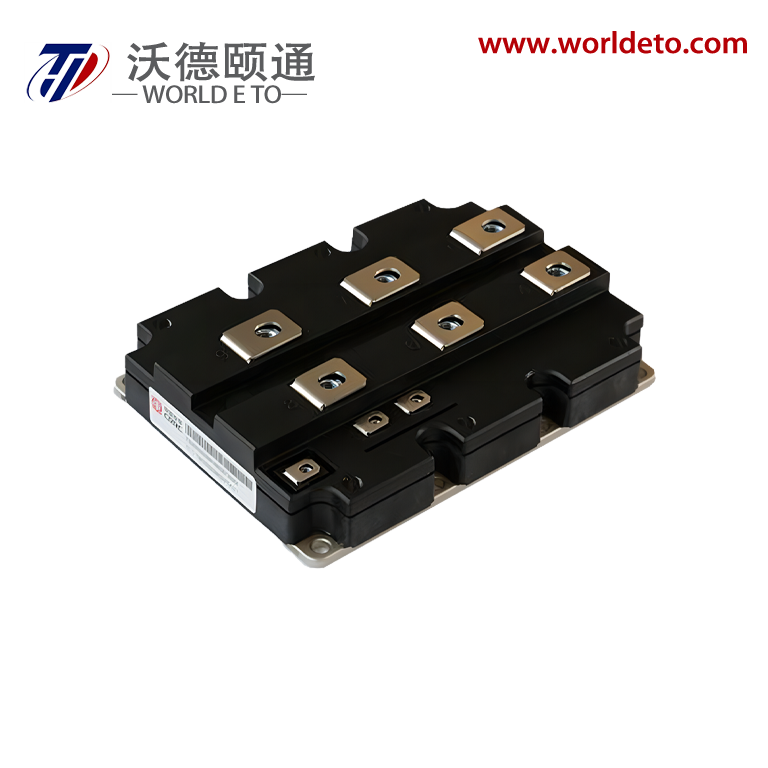
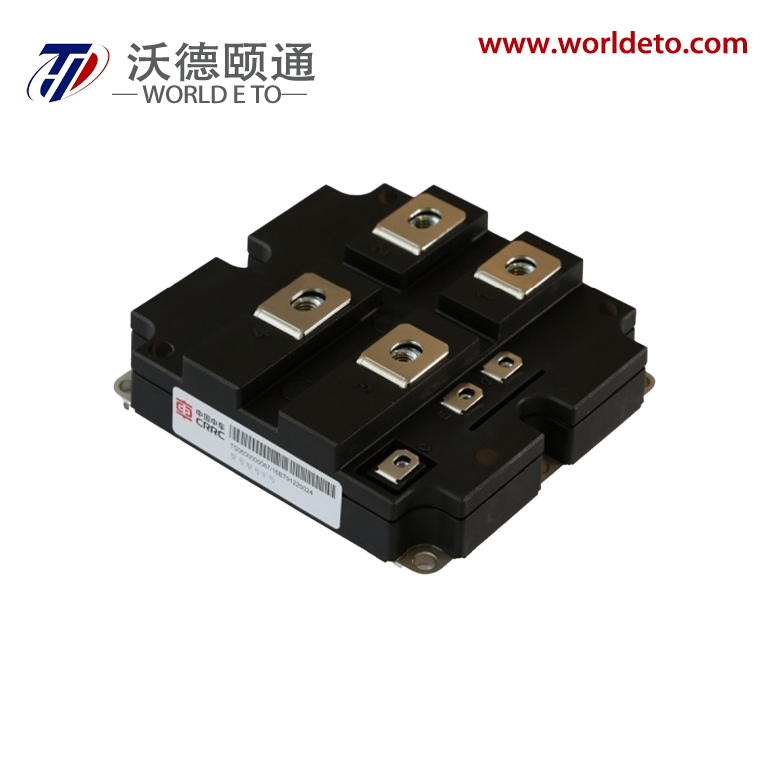
Економічно вигідне рішення зі швидким поверненням інвестицій
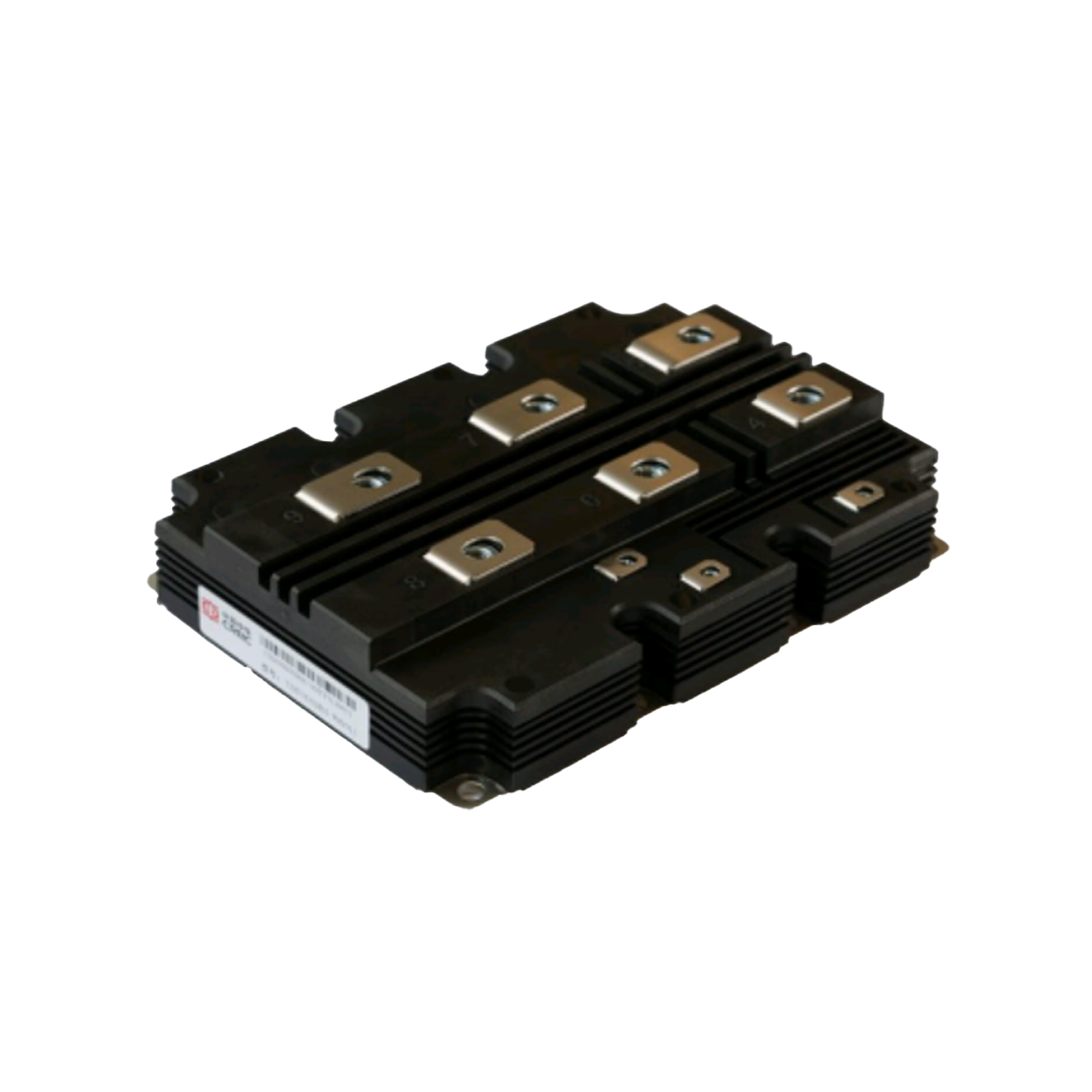
Промисловий тиристор є надзвичайно економічним рішенням для керування потужністю, яке забезпечує швидку окупність завдяки кільком економічним перевагам і покращенню експлуатаційних показників. Початкові витрати на закупівлю залишаються конкурентоспроможними порівняно з альтернативними технологіями керування потужністю, тоді як вищі характеристики продуктивності значно підвищують його ціннісне пропозиційне співвідношення для промислових застосувань. Покращення енергоефективності, досягнуте завдяки точному керуванню потужністю, призводить до суттєвого зниження витрат на електроенергію: багато підприємств повідомляють про енергозбереження в межах 15–30 % після впровадження промислових тиристорів. Ще однією значною економічною перевагою є зниження витрат на технічне обслуговування, оскільки твердотільна конструкція усуває механічні компоненти, що підлягають зносу, і зменшує частоту планових ремонтів. Подовжений термін експлуатації мінімізує витрати на заміну протягом усього строку служби пристрою, а висока надійність зменшує витрати, пов’язані з непередбаченими простоїв, які можуть серйозно впливати на графіки виробництва й прибутковість. Витрати на монтаж залишаються мінімальними завдяки компактній конструкції та сумісності з існуючими системами керування, що усуває необхідність масштабної модернізації об’єктів або спеціалізованих процедур монтажу. Покращені можливості керування технологічними процесами, які забезпечують промислові тиристори, підвищують якість продукції й зменшують відходи, сприяючи зростанню рентабельності й задоволеності клієнтів. Операційна гнучкість дозволяє підприємствам оптимізувати графіки виробництва й схеми споживання енергії, скориставшись тарифами на електроенергію за часом споживання та програмами управління попитом, що пропонують енергопостачальні компанії. Потенціал стандартизації промислових тиристорів у різних застосуваннях зменшує потребу в запасах і спрощує управління запасними частинами, що знижує загальні витрати на закупівлю та зберігання. Вимоги до навчання залишаються мінімальними через простоту експлуатації та можливостей інтеграції, що зменшує постійні витрати на підготовку персоналу технічного обслуговування та операторів. Доведена надійність і стабільність роботи промислових тиристорів дозволяють прогнозувати бюджетування та планувати технічне обслуговування, що підвищує точність фінансового планування й зменшує непередбачені капітальні витрати. Багато організацій повністю окуповують інвестиції протягом 18–24 місяців за рахунок комбінованих енергозбережень, зниження витрат на обслуговування та підвищення продуктивності, що робить промислові тиристори привабливим фінансовим рішенням для підприємств, які прагнуть поліпшити експлуатаційну ефективність і знизити експлуатаційні витрати.
 EN
EN