
 EN
EN

Technical and Cost Comparison Between IGBT and IGCT
0. Abstract
This paper provides a detailed comparison of the technical differences and costs between IGBT and IGCT in industrial power systems.
In the field of modern power electronics, IGBT (Insulated Gate Bipolar Transistor) and IGCT (Integrated Gate Commutated Thyristor) are both key semiconductor devices used in high-power conversion systems. Although both are fully controllable power devices, their different semiconductor structures result in significant differences in voltage capability, current capability, switching performance, system cost, and application areas.
1. Technical Characteristics of IGBT
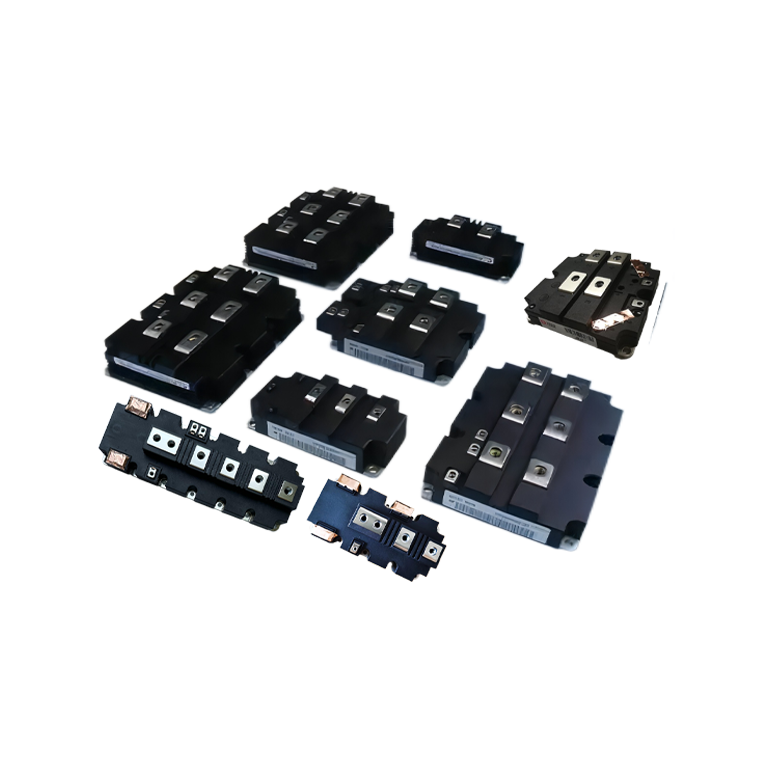
IGBT is currently one of the most widely used power semiconductor devices. It combines the high-speed switching characteristics of MOSFETs with the low conduction loss characteristics of bipolar transistors. Its main advantages are simple driving, high switching frequency, and flexible control capability.
Advantages of IGBT:
1. High switching frequency
IGBT can operate at relatively high switching frequencies, usually in the range of several kHz or higher. This makes it suitable for applications requiring high control accuracy, improved output waveform quality, and reduced filter size.
2. Simple gate drive technology
IGBT uses voltage-controlled gate drive technology. The required gate drive power is relatively low, and the drive circuit design is comparatively simple. This reduces system development complexity and facilitates modular equipment design.
3. Mature product ecosystem
After decades of development, IGBT has established a complete industrial supply chain, including chips, modules, drivers, and application solutions. It is widely used in renewable energy, industrial motor drives, electric vehicles, railway transportation, welding equipment, and industrial power supplies.
Limitations of IGBT:
However, IGBT also has some limitations:
The current capability of a single device is limited in ultra-high-power applications;
As system voltage and power increase, more devices may be required in series or parallel connection, increasing system complexity;
In continuous high-current operation, conduction losses and thermal management requirements become more significant.
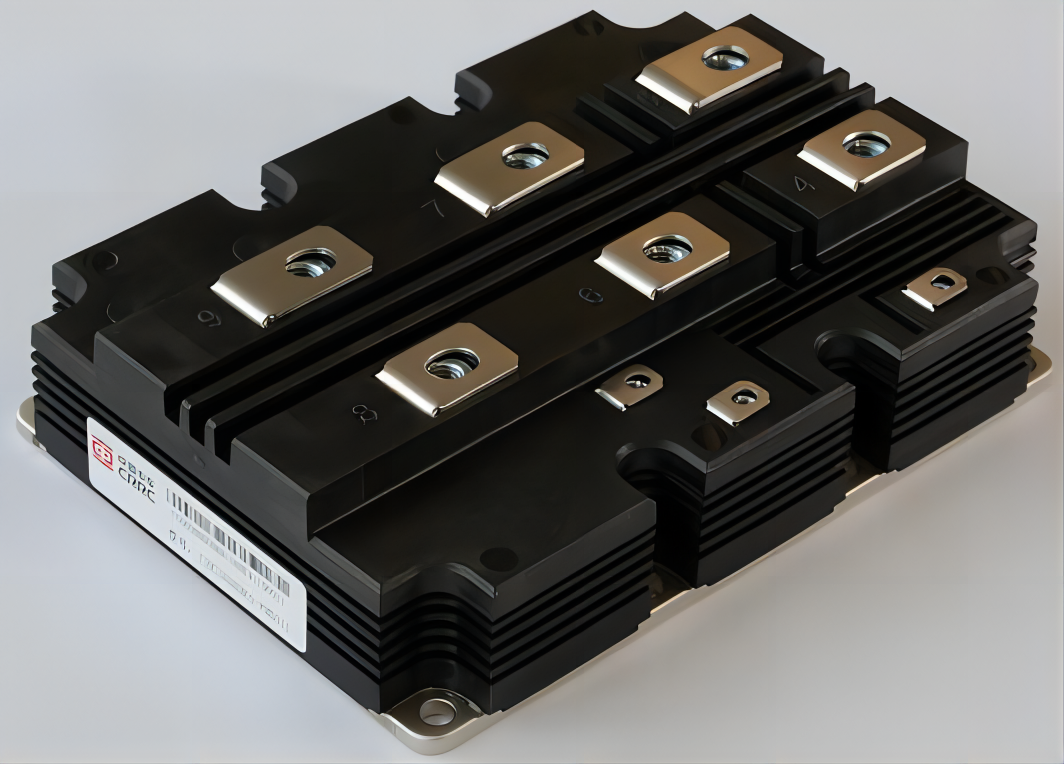
2. Technical Characteristics of IGCT
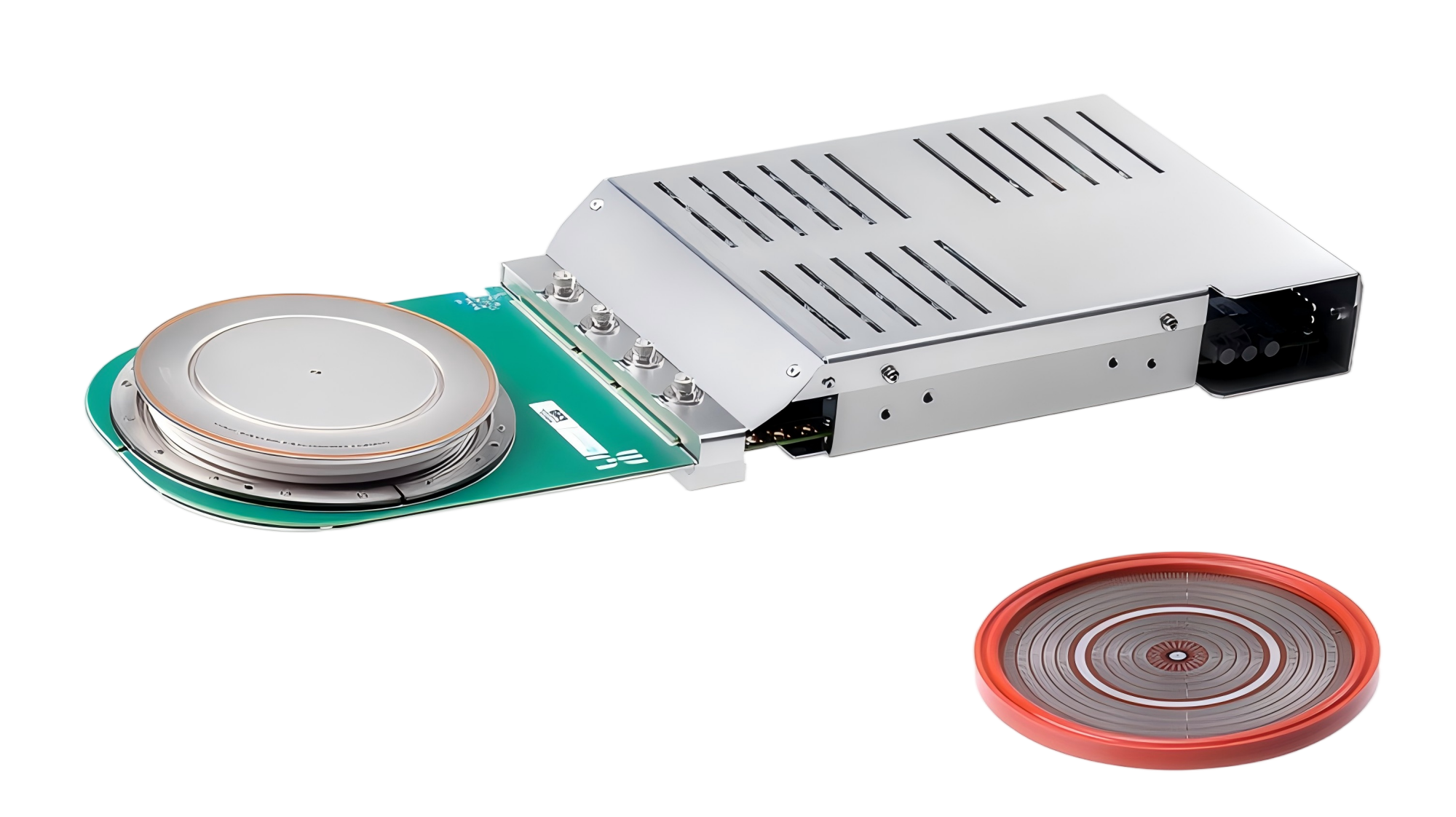
IGCT is a new-generation high-power semiconductor device developed from GTO (Gate Turn-Off Thyristor) technology. It combines the low conduction loss characteristics of thyristors with the controllable turn-off capability of fully controlled semiconductor devices.
The main advantages of IGCT are high voltage capability, extremely high current capability, high reliability, and low conduction losses.
Advantages of IGCT:
1. Excellent high-power capability
IGCT can handle much higher voltage and current levels compared with conventional IGBT modules. In medium-voltage and high-power conversion systems, IGCT can reduce the number of required semiconductor devices, simplifying the overall power circuit.
2. Low conduction loss
Due to its thyristor-based structure, IGCT has a very low on-state voltage drop. Under long-term operation with high current, it can significantly reduce power losses and improve overall system efficiency.
3. High system reliability
Because fewer semiconductor devices are required, the number of electrical connections and potential failure points can be reduced. This provides advantages in high-power systems requiring long service life and high reliability.
Limitations of IGCT:
IGCT also has several limitations:
Its switching frequency is lower than that of IGBT, making it unsuitable for applications requiring high-frequency PWM control;
The gate drive system is more demanding and requires low-inductance, high-performance design;
Compared with IGBT, the supplier base and application ecosystem are smaller.
3. Application Cost Comparison
When comparing IGBT and IGCT, it is important not to consider only the price of a single semiconductor device. The total system cost, including design complexity, efficiency, cooling requirements, and lifetime operation cost, should also be considered.
3.1 Medium and Low-Power Applications
For applications ranging from several kilowatts to several megawatts, IGBT usually provides higher cost efficiency because of:
Lower component price;
Simple gate drive design;
Mature control technology;
Wide availability and strong supply chain support.
Therefore, IGBT has become the mainstream solution for industrial inverters, renewable energy converters, motor drives, and many industrial power systems.
3.2 High-Power Applications
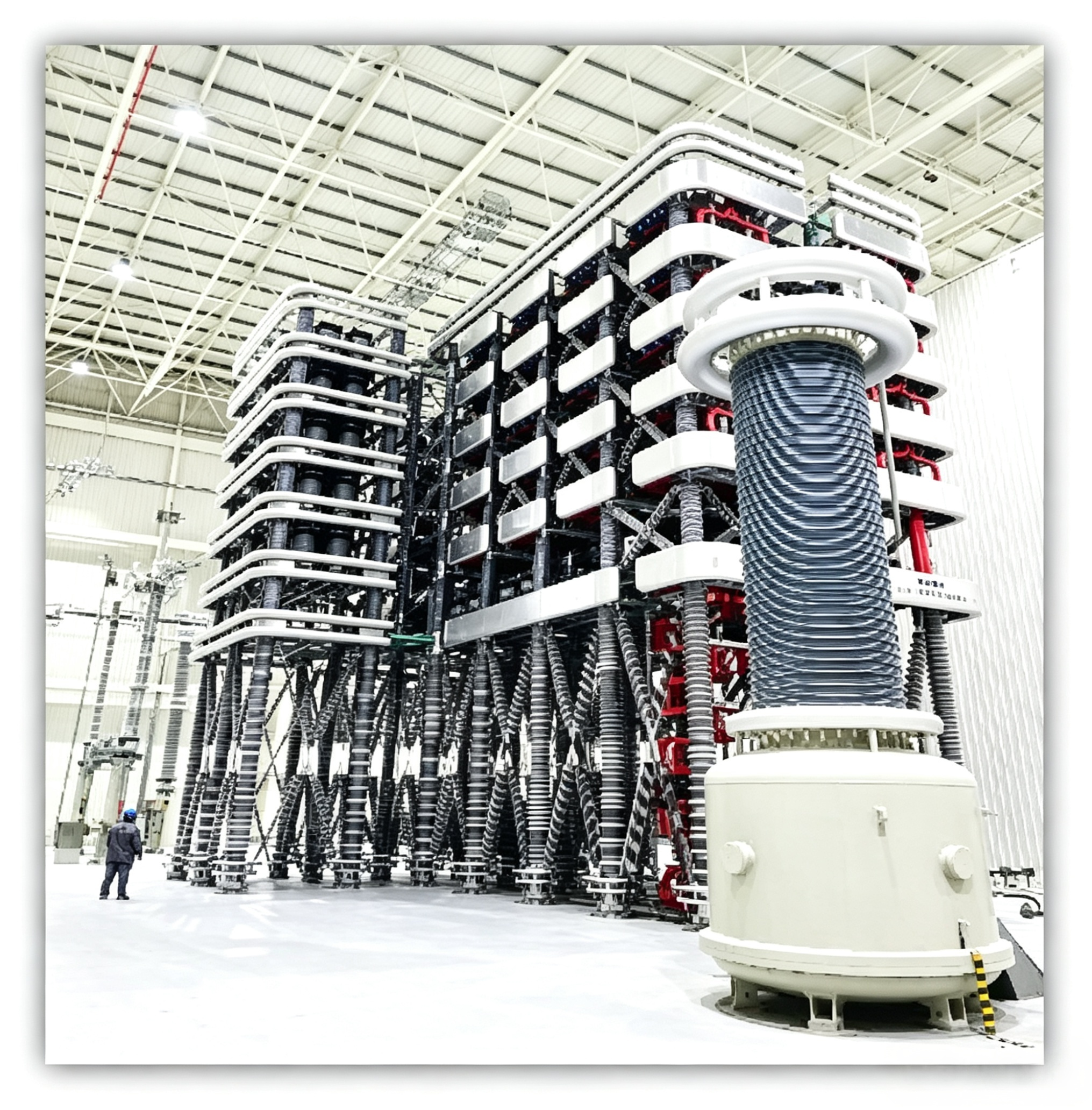
When system power reaches tens of megawatts or higher, IGCT may provide advantages in overall system cost:
A single IGCT device can handle much higher power;
Fewer semiconductor devices are required;
The power circuit becomes simpler;
Cooling system requirements can be reduced;
Long-term operating losses can be lower.
Although the unit price of an IGCT device is generally higher than that of a standard IGBT module, IGCT can offer competitive advantages when considering the total lifecycle cost (LCC) of large industrial equipment.
Typical applications include high-power rectifier systems, medium-voltage drives, power grid equipment, metallurgy, electrolysis, and large-scale hydrogen production systems.
4. Selection Principles Between IGBT and IGCT
IGBT and IGCT are not simple alternatives to each other. The selection depends mainly on power level, operating conditions, switching requirements, and economic considerations.
| Parameter | IGBT | IGCT |
|---|---|---|
| Voltage range | Mainly low and medium voltage | Medium and high voltage applications |
| Current capability | Medium | Extremely high |
| Switching frequency | High | Medium to low |
| Gate drive complexity | Lower | Higher |
| Single-device power capability | Lower | Very high |
| System design approach | Multiple modules in parallel/series | Fewer high-power devices |
| Typical applications | Renewable energy, industrial drives, EVs, industrial power supplies | High-power converters, large rectifiers, power grids, metallurgy, electrolysis |
5. Conclusion
IGBT represents the development direction of high-efficiency, high-frequency, and modular power electronics technology. It is particularly suitable for medium-power applications requiring fast switching and precise control.
IGCT represents the development direction of ultra-high-power, high-reliability, and low-loss power conversion technology. It provides unique advantages in applications requiring extremely high current, high voltage, and continuous operation.
There is no universal replacement relationship between IGBT and IGCT. The optimal choice depends on the specific application requirements. For equipment manufacturers, semiconductor selection should not be based only on the purchase price of the device, but should consider overall system efficiency, reliability, maintenance requirements, and total lifecycle cost.