Advanced Plating Rectifier Solutions - High-Efficiency Electroplating Power Systems

All Categories
Get a Quote

Get a Free Quote

Our representative will contact you soon.
Email
Name
Company Name
Message
0/1000

plating rectifier

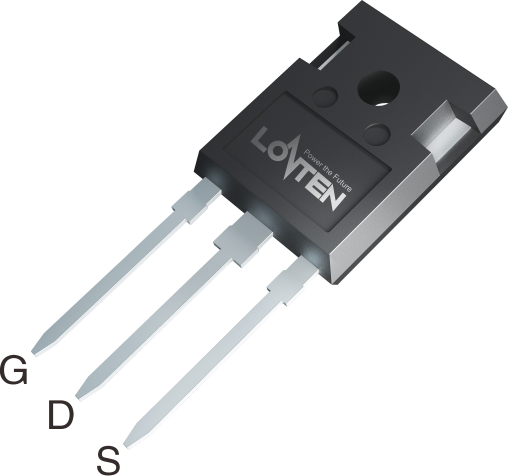
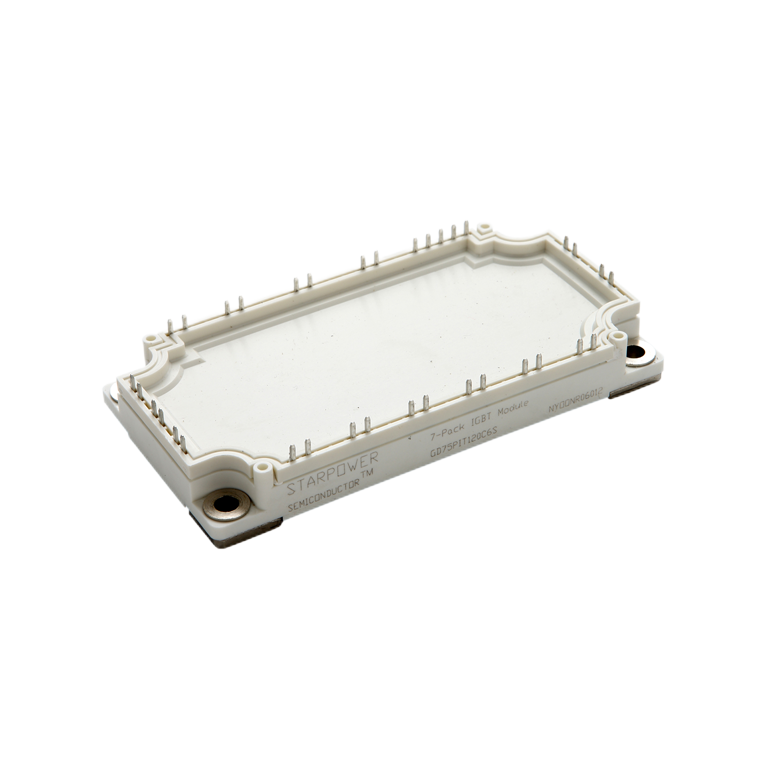
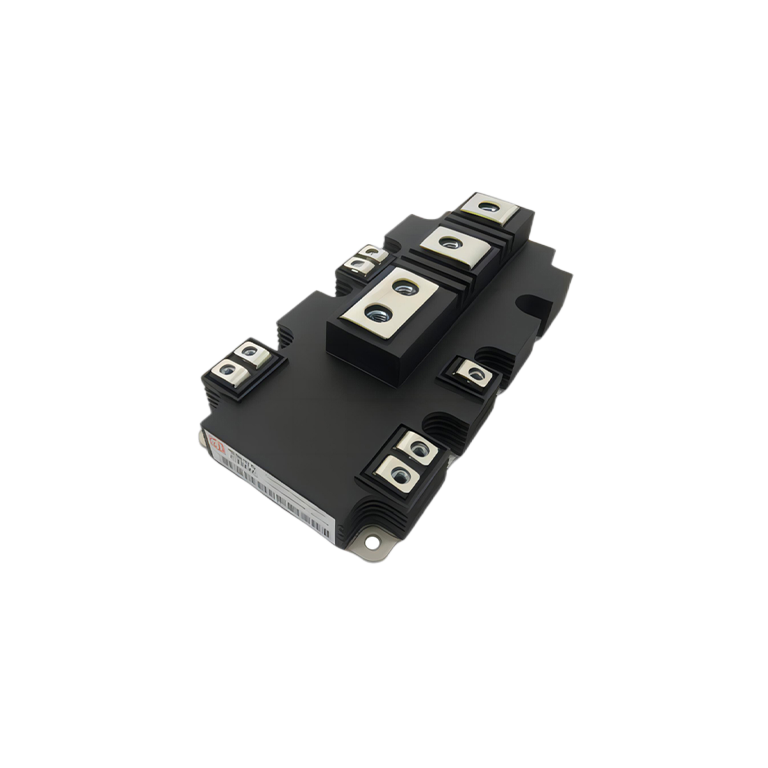
A plating rectifier serves as the cornerstone of electroplating operations, converting alternating current (AC) into direct current (DC) to facilitate the electrochemical deposition process. This specialized power supply equipment plays a crucial role in various surface treatment applications, from decorative chrome plating to industrial hard chrome coating processes. The plating rectifier ensures precise voltage and current control, which directly impacts the quality, uniformity, and adherence of plated coatings on substrates. Modern plating rectifiers incorporate advanced switching technology, typically employing silicon controlled rectifiers (SCR) or insulated gate bipolar transistors (IGBT) to achieve superior performance characteristics. These units feature comprehensive monitoring systems that track critical parameters including output voltage, current density, temperature fluctuations, and operational efficiency. The technological architecture of contemporary plating rectifiers emphasizes energy efficiency, with many models achieving conversion efficiencies exceeding 90 percent through optimized transformer designs and intelligent control algorithms. Safety mechanisms are integrated throughout the system, including overcurrent protection, thermal shutdown capabilities, and ground fault detection to ensure operator safety and equipment longevity. The plating rectifier typically consists of a step-down transformer, rectification circuits, filtering components, and sophisticated control electronics that work in harmony to deliver stable, ripple-free DC output. Applications span across automotive manufacturing, aerospace components, electronic device production, jewelry finishing, and architectural hardware treatment. The versatility of modern plating rectifiers allows them to accommodate various electroplating processes, including copper plating, nickel plating, zinc coating, and precious metal deposition. These systems can be configured for both rack plating and barrel plating operations, with adjustable parameters to optimize results for different substrate materials and coating requirements.

New Product Releases

The plating rectifier delivers exceptional energy efficiency that translates directly into reduced operational costs for manufacturing facilities. These units consume significantly less electricity compared to traditional linear power supplies, with many models achieving efficiency ratings above 92 percent. This efficiency improvement results in lower utility bills and reduced heat generation, creating a more comfortable working environment while minimizing cooling requirements. The precise current control capabilities of modern plating rectifiers ensure consistent coating thickness and quality across all plated parts. This level of control eliminates the variations commonly experienced with older rectification systems, leading to higher first-pass yields and reduced rejection rates. Manufacturers benefit from improved product quality and reduced material waste, directly impacting their bottom line profitability. Advanced digital displays and programmable controls make the plating rectifier extremely user-friendly for operators of all skill levels. These systems feature intuitive interfaces that allow quick parameter adjustments and real-time monitoring of critical process variables. The ability to store multiple plating recipes enables rapid changeovers between different coating specifications without complex manual adjustments. Maintenance requirements for modern plating rectifiers are minimal due to their solid-state construction and robust component selection. Unlike older electromechanical systems, these units have fewer moving parts and are less susceptible to wear-related failures. This reliability translates into higher uptime and lower maintenance costs over the equipment's operational lifetime. The compact footprint of contemporary plating rectifiers allows for flexible installation in space-constrained facilities. These units can be wall-mounted or integrated into existing plating line configurations without requiring extensive facility modifications. The modular design approach enables easy capacity expansion as production requirements grow. Environmental benefits include reduced electromagnetic interference and lower noise levels compared to conventional rectifiers. The switching technology employed in modern units generates less heat and operates more quietly, contributing to a better working environment. Additionally, many plating rectifiers incorporate power factor correction, reducing the overall electrical load on facility power systems and potentially qualifying for utility rebates or incentives.

Latest News

Is Your ADC/DAC Underperforming? The Culprit Could Be Your Voltage Reference

24

Nov

Is Your ADC/DAC Underperforming? The Culprit Could Be Your Voltage Reference

In the realm of precision analog-to-digital and digital-to-analog conversion, engineers often focus on the specifications of the ADC or DAC itself while overlooking a critical component that can make or break system performance. The voltage reference...
View More
Achieving Peak Performance: How High-Speed ADCs and Precision Amplifiers Work Together

07

Jan

Achieving Peak Performance: How High-Speed ADCs and Precision Amplifiers Work Together

In today's rapidly evolving electronics landscape, the demand for precise and rapid signal processing continues to grow exponentially. From telecommunications infrastructure to advanced measurement systems, engineers are constantly seeking solutions ...
View More
High-Precision ADC, DAC, and Voltage References: Comprehensive Analysis of Low-Power Domestic Solutions

02

Feb

High-Precision ADC, DAC, and Voltage References: Comprehensive Analysis of Low-Power Domestic Solutions

The demand for high-precision analog-to-digital converters in modern electronic systems continues to surge as industries require increasingly accurate measurement and control capabilities. High-precision ADC technology forms the backbone of sophistic...
View More
Super-junction MOSFET

25

Jan

Super-junction MOSFET

The super-junction MOSFET (Meta Oxide Semiconductor Field Effect Transistor) introduces a lateral electric field control on the basis of the traditional VDMOS, thereby making the vertical electric field distribution approach an ideal rectangle. This ...
View More

Get a Free Quote

Our representative will contact you soon.
Email
Name
Company Name
Message
0/1000

plating rectifier

Advanced Digital Control Technology

Advanced Digital Control Technology

The sophisticated digital control system represents the technological heart of modern plating rectifiers, offering unprecedented precision and flexibility in electroplating operations. This advanced control architecture utilizes high-speed microprocessors and digital signal processing algorithms to maintain extremely stable output characteristics, even under varying load conditions. The system continuously monitors and adjusts output parameters hundreds of times per second, ensuring optimal plating conditions throughout the entire process cycle. Users benefit from programmable current and voltage profiles that can be customized for specific coating requirements, allowing for complex plating sequences including initial strike layers, build-up phases, and finishing treatments. The digital interface provides comprehensive data logging capabilities, automatically recording critical process parameters for quality assurance and traceability purposes. This documentation proves invaluable for ISO certification requirements and customer audits. The control system also features advanced diagnostic capabilities that can predict potential issues before they impact production, enabling proactive maintenance scheduling and minimizing unexpected downtime. Remote monitoring capabilities allow supervisors to oversee multiple plating rectifiers from a central location, improving operational efficiency and response times. The programmable timer functions enable automated process control, reducing operator workload and ensuring consistent results across production shifts. Alarm systems provide immediate notification of parameter deviations, allowing rapid corrective action to prevent coating defects. The user-friendly touchscreen interface displays real-time graphs and trends, helping operators optimize process parameters and troubleshoot issues quickly. Password-protected access levels ensure that critical settings can only be modified by authorized personnel, maintaining process integrity and preventing inadvertent changes. The digital control technology also enables integration with factory automation systems, supporting Industry 4.0 initiatives and smart manufacturing concepts.
Superior Energy Efficiency and Cost Savings

Superior Energy Efficiency and Cost Savings

The exceptional energy efficiency of modern plating rectifiers delivers substantial cost savings and environmental benefits that make them an intelligent investment for any electroplating operation. These units employ advanced switching technology, typically utilizing insulated gate bipolar transistors (IGBT) or similar high-efficiency semiconductors, to achieve conversion efficiencies that regularly exceed 90 percent. This represents a significant improvement over traditional linear rectifiers, which typically operate at efficiency levels between 60 and 75 percent. The improved efficiency directly translates to reduced electricity consumption, with many facilities experiencing energy cost reductions of 20 to 30 percent after upgrading to modern plating rectifiers. The high efficiency also means less waste heat generation, reducing the burden on facility cooling systems and creating additional energy savings. In large-scale operations, this reduction in heat generation can eliminate the need for additional air conditioning capacity, representing substantial capital cost avoidance. The power factor correction capabilities integrated into many plating rectifiers help optimize the facility's overall electrical efficiency, potentially qualifying for utility rebates and avoiding power factor penalties. The stable output characteristics reduce the need for process adjustments and rework, improving material utilization and reducing waste disposal costs. Many modern plating rectifiers incorporate intelligent power management features that automatically optimize energy consumption based on production schedules and load requirements. These systems can enter low-power standby modes during idle periods, further reducing energy consumption. The robust construction and high-quality components used in these units ensure long service life, providing excellent return on investment through reduced replacement costs and extended depreciation schedules. Additionally, the improved process control and consistency achievable with these rectifiers often allows for thinner coating specifications without compromising performance, reducing material costs while maintaining quality standards.
Enhanced Safety and Reliability Features

Enhanced Safety and Reliability Features

Safety and reliability represent paramount concerns in electroplating operations, and modern plating rectifiers incorporate comprehensive protection systems that significantly exceed traditional safety standards. These units feature multiple layers of protection including overcurrent detection, overvoltage protection, thermal monitoring, and ground fault interruption systems that work together to protect both equipment and personnel. The isolation transformers used in these rectifiers provide galvanic isolation between the primary power source and the plating circuit, eliminating the risk of electrical shock from the plating bath. Advanced thermal management systems incorporate temperature sensors throughout the unit, automatically reducing output or shutting down the system if excessive temperatures are detected. This protection prevents component damage and reduces fire risk in the facility. The solid-state construction of modern plating rectifiers eliminates many potential failure points associated with electromechanical components, resulting in significantly improved reliability and reduced maintenance requirements. Comprehensive fault detection and diagnostic systems continuously monitor system health and provide early warning of potential issues before they can cause production interruptions. The modular design approach used in many plating rectifiers enables rapid component replacement and repair, minimizing downtime when maintenance is required. Redundant safety systems ensure that primary protection failure does not compromise overall system safety. Many units incorporate emergency stop functions that immediately disconnect power when activated, providing operators with a reliable method to quickly secure the system in emergency situations. The robust electrical isolation and proper grounding systems protect against stray currents that could cause coating defects or create safety hazards. Built-in surge protection guards against power line disturbances that could damage sensitive electronic components. The comprehensive documentation and clear labeling of safety systems ensure that maintenance personnel can work safely and effectively on these units. Regular self-diagnostic routines verify the integrity of safety systems and alert operators to any compromises in protection levels.

Get a Free Quote

Our representative will contact you soon.
Email
Name
Company Name
Message
0/1000