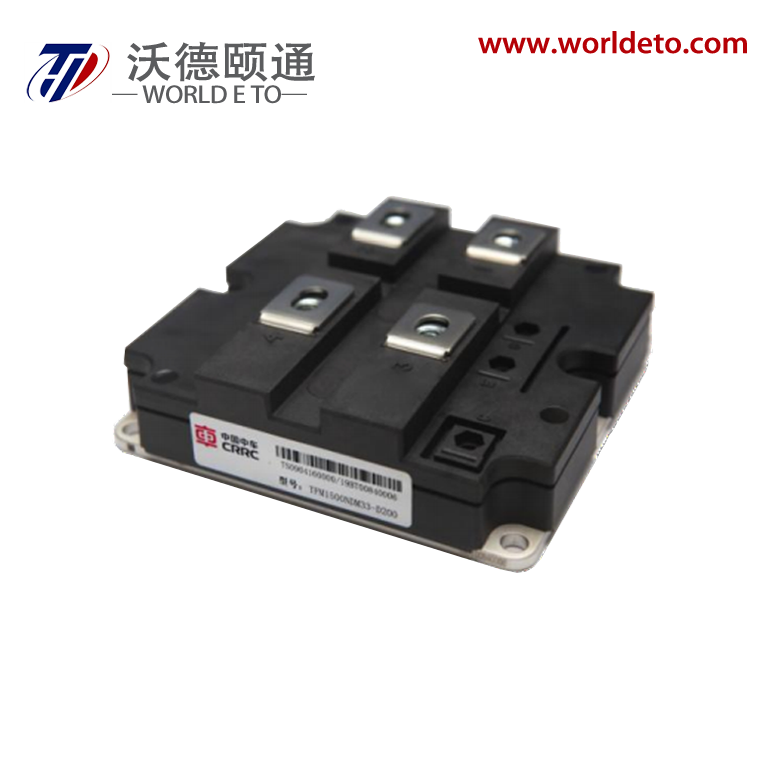
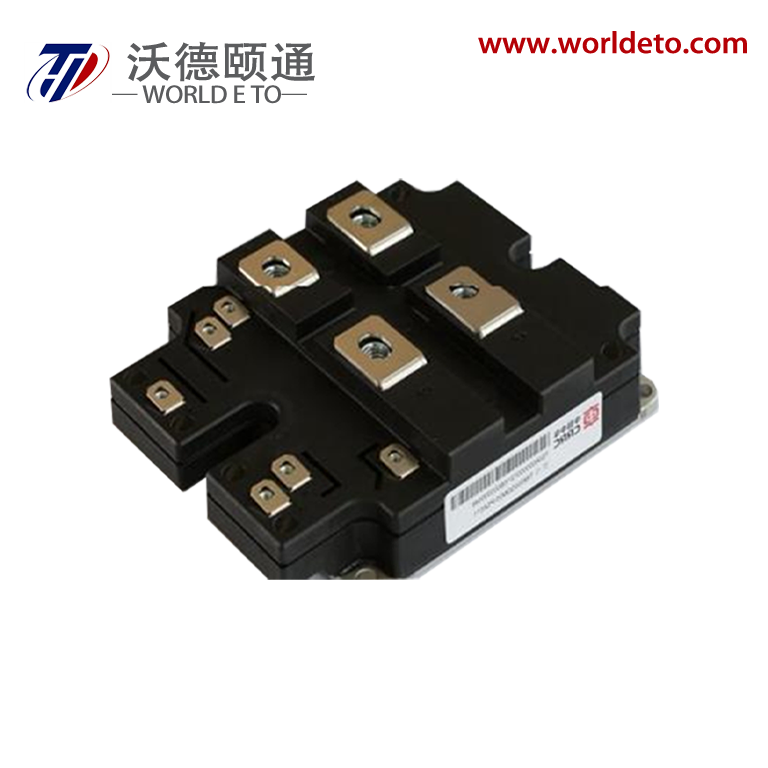
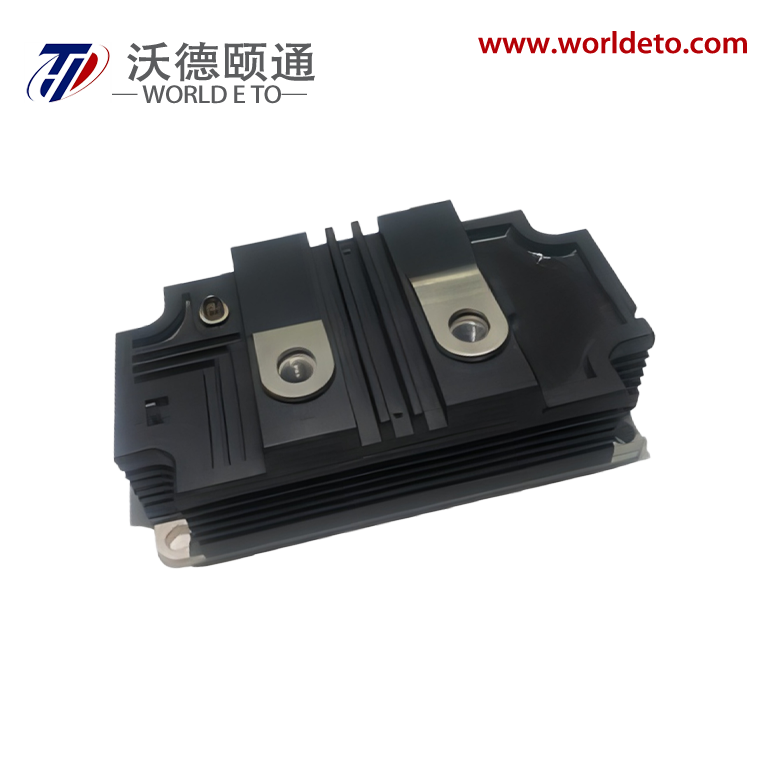
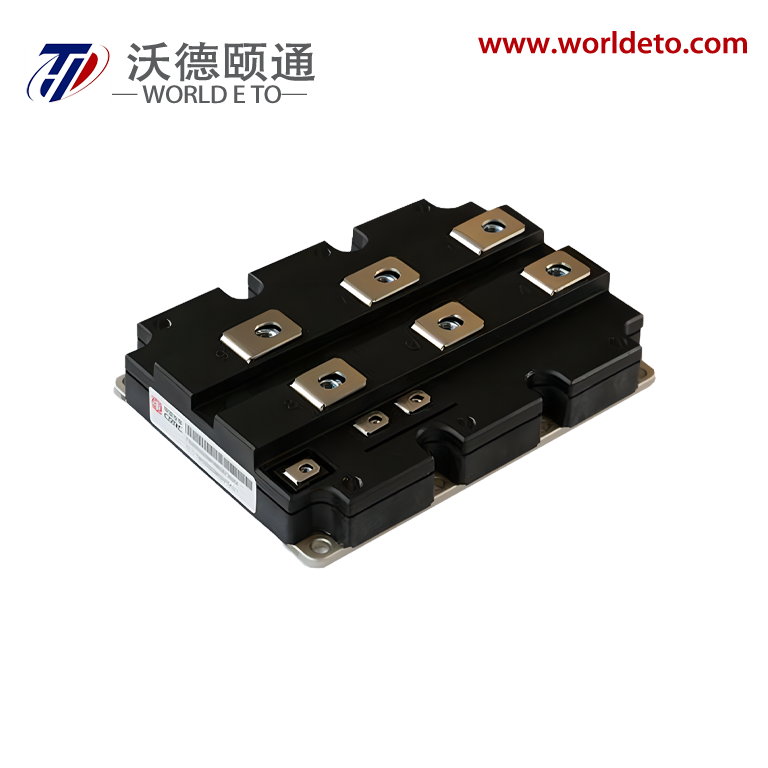
тиристор велике снаге
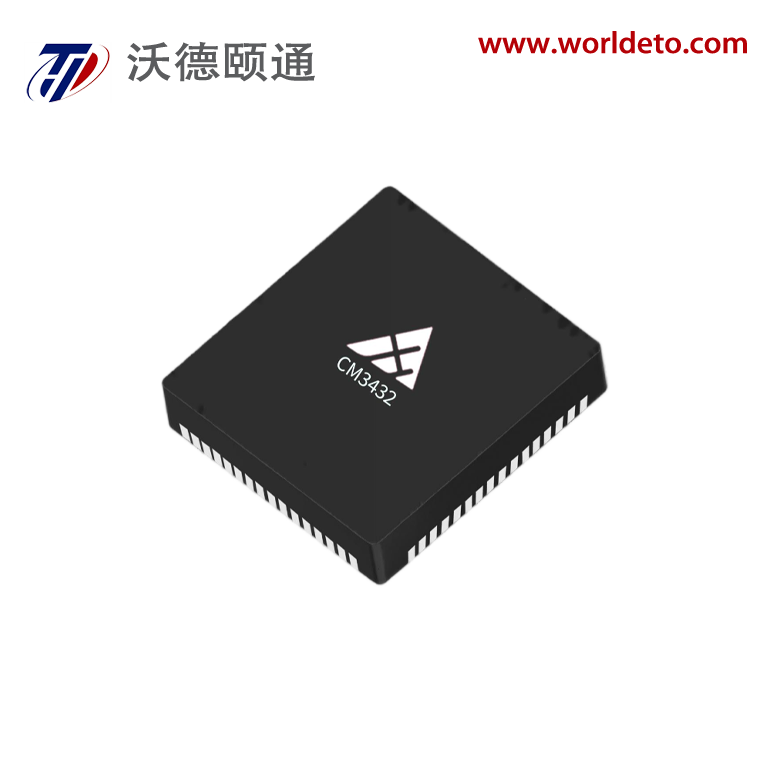
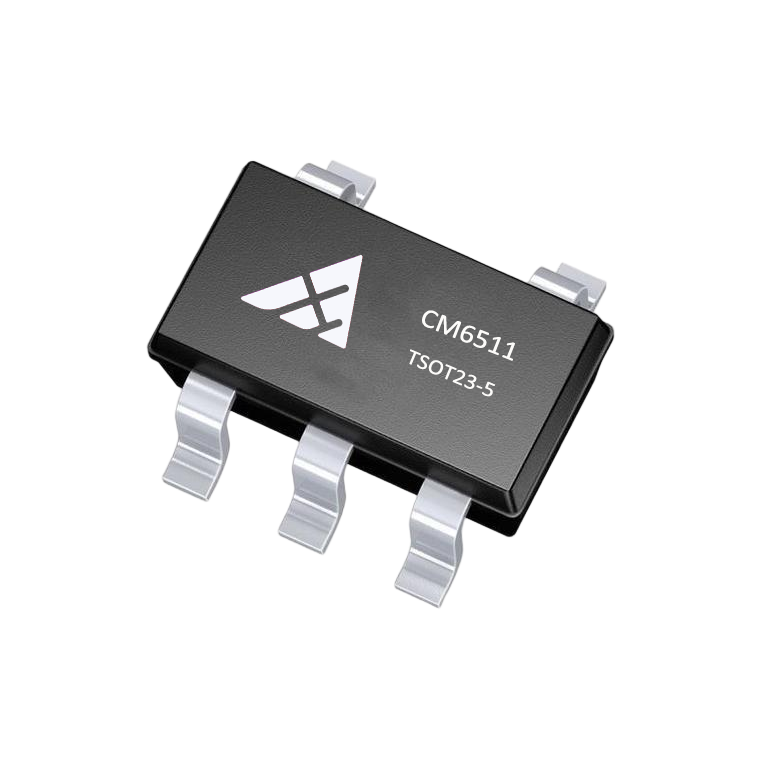
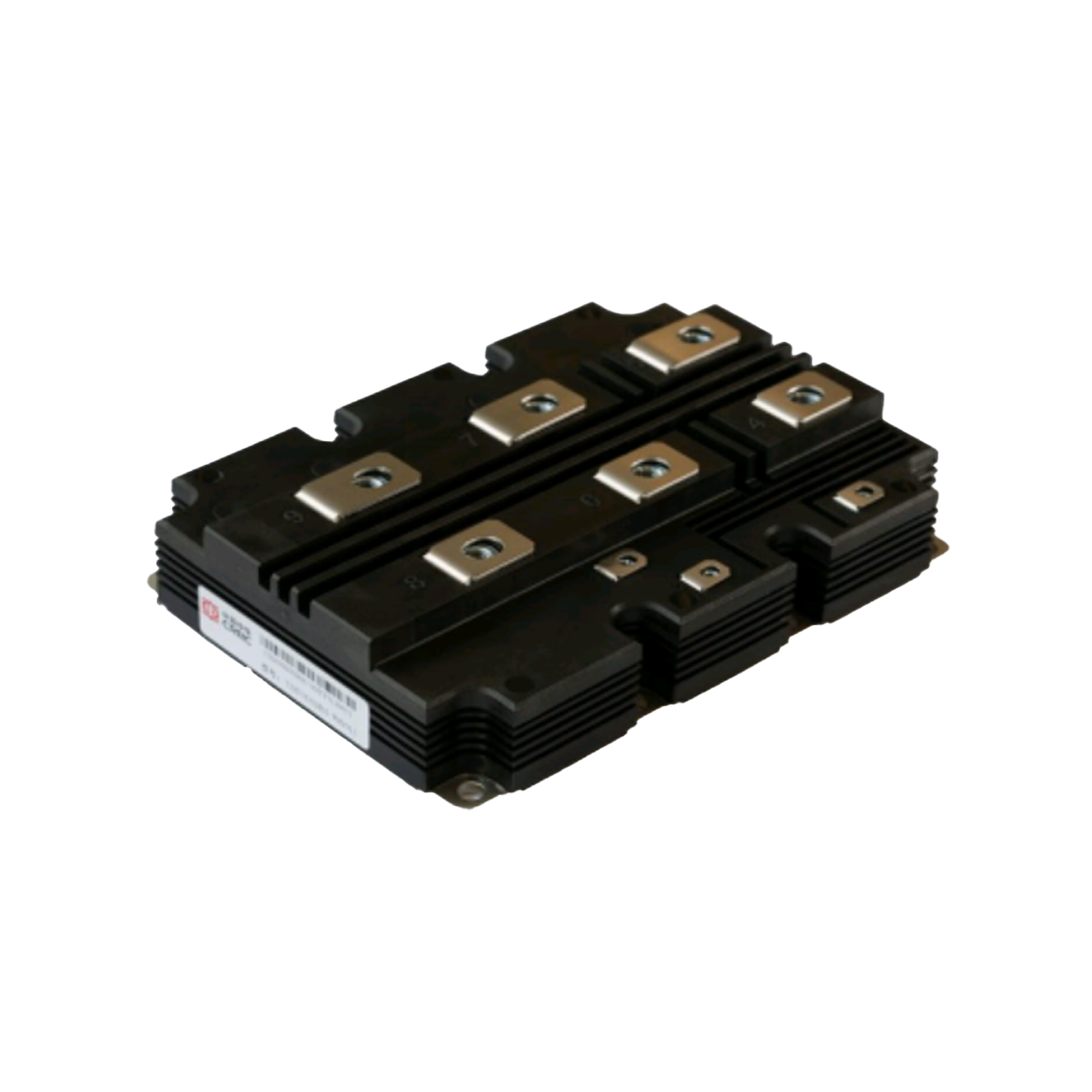
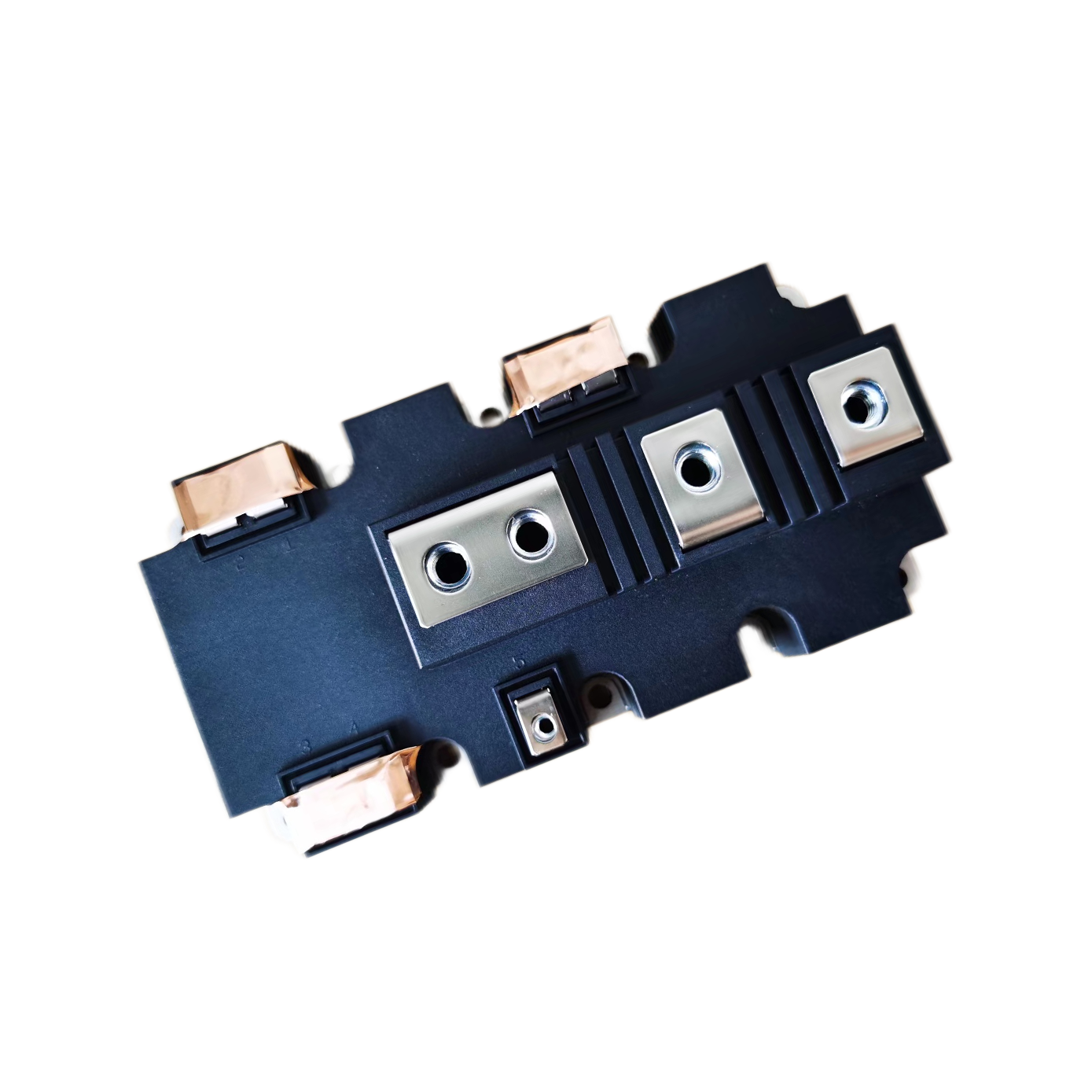
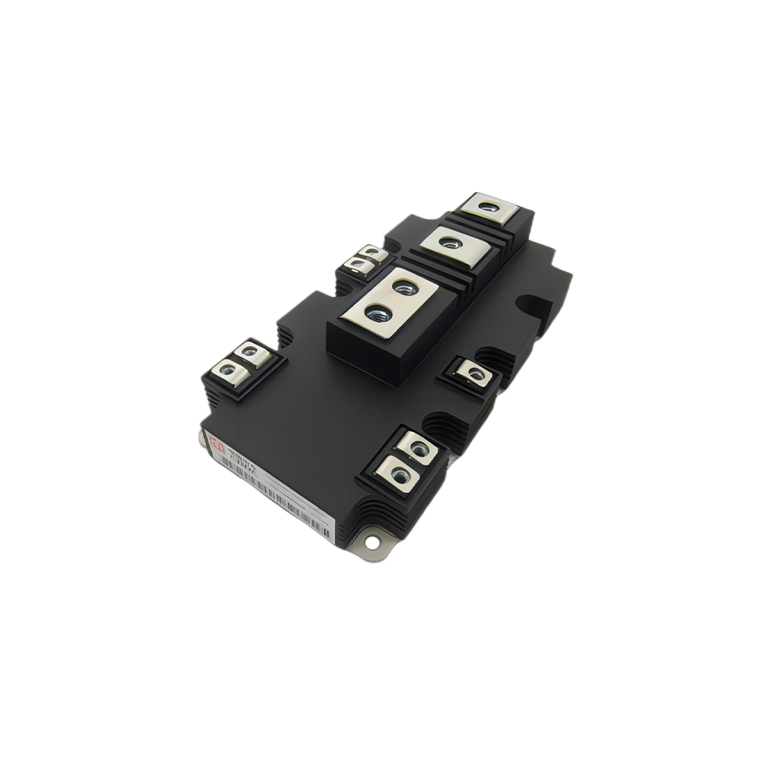
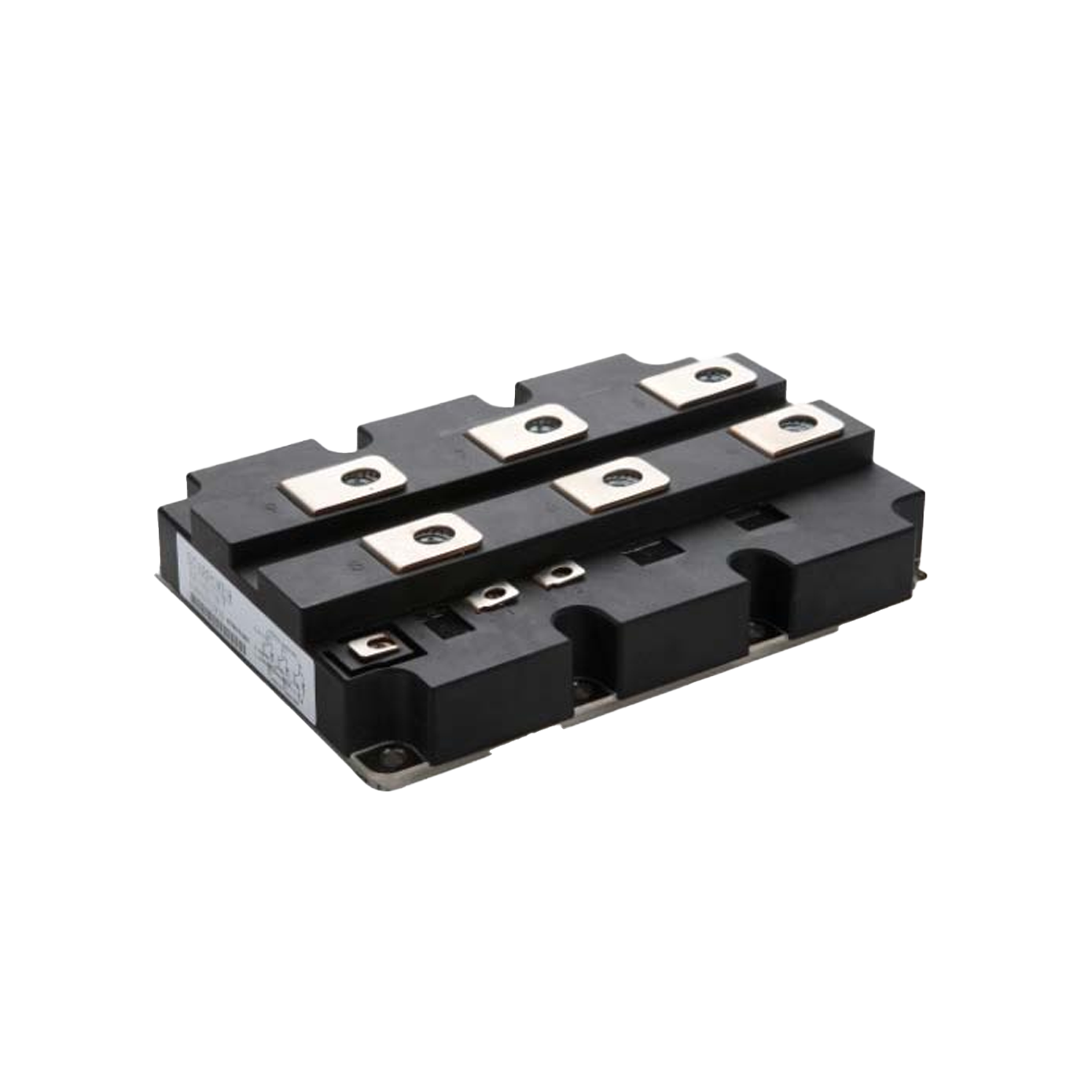
Технологија тиристора велике снаге представља темељ модерне енергетске електронике, пружајући изузетне могућности преласка за индустријске апликације које захтевају снажну електричну контролу. Ови полупроводнички уређаји функционишу као електронски контролисани прекидачи, управљајући значајним електричним струјама и напонима са изузетном прецизношћу. Тиристор велике снаге ради кроз јединствену четирислојну силицијумску структуру која му омогућава да се носи са киловолтима напона и хиљадама ампера струје, што га чини неопходним за тешке електричне системе. Уређај остаје у искљученом стању док га не активира сигнал капије, а затим прелази у проводно стање, одржавајући проводност док струја не падне испод прага за задржавање. Ова карактеристика чини тиристор велике снаге идеалним за апликације које захтевају поуздану перформансу прекидања под екстремним електричним условима. Технолошке карактеристике укључују супериорно топлотно управљање кроз напредне дизајне паковања, побољшану способност струје и оптимизовану осетљивост капије за доследно покретање. Модерни тиристорски пројекти са високом снагом укључују иновативне полупроводничке материјале и производне процесе који продужавају животни век операције, а истовремено одржавају стабилне параметре перформанси. Уређај показује одличне карактеристике блокирања у оба правца напред и уназад, пружајући бидирективне могућности блокирања напона неопходне за апликације ЦА. Апликације се шире по различитим индустријама, укључујући производњу челика, топљење алуминијума, железничке тракционе системе и конверзију обновљиве енергије. У производњи челика, ови уређаји управљају масивним електричним лучковим пећима, док у транспорту управљају покретничким системима за локомотив и вагон метроа. Системи преноса енергије ослањају се на технологију тиристора велике снаге за HVDC конверторе и компензацију реактивне снаге. Свестраност се простире на апликације за покретач мотора, где су прецизна контрола брзине и управљање вртаћим моментима критични. Производња користи ове уређаје у опреми за заваривање, индукционим системима за грејање и електрохемијским процесима. Тиристор велике снаге наставља да се развија са побољшаним брзинама преласка, побољшаним топлотним карактеристикама и већим могућностима интеграције, позиционишући га као фундаменталну компоненту у енергетским системима следеће генерације које захтевају изузетне стандарде поузданости и перформанси.

 EN
EN