
 EN
EN
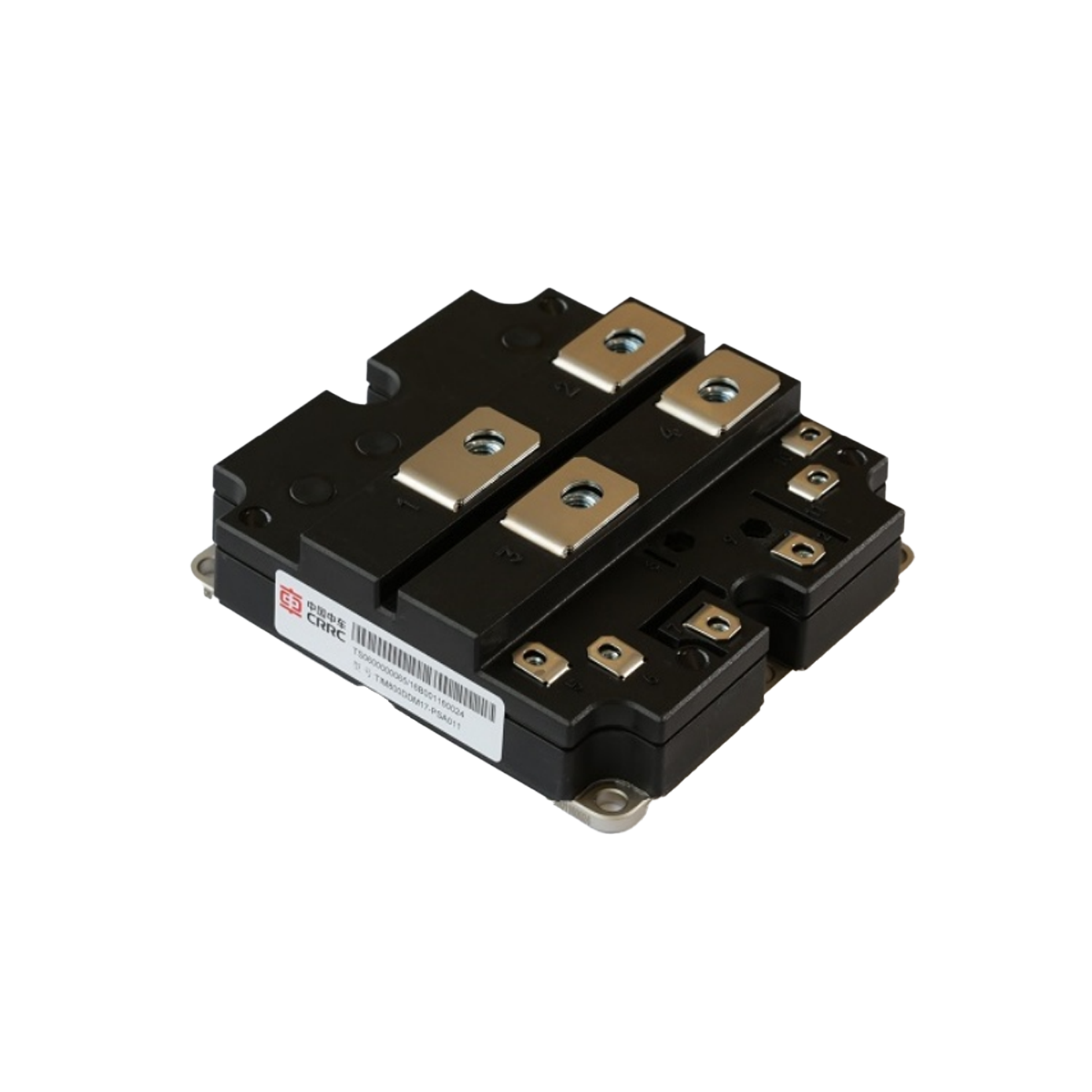
Промышленные среды требуют решений на основе силовых полупроводников, способных выдерживать экстремальные условия и обеспечивать стабильную производительность в течение длительных периодов эксплуатации. Современные производственные предприятия, объекты возобновляемой энергетики и высоковольтные применения нуждаются в надёжных компонентах, сохраняющих работоспособность при тепловых нагрузках, электрических перенапряжениях и механических вибрациях. Развитие технологий упаковки полупроводников привело к значительному повышению возможностей по управлению мощностью и тепловым режимом, что позволяет разрабатывать решения, отвечающие строгим требованиям промышленных применений.
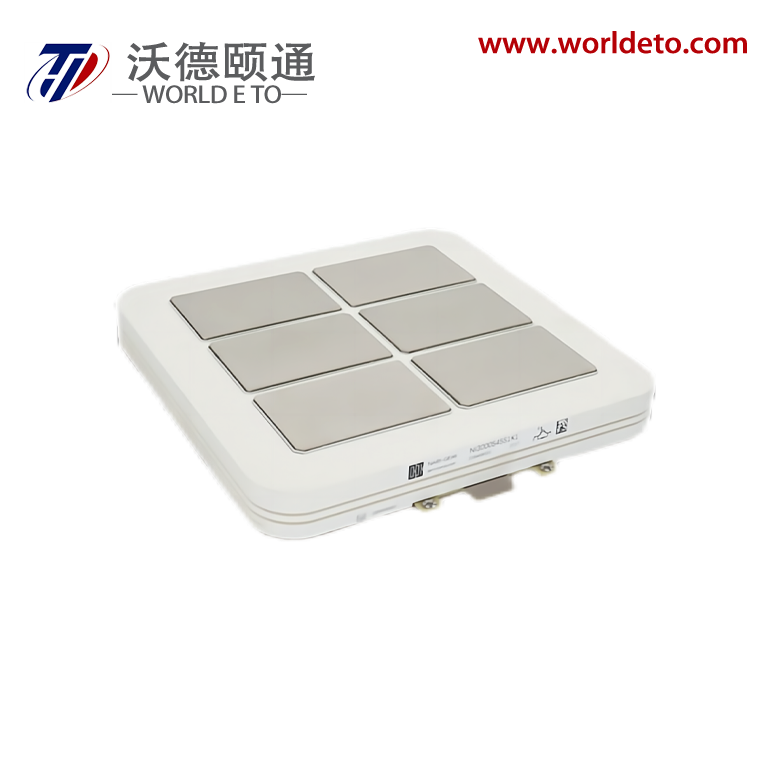
Основой надежной промышленной силовой электроники являются передовые архитектуры полупроводниковых приборов, сочетающие способность выдерживать высокое напряжение с эффективным отводом тепла. Инженерам, работающим над проектами критически важной инфраструктуры, требуются компоненты, способные функционировать непрерывно без деградации даже в условиях жёстких внешних воздействий, таких как перепады температуры, влажность и электромагнитные помехи. Эти сложные эксплуатационные параметры обуславливают необходимость применения специализированных технологий корпусирования, защищающих чувствительные полупроводниковые p-n-переходы и одновременно обеспечивающих оптимальный теплоотвод для поддержания стабильной рабочей температуры.
Современные промышленные применения всё чаще полагаются на силовые модули, объединяющие несколько полупроводниковых устройств в одном корпусе, что обеспечивает повышение плотности мощности и упрощение проектирования систем. Интеграция передовых функций, таких как диоды свободного хода, контроль температуры и усовершенствованные возможности защиты от короткого замыкания, кардинально изменила ландшафт промышленной силовой электроники. Эти достижения позволяют разработчикам систем достигать более высоких уровней эффективности при одновременном сокращении габаритных размеров оборудования для преобразования энергии.
Передовые технологии упаковки для применений с высокой мощностью
Инновации в управлении теплом
Эффективное тепловое управление представляет собой критически важный фактор, обеспечивающий долгосрочную надежность полупроводниковых приборов высокой мощности. Современные решения в области упаковки включают сложные механизмы отвода тепла, использующие прямое медное соединение, термоинтерфейсные материалы и оптимизированные конструкции основания для максимизации эффективности теплопередачи. Эти стратегии теплового управления позволяют полупроводниковым приборам работать при более высоких плотностях тока, сохраняя при этом температуру перехода в пределах безопасных эксплуатационных значений.
Применение специализированных термопаст и материалов для тепловых интерфейсов значительно повышает теплопроводность между полупроводниковыми кристаллами и радиаторами. Современные технологии упаковки используют материалы с теплопроводностью, превышающей показатели традиционных решений, что приводит к снижению теплового сопротивления и улучшению распределения температуры по структуре устройства. Такое улучшение тепловых характеристик напрямую обеспечивает увеличение возможностей по рассеиванию мощности и продление срока службы устройства.
Механическая прочность и защита от внешних воздействий
Промышленные среды подвергают электронные компоненты механическим нагрузкам, вибрации и воздействию загрязняющих веществ окружающей среды, что может снизить надёжность устройств. Современные решения в области упаковки включают прочные механические конструкции, обеспечивающие защиту от физических повреждений при сохранении свойств электрической изоляции. Использование специализированных материалов для заливки и герметичных методов упаковки гарантирует надёжную работу в сложных промышленных условиях.
Технологии герметизации от внешних воздействий защищают чувствительные полупроводниковые переходы от влаги, пыли и коррозионно-активных веществ, которые часто присутствуют на промышленных объектах. К таким защитным мерам относятся герметичная упаковка, конформные покрытия и специализированные уплотнительные системы, обеспечивающие целостность устройства в течение длительного срока эксплуатации. Внедрение комплексных стратегий защиты от внешних воздействий значительно снижает потребность в техническом обслуживании и повышает общую надёжность системы.
Характеристики высоковольтной производительности
Возможности по работе с напряжением
Современные промышленные применения требуют полупроводниковых устройств, способных выдерживать напряжения, значительно превышающие те, что встречаются в потребительской электронике. Разработка высоковольтных полупроводниковых технологий позволила создать устройства, способные безопасно функционировать при уровнях напряжения, превышающих несколько киловольт, при одновременном обеспечении низких потерь в открытом состоянии и быстрых характеристик переключения. Эти возможности являются ключевыми для таких применений, как системы передачи постоянного тока высокого напряжения (HVDC), генерация электроэнергии на морских ветровых электростанциях и приводы крупногабаритных промышленных электродвигателей.
Достижение высоких возможностей по работе с высоким напряжением требует тщательного внимания к проектированию полупроводниковых приборов, включая оптимизированные профили легирования, передовые методы формирования окончаний p-n-переходов и усовершенствованную поверхностную пассивацию. Эти проектные решения обеспечивают равномерное распределение электрического поля по всей структуре полупроводника, предотвращая локальный пробой и гарантируя надёжную работу в условиях высоких нагрузок. Внедрение этих передовых методов позволило создать приборы, способные выдерживать напряжения до 4500 В и выше.
Токопроводимость и рассеяние мощности
Промышленные применения с высокими требованиями к мощности требуют полупроводниковых устройств, способных пропускать значительные токи при минимальных потерях мощности. Разработка передовых полупроводниковых структур с оптимизированными путями протекания тока позволила создать устройства, способные выдерживать токи свыше 3000 А при сохранении приемлемого падения напряжения в открытом состоянии. Такие высокие возможности по коммутации тока достигаются за счёт использования больших активных площадей и параллельной конфигурации устройств.
Управление рассеиванием мощности становится всё более критичным по мере роста уровня тока, что требует применения сложных стратегий теплового проектирования для поддержания допустимых рабочих температур. Интеграция передовых систем охлаждения и методов теплового управления обеспечивает надёжную работу высокоточных устройств в течение длительного времени без деградации, вызванной перегревом. Такие решения в области теплового управления зачастую включают жидкостные системы охлаждения, усовершенствованные конструкции теплоотводов и оптимизированные схемы воздушного потока.
Интеграция с технологией диода свободного хода
Улучшенные характеристики переключения
Интеграция диодов свободного хода в модули силовых полупроводниковых приборов обеспечивает значительные преимущества с точки зрения характеристик переключения и эффективности системы. Эти интегрированные диоды обеспечивают быструю коммутацию тока во время переходных процессов переключения, снижая потери при переключении и минимизируя электромагнитные помехи. Комплектация основных переключающих элементов вместе с диодами свободного хода также уменьшает паразитную индуктивность, что позволяет повысить скорость переключения и улучшить общие эксплуатационные характеристики системы.
Современные конструкции диодов свободного хода включают специализированные полупроводниковые структуры, оптимизирующие параметры обратного восстановления и минимизирующие прямое падение напряжения. Такие усовершенствования конструкции приводят к снижению потерь при переключении и повышению общей эффективности системы, что особенно важно в приложениях с высокочастотным переключением. Тщательное согласование характеристик диодов свободного хода с параметрами основных устройств гарантирует оптимальную работу на всём диапазоне эксплуатационных условий.
Упрощение системы и повышение надежности
Интеграция диодов свободного хода в силовые модули значительно упрощает проектирование системы за счет сокращения количества дискретных компонентов и межкомпонентных соединений. Снижение числа компонентов не только уменьшает сложность системы, но и повышает её общую надежность, устраняя потенциальные точки отказа, связанные с подключением дискретных компонентов. Интегрированный подход также обеспечивает оптимальную тепловую связь между коммутирующими устройствами и диодами свободного хода.
Повышение надежности, достигаемое благодаря технологии интегрированных диодов свободного хода, выходит за рамки простого сокращения числа компонентов и включает улучшенное тепловое управление и снижение электромагнитных помех. Близкое расположение коммутирующих устройств и диодов свободного хода в одном корпусе обеспечивает эффективный обмен теплом и тепловое управление, а сокращение длины межкомпонентных соединений минимизирует паразитные индуктивности, которые могут вызывать коммутационные перегрузки.
Защита от короткого замыкания и функции безопасности
Современные механизмы обнаружения неисправностей
Промышленные системы силовой электроники требуют надёжных механизмов защиты от неисправностей для предотвращения катастрофических сбоев и обеспечения безопасной работы в аномальных условиях. Современные полупроводниковые устройства оснащены передовыми функциями обнаружения и защиты от короткого замыкания, способными реагировать на аварийные ситуации в течение микросекунд, предотвращая повреждение устройств и отказы систем. Эти механизмы защиты используют сложные схемы контроля, которые в режиме реального времени отслеживают параметры устройства.
Реализация схем обнаружения десатурации позволяет быстро выявлять короткое замыкание путём контроля напряжения между коллектором и эмиттером во время проводимости устройства. При обнаружении аномальных уровней напряжения защитные схемы немедленно запускают последовательности отключения устройства, чтобы предотвратить тепловое повреждение. Эти системы защиты разработаны так, чтобы надёжно функционировать даже при серьёзных аварийных ситуациях, обеспечивая безопасность системы и минимизируя простои.
Положительный температурный коэффициент
Внедрение характеристик положительного температурного коэффициента в полупроводниковых устройствах обеспечивает встроенную защиту от условий теплового разгона. По мере повышения температуры устройства вследствие аварийных ситуаций или чрезмерных токов положительный температурный коэффициент приводит к увеличению сопротивления устройства, что естественным образом ограничивает ток и предотвращает дальнейшее повышение температуры. Такое саморегулирующееся поведение обеспечивает дополнительный уровень защиты от теплового повреждения.
Поведение с положительным температурным коэффициентом особенно ценно в конфигурациях устройств, включённых параллельно, поскольку оно способствует равномерному распределению тока между несколькими устройствами. Данная характеристика предотвращает эффект «перехвата тока», который может привести к локальному перегреву и выходу устройства из строя. Внедрение функций с положительным температурным коэффициентом повышает общую устойчивость и надёжность системы в требовательных промышленных применениях.
Применение в системах критически важной инфраструктуры
Передача постоянного тока высокого напряжения и гибкие сети
Системы передачи постоянного тока высокого напряжения представляют собой одно из самых требовательных применений силовой полупроводниковой технологии, для которых требуются устройства, способные выдерживать экстремальные напряжения и токи при одновременном обеспечении высокой надёжности. Внедрение передовых модулей IGBT в прессованном корпусе в приложениях HVDC обеспечивает эффективную передачу электроэнергии на большие расстояния с минимальными потерями.
Гибкие системы переменного тока и приложения для межсистемных соединений сетей значительно выигрывают от передовых технологий силовых полупроводниковых приборов, обеспечивающих быстрый отклик и точное управление потоками мощности. Для этих систем требуются устройства, способные работать при высокочастотном переключении, сохраняя при этом низкие потери и высокую надёжность. Интеграция передовых функций управления и механизмов защиты обеспечивает стабильную работу электросети даже при изменяющихся нагрузках.
Интеграция возобновляемой энергии
Системы генерации электроэнергии с помощью оффшорных ветряных электростанций функционируют в одних из самых сложных условий, с которыми сталкиваются промышленные приложения, и требуют силовой электроники, устойчивой к воздействию морской воды, экстремальным погодным условиям и механическим вибрациям. Современные технологии упаковки обеспечивают необходимую защиту от внешней среды и механическую прочность для надёжной работы в этих суровых условиях. Высокие возможности по управлению мощностью позволяют эффективно преобразовывать и передавать энергию с оффшорных установок в наземные электрические сети.
Крупномасштабные фотоэлектрические установки и системы накопления энергии также выигрывают от передовых технологий силовых полупроводниковых приборов, обеспечивающих эффективное преобразование постоянного тока в переменный с минимальными потерями. Возможность работы с высоким напряжением позволяет осуществлять прямое подключение к распределительным сетям среднего напряжения, сокращая необходимость в многоступенчатом преобразовании. Для этих применений требуются устройства с исключительной надёжностью и длительным сроком службы, что обеспечивает приемлемую отдачу от инвестиций.
Промышленные приводы и управление двигателями
Системы частотно-регулируемых приводов
Область применения высокомощных полупроводниковых приборов, требующая точного регулирования скорости и крутящего момента в широком диапазоне рабочих условий. применение современные силовые модули позволяют создавать преобразователи частоты с повышенной эффективностью и сниженным уровнем гармонических искажений. Высокая способность к коммутации больших токов обеспечивает прямое подключение к мощным промышленным электродвигателям без необходимости использования нескольких параллельно включённых устройств.
Применение передовых технологий переключения в промышленных приводах обеспечивает повышение КПД электродвигателей и снижение акустического шума — важные факторы для промышленных условий эксплуатации. Высокая скорость переключения позволяет использовать передовые алгоритмы управления, такие как модуляция пространственного вектора и прямое управление моментом, которые обеспечивают превосходные характеристики двигателя по сравнению с традиционными методами управления. Для реализации этих передовых методов управления требуются силовые полупроводниковые приборы с отличными характеристиками переключения и низкими потерями.
Применение постоянного тока в устройствах отключения и защите
Применение постоянного тока в устройствах защиты от короткого замыкания ставит перед полупроводниковыми приборами питания уникальные задачи, требуя способности прерывать высокие токи постоянного тока без естественного прохождения тока через ноль, характерного для систем переменного тока. Современные полупроводниковые технологии позволяют создавать твёрдотельные устройства защиты от короткого замыкания постоянного тока, способные прерывать аварийные токи за доли миллисекунды, обеспечивая более высокий уровень защиты по сравнению с механическими устройствами защиты. Для таких применений требуются приборы с исключительной способностью выдерживать токи короткого замыкания и надёжными характеристиками выключения.
Интеграция передовых функций обнаружения неисправностей и защиты позволяет системам постоянного тока быстро реагировать на сверхтоки, одновременно различая нормальные токи нагрузки и аварийные режимы. Такая избирательная защита предотвращает необоснованные отключения системы, обеспечивая при этом быстрое отключение в случае реальных аварийных ситуаций. Высокие требования к надёжности в задачах защиты предъявляют к полупроводниковым устройствам необходимость подтверждённой долгосрочной стабильности и согласованности эксплуатационных характеристик.
Часто задаваемые вопросы
Каковы ключевые преимущества использования технологии пресс-упаковки в высокомощных приложениях
Технология пресс-упаковки обеспечивает несколько значительных преимуществ для полупроводниковых устройств высокой мощности, включая превосходное тепловое управление за счёт прямой теплопроводности к радиаторам, снижение паразитной индуктивности благодаря низкопрофильной конструкции и повышенную механическую прочность для эксплуатации в суровых промышленных условиях. Конструкция пресс-упаковки исключает использование проволочных соединений, что снижает количество потенциальных отказов и повышает надёжность. Кроме того, большие площади контакта обеспечивают отличное распределение тока и минимизируют тепловое сопротивление, позволяя достичь более высокой плотности мощности по сравнению с традиционными методами упаковки.
Как характеристики с положительным температурным коэффициентом повышают безопасность устройства
Характеристики с положительным температурным коэффициентом обеспечивают встроенную тепловую защиту за счёт автоматического ограничения тока при повышении температуры устройства. Такое саморегулирующееся поведение предотвращает возникновение теплового разгона и способствует обеспечению равномерного распределения тока в конфигурациях устройств, включённых параллельно. При аномальном нагреве, вызванном аварийными ситуациями или перегрузками, рост сопротивления естественным образом снижает ток, предоставляя внешним цепям защиты время на срабатывание. Данная характеристика значительно повышает надёжность устройств и безопасность систем в требовательных промышленных применениях.
Какие экологические вызовы создают для силовой электроники морские ветроэлектростанции?
Морские ветроэлектростанции подвергают силовую электронику экстремальным природным воздействиям, включая коррозию от солёной воды, высокую влажность, циклические колебания температуры, механическую вибрацию от ветра и волн, а также ограниченный доступ для технического обслуживания. Эти условия требуют применения специализированных технологий упаковки с герметичным уплотнением, коррозионностойкими материалами и прочными механическими конструкциями. Силовые полупроводниковые приборы должны обеспечивать надёжную работу в течение 20–25 лет при минимальном техническом обслуживании, что предъявляет исключительно высокие требования к качеству и надёжности. Такие меры защиты от внешней среды, как защитные конформные покрытия и герметичные корпуса, являются обязательными для обеспечения долгосрочной надёжности.
Как интегрированные диоды свободного хода повышают производительность и надёжность системы
Интегрированные диоды свободного хода обеспечивают несколько преимуществ в плане производительности и надежности, включая снижение паразитной индуктивности за счет укорочения токовых путей, улучшение тепловой связи между коммутирующими элементами и диодами, упрощение проектирования системы за счет сокращения количества дискретных компонентов, а также оптимизацию согласования характеристик устройств для повышения эффективности переключения. Интеграция устраняет потенциальные точки отказа, связанные с соединениями дискретных компонентов и проволочными соединениями. Кроме того, согласованные тепловые характеристики обеспечивают скоординированную работу устройств при изменении температуры, а снижение количества компонентов повышает общую надежность системы и уменьшает сложность сборки.
Содержание
- Передовые технологии упаковки для применений с высокой мощностью
- Характеристики высоковольтной производительности
- Интеграция с технологией диода свободного хода
- Защита от короткого замыкания и функции безопасности
- Применение в системах критически важной инфраструктуры
- Промышленные приводы и управление двигателями
-
Часто задаваемые вопросы
- Каковы ключевые преимущества использования технологии пресс-упаковки в высокомощных приложениях
- Как характеристики с положительным температурным коэффициентом повышают безопасность устройства
- Какие экологические вызовы создают для силовой электроники морские ветроэлектростанции?
- Как интегрированные диоды свободного хода повышают производительность и надёжность системы