penyearah penyaduran
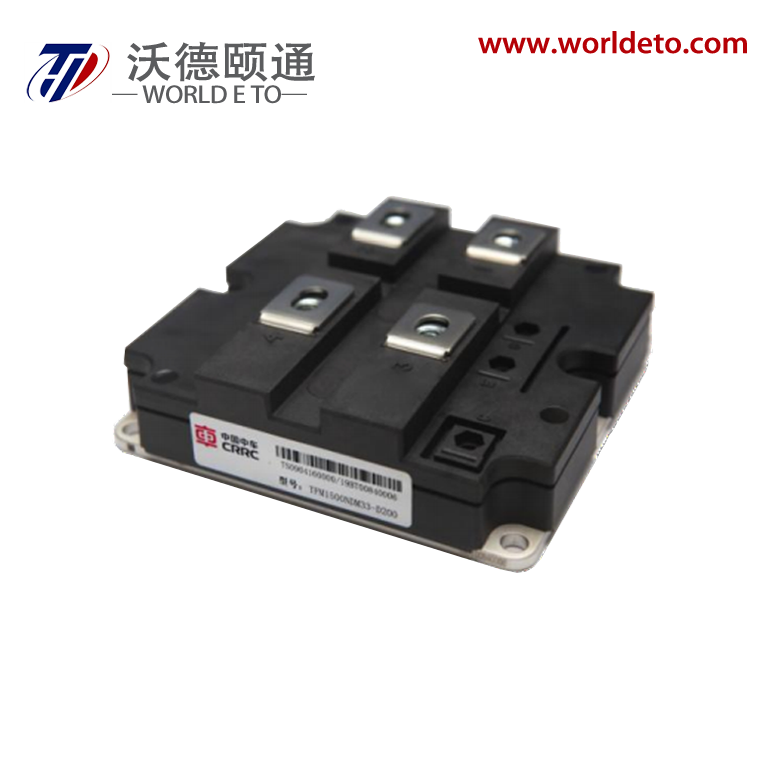
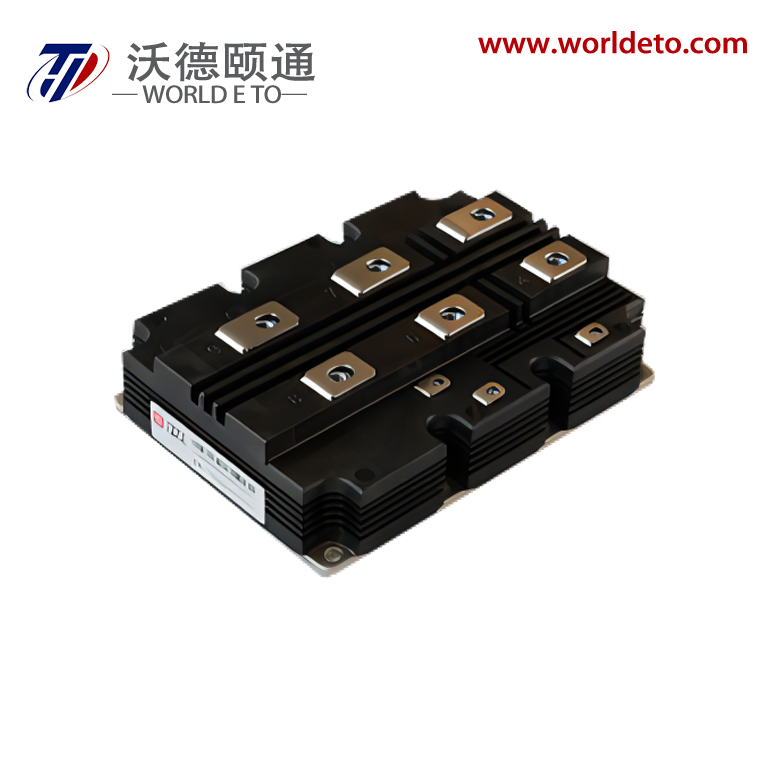
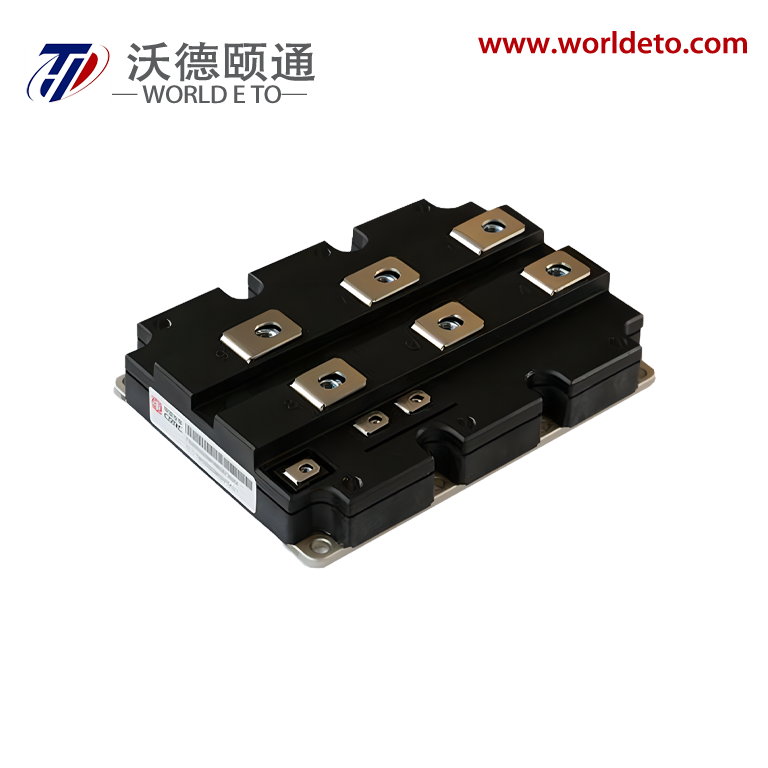
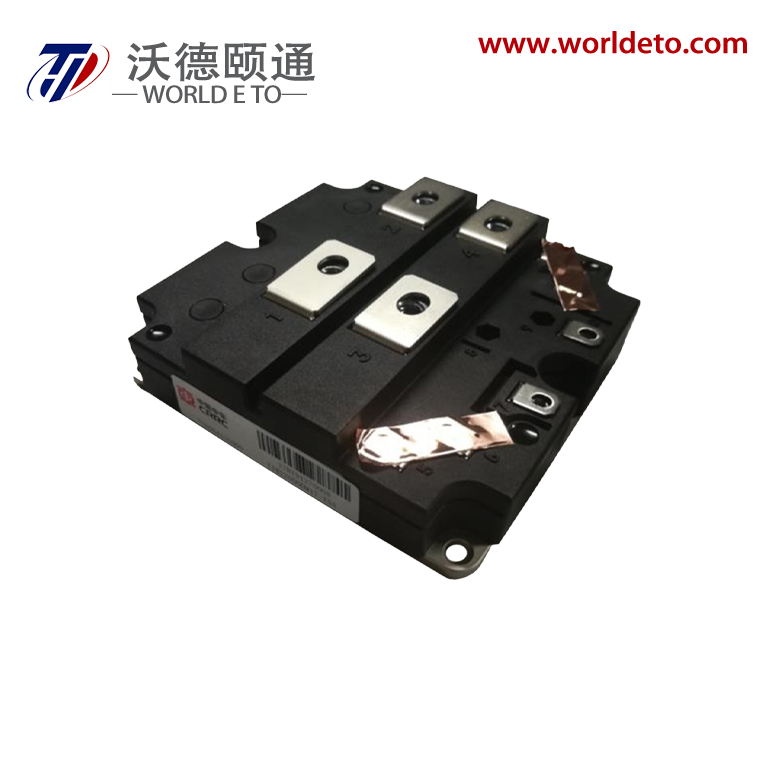
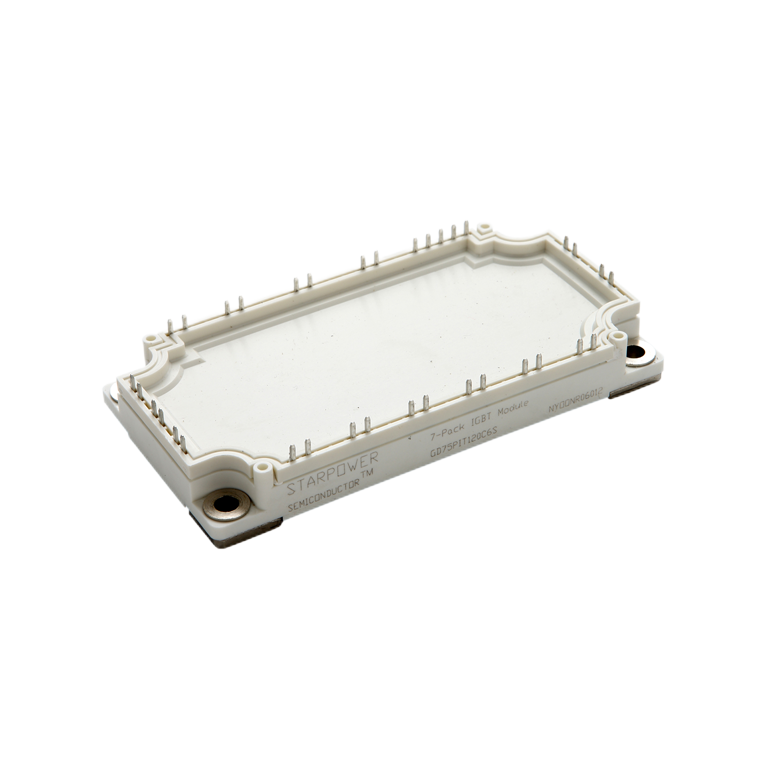
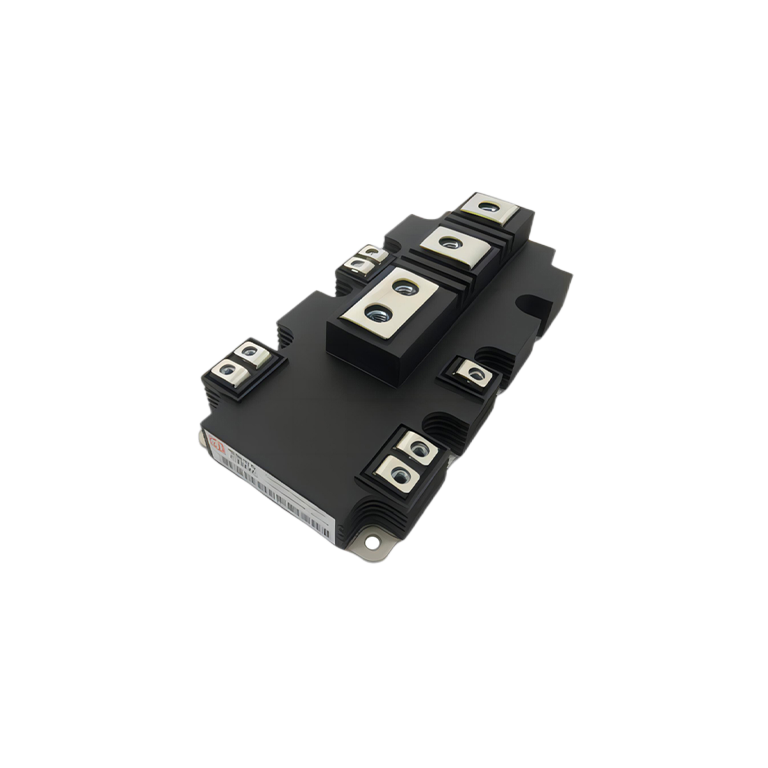
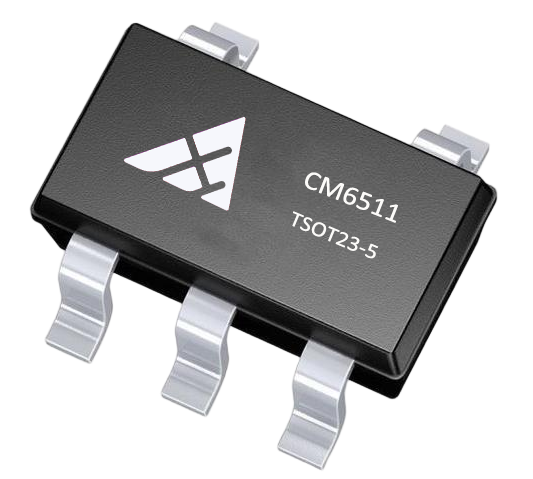
Penyelaras pelapisan berfungsi sebagai teras operasi pelapisan elektro, menukar arus ulang-alik (AC) kepada arus terus (DC) untuk memudahkan proses pemendapan elektrokimia. Peralatan bekalan kuasa khas ini memainkan peranan penting dalam pelbagai aplikasi rawatan permukaan, dari pelapisan kromium hiasan hingga proses pelapisan kromium keras industri. Penyelaras pelapisan memastikan kawalan voltan dan arus yang tepat, yang secara langsung mempengaruhi kualiti, keseragaman, dan lekatan lapisan pelapisan pada substrat. Penyelaras pelapisan moden menggabungkan teknologi pensuisan lanjutan, biasanya menggunakan pengalih arus terkawal silikon (SCR) atau transistor bipolar gerbang terpencil (IGBT) untuk mencapai ciri prestasi yang unggul. Unit-unit ini dilengkapi sistem pemantauan komprehensif yang menjejak parameter kritikal termasuk voltan output, ketumpatan arus, perubahan suhu, dan kecekapan operasi. Arkitektur teknologi penyelaras pelapisan kontemporari menekankan kecekapan tenaga, dengan ramai model mencapai kecekapan penukaran melebihi 90 peratus melalui rekabentuk transformer yang dioptimumkan dan algoritma kawalan pintar. Mekanisme keselamatan diintegrasikan secara menyeluruh dalam sistem, termasuk perlindungan terhadap arus lebih, fungsi penutupan automatik akibat suhu tinggi, serta pengesanan kecacatan tanah untuk memastikan keselamatan operator dan jangka hayat peralatan yang panjang. Penyelaras pelapisan biasanya terdiri daripada transformer penurun voltan, litar pengubah arus, komponen penapis, dan elektronik kawalan yang canggih yang beroperasi secara selaras untuk menghasilkan output DC yang stabil dan bebas riak. Aplikasinya merangkumi pembuatan kenderaan bermotor, komponen penerbangan dan angkasa lepas, pengeluaran peranti elektronik, penyelesaian barang kemas, serta rawatan perkakasan arkitektur. Keluwesan penyelaras pelapisan moden membolehkan ia menampung pelbagai proses pelapisan elektro, termasuk pelapisan tembaga, pelapisan nikel, salutan zink, dan pemendapan logam berharga. Sistem-sistem ini boleh dikonfigurasikan untuk operasi pelapisan rak dan pelapisan dram, dengan parameter yang boleh dilaraskan untuk mengoptimumkan hasil mengikut jenis bahan substrat dan keperluan lapisan.
 EN
EN