Inverter Diode: Advanced Power Conversion Solutions for High-Performance Applications

All Categories
Get a Quote

Get a Free Quote

Our representative will contact you soon.
Email
Name
Company Name
Message
0/1000

inverter diode

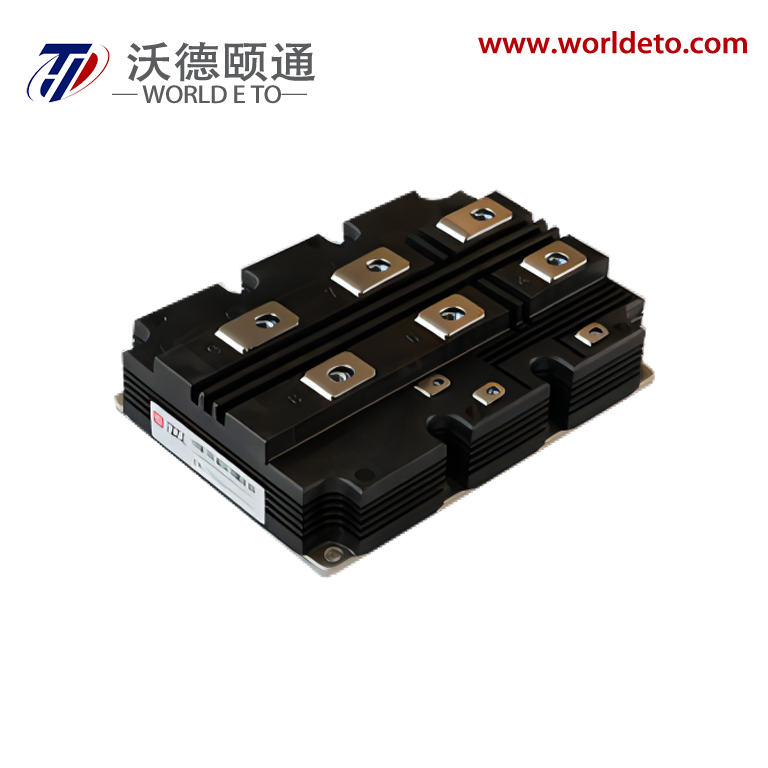
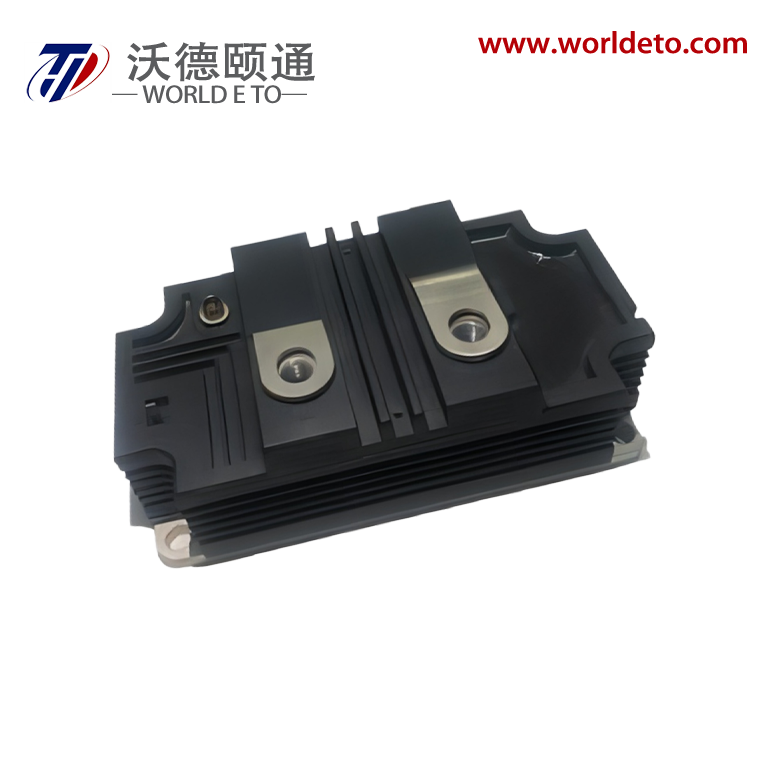
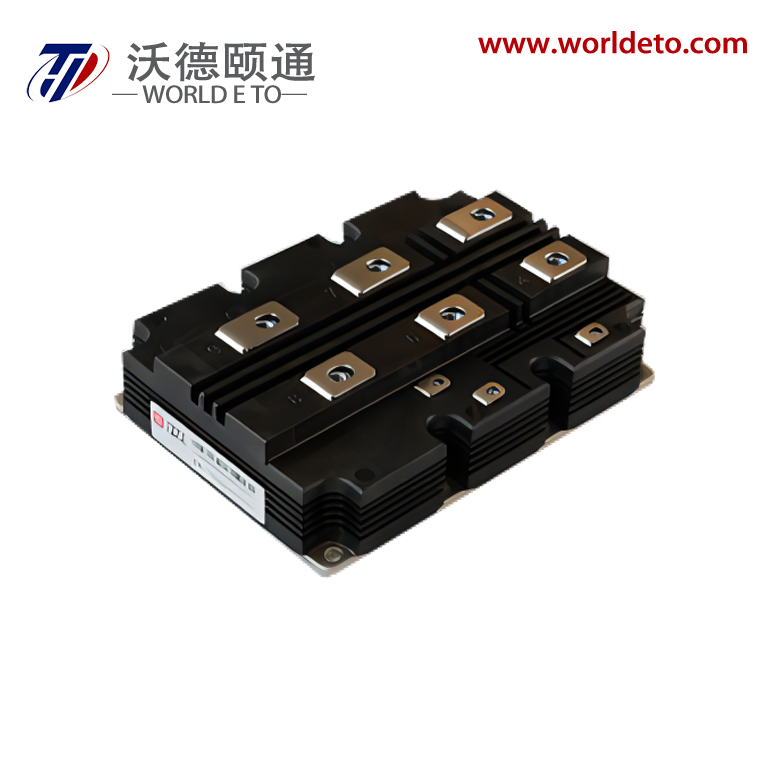
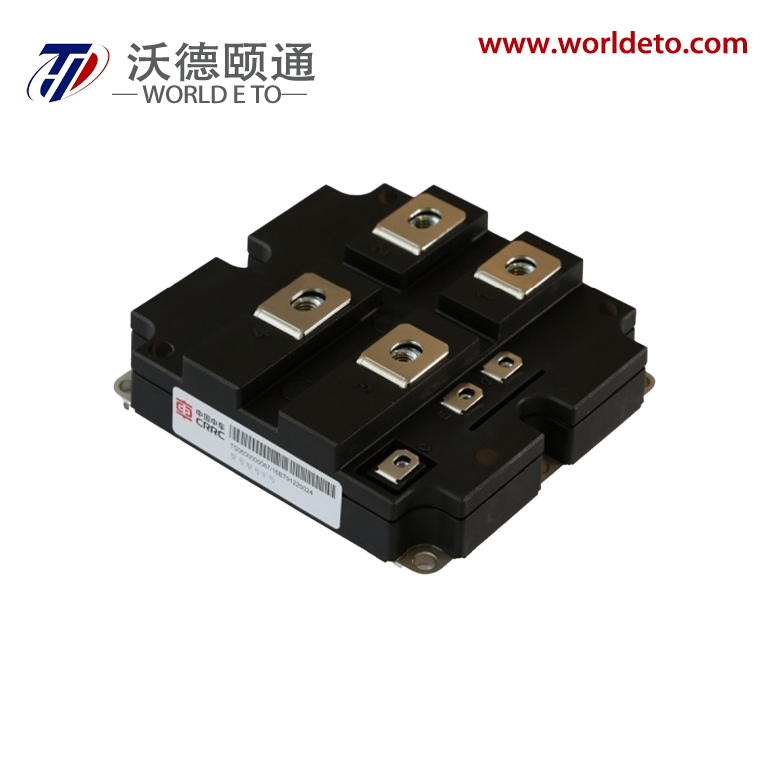
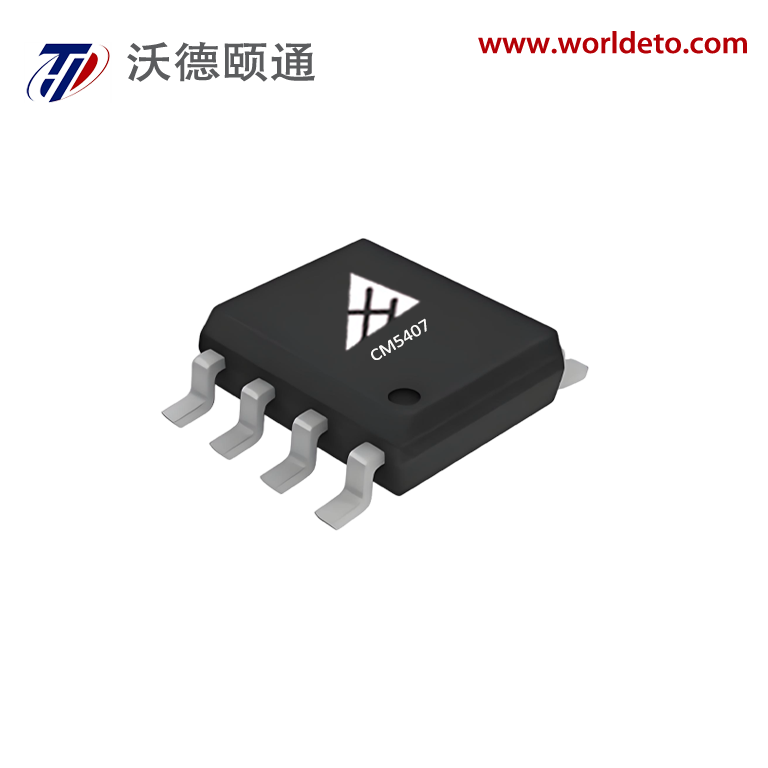
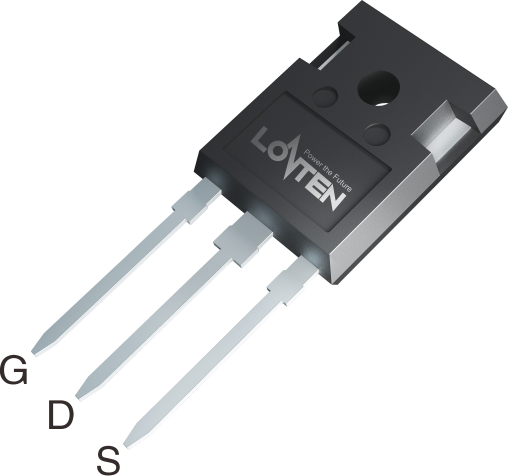
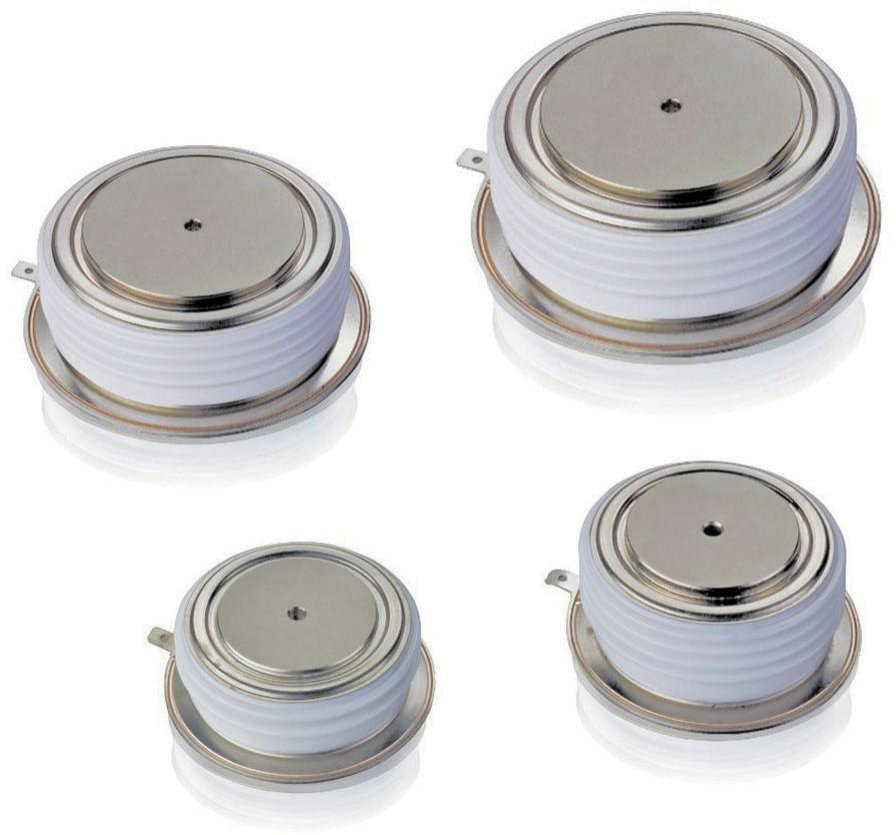
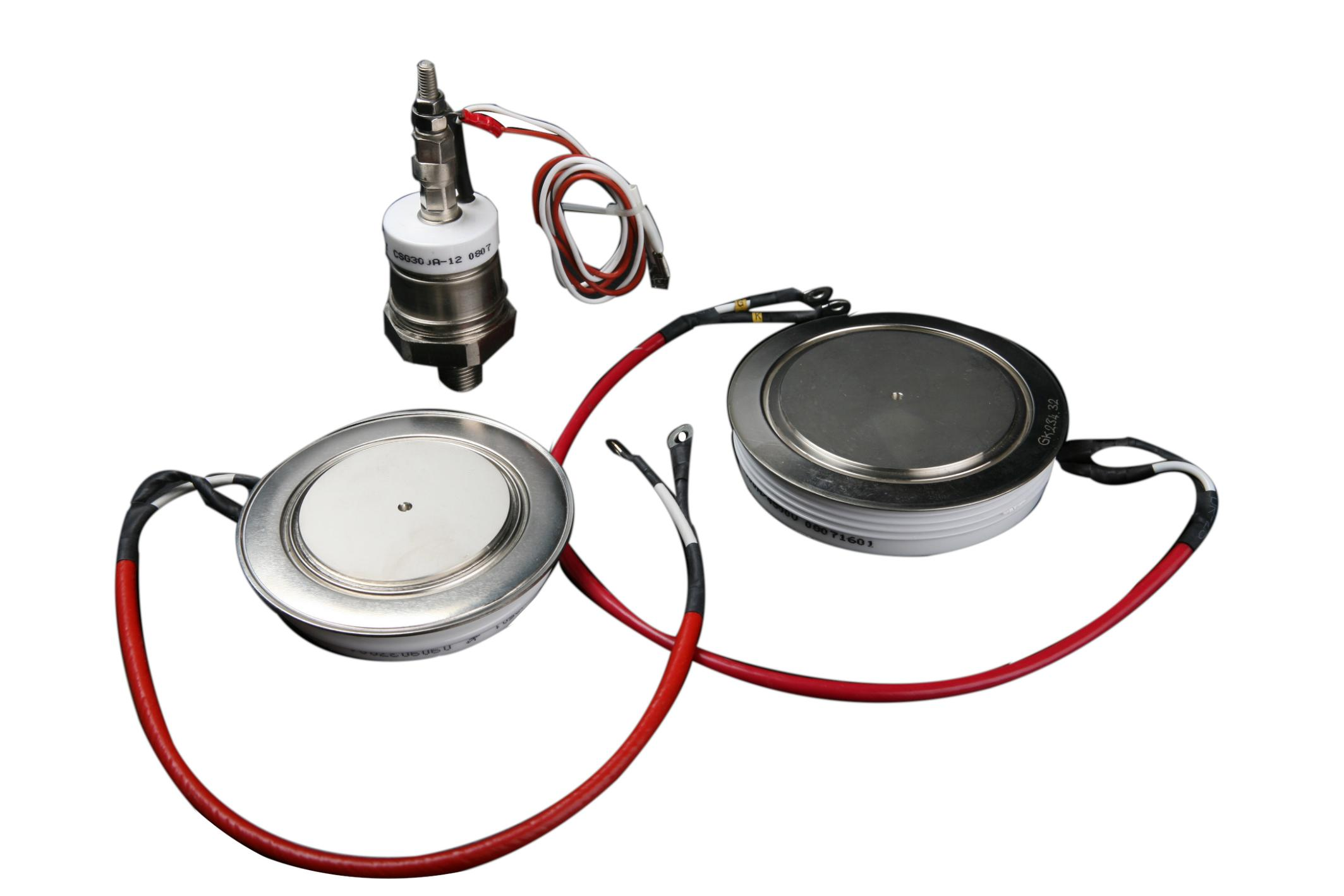
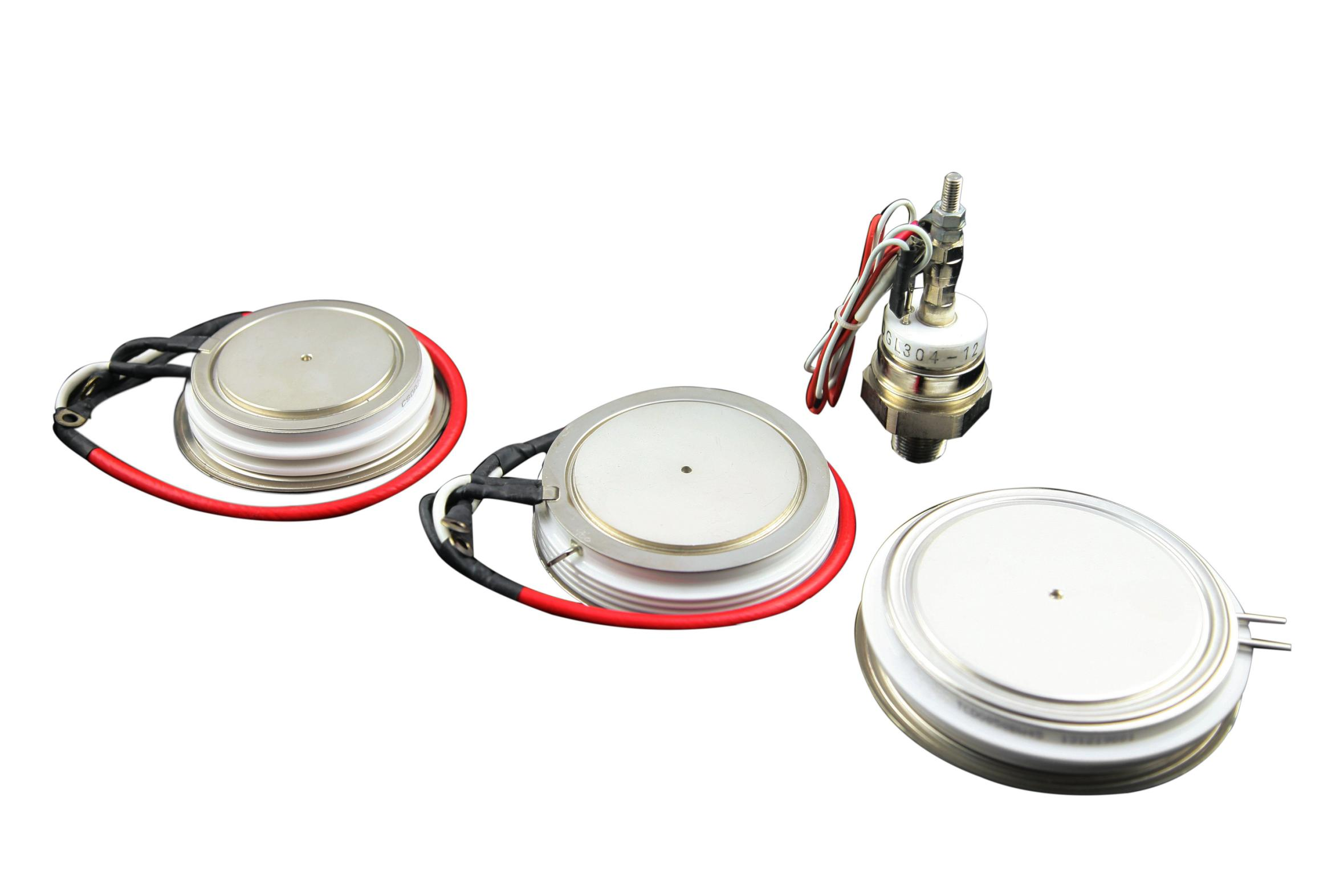
The inverter diode represents a crucial semiconductor component that plays an essential role in modern power conversion systems. This specialized electronic device serves as a fundamental building block in various applications where direct current needs to be converted into alternating current efficiently and reliably. An inverter diode functions primarily as a unidirectional current controller, allowing electrical current to flow in one direction while blocking reverse current flow, thereby protecting sensitive components within inverter circuits from potential damage caused by reverse polarity conditions. The technological features of the inverter diode include advanced silicon or silicon carbide construction materials that provide superior thermal conductivity and electrical performance characteristics. These diodes typically exhibit fast recovery times, meaning they can quickly switch between conducting and non-conducting states, which is particularly important in high-frequency inverter applications. The forward voltage drop of quality inverter diodes remains minimal, ensuring energy efficiency throughout the conversion process. Modern inverter diodes incorporate advanced junction designs that minimize power losses and maximize operational lifespan, often featuring avalanche energy ratings that protect against voltage spikes and transient conditions. Applications for inverter diodes span across numerous industries and consumer products. Solar power systems rely heavily on inverter diodes within their DC-to-AC conversion units, enabling households and businesses to convert solar panel output into usable alternating current for standard electrical appliances. Electric vehicle charging stations utilize inverter diodes in their power conversion modules to provide appropriate charging voltages and currents. Industrial motor drives depend on these components for precise speed control and torque management in manufacturing equipment. Uninterruptible power supplies incorporate inverter diodes to ensure seamless power delivery during utility outages. Wind turbine systems employ these devices to convert variable frequency AC output into grid-compatible electrical power, demonstrating the versatility and importance of inverter diodes in renewable energy applications.

New Products

The inverter diode offers numerous practical advantages that directly benefit customers seeking reliable and efficient power conversion solutions. Energy efficiency stands as the primary advantage, as modern inverter diodes minimize power losses during operation through optimized junction designs and advanced semiconductor materials. This efficiency translates into reduced electricity costs for end users, whether in residential solar installations or large-scale industrial applications. The low forward voltage drop characteristic ensures that minimal energy is wasted as heat, allowing more converted power to reach its intended destination. Customers experience tangible cost savings over time, as improved efficiency reduces overall energy consumption and operational expenses. Reliability represents another significant advantage that customers value highly. Inverter diodes demonstrate exceptional durability under various operating conditions, including temperature fluctuations, voltage variations, and mechanical stress. This robust performance reduces maintenance requirements and extends equipment lifespan, providing customers with peace of mind and lower total ownership costs. The avalanche energy rating of quality inverter diodes protects entire systems from unexpected voltage spikes, preventing costly equipment damage and minimizing downtime in critical applications. Fast switching capabilities enable inverter diodes to handle high-frequency operations without performance degradation, making them suitable for demanding applications such as variable frequency drives and precision motor control systems. This rapid response time improves overall system performance and allows for more precise control of connected equipment. Customers benefit from smoother operation and better control accuracy in their applications. Thermal management advantages emerge from the superior heat dissipation properties of modern inverter diodes. These components can operate effectively across wide temperature ranges while maintaining stable performance characteristics. This thermal stability reduces the need for complex cooling systems, simplifying installation requirements and reducing associated costs. The compact design of inverter diodes allows for space-efficient installations, particularly important in applications where space constraints exist. Customers can achieve their power conversion goals without requiring extensive real estate or complex mounting arrangements. Installation flexibility becomes a practical advantage as inverter diodes can be integrated into various circuit configurations and system designs. This versatility allows customers to adapt the components to their specific requirements without major system modifications. The standardized packaging and connection methods simplify integration processes, reducing installation time and labor costs for customers across different industries and applications.

Latest News

Building Reliable Systems: The Role of Precision Voltage References and LDOs in Industrial Applications

07

Jan

Building Reliable Systems: The Role of Precision Voltage References and LDOs in Industrial Applications

Industrial automation and control systems demand unwavering accuracy and reliability to ensure optimal performance across diverse operating conditions. At the heart of these sophisticated systems lie critical components that provide stable power mana...
View More
High-Precision ADC, DAC, and Voltage References: Comprehensive Analysis of Low-Power Domestic Solutions

02

Feb

High-Precision ADC, DAC, and Voltage References: Comprehensive Analysis of Low-Power Domestic Solutions

The demand for high-precision analog-to-digital converters in modern electronic systems continues to surge as industries require increasingly accurate measurement and control capabilities. High-precision ADC technology forms the backbone of sophistic...
View More
From ADC to LDO: Complete High-Precision, Low-Power Domestic Chip Replacement Solutions

02

Feb

From ADC to LDO: Complete High-Precision, Low-Power Domestic Chip Replacement Solutions

The semiconductor industry faces unprecedented challenges as global supply chain disruptions and geopolitical tensions drive demand for reliable domestic chip replacement solutions. Companies across industries are increasingly seeking alternatives to...
View More
Super-junction MOSFET

25

Jan

Super-junction MOSFET

The super-junction MOSFET (Meta Oxide Semiconductor Field Effect Transistor) introduces a lateral electric field control on the basis of the traditional VDMOS, thereby making the vertical electric field distribution approach an ideal rectangle. This ...
View More

Get a Free Quote

Our representative will contact you soon.
Email
Name
Company Name
Message
0/1000

inverter diode

Advanced Thermal Management and Heat Dissipation

Advanced Thermal Management and Heat Dissipation

The superior thermal management capabilities of the inverter diode set it apart from conventional semiconductor devices, providing customers with exceptional reliability and performance consistency across demanding operating conditions. Modern inverter diodes incorporate advanced thermal interface materials and optimized chip designs that efficiently conduct heat away from critical junction areas, preventing thermal runaway conditions that could compromise performance or cause premature failure. This thermal excellence stems from carefully engineered heat sink integration points and thermal resistance optimization that allows the inverter diode to maintain stable electrical characteristics even under high-current operation. The thermal coefficient design ensures that electrical parameters remain consistent across temperature variations, providing predictable performance that customers can rely upon in mission-critical applications. Heat dissipation efficiency directly impacts system longevity and operational costs, as excessive heat represents the primary enemy of semiconductor reliability. The inverter diode addresses this challenge through innovative packaging techniques that maximize surface area contact with cooling systems while minimizing thermal resistance pathways. Customers benefit from reduced cooling requirements, as the efficient heat management reduces the burden on external cooling systems, leading to energy savings and simplified system designs. The thermal cycling endurance of quality inverter diodes allows them to withstand repeated heating and cooling cycles without degradation, particularly important in applications where load conditions vary frequently throughout operation. This thermal resilience translates into extended service life and reduced replacement frequency, providing customers with lower maintenance costs and improved system uptime. Industrial applications particularly benefit from this thermal management excellence, as manufacturing environments often subject electronic components to challenging temperature conditions. The inverter diode maintains consistent performance whether operating in climate-controlled facilities or harsh industrial environments, giving customers confidence in their equipment reliability regardless of installation location.
Ultra-Fast Recovery Time and High-Frequency Performance

Ultra-Fast Recovery Time and High-Frequency Performance

The exceptional recovery time characteristics of the inverter diode enable superior performance in high-frequency switching applications, delivering customers the precision and efficiency required for modern power conversion systems. Recovery time represents the critical period required for the inverter diode to transition from conducting to blocking state, and faster recovery times directly translate to reduced switching losses and improved overall system efficiency. Advanced inverter diodes achieve recovery times measured in nanoseconds, enabling operation at switching frequencies that were previously impossible with older semiconductor technologies. This speed advantage allows customers to design more compact and efficient power conversion systems, as higher switching frequencies enable the use of smaller magnetic components such as transformers and inductors. The reduced component size requirements lead to cost savings and improved power density in final applications. High-frequency capability becomes particularly valuable in applications such as switch-mode power supplies, where rapid switching enables precise voltage regulation and improved transient response. Customers operating equipment with varying load conditions benefit from the fast response characteristics, as the inverter diode can quickly adapt to changing electrical demands without introducing instability or performance degradation. The low reverse recovery charge associated with fast recovery inverter diodes minimizes electromagnetic interference generation, resulting in cleaner electrical operation and reduced filtering requirements. This EMI reduction simplifies system design and helps customers meet regulatory compliance standards more easily. Motor drive applications particularly benefit from high-frequency performance, as precise switching control enables smoother motor operation, reduced torque ripple, and improved speed regulation accuracy. The inverter diode enables customers to achieve superior motor performance while reducing audible noise and mechanical stress on driven equipment. Power factor correction circuits rely on fast switching capabilities to maintain optimal power quality, and the inverter diode provides the speed necessary for real-time correction of power factor variations, helping customers reduce utility penalties and improve electrical system efficiency.
Superior Voltage Handling and Surge Protection

Superior Voltage Handling and Surge Protection

The robust voltage handling capabilities and integrated surge protection features of the inverter diode provide customers with exceptional system protection and operational reliability in challenging electrical environments. Voltage handling excellence emerges from advanced junction engineering and carefully controlled doping profiles that enable the inverter diode to withstand high reverse voltages without breakdown or performance degradation. This voltage tolerance provides customers with significant safety margins in their system designs, allowing for operation under varying supply conditions without risk of component failure. The avalanche breakdown characteristics of quality inverter diodes create a controlled failure mode that protects both the diode itself and surrounding circuit components from damage during overvoltage conditions. This protection feature acts as a built-in surge suppressor, eliminating the need for additional protection components in many applications and simplifying customer system designs. Surge energy absorption capabilities allow the inverter diode to handle transient voltage spikes that commonly occur in electrical systems due to lightning strikes, switching operations, or inductive load disconnection. Customers operating in areas prone to electrical disturbances benefit from this inherent protection, as the inverter diode can absorb surge energy without permanent damage, maintaining system operation during adverse conditions. The voltage regulation characteristics help maintain stable output voltages even when input conditions vary, providing customers with consistent power quality for sensitive loads. Industrial customers particularly value this voltage stability, as it protects expensive equipment from voltage-related damage and ensures consistent product quality in manufacturing processes. The high voltage blocking capability enables customers to design systems with higher operating voltages, increasing power handling capacity without proportional increases in component count or system complexity. This scaling advantage becomes particularly important in renewable energy applications where higher voltages improve transmission efficiency and reduce current-related losses. Grid-tie inverter applications benefit from the superior voltage handling, as the inverter diode can safely interface with utility voltage systems while providing reliable isolation and protection functions that meet stringent safety standards and regulatory requirements for grid-connected equipment.

Get a Free Quote

Our representative will contact you soon.
Email
Name
Company Name
Message
0/1000