
 EN
EN
Modern electronic systems demand unprecedented precision and efficiency in their power management circuits. Among the critical components that maintain system stability, linear regulators stand out as essential building blocks for signal processing applications. These voltage regulation devices provide clean, low-noise power supply that directly impacts the performance of sensitive analog circuits, data converters, and radio frequency systems. Understanding the intricate balance between efficiency and speed in linear regulators becomes crucial for engineers designing next-generation electronic products.
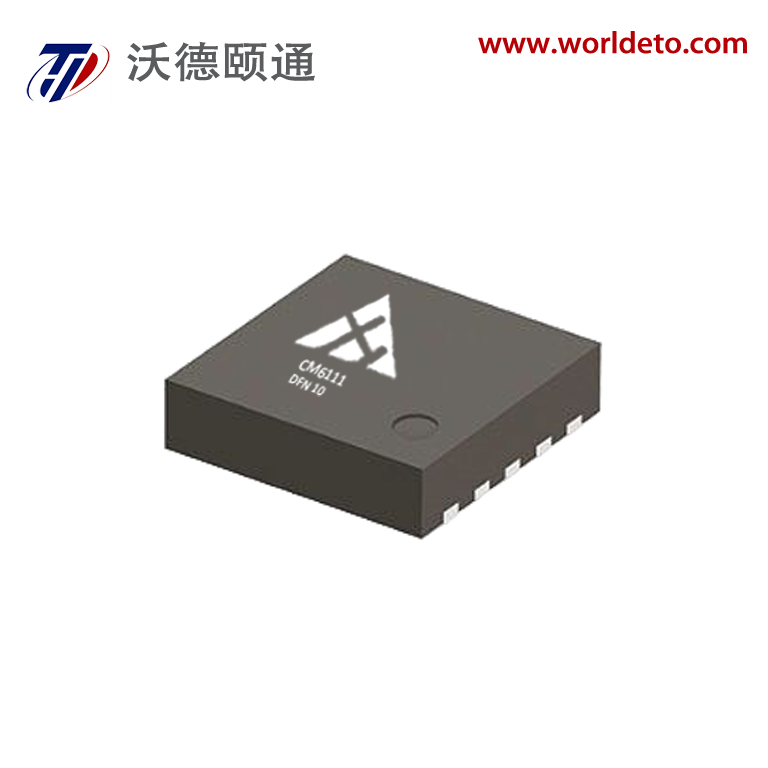
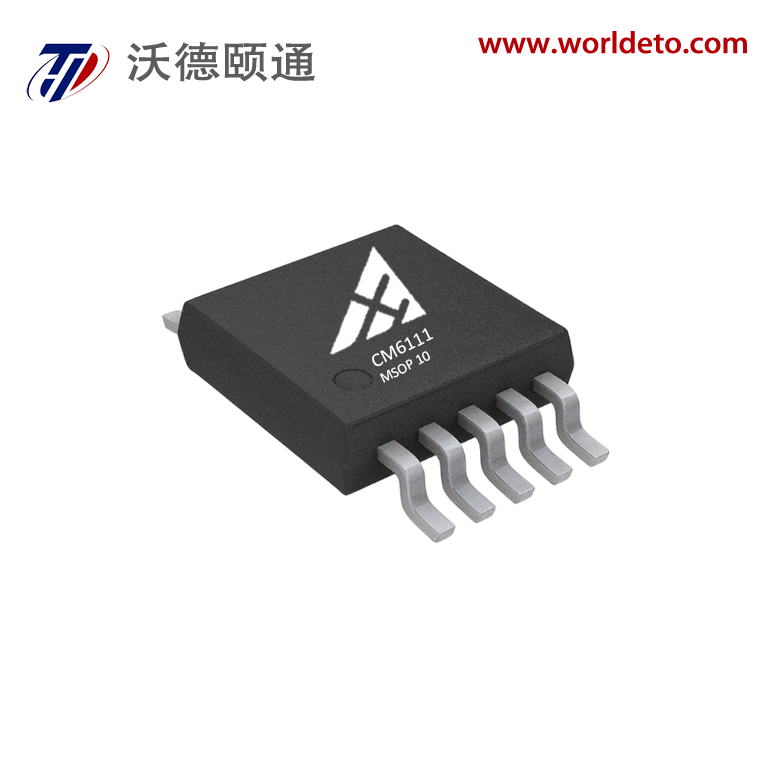
The evolution of linear regulators has been driven by the increasing complexity of modern electronic systems. From simple three-terminal devices to sophisticated multi-output controllers, these components have adapted to meet the demanding requirements of contemporary applications. Engineers face the constant challenge of optimizing power efficiency while maintaining the fast transient response that critical signal chains require.
Fundamentals of Linear Regulator Operation
Basic Operating Principles
The operation of linear regulators relies on a fundamental principle of controlled voltage drop across a pass element, typically a transistor operating in its linear region. This pass element acts as a variable resistor, continuously adjusting its resistance to maintain a constant output voltage regardless of input voltage variations or load changes. The control loop consists of a voltage reference, error amplifier, and feedback network that collectively monitor the output voltage and make real-time corrections.
Unlike switching regulators that use energy storage elements and pulse-width modulation, linear regulators provide continuous voltage regulation through dissipative control. This approach results in inherently low output noise and excellent line regulation characteristics, making them ideal for noise-sensitive applications. The simplicity of the linear approach also translates to faster transient response compared to switching alternatives, particularly important in high-speed signal processing systems.
The voltage reference circuit within linear regulators serves as the foundation for output accuracy and temperature stability. Modern designs incorporate bandgap references that provide temperature-compensated voltage standards with typical temperature coefficients below 50 ppm per degree Celsius. This precision enables system designers to achieve tight voltage tolerances across wide operating temperature ranges.
Control Loop Dynamics
The control loop characteristics of linear regulators determine their ability to respond to sudden load changes and maintain output voltage stability. The loop gain, phase margin, and bandwidth collectively define the transient performance and stability margins of the regulator. Higher bandwidth generally improves transient response but may compromise stability, requiring careful compensation network design.
Compensation techniques for linear regulators often involve adding external capacitors to create dominant poles and zeros that ensure stable operation across all operating conditions. The selection of output capacitor type and value significantly influences both stability and transient performance. Low-ESR ceramic capacitors provide excellent high-frequency characteristics, while tantalum or aluminum electrolytic types offer higher capacitance density for bulk energy storage.
Advanced linear regulators incorporate adaptive compensation schemes that automatically adjust loop characteristics based on operating conditions. These intelligent designs optimize transient response while maintaining stability margins, particularly beneficial in applications with widely varying load conditions or input voltage ranges.
Efficiency Considerations in Linear Regulation
Thermal Management Challenges
The efficiency of linear regulators is fundamentally limited by their dissipative nature, where the difference between input and output voltage multiplied by the load current determines power loss. This power dissipation appears as heat that must be effectively managed to prevent thermal shutdown and ensure reliable operation. Thermal resistance calculations become critical in determining package selection and heat sink requirements for high-power applications.
Modern linear regulators incorporate sophisticated thermal protection mechanisms including thermal shutdown, thermal foldback, and temperature-compensated current limiting. These features protect the device from damage while maintaining operation under adverse thermal conditions. Some advanced designs include thermal monitoring outputs that provide early warning of approaching thermal limits, enabling system-level thermal management strategies.
Package innovations have significantly improved the thermal performance of linear regulators, with exposed pad packages and thermal vias providing lower thermal resistance paths to the PCB. These enhancements enable higher power density designs while maintaining acceptable junction temperatures.
Low-Dropout Architecture Benefits
Low-dropout (LDO) linear regulators represent a significant advancement in efficiency optimization by minimizing the voltage drop across the pass element. Traditional linear regulators using NPN or N-channel pass transistors require several volts of headroom, while LDO designs can operate with dropout voltages as low as 100-200 millivolts. This reduction in dropout voltage directly translates to improved efficiency, particularly important in battery-powered applications.
The PNP or P-channel pass transistor configuration in LDO linear regulators enables this low-dropout operation but introduces unique challenges in control loop design. The higher output impedance and different frequency response characteristics require specialized compensation techniques to maintain stability and transient performance. Modern LDO controllers address these challenges through advanced circuit topologies and adaptive control schemes.
Ultra-low dropout linear regulators push the efficiency envelope further with dropout voltages below 100 millivolts at full load. These devices often incorporate charge pump circuits or other techniques to enhance the gate drive of the pass transistor, enabling operation with minimal input-output voltage differential while maintaining regulation accuracy.
Speed and Transient Response Optimization
Fast Transient Performance Requirements
Signal processing applications demand linear regulators with exceptional transient response to maintain power supply integrity during rapid load changes. Digital signal processors, field-programmable gate arrays, and high-speed analog-to-digital converters can create instantaneous current demands that challenge conventional regulator designs. The ability to quickly respond to these load transients while maintaining output voltage within specification becomes critical for system performance.
The slew rate limitation of linear regulators typically stems from the charging and discharging of internal compensation capacitors and the finite current drive capability of internal amplifiers. Advanced designs incorporate high-current buffer stages and adaptive biasing schemes that increase slew rate during transient conditions while maintaining low quiescent current during steady-state operation.
Output capacitor selection plays a crucial role in transient response optimization for linear regulators. While larger capacitance values provide more energy storage for load transients, they can also slow down the regulator response due to increased charging time constants. The optimal solution often involves parallel combinations of different capacitor types to achieve both fast response and adequate energy storage.
Bandwidth Extension Techniques
Extending the control loop bandwidth of linear regulators improves their ability to respond to high-frequency load variations and reject input voltage ripple. However, bandwidth extension must be carefully balanced against stability requirements, as excessive gain at high frequencies can lead to oscillation or ringing in the output voltage. Modern regulator designs employ sophisticated compensation networks that maximize useful bandwidth while maintaining adequate phase and gain margins.
Feedforward compensation techniques in linear regulators provide additional improvement in line regulation and transient response by directly coupling input voltage changes to the control loop. This approach reduces the delay in responding to input disturbances and can significantly improve power supply rejection ratio across a wide frequency range.
Multi-loop control architectures represent an advanced approach to optimizing linear regulators for both speed and stability. By implementing separate control paths for different frequency ranges or operating conditions, these designs can achieve superior performance compared to single-loop alternatives while maintaining design flexibility and robustness.
Application-Specific Design Considerations
Noise-Sensitive Analog Circuits
Analog signal processing circuits place stringent requirements on power supply noise and stability, making linear regulators the preferred choice for these applications. The inherently low noise characteristics of linear regulation, typically in the microvolts RMS range, provide the clean power supply environment necessary for precision measurements and high-resolution data conversion. Understanding the noise sources within the regulator and their frequency characteristics enables optimal design choices.
Reference noise in linear regulators dominates the output noise at low frequencies, while thermal noise from the pass transistor and feedback network becomes significant at higher frequencies. Advanced low-noise designs incorporate specialized reference circuits and optimized transistor geometries to minimize these noise contributions. External filtering techniques can further reduce output noise when required by ultra-precision applications.
The power supply rejection ratio (PSRR) of linear regulators determines their ability to reject input voltage ripple and noise, crucial for applications where the input supply contains switching regulator artifacts or other interference. High PSRR across a wide frequency range requires careful attention to regulator architecture and compensation network design.
High-Speed Digital Systems
High-speed digital circuits create unique challenges for linear regulators due to their dynamic current consumption patterns and sensitivity to power supply noise. Modern microprocessors and digital signal processors can exhibit current swings from near-zero to several amperes within nanoseconds, requiring regulators with exceptional transient response and low output impedance across a wide frequency range.
The inductance of connection paths between linear regulators and their loads becomes critically important in high-speed digital applications. Even small amounts of series inductance can cause significant voltage droops during fast current transients, necessitating careful PCB layout and the strategic placement of decoupling capacitors. Multiple smaller regulators distributed closer to point-of-load often provide better performance than single high-current centralized regulators.
Clock jitter sensitivity in digital systems requires linear regulators with extremely low phase noise characteristics. The timing accuracy of high-speed digital circuits depends on clean power supplies, making regulator noise performance a critical system design parameter. Specialized low-jitter linear regulators incorporate design features specifically optimized for timing-critical applications.
Advanced Linear Regulator Topologies
Multi-Output Regulation Systems
Complex electronic systems often require multiple regulated voltages with different specifications, leading to the development of multi-output linear regulators. These devices can provide several independent regulated outputs from a single input supply, offering advantages in component count reduction, thermal management, and overall system efficiency. The challenge lies in maintaining cross-regulation performance while optimizing each output for its specific requirements.
Tracking capabilities in multi-output linear regulators enable synchronized startup and shutdown sequences, critical for systems with multiple power domains. Sequential power-up requirements in complex digital systems can be satisfied through programmable timing controls that ensure proper initialization order while preventing latch-up conditions or excessive inrush currents.
Thermal considerations become more complex in multi-output linear regulators due to the interaction between multiple pass transistors sharing the same thermal path. Advanced thermal modeling and careful power dissipation management ensure reliable operation across all outputs under worst-case loading conditions.
Programmable and Adjustable Designs
Programmable linear regulators offer unprecedented flexibility in system design by allowing dynamic adjustment of output voltage, current limit, and other parameters through digital interfaces. These intelligent power management devices can adapt to changing system requirements or provide power optimization based on operating conditions. Digital control interfaces, typically I2C or SPI, enable real-time monitoring and adjustment of regulator parameters.
Precision digital-to-analog converters within programmable linear regulators determine the accuracy and resolution of voltage adjustment capabilities. High-resolution DACs enable fine voltage trimming for component tolerance compensation or performance optimization, while built-in non-volatile memory stores configuration parameters across power cycles.
Fault monitoring and protection features in advanced linear regulators provide comprehensive system health information through status registers and interrupt capabilities. These features enable predictive maintenance strategies and system-level fault response mechanisms that improve overall reliability and availability.
Selection Criteria and Design Guidelines
Performance Parameter Prioritization
Selecting the optimal linear regulators for specific applications requires careful evaluation of multiple performance parameters and their relative importance to system requirements. Output voltage accuracy, load regulation, line regulation, temperature stability, and noise characteristics must be weighted against cost, size, and efficiency constraints. Understanding the trade-offs between these parameters enables informed design decisions.
The current capability and thermal design of linear regulators must match the maximum expected load conditions while providing adequate margin for transient peaks. Derating calculations based on ambient temperature, thermal resistance, and maximum junction temperature ensure reliable operation throughout the product lifetime. Current limiting and thermal protection features provide additional safety margins against fault conditions.
Input voltage range requirements influence the selection of linear regulators, particularly in battery-powered applications where input voltage varies significantly during discharge cycles. Wide input range capability may come at the cost of higher dropout voltage or reduced performance, requiring careful evaluation of application requirements.
PCB Layout Optimization
Proper PCB layout significantly impacts the performance of linear regulators, particularly in high-current or noise-sensitive applications. Ground plane integrity, thermal management, and decoupling capacitor placement all influence regulator performance and stability. Kelvin sensing techniques for output voltage feedback can improve load regulation by eliminating the effects of PCB trace resistance.
Thermal vias and copper area optimization help distribute heat generated by linear regulators across the PCB, improving thermal performance and enabling higher power operation. Strategic placement of thermal vias under the regulator package and connection to internal ground planes provides effective heat spreading without compromising electrical performance.
EMI considerations in linear regulators PCB layout focus on minimizing loop areas and providing adequate shielding for sensitive nodes. While linear regulators generate less EMI than switching alternatives, proper layout practices prevent interaction with nearby sensitive circuits and maintain overall system electromagnetic compatibility.
FAQ
What are the main advantages of linear regulators over switching regulators
Linear regulators offer several key advantages including extremely low output noise, fast transient response, simple design implementation, and excellent line regulation. They produce virtually no electromagnetic interference and provide inherently stable output voltages without the need for complex compensation networks. The absence of switching frequencies eliminates concerns about harmonic interference with sensitive analog circuits, making them ideal for precision applications.
How do I calculate the power dissipation in linear regulators
Power dissipation in linear regulators equals the voltage drop across the pass transistor multiplied by the load current, plus the quiescent current consumption. The formula is: P = (Vin - Vout) × Iload + (Vin × Iq). This power appears as heat and must be managed through appropriate thermal design including heat sinks, thermal vias, and adequate copper area on the PCB.
What factors determine the transient response of linear regulators
Transient response depends on several factors including control loop bandwidth, output capacitor characteristics, load current slew rate, and internal compensation network design. The ESR and ESL of output capacitors significantly impact response time, while the regulator's internal current drive capability determines how quickly it can respond to load changes. Proper selection of output capacitors and compensation components optimizes transient performance.
Can linear regulators be used in high-efficiency applications
While linear regulators are inherently less efficient than switching regulators due to their dissipative nature, they can be suitable for high-efficiency applications when the input-output voltage differential is small. Low-dropout designs minimize power loss and can achieve reasonable efficiency when the dropout voltage is kept below 200-300mV. For applications requiring both high efficiency and low noise, hybrid solutions combining switching pre-regulators with linear post-regulators offer optimal performance.