
 EN
EN

The global IGBT wafer market is experiencing unprecedented transformation as we approach 2026, driven by accelerating demand from electric vehicle manufacturing, renewable energy installations, and industrial automation systems. Understanding these market trends and their supply chain implications has become critical for manufacturers, procurement teams, and technology decision-makers navigating an increasingly complex semiconductor landscape. The IGBT wafer market's evolution reflects broader shifts in power electronics requirements, where higher efficiency, improved thermal management, and enhanced switching capabilities are reshaping manufacturing priorities and supplier relationships.
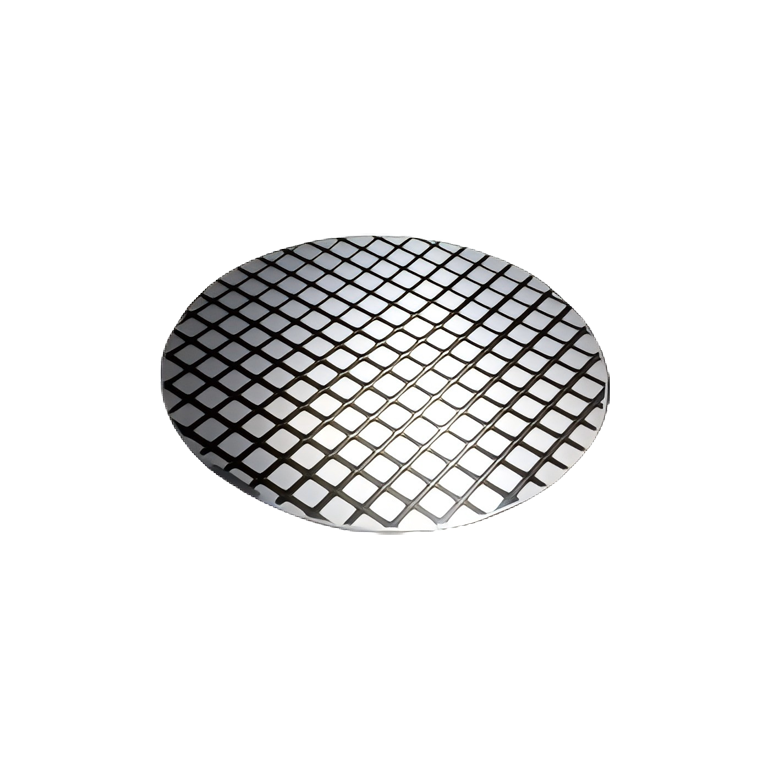
Supply chain dynamics in the IGBT wafer sector are fundamentally shifting as traditional sourcing models face challenges from geopolitical tensions, capacity constraints, and evolving technical specifications. Manufacturing hubs are diversifying beyond established regions, while substrate material innovations and wafer fabrication technologies are creating new opportunities and risks for supply chain planners. These developments require strategic foresight and adaptive procurement strategies to ensure continuous supply of high-quality IGBT wafer components through 2026 and beyond.
Market Demand Drivers Reshaping IGBT Wafer Requirements
Electric Vehicle Industry Acceleration
The electric vehicle sector represents the most significant growth driver for IGBT wafer demand, with automotive manufacturers requiring increasingly sophisticated power management solutions. EV powertrain systems demand IGBT wafer components that can handle higher voltage levels, operate efficiently under extreme temperature variations, and maintain reliability over extended operational cycles. This automotive focus is pushing IGBT wafer manufacturers to develop substrates with enhanced silicon carbide integration and improved thermal conductivity characteristics.
Automotive-grade IGBT wafer specifications are becoming more stringent, requiring suppliers to implement advanced quality control processes and traceability systems throughout the manufacturing chain. The transition from internal combustion engines to electric drivetrains is creating sustained demand growth that extends beyond passenger vehicles to include commercial trucks, buses, and specialized industrial vehicles. This diversification in automotive applications is driving IGBT wafer suppliers to develop scalable production capabilities that can accommodate varying voltage and current requirements across different vehicle categories.
Renewable Energy Infrastructure Expansion
Solar inverter and wind turbine applications are generating substantial IGBT wafer demand as renewable energy installations accelerate globally. These applications require IGBT wafer components optimized for high-frequency switching operations and capable of maintaining efficiency across varying power generation conditions. The renewable energy sector's emphasis on long-term reliability and minimal maintenance is pushing IGBT wafer manufacturers to develop products with enhanced durability and extended operational lifespans.
Grid-tied energy storage systems are creating additional IGBT wafer demand as utilities and commercial facilities implement large-scale battery installations. These applications require IGBT wafer components that can efficiently manage bidirectional power flow while maintaining grid synchronization and power quality standards. The integration of smart grid technologies is further expanding IGBT wafer applications in power conditioning and distribution control systems.
Industrial Automation and Motor Control Growth
Manufacturing automation trends are driving increased demand for IGBT wafer components in variable frequency drives, servo motor controllers, and industrial power supplies. These applications require IGBT wafer solutions that can provide precise control characteristics while operating reliably in harsh industrial environments. The Industry 4.0 transformation is creating new requirements for IGBT wafer components that can integrate with digital control systems and provide real-time performance monitoring capabilities.
Robotics and precision machinery applications are generating specialized IGBT wafer requirements focused on low electromagnetic interference, high switching speeds, and compact packaging solutions. These demanding applications are pushing IGBT wafer manufacturers to develop advanced substrate materials and fabrication techniques that can meet increasingly stringent performance specifications while maintaining cost competitiveness in high-volume production scenarios.
Regional Manufacturing and Supply Chain Dynamics
Asia-Pacific Production Capacity Evolution
Asia-Pacific regions continue to dominate IGBT wafer manufacturing capacity, with significant production facilities concentrated in established semiconductor manufacturing hubs. However, supply chain diversification initiatives are driving expansion into new geographic areas as manufacturers seek to reduce concentration risks and improve supply chain resilience. These capacity expansion projects are incorporating advanced automation technologies and sustainable manufacturing practices to meet evolving environmental and efficiency requirements.
Investment in next-generation IGBT wafer fabrication facilities is focusing on larger wafer sizes and advanced process technologies that can improve yields and reduce per-unit costs. These technological advances are enabling manufacturers to produce IGBT wafer components with enhanced performance characteristics while achieving better economies of scale. The transition to larger wafer formats is requiring significant capital investment and technical expertise, creating barriers for smaller manufacturers while consolidating market leadership among established players.
Supply Chain Localization Strategies
Regional supply chain localization efforts are reshaping IGBT wafer sourcing patterns as manufacturers and customers seek to reduce dependence on long-distance transportation and single-source suppliers. These localization strategies involve establishing regional fabrication facilities, developing local supplier networks, and implementing distributed inventory management systems. The IGBT wafer supply chain is adapting to support these regional strategies while maintaining quality consistency and technical compatibility across different manufacturing locations.
Government incentives and trade policies are influencing IGBT wafer manufacturing location decisions as countries implement strategic semiconductor industry development programs. These policy initiatives are creating opportunities for new manufacturing capacity while potentially disrupting established supply chain relationships. Manufacturers must balance cost considerations with supply security requirements when evaluating regional sourcing options and long-term supplier relationships.
Raw Material and Substrate Supply Considerations
Silicon substrate availability and pricing dynamics significantly impact IGBT wafer manufacturing costs and supply chain stability. High-purity silicon supply is concentrated among a limited number of global suppliers, creating potential bottlenecks during periods of increased demand. IGBT wafer manufacturers are implementing strategic partnerships and long-term supply agreements to secure access to quality substrate materials while managing price volatility risks.
Alternative substrate materials, including silicon carbide and gallium nitride options, are introducing new supply chain considerations as IGBT wafer manufacturers diversify their material portfolios. These advanced materials offer superior performance characteristics but require specialized handling, processing, and quality control procedures. The integration of alternative substrates is creating new supplier relationships and technical requirements throughout the IGBT wafer manufacturing ecosystem.
Technology Innovation Impact on Supply Chain Requirements
Advanced Packaging and Integration Technologies
Next-generation IGBT wafer packaging technologies are requiring closer collaboration between wafer manufacturers and assembly facilities to optimize thermal management and electrical performance. Advanced packaging approaches, including embedded cooling structures and three-dimensional integration techniques, are changing traditional supply chain relationships and requiring new forms of technical cooperation. These innovations demand specialized materials, equipment, and expertise that may not be available through existing supplier networks.
System-in-package integration trends are driving IGBT wafer manufacturers to develop products that can accommodate multiple functions within single package assemblies. This integration approach requires enhanced coordination between IGBT wafer suppliers, semiconductor device manufacturers, and system integrators to ensure compatibility and performance optimization. Supply chain partners must invest in new testing capabilities and quality assurance processes to support these advanced integration requirements.
Process Technology Advancement Impact
Manufacturing process innovations in IGBT wafer fabrication are requiring suppliers to upgrade equipment, implement new quality control procedures, and develop specialized technical capabilities. Advanced lithography techniques, precision etching processes, and enhanced metallization methods are pushing the boundaries of traditional semiconductor manufacturing while creating new supply chain dependencies. These technological advances require significant investment in research and development capabilities as well as production equipment upgrades.
Quality control and testing requirements for advanced IGBT wafer products are becoming more sophisticated, requiring suppliers to implement comprehensive characterization and reliability testing programs. These enhanced testing requirements are extending manufacturing cycle times while improving product quality and reliability. Supply chain partners must coordinate testing protocols and data sharing procedures to ensure consistent quality standards across the entire manufacturing and assembly process.
Market Forecast and Strategic Implications for 2026
Demand Growth Projections and Capacity Planning
Market analysis indicates that IGBT wafer demand will continue growing at double-digit rates through 2026, driven primarily by electric vehicle adoption and renewable energy infrastructure investments. This sustained growth is creating capacity constraints across the supply chain, from silicon substrate production through final wafer fabrication and testing. Manufacturers are implementing capacity expansion plans while managing the significant lead times required for new facility construction and equipment installation.
Supply chain capacity planning for IGBT wafer production must account for the cyclical nature of key end markets while maintaining flexibility to respond to unexpected demand fluctuations. Long-term purchase agreements and capacity reservations are becoming standard practices as customers seek to secure supply continuity. These contractual relationships require careful balance between supply security and cost optimization, particularly as IGBT wafer prices remain subject to material cost volatility and technology transition costs.
Pricing Trends and Cost Structure Evolution
IGBT wafer pricing dynamics are influenced by raw material costs, manufacturing capacity utilization, and technology development investments that manufacturers must recover through product pricing. Competitive pressures from alternative power semiconductor technologies are constraining pricing power while driving continuous improvement requirements. Supply chain participants must implement cost reduction initiatives and efficiency improvements to maintain profitability while meeting customer price expectations.
Value-added services and technical support capabilities are becoming increasingly important differentiators in IGBT wafer supply relationships as customers seek suppliers who can provide comprehensive solutions rather than just commodity products. These service-oriented business models require investment in technical expertise, customer support infrastructure, and supply chain coordination capabilities that extend beyond traditional manufacturing operations.
Risk Management and Supply Security Strategies
Supply chain risk management for IGBT wafer procurement requires comprehensive strategies that address geopolitical risks, natural disaster impacts, and technology obsolescence concerns. Diversified supplier networks, strategic inventory positioning, and alternative sourcing options are essential components of effective risk mitigation programs. These risk management approaches require ongoing investment and coordination but provide essential protection against supply disruptions that could impact critical applications.
Technology roadmap alignment between IGBT wafer suppliers and customers is crucial for managing obsolescence risks and ensuring compatibility with future system requirements. Regular technology reviews and joint development programs help ensure that supply chain relationships remain aligned with evolving technical requirements and market opportunities through 2026 and beyond.
FAQ
What factors are driving the strongest growth in IGBT wafer demand through 2026?
Electric vehicle manufacturing represents the primary growth driver for IGBT wafer demand, followed closely by renewable energy infrastructure expansion and industrial automation applications. The EV sector alone is expected to account for over 40% of incremental IGBT wafer demand growth through 2026, with automotive manufacturers requiring increasingly sophisticated power management solutions. Renewable energy applications, particularly solar inverters and wind turbine systems, are generating sustained demand for high-reliability IGBT wafer components that can operate efficiently across varying power generation conditions.
How are supply chain localization efforts affecting IGBT wafer sourcing strategies?
Regional localization initiatives are reshaping IGBT wafer supply chains as manufacturers seek to reduce transportation costs and supply chain risks while improving responsiveness to local market requirements. These strategies involve establishing regional fabrication capabilities, developing local supplier networks, and implementing distributed inventory management systems. However, localization efforts must balance supply security benefits against potentially higher costs and the need to maintain consistent quality standards across different manufacturing locations.
What role do advanced substrate materials play in future IGBT wafer supply chains?
Silicon carbide and gallium nitride substrates are becoming increasingly important in high-performance IGBT wafer applications, offering superior thermal and electrical characteristics compared to traditional silicon substrates. These advanced materials require specialized handling, processing, and quality control procedures that are creating new supplier relationships and technical requirements throughout the manufacturing ecosystem. While these materials currently represent a smaller market segment, their adoption is accelerating in applications where performance advantages justify higher costs.
How should companies prepare their supply chains for IGBT wafer market changes through 2026?
Successful preparation requires implementing diversified supplier strategies, establishing long-term supply agreements for critical components, and investing in supply chain visibility and risk management capabilities. Companies should evaluate their current supplier relationships, assess capacity adequacy for projected demand growth, and develop contingency plans for potential supply disruptions. Technology roadmap alignment with key suppliers is essential for ensuring compatibility with evolving technical requirements while managing obsolescence risks and maintaining competitive positioning in dynamic market conditions.
Table of Contents
- Market Demand Drivers Reshaping IGBT Wafer Requirements
- Regional Manufacturing and Supply Chain Dynamics
- Technology Innovation Impact on Supply Chain Requirements
- Market Forecast and Strategic Implications for 2026
-
FAQ
- What factors are driving the strongest growth in IGBT wafer demand through 2026?
- How are supply chain localization efforts affecting IGBT wafer sourcing strategies?
- What role do advanced substrate materials play in future IGBT wafer supply chains?
- How should companies prepare their supply chains for IGBT wafer market changes through 2026?