LDO Voltage Regulator - Ultra-Low Dropout Linear Regulators for Precision Power Management

All Categories
Get a Quote

Get a Free Quote

Our representative will contact you soon.
Email
Name
Company Name
Message
0/1000

ldo voltage regulator

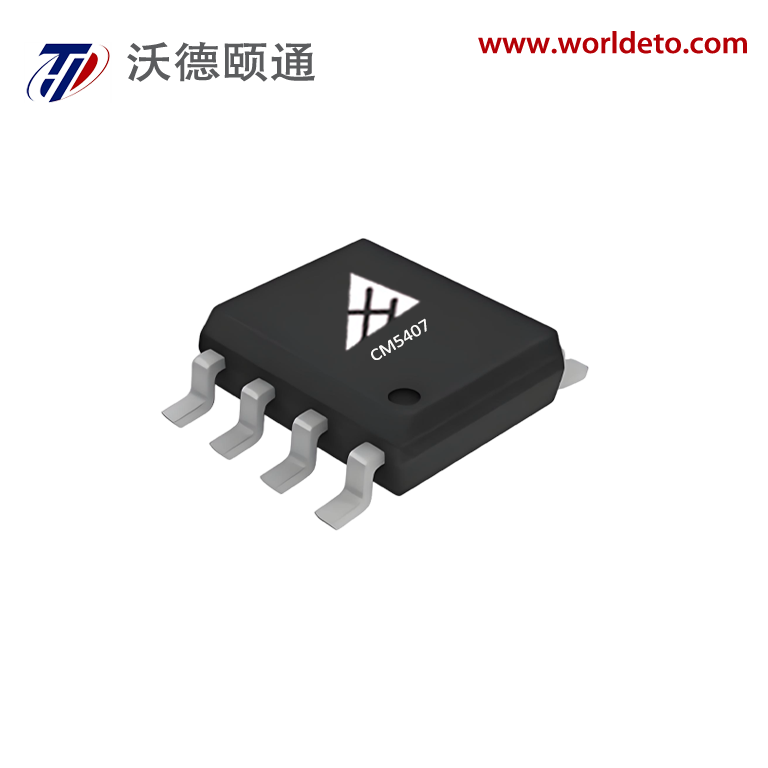
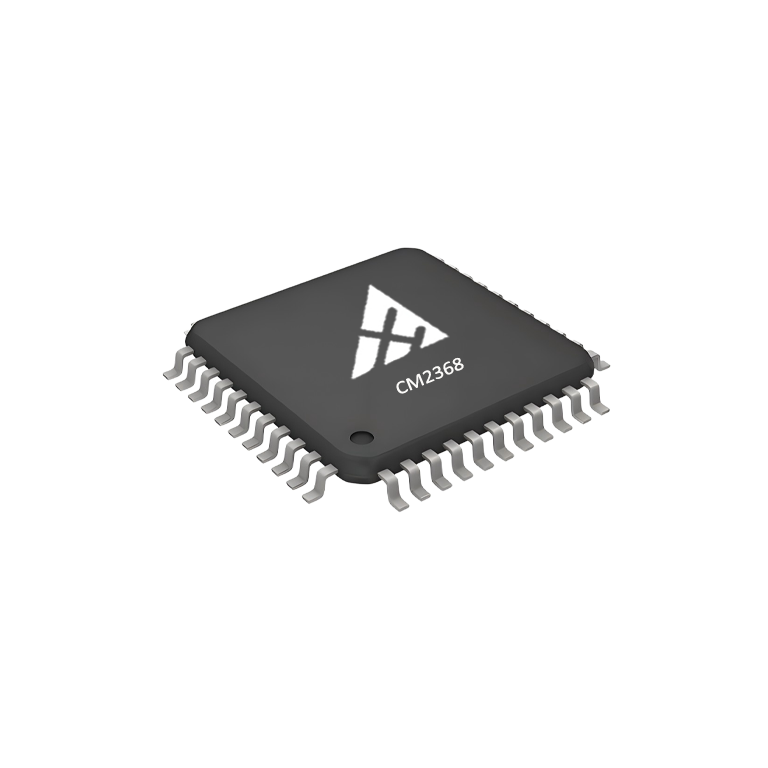
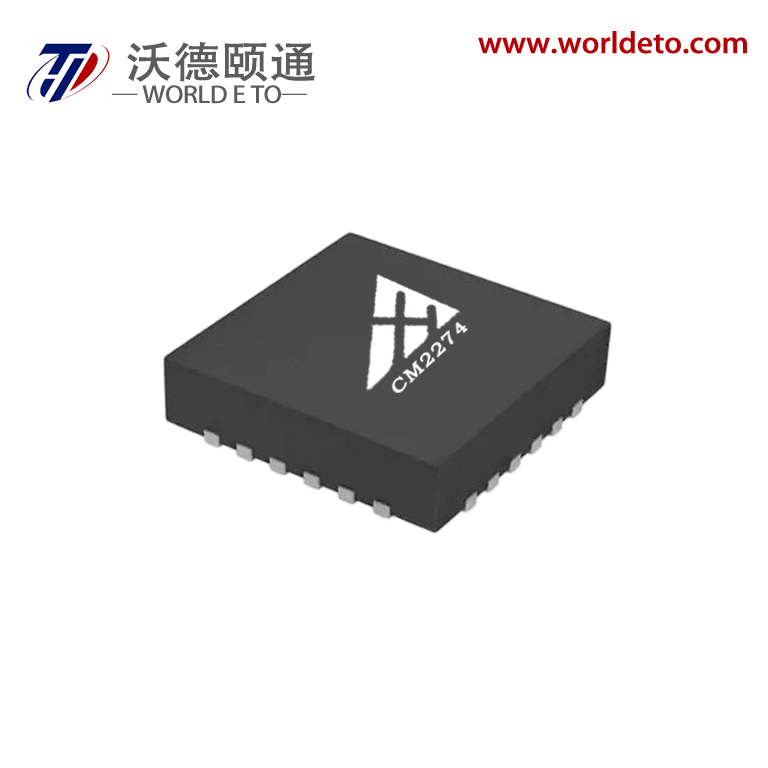
An LDO voltage regulator represents a critical component in modern electronic systems, serving as a linear voltage regulator that maintains stable output voltage despite variations in input voltage and load conditions. The LDO voltage regulator operates by using a low dropout architecture, which means it can function effectively even when the input voltage is only slightly higher than the desired output voltage. This characteristic makes the LDO voltage regulator particularly valuable in battery-powered applications where maximizing power efficiency is essential. The primary function of an LDO voltage regulator involves converting a higher input voltage to a precise, stable lower output voltage. This conversion process occurs through a series pass element, typically a PMOS or PNP transistor, which operates in its linear region. The control circuitry continuously monitors the output voltage and adjusts the series pass element to maintain regulation accuracy. Modern LDO voltage regulator designs incorporate advanced feedback mechanisms that ensure excellent line regulation and load regulation performance. The technological features of an LDO voltage regulator include exceptional transient response capabilities, low output noise characteristics, and minimal external component requirements. These regulators typically achieve dropout voltages as low as 100-300 millivolts, significantly lower than traditional linear regulators. The LDO voltage regulator architecture enables superior power supply rejection ratio performance, effectively filtering out input voltage ripple and noise. Applications for LDO voltage regulators span numerous industries and electronic systems. In consumer electronics, the LDO voltage regulator powers sensitive analog circuits, microprocessors, and communication modules. Automotive systems rely on LDO voltage regulators for engine control units, infotainment systems, and sensor interfaces. Industrial equipment utilizes these regulators for instrumentation, control systems, and measurement devices. Medical devices depend on LDO voltage regulators for critical life-support equipment and diagnostic instruments. The versatility of the LDO voltage regulator makes it indispensable in telecommunications infrastructure, aerospace applications, and renewable energy systems where precise voltage regulation is paramount for optimal system performance and reliability.

New Product Releases

The LDO voltage regulator delivers exceptional performance benefits that directly translate into improved system reliability and operational efficiency. One of the most significant advantages lies in its remarkably low dropout voltage capability, which allows the LDO voltage regulator to maintain regulation even when input voltages approach output voltage levels. This characteristic proves invaluable in battery-powered devices where extending operational time is crucial. As batteries discharge and voltage levels decrease, traditional regulators would cease functioning, but the LDO voltage regulator continues providing stable output voltage until the very end of the battery life cycle. The superior transient response of an LDO voltage regulator ensures that sudden changes in load current do not cause significant voltage fluctuations. This stability protects sensitive electronic components from voltage spikes and drops that could cause malfunction or permanent damage. Engineers appreciate this reliability because it reduces the need for additional protection circuits and simplifies overall system design. Low noise operation represents another compelling advantage of the LDO voltage regulator. Unlike switching regulators that generate electromagnetic interference, the linear operation of an LDO voltage regulator produces minimal electrical noise. This clean power delivery is essential for radio frequency circuits, precision analog systems, and audio applications where noise can severely degrade performance. The simplicity of implementation makes the LDO voltage regulator particularly attractive for design engineers. These regulators require minimal external components, typically just input and output capacitors, which reduces board space requirements and component costs. This streamlined approach accelerates product development timelines and minimizes potential failure points in the system. The excellent power supply rejection ratio of an LDO voltage regulator provides robust immunity against input voltage variations and ripple. This capability ensures that fluctuations in the input supply do not propagate to sensitive loads, maintaining consistent performance across varying operating conditions. Temperature stability represents another key advantage, as quality LDO voltage regulators maintain tight regulation accuracy across wide temperature ranges. This reliability is critical in automotive and industrial applications where environmental conditions can be extreme. Finally, the LDO voltage regulator offers flexible output voltage options through external feedback networks, enabling designers to achieve precise voltage levels required by specific applications without requiring custom silicon solutions.

Practical Tips

Building Reliable Systems: The Role of Precision Voltage References and LDOs in Industrial Applications

07

Jan

Building Reliable Systems: The Role of Precision Voltage References and LDOs in Industrial Applications

Industrial automation and control systems demand unwavering accuracy and reliability to ensure optimal performance across diverse operating conditions. At the heart of these sophisticated systems lie critical components that provide stable power mana...
View More
Speed Meets Accuracy: Selecting High-Speed Data Converters for Demanding Applications

07

Jan

Speed Meets Accuracy: Selecting High-Speed Data Converters for Demanding Applications

In today's rapidly evolving industrial landscape, the demand for high-speed data converters has reached unprecedented levels. These critical components serve as the bridge between analog and digital domains, enabling sophisticated control systems to ...
View More
From ADC to LDO: Complete High-Precision, Low-Power Domestic Chip Replacement Solutions

02

Feb

From ADC to LDO: Complete High-Precision, Low-Power Domestic Chip Replacement Solutions

The semiconductor industry faces unprecedented challenges as global supply chain disruptions and geopolitical tensions drive demand for reliable domestic chip replacement solutions. Companies across industries are increasingly seeking alternatives to...
View More
Precision DAC Chips: Achieving Sub-Millivolt Accuracy in Complex Control Systems

03

Feb

Precision DAC Chips: Achieving Sub-Millivolt Accuracy in Complex Control Systems

Modern industrial control systems demand unprecedented accuracy and reliability, with precision DAC chips serving as critical components that bridge the digital-analog divide. These sophisticated semiconductor devices enable engineers to achieve sub-...
View More

Get a Free Quote

Our representative will contact you soon.
Email
Name
Company Name
Message
0/1000

ldo voltage regulator

Ultra-Low Dropout Technology for Maximum Power Efficiency

Ultra-Low Dropout Technology for Maximum Power Efficiency

The ultra-low dropout technology integrated into modern LDO voltage regulators represents a revolutionary advancement in power management solutions. This innovative feature enables the LDO voltage regulator to operate with input-to-output voltage differentials as low as 100 millivolts, a dramatic improvement over conventional linear regulators that typically require 1-3 volts of headroom. This breakthrough technology directly benefits customers by extending battery life in portable devices and improving overall system efficiency. When implementing an LDO voltage regulator with ultra-low dropout capability, engineers can design systems that extract maximum energy from power sources, particularly important in applications where every milliwatt counts. The technology achieves this performance through advanced semiconductor fabrication processes and optimized circuit topologies that minimize voltage losses across the regulation element. For customers operating battery-powered equipment, this translates into longer operational periods between charges and reduced maintenance requirements. In automotive applications, the ultra-low dropout feature of an LDO voltage regulator ensures continued operation even when vehicle electrical systems experience voltage fluctuations during engine start-up or high-load conditions. This reliability prevents system shutdowns and maintains critical function availability. The economic benefits extend beyond power savings, as the improved efficiency reduces thermal management requirements, allowing for smaller heat sinks and more compact product designs. Manufacturing costs decrease when thermal constraints are relaxed, and product reliability improves when components operate at lower temperatures. The ultra-low dropout technology in an LDO voltage regulator also enables more flexible power architecture designs, allowing engineers to use lower input voltages and reduce the number of power conversion stages. This simplification reduces component count, board space requirements, and potential failure points. For customers in the telecommunications industry, this technology ensures that critical communication systems maintain operation during power anomalies, preventing costly service interruptions and maintaining customer satisfaction.
Exceptional Noise Performance for Sensitive Applications

Exceptional Noise Performance for Sensitive Applications

The exceptional noise performance delivered by advanced LDO voltage regulators sets them apart from alternative power management solutions, providing customers with clean, stable power that enhances overall system performance. Unlike switching regulators that generate high-frequency noise and electromagnetic interference, the LDO voltage regulator operates through linear regulation principles that inherently produce minimal electrical noise. This characteristic becomes critically important in applications where signal integrity must be maintained at the highest levels. The low-noise operation of an LDO voltage regulator stems from its continuous control mechanism, which eliminates the switching transitions that create noise in other regulator types. This smooth operation results in power supply rejection ratios exceeding 70 decibels, effectively isolating sensitive loads from input supply disturbances. For customers developing precision measurement instruments, medical devices, or high-performance audio equipment, this noise immunity translates directly into improved product specifications and competitive advantages. In radio frequency applications, the clean power delivery from an LDO voltage regulator prevents interference that could degrade signal quality or cause communication failures. Engineers designing wireless communication systems particularly value this benefit because it eliminates the need for extensive filtering networks that would otherwise be required to suppress switching noise. The economic impact of superior noise performance extends throughout the product development cycle, as reduced noise simplifies circuit design and decreases the need for additional shielding or filtering components. Testing and validation processes become more straightforward when power supply noise is minimized, reducing development time and associated costs. For customers in the automotive electronics sector, the low-noise characteristics of an LDO voltage regulator ensure that sensitive sensors and control systems operate without interference from the electrical noise commonly present in vehicle environments. This reliability improvement enhances safety and performance while reducing warranty claims and customer complaints. The consistent noise performance across varying load conditions and temperatures provides customers with predictable system behavior, essential for meeting regulatory requirements and industry standards in medical, aerospace, and industrial applications.
Rapid Transient Response for Dynamic Load Protection

Rapid Transient Response for Dynamic Load Protection

The rapid transient response capability of modern LDO voltage regulators provides customers with superior protection against voltage disturbances caused by sudden load changes, ensuring consistent performance in dynamic operating environments. This advanced feature enables the LDO voltage regulator to detect and compensate for load current variations within microseconds, maintaining tight output voltage regulation even when loads switch rapidly between different power consumption levels. The importance of this capability becomes evident in digital systems where processors and communication modules frequently transition between active and sleep modes, creating significant current variations that can destabilize poorly regulated power supplies. The fast transient response of an LDO voltage regulator relies on sophisticated control loop design and high-bandwidth feedback networks that continuously monitor output voltage and instantly adjust the regulation element to counteract disturbances. This responsiveness prevents voltage droops and overshoots that could cause sensitive electronic components to malfunction or reset unexpectedly. For customers developing microprocessor-based systems, this protection ensures reliable operation during code execution and prevents data corruption that could result from voltage instability. The economic benefits of excellent transient response extend beyond component protection, as improved voltage stability reduces the need for large bulk capacitors and complex power sequencing circuits. This simplification lowers material costs and reduces board space requirements, enabling more compact product designs. In battery-powered applications, the rapid response characteristics of an LDO voltage regulator optimize power utilization by maintaining efficient operation across varying load conditions, extending battery life and reducing operational costs. For customers in the telecommunications industry, fast transient response ensures that communication systems maintain signal integrity during traffic bursts and varying transmission loads. This reliability prevents service interruptions and maintains quality of service standards that are critical for customer satisfaction. The consistent transient performance across temperature and aging variations provides customers with long-term reliability assurance, reducing maintenance requirements and warranty expenses. In safety-critical applications such as medical devices and automotive systems, the rapid transient response of an LDO voltage regulator provides essential protection against voltage disturbances that could compromise system functionality or patient safety, demonstrating the critical value this feature delivers to customers across diverse application domains.

Get a Free Quote

Our representative will contact you soon.
Email
Name
Company Name
Message
0/1000