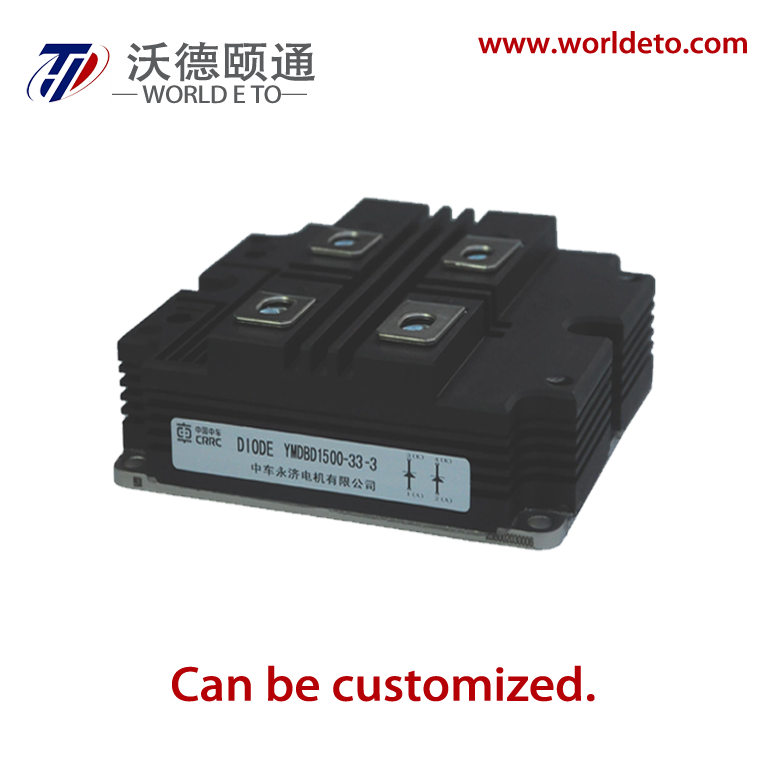
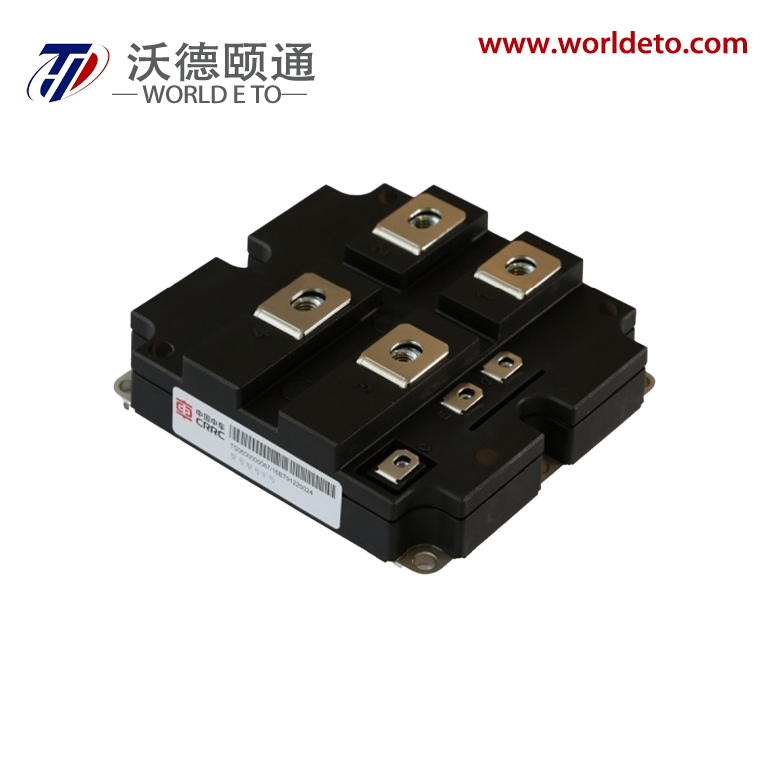
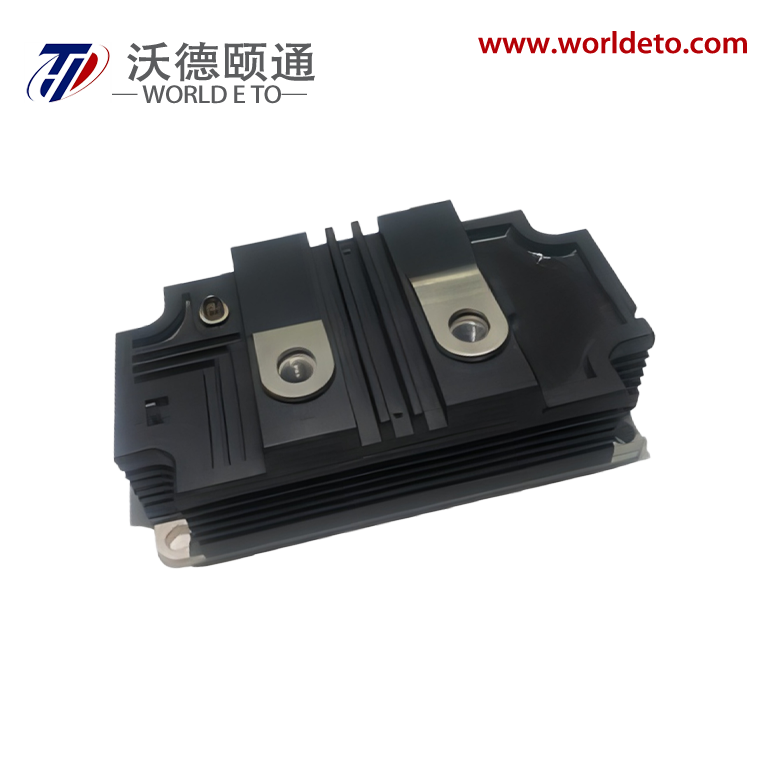
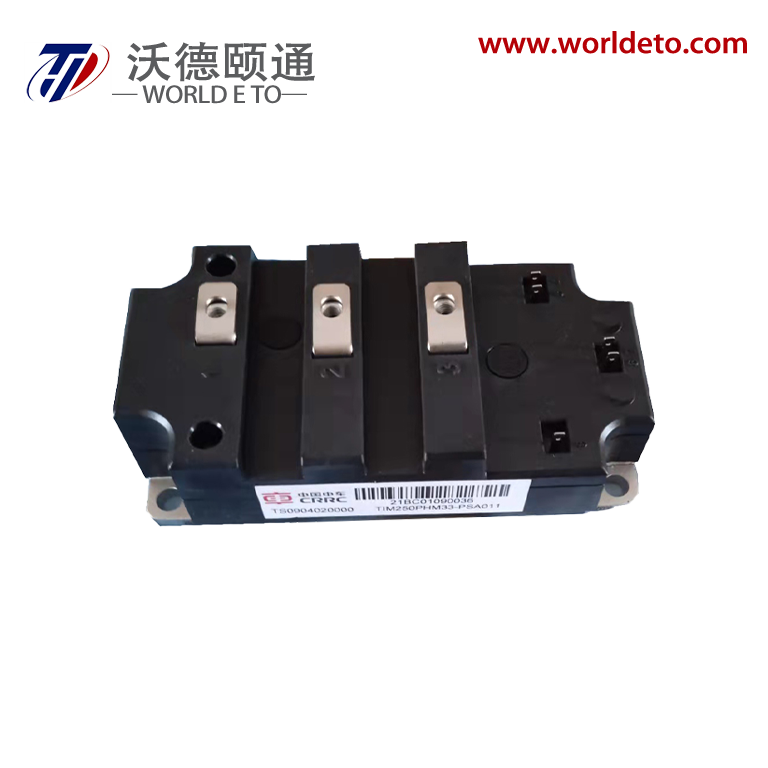
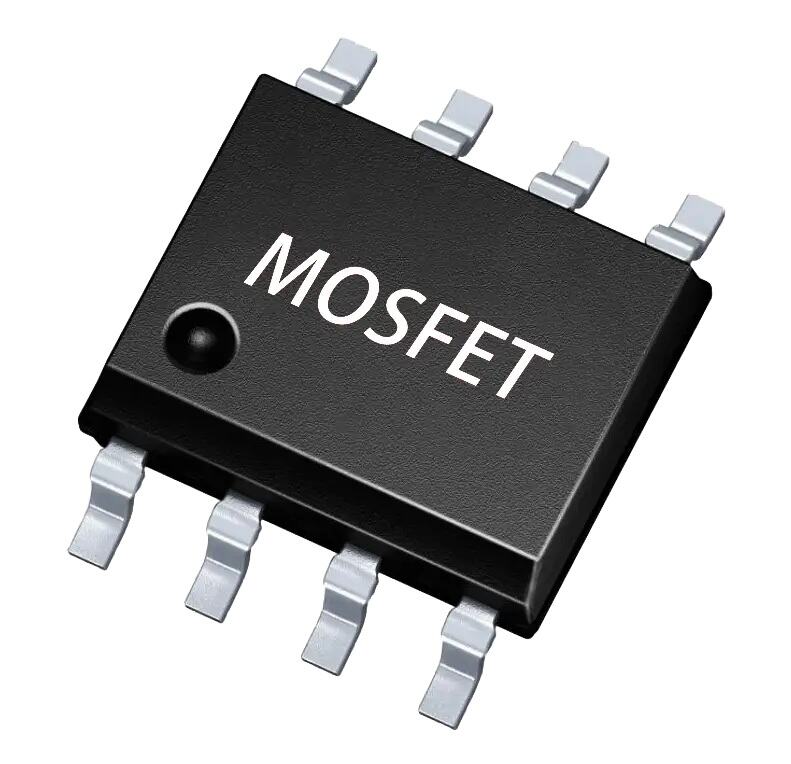
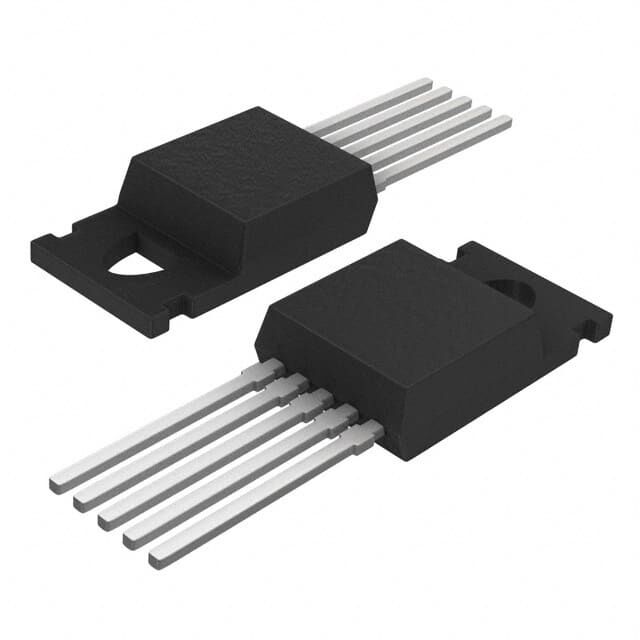
mosfet power module
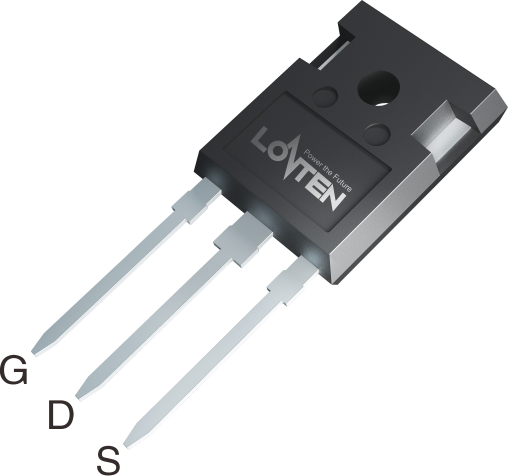
A mosfet power module represents a sophisticated semiconductor device that combines multiple Metal-Oxide-Semiconductor Field-Effect Transistors within a single integrated package. These modules serve as critical components in power electronics applications, providing efficient switching and control capabilities for high-voltage and high-current systems. The primary function of a mosfet power module centers on converting, controlling, and managing electrical power with exceptional precision and reliability. These devices excel at switching operations, enabling rapid on-off cycles that facilitate power conversion processes such as DC-to-AC inversion, voltage regulation, and motor control. The technological architecture of mosfet power modules incorporates advanced gate drive circuits, thermal management systems, and protection mechanisms that ensure optimal performance under demanding operating conditions. Modern mosfet power modules feature low on-resistance characteristics, which minimize power losses during conduction phases and enhance overall system efficiency. The modules integrate sophisticated thermal management solutions, including heat sinks, thermal interface materials, and optimized package designs that effectively dissipate generated heat. Protection features embedded within these modules include overcurrent detection, overvoltage protection, and thermal shutdown capabilities that safeguard both the module and connected systems. Applications for mosfet power modules span diverse industries, including renewable energy systems, electric vehicle powertrains, industrial automation, uninterruptible power supplies, and consumer electronics. In solar inverters, these modules convert DC power from photovoltaic panels into AC power suitable for grid connection. Electric vehicle applications utilize mosfet power modules in battery management systems, motor controllers, and onboard charging systems. Industrial applications encompass variable frequency drives, welding equipment, and power supplies where precise control and high efficiency remain paramount. The modular design approach simplifies installation, maintenance, and replacement procedures while reducing overall system complexity and cost.

 EN
EN