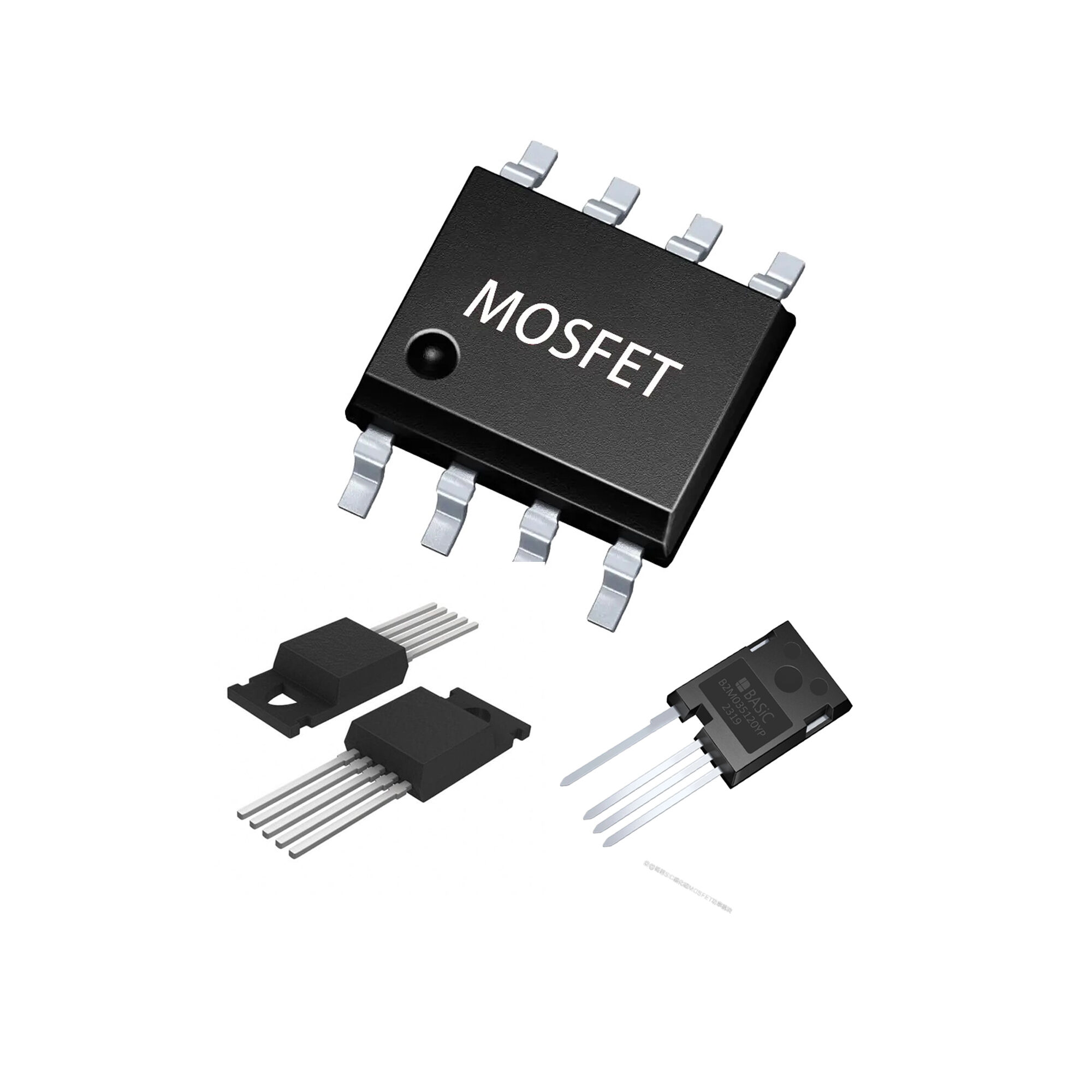
Ultra-Low On-Resistance for Maximum Energy Efficiency
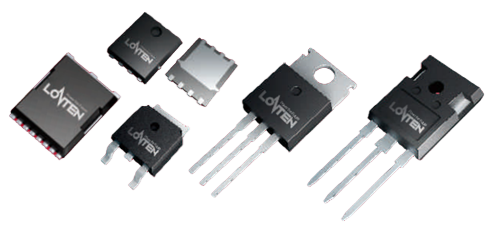
The ultra-low on-resistance characteristic of high current mosfet technology represents a fundamental breakthrough in power semiconductor efficiency, delivering measurable energy savings and performance improvements for customers across diverse applications. On-resistance, measured in milliohms, determines the voltage drop and power dissipation when the device conducts current, making it a critical factor in overall system efficiency. Advanced high current mosfet devices achieve on-resistance values below 0.5 milliohms, compared to 5-10 milliohms for conventional power transistors, resulting in dramatic reductions in conduction losses. This improvement stems from optimized channel geometries, enhanced doping profiles, and advanced manufacturing processes that minimize resistance in the current path. The ultra-low on-resistance directly translates into reduced heat generation, which eliminates the need for extensive cooling systems and enables more compact product designs. For customers operating large-scale power systems, the efficiency gains from high current mosfet technology can reduce electricity costs by thousands of dollars annually while simultaneously reducing carbon footprint and environmental impact. Battery-powered applications particularly benefit from ultra-low on-resistance, as reduced losses extend operating time and improve overall energy utilization. Electric vehicle manufacturers leverage this advantage to increase driving range without adding battery capacity, providing consumers with better value and performance. The temperature stability of high current mosfet on-resistance ensures consistent efficiency across varying operating conditions, unlike bipolar devices that exhibit significant resistance increases at elevated temperatures. This thermal stability maintains peak efficiency even during demanding operating scenarios, providing customers with predictable performance and reliable energy savings. Solar inverter applications demonstrate the practical value of ultra-low on-resistance, where improved efficiency translates directly into increased power harvest from photovoltaic arrays. Data center operators benefit from reduced cooling requirements and lower power consumption, resulting in decreased operational expenses and improved system reliability. The combination of ultra-low on-resistance and high current capacity enables high current mosfet technology to handle substantial power loads while maintaining excellent efficiency ratings that surpass alternative switching technologies. This efficiency advantage becomes increasingly important as energy costs rise and environmental regulations demand improved power management solutions.

 EN
EN